Table of Contents >> Show >> Hide
- Creosote, Defined: Two Common Meanings You Shouldn’t Confuse
- How Chimney Creosote Forms (And Why Some Fires Create More of It)
- Why Chimney Creosote Is Dangerous
- Coal Tar Creosote: Why the Industrial Kind Raises Health Concerns
- “Is Creosote Toxic?” A Practical Answer for Homeowners
- Signs of Creosote Buildup in a Chimney
- How to Reduce Creosote Risk (Without Doing Anything Reckless)
- Creosote Removal: Why “DIY” Can Go Sideways Fast
- Environmental and Occupational Concerns: The Coal Tar Creosote Side of the Story
- Common Myths About Creosote (Let’s Retire These Gently)
- So, Why Is Creosote Dangerous? The One-Paragraph Summary
- Real-World Experiences: What People Learn About Creosote the Hard Way (Approx. )
- Conclusion
Creosote is one of those words that sounds like a villain in a spaghetti western (“Creosote Jones, wanted for crimes against chimneys…”),
but it’s actually a very real substanceand it can be a serious problem for both home safety and human health.
The tricky part: “creosote” doesn’t mean just one thing. In everyday home-heating talk, it usually means the black, sticky
stuff that builds up inside a chimney when you burn wood. In industrial and environmental health conversations, it often means
coal tar creosote, a chemical mixture used to preserve wood (think railroad ties and utility poles).
Both are bad news in different ways, and mixing them up can lead to dangerously wrong decisions.
This guide breaks creosote down clearly: what it is, how it forms, why it’s risky, how to recognize trouble, and how to reduce your
exposure without turning your weekend into a DIY disaster movie. (Spoiler: the chimney usually wins if you try to “out-hack” chemistry.)
Creosote, Defined: Two Common Meanings You Shouldn’t Confuse
1) Chimney creosote (from burning wood)
When wood burns, it releases smoke filled with tiny particles and vaporized organic compounds. As that hot smoke rises through a cooler
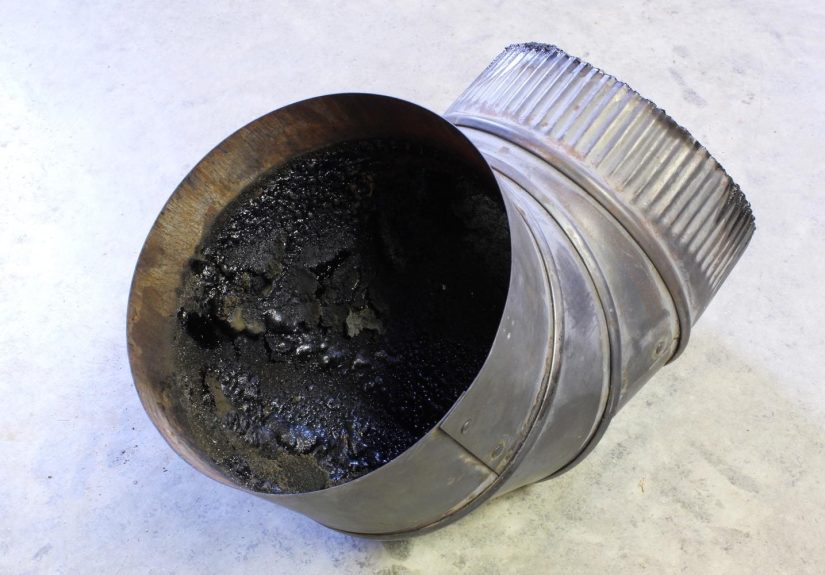
chimney flue, some of it condenses and sticks to the inner walls. Over time, that residue becomes chimney creosotea dark deposit that
can range from dusty soot to thick, tar-like glaze.
Here’s the key risk: chimney creosote is flammable. If enough builds up, it can ignite and cause a chimney fire.
Even a “small” chimney fire can damage liners, masonry, and nearby framingsometimes without obvious signs until the next big burn.
2) Coal tar creosote (industrial wood preservative)
Coal tar creosote is a complex chemical mixture derived from coal tar. It’s been used for a long time to preserve wood against rot, insects,
and moistureespecially for products that need to survive harsh outdoor conditions. The health concerns here are different:
coal tar creosote is associated with skin irritation, respiratory effects, and increased cancer risk with significant or long-term exposure,
particularly in occupational settings.
Bottom line: chimney creosote threatens your house (fire risk), while coal tar creosote can threaten your health (toxic exposure).
Sometimes, people face bothespecially if they handle creosote-treated wood improperly or burn the wrong materials.
How Chimney Creosote Forms (And Why Some Fires Create More of It)
Chimney creosote is mostly a “three-part problem”:
- Incomplete combustion (smokier fire = more unburned compounds).
- Cool flue temperatures (more condensation inside the chimney).
- Poor draft or restricted airflow (smoldering fires that generate heavy smoke).
If you’ve ever tried to cook bacon on low heat and ended up with a pan full of grease instead of crispy goodness, you understand the vibe.
When wood smolders, it produces more smoke and more condensable compounds, which then cool and stick to the flue.
The “Three Stages” of chimney creosote
Chimney professionals often describe creosote deposits in stages because the type of buildup affects both the fire risk and the difficulty of removal:
- Stage 1 (sooty/flaky): Dusty, crumbly deposits. This is usually the easiest for a professional to remove.
- Stage 2 (shiny flakes/tar-like): Dark, crunchy flakes or thicker deposits that cling more stubbornly.
- Stage 3 (glazed): Hard, glossy, tar-like coating. This is often the most dangerous (highly flammable) and typically requires specialized removal methods.
Glaze tends to show up when fires are routinely cool and smoky: burning wet wood, closing the air down too far, or using an appliance/chimney setup
that doesn’t draft well.
Why Chimney Creosote Is Dangerous
1) It can ignite and cause a chimney fire
A chimney fire happens when creosote deposits ignite inside the flue. Sometimes it’s loud and dramatic (roaring sound, sparks, flames shooting from the chimney top).
Other times it’s sneakyburning hot enough to damage the system but not obvious enough to prompt a 911 call. Either way, it’s not a “let it burn out” situation.
Chimney systems and liners can crack, warp, or fail, and heat can transfer to nearby combustible framing.
2) It can worsen draft and raise carbon monoxide risk
As creosote narrows the flue pathway, it can reduce draft efficiency. Poor draft can mean more smoke spillage into the living space and a higher chance that
combustion byproductsincluding carbon monoxidedon’t vent properly.
3) It’s a sign your fire isn’t burning cleanly
Heavy creosote is basically your chimney’s way of sending a sticky text message:
“Hey. Your burning habits are messy.” Messy burning can mean wasted fuel, extra smoke (air-quality issue), and faster buildup.
Coal Tar Creosote: Why the Industrial Kind Raises Health Concerns
Coal tar creosote is used as a wood preservative because it’s extremely effective at resisting biological decay. But it’s also a
chemical mixture that can be hazardous with meaningful exposure. In the U.S., major public health and regulatory bodies have identified
cancer and non-cancer risks, especially for workers exposed over time in wood treatment and related settings.
Common exposure routes
- Skin contact: Can cause irritation and, with significant exposure, more serious skin effects.
- Inhalation: Vapors or aerosols (especially in workplaces) can irritate the respiratory system.
- Environmental exposure: Spills or legacy contamination can affect soil and groundwater near industrial sites.
Important distinction: many agencies note that the highest concern is typically for people with regular, higher-intensity exposure,
such as workers in wood-preserving operationsnot a person briefly walking past a utility pole.
Still, it’s wise to respect creosote-treated wood and avoid unnecessary contact, especially with fresh cuts, dust, or strong odors.
“Is Creosote Toxic?” A Practical Answer for Homeowners
If you’re asking because you found black buildup in your fireplace: chimney creosote is primarily a fire hazard.
You generally don’t want to breathe soot and smoke residues, but the bigger immediate risk is ignition.
If you’re asking because you’re handling railroad ties or old treated timbers: coal tar creosote can pose chemical exposure risks,
especially with repeated contact, fresh sawing/cutting, or enclosed-space exposure.
If you’re not sure which one you’re dealing with, a simple rule helps: inside chimney = chimney creosote;
treated outdoor timbers/industrial wood = likely coal tar creosote. When in doubt, treat it like the more hazardous option and avoid direct contact.
Signs of Creosote Buildup in a Chimney
- Strong smoky odor even when the fireplace isn’t in use (especially in humid weather).
- Black flakes falling into the firebox or around the damper area.
- Shiny, tar-like glaze visible inside the flue (a serious red flag).
- Smoky starts, weak draft, or smoke backing into the room.
You can’t reliably judge creosote risk from the living room couch (sadly). Many problems hide in the flue, smoke chamber,
and linerareas you can’t fully inspect without the right tools and experience.
How to Reduce Creosote Risk (Without Doing Anything Reckless)
1) Get regular inspections (and clean when needed)
A widely cited safety baseline in the U.S. is a professional chimney inspection at least annually for solid-fuel systems, with cleaning/maintenance
performed as needed. Many safety guidelines also use a practical threshold: remove deposits when buildup is around
1/8 inch (and sooner if there’s glaze).
2) Burn the right fuel the right way
- Use dry, seasoned firewood: Wet wood smolders, smokes, and accelerates creosote formation.
- Avoid “lazy” fires: Fires that never get hot enough can keep flue temps low and boost condensation.
- Don’t choke the air too far: Starving a fire for air increases smoke and deposits.
3) Never burn creosote-treated wood or trash
Burning treated wood, construction scraps, or garbage can release harmful chemicals and may create unusual deposits.
If wood is treated (especially old railroad ties or utility timbers), assume it is not safe to burn in a home fireplace or stove.
4) Use equipment that drafts properly
Improperly sized flues, leaky connectors, damaged liners, or blocked caps can all worsen draft.
Draft problems don’t just make your living room smokythey can also accelerate creosote accumulation.
5) Treat “creosote sweeping logs” as helpers, not heroes
Some products claim to reduce creosote buildup. At best, these may help dry or loosen certain deposits under specific conditions.
They are not a substitute for inspection and professional sweepingespecially if glaze is present.
Quick safety checklist
- Install and maintain working smoke alarms and carbon monoxide alarms.
- Use a metal ash container with a lid and store it away from combustibles.
- Keep combustibles a safe distance from the hearth.
- If you suspect a chimney fire, treat it as an emergency and have the system inspected before using it again.
Creosote Removal: Why “DIY” Can Go Sideways Fast
It’s tempting to view chimney sweeping as a gritty, satisfying weekend projectlike power-washing your driveway, but vertical.
The problem is that chimneys are complex systems. Removal methods depend on the appliance type, liner material, deposit stage,
access points, and whether damage is already present.
Professional chimney technicians use specialized brushes, vacuums, cameras, and (for glazed deposits) additional tools and methods.
They also evaluate structural integrity and clearancesbecause removing deposits is only half the story if the liner is compromised.
Safety note: avoid “creative chemistry” inside your chimney (random solvents, improvised scrapers, or anything flammable).
If glaze is present, that’s the moment to call a certified professional, not your friend who “watched a video once.”
Environmental and Occupational Concerns: The Coal Tar Creosote Side of the Story
Coal tar creosote is a recognized concern for workers in wood-preserving facilities and for communities dealing with legacy contamination.
In spill situations, creosote can penetrate soil and potentially affect groundwater, which is why environmental guidance emphasizes
containment and proper handling rather than casual cleanup.
For everyday consumers, the most practical takeaway is simple: treat creosote-treated materials with respect.
Avoid direct skin contact when possible, don’t create dust by sanding or cutting without proper precautions,
and follow product safety information if you must handle such materials for work or a project.
Common Myths About Creosote (Let’s Retire These Gently)
Myth: “If I don’t see smoke, I don’t have creosote.”
Creosote forms inside the flue where you’re not looking. Draft can seem “fine” until buildup reaches a tipping point.
Myth: “It’s just soot, it’ll burn off.”
Sometimes it does burn offright into a chimney fire. Not the vibe.
Myth: “I only use my fireplace a few times a year, so inspections are unnecessary.”
Even low-use systems can develop deposits, blockages, or damage. Birds, debris, corrosion, and cracked liners don’t check your usage history first.
So, Why Is Creosote Dangerous? The One-Paragraph Summary
Creosote is dangerous because it’s either (1) a highly flammable deposit that can trigger chimney fires and damage venting systems,
or (2) a hazardous industrial chemical mixture associated with irritation, respiratory effects, and increased cancer risk with significant exposure.
The safest approach is to reduce formation (burn clean, burn dry, draft well), inspect regularly, clean when needed, and avoid unnecessary contact with
creosote-treated wood and residues.
Real-World Experiences: What People Learn About Creosote the Hard Way (Approx. )
If you ask chimney professionals what creosote “feels like” in real life, you’ll hear a lot of the same storiesdifferent houses,
same sticky villain. One common experience starts with a cozy goal: “We want a fire every night this winter.” The first few weeks are great.
Then the room starts smelling smoky even when no one’s burning. The glass doors haze up faster. The fire seems harder to start.
People assume the wood is “just not great,” so they buy more… sometimes even cheaper, sometimes still damp. That’s when creosote
quietly upgrades from dusty soot to thicker deposits, because the fires are cooler and smokier than they should be.
Another classic storyline: the “slow-and-low money saver.” Someone closes the air control way down to make logs last longer overnight.
It feels efficientuntil you realize you’ve basically trained your stove to smoke like it’s auditioning for a barbecue competition.
The result is a steady supply of unburned compounds that condense inside the flue. People often describe the surprise of seeing shiny,
black glaze during an inspection: it doesn’t look like “dirt.” It looks like someone lacquered the chimney with burnt caramel.
And glaze is exactly the kind of deposit that can be stubborn to remove and risky to ignore.
Fire departments also see the “it sounded like a freight train” moment: a roaring noise, a rumble, sparks at the chimney topsometimes
followed by the uncomfortable realization that the fireplace was used for years without a real inspection. In many households, the learning
curve is steep: after a chimney fire, the next step isn’t simply “clean it.” It’s “inspect it carefully,” because heat can crack liners,
damage mortar, and create hidden pathways for heat to reach combustibles. The experience becomes less about sweeping and more about
ensuring the whole venting system is safe to use again.
On the industrial side, “creosote experience” often means people underestimate treated wood. A homeowner finds old railroad ties online and thinks,
“Rustic landscaping! Cheap!” Then they notice the strong odor on hot days, sticky residue on gloves, and dark staining that seems to spread.
Some people learn (after the fact) that cutting or sanding treated timbers can create exposure you didn’t bargain for, especially if you’re doing it
in a garage with the door cracked “a little.” The most consistent lesson from these stories is that creosote-treated materials aren’t just “extra tough wood”
they’re chemically preserved for heavy-duty outdoor use, and they come with handling cautions for a reason.
The best creosote experiences are the boring ones: a yearly inspection, dry wood, a clean-burning fire, and a chimney that never makes the news.
Boring is underrated. Boring is safe.
Conclusion
Creosote earns its reputation because it’s a risk multiplier. In chimneys, it turns normal winter comfort into a potential chimney fire if deposits
build up and ignite. In industrial settings, coal tar creosote is a hazardous substance that can harm health with significant exposure over time.
The good news is that most creosote problems are preventable: burn dry wood, avoid smoldering fires, make sure your system drafts properly,
and schedule regular inspections with qualified professionals. Treat creosote-treated wood as the chemical product it ishandle it carefully and
don’t burn it. If you do those things, creosote becomes what it should be: a word you read about, not a problem you live through.