Table of Contents >> Show >> Hide
- What Is Berberine?
- How Berberine May Work
- Potential Health Benefits of Berberine
- Risks and Side Effects of Berberine
- Drug Interactions and Who Should Avoid It
- Is Berberine Safe for the Liver?
- How Much Berberine Do People Usually Take?
- What to Keep in Mind Before Buying a Berberine Supplement
- Real-World Experiences With Berberine: What People Often Notice
- Final Thoughts
Berberine has had quite a glow-up lately. Once known mostly to herbal medicine nerds and people who can pronounce “botanical alkaloid” without blinking, it now pops up all over social media as a supposed fix for blood sugar, cholesterol, weight gain, and just about every metabolic inconvenience short of a bad haircut. The hype makes it sound like a miracle in capsule form. The science, as usual, is less dramatic and a lot more useful.
So, what is berberine really? In plain English, it is a natural compound found in several plants, including barberry, goldenseal, Oregon grape, and coptis. It has a long history of use in traditional medicine, especially for digestive complaints and infections. Today, berberine is sold as a dietary supplement and studied for possible benefits related to type 2 diabetes, cholesterol, triglycerides, metabolic syndrome, and a few other conditions. That sounds promising, and in some cases it is. But promising is not the same as proven, and “natural” is definitely not the same as risk-free.
This is where the real conversation starts. Berberine may help some people improve certain lab markers, especially blood sugar and blood lipids, but it is not an FDA-approved treatment for those conditions in the United States. It can also cause side effects, interact with medications, and create problems in people who assume supplements are always gentler than prescription drugs. Spoiler: the human body does not care whether the molecule arrived in a pharmacy bottle or a trendy amber jar with minimalist branding.
What Is Berberine?
Berberine is a yellow-colored plant compound classified as an alkaloid. Alkaloids are naturally occurring substances found in plants that often have powerful biological effects. Caffeine is an alkaloid. Nicotine is an alkaloid. Berberine, happily, is the one in this group that is not trying to ruin your morning or your lungs.
Plants that contain berberine have been used in traditional systems of medicine for centuries. Historically, these plants were used for issues such as diarrhea, digestive upset, skin conditions, and certain infections. Modern supplement culture has given berberine a new job description: support metabolism, improve blood sugar, lower cholesterol, and maybe help with weight loss.
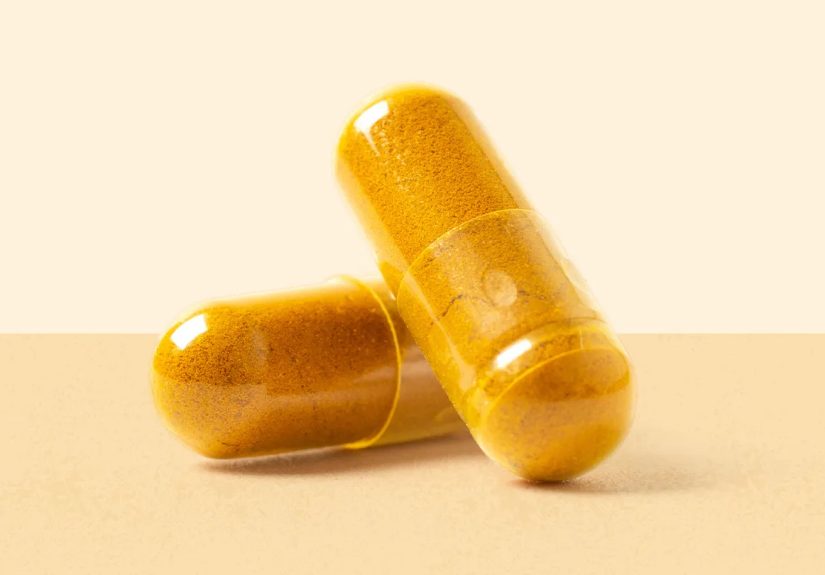
Most people today encounter berberine as an over-the-counter supplement in capsule form. You may also see it as part of combination products marketed for “glucose support,” “metabolic balance,” “cholesterol control,” or the internet’s favorite overstatement, “nature’s Ozempic.” That last label is catchy, but it is also a pretty good way to oversimplify a complicated topic.
How Berberine May Work
Researchers are still working out exactly how berberine affects the body, but the big picture is fairly clear: it appears to influence pathways involved in glucose handling, fat metabolism, insulin sensitivity, and gut function. In practical terms, that means berberine may help the body manage blood sugar and blood lipids a little more efficiently.
It also seems to have antimicrobial and anti-inflammatory activity, which helps explain why it has a long history in digestive and traditional medicine use. Still, a possible mechanism is not the same thing as a guaranteed real-world benefit. Plenty of compounds look impressive in lab models and then turn out to be much less exciting in everyday humans who also eat birthday cake, miss sleep, and occasionally forget to take their supplements.
Potential Health Benefits of Berberine
1. Blood Sugar Support
The strongest interest in berberine centers on blood sugar regulation. Several reviews suggest it may help lower fasting glucose, improve insulin resistance, and support better overall glucose metabolism in people with type 2 diabetes. That is the good news.
The important fine print is that the evidence is still mixed in quality. Some studies are small, many have been conducted in limited populations, and the results are not strong enough to treat berberine as a replacement for established diabetes care. In other words, berberine may be a useful adjunct for some people, but it is not a magic capsule that lets you ignore your doctor, your medication plan, your meals, or your A1C.
For example, someone with mildly elevated fasting glucose who is already working on food choices, sleep, stress, and physical activity may find berberine worth discussing with a clinician. Someone with poorly controlled diabetes who wants to swap out prescription treatment for an influencer recommendation is making a much riskier bet.
2. Cholesterol and Triglycerides
Berberine has also been studied for lipid management. Some research suggests it may help lower LDL cholesterol, total cholesterol, and triglycerides. That makes it interesting for people with metabolic syndrome or mild cholesterol issues, especially those who are looking for additional support alongside lifestyle changes.
Still, “may help” is the correct phrase here. The effects appear modest, and the evidence is not strong enough to put berberine in the same category as proven cholesterol-lowering medications when those medications are clearly indicated. At best, berberine looks like a potentially useful support player, not the entire team.
This matters because cholesterol conversations tend to go off the rails quickly online. If your LDL is mildly elevated and your clinician is focusing first on diet, exercise, and weight management, a discussion about berberine could make sense. If you have a high cardiovascular risk profile and need prescription treatment, berberine should not be used as a “natural loophole.” Your arteries do not grade on a wellness curve.
3. Blood Pressure and Metabolic Syndrome
There is also some evidence that berberine may support blood pressure and broader metabolic markers, particularly when paired with other interventions. People with metabolic syndrome often have a cluster of problems at the same time, including high blood sugar, abnormal lipids, abdominal weight gain, and elevated blood pressure. Because berberine touches several of those pathways, researchers are interested in it as a multitasker.
That said, multitasker is not the same thing as miracle worker. Lifestyle changes remain the foundation here. Berberine may fit into a larger strategy for some adults, but it does not replace exercise, fiber-rich meals, weight management, sleep, or appropriate medical treatment.
4. Weight Loss: This Is Where the Internet Gets Loud
Berberine’s popularity exploded because of weight-loss chatter, not because everyone suddenly became passionate about triglycerides. And yes, some studies and reviews suggest it may help with body weight, BMI, or waist measurements. But the overall evidence for weight loss is still limited, and the results are far from spectacular.
That is the part that rarely trends. Small changes in weight or waist size do not make for viral before-and-after posts, but they are much more consistent with the research than the “drop pounds fast” storyline. A recent randomized clinical trial in adults with obesity and metabolic dysfunction-associated steatotic liver disease, but without diabetes, found that berberine did not significantly reduce visceral fat or liver fat compared with placebo over six months, even though it did show some favorable effects on LDL cholesterol and inflammation markers. That is a useful reality check.
So, can berberine support weight management? Maybe a little, in some people, especially when metabolic dysfunction is part of the picture. Is it a natural version of a GLP-1 medication? No. Not biologically, not clinically, and definitely not in terms of the evidence base.
5. PCOS, Fatty Liver, and Other Emerging Areas
Berberine is also being studied for polycystic ovary syndrome, insulin resistance, fatty liver disease, and other metabolic conditions. Some early findings are encouraging, especially around insulin sensitivity and lipid markers. But “encouraging” is still doing a lot of work in that sentence.
In fatty liver research, berberine has shown promise in some studies and meta-analyses, yet results vary depending on who is being studied and what outcomes are measured. In PCOS, the supplement is often discussed because insulin resistance can be part of the condition, but that does not mean berberine should be treated like a one-size-fits-all hormone fixer. Different bodies, different risks, different medication histories.
Risks and Side Effects of Berberine
Berberine is often described as “generally well tolerated,” which is true in a limited and practical sense. It is also true that the most common side effects are not exactly charming. Digestive symptoms are the big ones: nausea, abdominal pain, bloating, constipation, diarrhea, and sometimes vomiting. Appetite loss and rash can also occur.
Many people who try berberine discover that their first real health benefit is a renewed appreciation for having a normal stomach. Some side effects are mild and transient. Others are enough to make people quit within days. That does not mean the supplement is dangerous for everyone, but it does mean it is not as gentle and breezy as supplement marketing often implies.
Another issue is that supplements can vary in quality. Berberine products are sold over the counter, and dietary supplements are not approved by the FDA for safety and effectiveness before they are sold. That means label quality, dose consistency, purity, and the accuracy of marketing claims can vary. You may be buying a carefully manufactured product. You may also be buying expensive optimism in capsule form.
Drug Interactions and Who Should Avoid It
This is the section where berberine stops being trendy and starts being important. Berberine can interact with medications. It may affect blood sugar control when taken with diabetes drugs. It may also interact with medications processed through enzyme pathways such as CYP2D6, CYP2C9, and CYP3A4. Memorial Sloan Kettering also flags concerns with immunosuppressive drugs such as tacrolimus and cyclosporine, as well as certain chemotherapy and sulfonylurea medications.
Translation: if you take prescription medications, especially for diabetes, transplantation, cancer, cardiovascular disease, or chronic conditions that involve narrow dosing windows, do not treat berberine like a harmless little plant side quest. It can have real pharmacologic effects.
Berberine should also be avoided during pregnancy and breastfeeding. It should not be given to infants, and it is not recommended for children unless a healthcare professional specifically directs its use. One major reason is that berberine can worsen jaundice in newborns and may contribute to kernicterus, a serious and potentially life-threatening condition caused by high bilirubin levels.
If you are preparing for surgery, have complex medical conditions, or use multiple supplements at once, that is another good reason to pause and ask a clinician or pharmacist before adding berberine.
Is Berberine Safe for the Liver?
This is one area where the news is a bit more reassuring. NIH’s LiverTox resource reports that berberine has not been linked to clinically apparent liver injury or serum aminotransferase elevations during therapy. That does not make it universally safe, but it does suggest that liver toxicity is not one of the main concerns with berberine itself.
Still, there is an important catch: supplements are not all created equally. Multi-ingredient products can muddy the picture, and interactions can still create trouble even when a single ingredient looks fairly safe on its own. So the better conclusion is not “berberine is harmless,” but rather “liver injury is not the main thing researchers worry about here.”
How Much Berberine Do People Usually Take?
Typical supplemental doses commonly fall in the range of 250 to 500 milligrams taken two or three times per day. Many products on the market are sold as 500-milligram capsules. That does not mean everyone should take that amount. It just reflects the range that commonly appears in studies, product labels, and reference materials.
Because berberine can affect blood sugar and interact with medications, dosing should not be handled casually in people with diabetes, multiple prescriptions, or sensitive health conditions. “It’s just a supplement” is not a dosing strategy. It is how people end up searching for their pharmacist’s phone number at 9:14 p.m.
What to Keep in Mind Before Buying a Berberine Supplement
If you are considering berberine, think like a skeptical adult, not like a person being emotionally manipulated by a glowing review and a discount code. Read the label. Check the dose. Look at whether the product contains berberine alone or as part of a “metabolic blend” with several other active ingredients. The more ingredients involved, the harder it becomes to predict what is helping, what is causing side effects, and what might interact with your medications.
It is also wise to ask a clinician or pharmacist whether berberine makes sense for your goal. Are you trying to lower fasting glucose? Support cholesterol numbers? Lose weight? Improve PCOS symptoms? The answer matters because the evidence is not equally strong across all uses.
Real-World Experiences With Berberine: What People Often Notice
In real life, the berberine experience is usually much less cinematic than the internet makes it sound. Most people do not swallow one capsule and wake up feeling metabolically reborn, surrounded by angelic choir music and perfectly organized meal prep containers. What tends to happen is more ordinary and, frankly, more believable.
One common experience is that the first thing people notice is not a dramatic drop in weight, but their digestive system making an official statement. Some feel mildly nauseated. Others get bloating, constipation, looser stools, or a vague “my stomach and I are not aligned politically” feeling. For many people, that settles down. For some, it is enough to stop taking berberine entirely. This is part of why online success stories can be misleading: people who feel fine and think they are seeing benefits often keep posting, while the people whose stomach staged a protest simply disappear from the conversation.
Another common experience is disappointment with the speed of results. Social media can make berberine sound like a fast-track weight-loss hack. In reality, when people do notice changes, those changes are usually modest and often show up more clearly in lab work than in the mirror. Someone may see somewhat better fasting glucose, a slightly improved lipid panel, or a small reduction in appetite, but not a jaw-dropping body transformation. That does not mean berberine “failed.” It means expectations were built by the internet, which is not always a medically supervised environment.
People who seem to do best with berberine are often the ones who use it as part of a bigger plan instead of expecting it to carry the entire plot. Think of the person who is already working on higher-fiber meals, regular walking, better sleep, and medication adherence. In that setting, berberine may feel like a support tool. It is not doing all the work, but it may help move a few markers in the right direction. That is a very different experience from someone taking it alone while hoping it will somehow out-negotiate fast food, chronic stress, and four hours of sleep.
There is also the “stacking” experience. This is when people take berberine alongside several other supplements marketed for metabolism, cortisol, gut health, inflammation, or blood sugar. At that point, figuring out what is causing a benefit or a side effect becomes almost impossible. Did berberine help? Was it the fiber supplement? Was it the fact that the person also stopped drinking soda and started going to the gym three times a week? Real-world health is messy, which is why controlled studies exist in the first place.
For people taking prescription medication, the experience can be more serious. Sometimes the issue is not a side effect you feel right away, but the possibility that berberine changes how another drug behaves. That is why the most boring advice is also the best advice: if you take medication regularly, especially for diabetes or other chronic conditions, ask a healthcare professional before adding berberine. Boring advice saves people from exciting problems.
And finally, a lot of people discover that berberine is not a forever supplement. Some try it for a period of time, monitor how they feel, look at follow-up labs, and decide whether it is worth continuing. Others stop because the benefits do not outweigh the hassle or side effects. That may be the most honest “experience” of all: berberine is not a miracle, not a scam, and not a universal answer. For some people it is useful. For others it is just another bottle in the cabinet quietly wondering why nobody remembers buying it.
Final Thoughts
Berberine is a legitimate supplement with real biologic activity, not just wellness confetti. The best evidence suggests it may offer modest help with blood sugar, insulin resistance, cholesterol, and some other metabolic markers. That is meaningful. It is also not the same thing as saying it is proven, powerful, or appropriate for everyone.
The smartest way to think about berberine is as a potentially useful tool with limits. It may have a role for some adults, particularly when metabolic health is the goal and a clinician agrees it is appropriate. But it should not replace proven treatment, and it should not be taken casually by people who are pregnant, breastfeeding, caring for infants, or using medications that could interact with it.
In short: berberine is interesting, promising, and sometimes helpful. It is not magic. Honestly, that makes it more trustworthy.
Note: This article is for educational purposes only and is not a substitute for medical advice, diagnosis, or treatment.