Table of Contents >> Show >> Hide
- The Short Answer: Is Venison High in Cholesterol?
- How Much Cholesterol Is in Venison?
- Why Venison Still Gets a “Healthy” Reputation
- Dietary Cholesterol vs. Blood Cholesterol: The Important Distinction
- What Makes Venison Better or Worse for Cholesterol?
- Is Venison Better Than Beef for High Cholesterol?
- Can You Eat Venison If You Have High Cholesterol?
- How to Make Venison More Heart-Friendly
- What About Wild-Harvested Venison Safety?
- Final Verdict: Is Venison High in Cholesterol?
- Everyday Experiences With Venison and Cholesterol Concerns
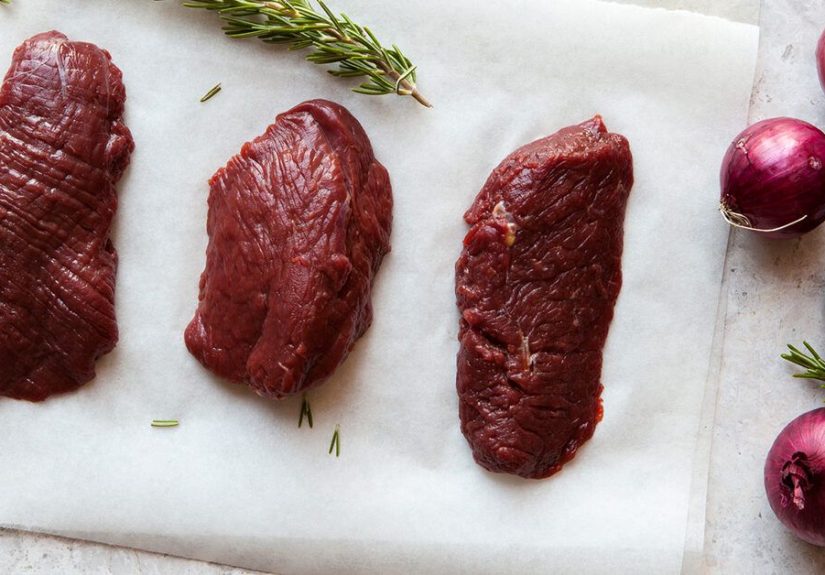
If you have ever stared at a venison steak and wondered whether it is a heart-smart protein or just red meat in a flannel jacket, you are not alone. Venison has a healthy reputation for a reason: it is usually lean, protein-packed, and often lower in fat than many common cuts of beef. But when the conversation turns to cholesterol, things get a little more interesting. Deer meat is not a magical loophole that lets cholesterol concerns vanish into the forest.
So, is venison high in cholesterol? The most honest answer is this: venison is not low-cholesterol enough to ignore portion size, but it is often a better pick than fattier red meats because it is typically lower in total fat and saturated fat. And when it comes to blood cholesterol, saturated fat usually matters more than most people think. In other words, deer meat is not the villain of the dinner plate, but it is not wearing a superhero cape either.
The Short Answer: Is Venison High in Cholesterol?
Venison contains cholesterol, and the amount can range from moderate to fairly high depending on the cut, whether the meat is raw or cooked, and which nutrient database you check. Published U.S. comparisons have shown that venison can land in roughly the same cholesterol neighborhood as beef or pork, while still coming in much leaner overall.
That is the key nuance many articles miss. People often assume that because venison is lean, it must also be dramatically low in cholesterol. Not necessarily. In one Penn State comparison of wild game, game meat was described as having about the same cholesterol as beef or pork, though considerably less fat. Another USDA-backed analysis of alternate red meats found that cooked deer was lower in total fat and saturated fat than cooked beef, but the cholesterol number itself was not automatically tiny.
Translation: if your only question is, “Does venison have cholesterol?” the answer is yes. If your real question is, “Is venison a smarter choice than a fatty burger?” the answer is often yes again, especially when you choose a lean cut and cook it without turning it into a butter bath.
How Much Cholesterol Is in Venison?
There is no single number that covers every venison chop, roast, steak, and ground blend in America. Deer is wild in many cases, cuts vary, and preparation changes the nutrition profile. Still, published values give a useful range.
Some U.S. comparisons place venison at roughly 60 to 100-plus milligrams of cholesterol per 100 grams, depending on the source and the cut. Older Penn State data listed raw mule deer at about 85 milligrams per 100 grams and white-tailed deer at 113 milligrams per 100 grams, while a USDA-related alternate red meat analysis placed cooked deer at 98 milligrams per 100 grams. Other lean venison loin listings come in lower than that. The lesson is not to obsess over a single number. The lesson is that venison is not cholesterol-free, and the exact amount depends on what you are actually eating.
A normal serving matters, too. Three ounces of cooked meat is not a steakhouse slab the size of a laptop. It is closer to a deck of cards. Once portions start creeping up, cholesterol and saturated fat totals creep up with them. Funny how that works. The meat did not betray you; the serving spoon got ambitious.
Why Venison Still Gets a “Healthy” Reputation
Venison earns its reputation mostly because it is lean. Compared with many common beef cuts, deer meat often contains less total fat and less saturated fat while delivering plenty of protein, iron, zinc, and B vitamins. In the USDA alternate red meat analysis, cooked deer provided strong protein and iron while staying lower in fat and saturated fat than cooked beef.
That matters because saturated fat has a stronger effect on LDL, the so-called “bad” cholesterol, than many people realize. Major U.S. heart-health sources consistently say that diets high in saturated fat can raise LDL cholesterol. So, even if venison contains cholesterol, it may still fit better into a cholesterol-conscious eating plan than fattier meats that bring more saturated fat to the table.
Venison is also rich in high-quality protein, which helps with fullness, muscle maintenance, and overall nutrition. It usually offers a lot of nutrition without dragging in a massive calorie bill. That makes it appealing for people who want a nutrient-dense protein that feels hearty without being greasy enough to leave fingerprints on the plate for three business days.
Dietary Cholesterol vs. Blood Cholesterol: The Important Distinction
This is where the topic gets smarter and less dramatic. Dietary cholesterol is the cholesterol found in food. Blood cholesterol is what shows up on your lab results. They are related, but they are not the same thing.
According to major U.S. health organizations, the bigger dietary driver of high LDL cholesterol is often saturated fat, not dietary cholesterol alone. Harvard, the American Heart Association, NHLBI, Mayo Clinic, and MedlinePlus all emphasize this point in different ways. That does not mean dietary cholesterol is meaningless. It means you should not look at venison in isolation and ignore the rest of your diet.
For example, a modest serving of grilled venison with roasted vegetables and beans is a very different cholesterol story from a plate of venison sausage, fried potatoes, buttery biscuits, and a dessert that appears to have been designed by a sugar lobbyist. Same animal, very different outcome.
What Makes Venison Better or Worse for Cholesterol?
1. The cut matters
Lean cuts such as loin, backstrap, and round are usually your best bet. Ground venison can also be a good option, but only if you know what is in it. Some ground venison products are mixed with pork or beef fat for flavor and texture. That changes the nutrition picture fast.
2. Preparation matters
Venison cooked with olive oil, herbs, garlic, and a sensible side dish is one thing. Venison smothered in cream sauce, wrapped in bacon, or blended into high-fat sausage is another. The deer did not add the bacon. That was a human decision, and a deliciously chaotic one.
3. Portion size matters
Even lean meat adds up when the portion grows. If you are actively trying to lower cholesterol, keeping servings moderate is one of the simplest ways to stay on track without giving up foods you enjoy.
4. Organ meats are a different story
If you eat deer liver, heart, or other organ meats, cholesterol becomes a much bigger issue. Organ meats are highly nutritious, but U.S. health sources note that they can also be very high in cholesterol and saturated fat. Older Penn State data on wild game organ meats showed especially high cholesterol values for heart and liver. So if your goal is heart-friendly eating, muscle meat is the easier choice.
Is Venison Better Than Beef for High Cholesterol?
Often, yes, but not automatically in every situation.
Venison is usually a better choice than fattier beef cuts because it tends to be lower in fat and saturated fat while still providing plenty of protein and minerals. That makes it a useful swap for people trying to eat leaner. But if you compare very lean beef to a richer or processed venison product, the gap gets smaller.
So the better question is not, “Is venison healthier than beef?” The better question is, “Which cut, how much, and how was it prepared?” Nutrition loves details. Blanket statements are fun at parties, but they are not always helpful in the kitchen.
Can You Eat Venison If You Have High Cholesterol?
In many cases, yes. Venison can fit into a cholesterol-conscious diet, especially if you choose lean cuts, avoid added animal fat, and keep the rest of your eating pattern heart-friendly. If your doctor or dietitian has told you to cut back on saturated fat, venison may be a more practical choice than fattier red meats.
That said, if you already have high LDL cholesterol, familial hypercholesterolemia, heart disease, diabetes, or another condition that makes lipid management important, do not treat venison as a free pass. It is still animal protein with cholesterol. Build meals around vegetables, beans, whole grains, nuts, fruit, and healthy fats, then let venison play a supporting role instead of stealing the entire show.
Some U.S. guidance for people actively trying to lower cholesterol also suggests limiting foods high in cholesterol and increasing soluble fiber. That means foods like oats, beans, lentils, apples, citrus, and barley can help balance your overall eating pattern. Pairing venison with fiber-rich foods is a much smarter move than pairing it with a pile of saturated fat and hoping your lab work appreciates the effort.
How to Make Venison More Heart-Friendly
If you want the flavor of venison without making your cholesterol numbers roll their eyes, here are practical ways to cook and serve it:
Choose lean cuts first. Loin, round, and backstrap are typically better options than fatty processed products.
Watch the grind. Ask whether ground venison contains added pork or beef fat. “Ground venison” sounds wonderfully rugged, but the blend matters.
Cook with unsaturated fats. Use olive oil or canola oil instead of butter or lard.
Skip the cholesterol trap toppings. Heavy cheese sauces, bacon wraps, and cream-based finishes can turn a lean protein into a heart-health plot twist.
Pair it with soluble fiber. Think lentils, beans, oats, roasted vegetables, or a hearty barley salad.
Keep portions sane. A moderate serving is plenty. You do not need a meat mountain to prove your frontier spirit.
What About Wild-Harvested Venison Safety?
Nutrition is only part of the conversation. If your venison is wild-harvested, food safety matters too. USDA and CDC guidance emphasizes safe handling, avoiding animals that appear sick, using gloves while field-dressing, avoiding brain and spinal tissue, and following local guidance related to chronic wasting disease where applicable.
Cooking also matters. Whole cuts of red meat are generally safest when cooked to the recommended internal temperature and allowed to rest appropriately, and using a food thermometer is much smarter than guessing by color. Venison is lean and easy to overcook, but undercooked guesswork is not exactly a culinary flex.
Final Verdict: Is Venison High in Cholesterol?
Venison is not low enough in cholesterol to call it a free food, but it is often a smart protein choice because it is typically leaner and lower in saturated fat than many conventional red meats. And for most people worried about LDL cholesterol, saturated fat and overall dietary pattern deserve just as much attention, if not more, than the cholesterol number on venison alone.
If you enjoy venison, the practical takeaway is simple: choose lean cuts, cook them simply, skip high-fat add-ons, keep portions moderate, and pair the meat with fiber-rich foods. Done that way, venison can absolutely fit into a heart-conscious diet without making dinner feel like punishment.
So yes, venison contains cholesterol. No, it is not the nutritional equivalent of a celery stick wearing camouflage. But compared with many richer meats, it can be a pretty solid middle ground: flavorful, satisfying, nutrient-dense, and easier on saturated fat than a lot of standard red meat choices.
Everyday Experiences With Venison and Cholesterol Concerns
In real life, cholesterol questions about venison usually do not start in a doctor’s office. They start in kitchens, garages, hunting camps, family freezers, and text threads that say things like, “Hey, is deer meat actually healthy or are we just saying that because Uncle Mike harvested it himself?” That is what makes this topic so practical. Venison is not just a food label debate. It is often tied to tradition, identity, convenience, and what happens to be thawing on the counter.
One common experience is that people switch from beef to venison and immediately notice how much leaner it tastes. Venison does not coat your mouth the way a fatty ribeye does. That is not a flaw; it is the clue. The meat is usually carrying less fat, which is one reason many people feel better about putting it into chili, tacos, burgers, or weeknight skillet meals. But then comes the second experience: they overcook it. Because venison is lean, it can go from tender to “why does this taste like a hiking boot with seasoning” very quickly. That leads some people to assume venison is naturally tough, when the real issue is often cooking style, not the meat itself.
Another very real experience happens with ground venison. People think they are making the ultimate healthy swap, then discover the grind contains added pork fat or gets turned into sausage. Suddenly the cholesterol-friendly image gets blurrier. This does not make the meal bad, but it does remind people that food is more than the main ingredient. A venison burger mixed with animal fat, topped with bacon, covered in cheese, and served with fries is still a rich meal. Calling it “game” does not magically make your plate start doing cardio.
Many cholesterol-conscious eaters also notice that their bloodwork does not change because of one single swap alone. Replacing fatty beef with venison can help, but lab results usually reflect the whole pattern: how often someone eats processed meat, how much fiber they get, whether vegetables show up regularly, what cooking fats they use, and whether portion sizes are modest or heroic. In practice, venison works best when it is part of a smarter routine, not when it is used as a nutritional alibi.
There is also the family factor. In households where venison is a staple, people often appreciate that it can be both economical and nutrient-dense. A freezer full of deer meat can translate into months of protein for stews, stir-fries, soups, and roasts. For people trying to eat well without spending heavily on premium cuts of store-bought meat, that is a meaningful experience. The healthiest outcomes usually happen when those meals stay simple: grilled venison, roasted vegetables, beans, potatoes, whole grains, and seasonings that add flavor without a parade of saturated fat. That is where venison tends to shine best. Not as a miracle cure, not as a scary cholesterol bomb, but as a solid, useful protein that behaves well when the rest of the plate behaves well, too.