Table of Contents >> Show >> Hide
- What Is Pane Criminale?
- Why This Pane Criminale Garlic Bread Recipe Works
- Ingredients You’ll Need
- How to Make Pane Criminale Garlic Bread
- Pane Criminale Garlic Bread Recipe Card
- Best Bread for Pane Criminale
- Easy Variations
- Common Mistakes to Avoid
- What to Serve With Pane Criminale Garlic Bread
- Storage and Reheating Tips
- Why People Fall Hard for This Garlic Bread
- The Experience of Making Pane Criminale Garlic Bread
If regular garlic bread is a lovable sidekick, Pane Criminale is the main character who kicks the door open, smells like browned butter, and steals everybody’s attention before the pasta even hits the table. This style of garlic bread is all about getting flavor deep into the loaf instead of letting it sit politely on top like it’s afraid to commit. The result is a crusty, buttery, deeply garlicky pull-apart bread with crisp edges, soft centers, and enough personality to make plain dinner rolls feel underdressed.
This recipe leans into what makes Pane Criminale so memorable: lots of garlic, plenty of butter, fresh herbs, a shower of Parmesan, and a scoring method that lets every slice soak up the good stuff. Think of it as garlic bread with ambition. It is rich without being greasy, dramatic without being difficult, and ideal for pasta night, soup night, holiday spreads, or the kind of Tuesday when you want your kitchen to smell like an Italian-American restaurant that knows how to flirt.
What Is Pane Criminale?
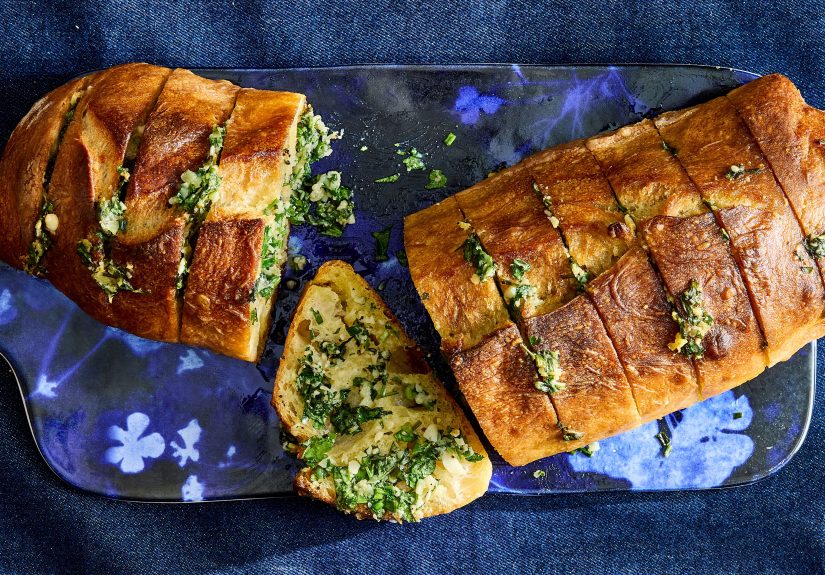
Pane Criminale is the kind of garlic bread that feels almost unfairly delicious. Instead of splitting a loaf in half and spreading butter across the surface, you cut deep vertical slices into the bread without going all the way through. That creates little pockets where the garlic butter can slip into every bite. In other words, it solves one of the great heartbreaks of ordinary garlic bread: bland interior bread hiding under a flashy top layer.
The best version has contrast. You want a sturdy crust, a tender crumb, real garlic flavor, fresh herbs for brightness, and enough cheese to bring salty depth without turning the whole thing into a mozzarella traffic jam. Pane Criminale is not subtle. That is the point.
Why This Pane Criminale Garlic Bread Recipe Works
1. It builds garlic flavor in layers
Fresh garlic brings punch, but garlic can also turn bitter when it cooks too hard or sits in large raw chunks. This recipe softens most of the garlic gently in olive oil and butter, then adds a little finely grated fresh garlic at the end for extra lift. The flavor lands somewhere between mellow, sweet, sharp, and outrageously savory.
2. It gets butter inside the loaf
Deep slices transform the bread into a flavor delivery system. Instead of brushing the top and hoping for the best, you tuck the butter down into the loaf so the inside tastes just as good as the crusty edges. That is the entire magic trick, and luckily it requires no magician license.
3. It balances richness with freshness
Butter and Parmesan bring the cozy, indulgent part of the story. Parsley, basil, or chives keep it from feeling heavy. A tiny pinch of red pepper flakes or black pepper wakes everything up. A little salt sharpens the flavor. Suddenly you are not eating “just bread.” You are eating an event.
Ingredients You’ll Need
For the bread
- 1 large rustic country loaf, sourdough boule, or Italian bread loaf
- Choose bread with a sturdy crust and a soft but not squishy interior
For the garlic butter
- 10 garlic cloves, divided
- 2 tablespoons extra-virgin olive oil
- 8 tablespoons unsalted butter, softened
- 1 cup finely chopped parsley, basil, chives, or a mix
- 1/3 heaping cup finely grated Parmesan cheese
- 1 teaspoon garlic powder
- 1/2 teaspoon kosher salt, plus more to taste
- 1/4 teaspoon black pepper
- Pinch of red pepper flakes, optional but highly recommended for people who like their garlic bread with a little attitude
Optional finishing touches
- Extra Parmesan
- More chopped herbs
- A tiny squeeze of lemon for brightness
How to Make Pane Criminale Garlic Bread
Step 1: Prep the oven and the garlic
Preheat your oven to 400°F. Mince 8 garlic cloves. Finely grate or mash the remaining 2 cloves and set them aside. The cooked garlic will give you sweetness and body; the fresh garlic will add that unmistakable garlic-bread swagger.
Step 2: Gently cook the minced garlic
Place a small saucepan over medium-low heat. Add the olive oil and minced garlic. Cook gently for about 5 to 7 minutes, stirring often, until the garlic is soft and fragrant. Do not let it brown. Browned garlic can be delicious in the right setting, but here it can turn from seductive to bitter faster than a reality-show romance. Let the mixture cool slightly.
Step 3: Make the butter mixture
In a medium bowl, combine the softened butter, cooled garlic-oil mixture, grated fresh garlic, chopped herbs, Parmesan, garlic powder, salt, black pepper, and red pepper flakes if using. Stir until everything is evenly mixed. It should smell so good that you briefly consider skipping the bread and eating it with a spoon. Stay strong.
Step 4: Score the bread the right way
Set the loaf on a cutting board. Cut deep vertical slices about 1 inch apart, but do not cut all the way through the bottom. You want the loaf to stay intact. Use a small offset spatula, butter knife, or your clean fingers to spread the garlic butter down one side of each cut, reaching as far into the loaf as possible.
Step 5: Wrap and bake
Wrap the loaf loosely in foil and place it on a sheet pan. Bake for 15 to 20 minutes, until the butter is melted and the loaf is hot all the way through. The foil keeps the bread from drying out while giving the butter time to seep into the crumb.
Step 6: Unwrap and crisp
Open the foil and bake for another 5 to 8 minutes, or broil briefly for 1 to 2 minutes, until the edges turn crisp and golden. Watch closely. Garlic bread under the broiler has the emotional stability of a toddler with a drum set. It can go from perfect to tragic in a flash.
Step 7: Finish and serve
Sprinkle with extra Parmesan and herbs if you like. Serve warm while the crust is crisp and the middle is soft. Pull apart at the table and accept compliments with dignity.
Pane Criminale Garlic Bread Recipe Card
Yield: 6 to 8 servings
Prep Time: 15 minutes
Cook Time: 20 to 28 minutes
Total Time: About 40 minutes
- Preheat oven to 400°F.
- Mince 8 garlic cloves and grate 2 garlic cloves.
- Cook minced garlic gently in olive oil over medium-low heat for 5 to 7 minutes until soft but not browned.
- Mix softened butter, cooked garlic and oil, grated garlic, herbs, Parmesan, garlic powder, salt, pepper, and red pepper flakes.
- Cut deep 1-inch slices into the loaf without cutting through the bottom.
- Spread garlic butter deep into each slice.
- Wrap in foil and bake 15 to 20 minutes.
- Open foil and bake 5 to 8 minutes more, or broil 1 to 2 minutes for crisp edges.
- Finish with extra Parmesan and herbs. Serve warm.
Best Bread for Pane Criminale
The bread matters. A crusty country loaf is ideal because it can hold a generous amount of butter without collapsing into sadness. Sourdough works beautifully if you want a little tang. Italian bread is a reliable crowd-pleaser. Baguettes also work, especially for smaller portions, though they give you more crust and slightly less soft interior. Avoid ultra-soft sandwich loaves. They absorb butter like a sponge and then lose all structural self-respect.
Easy Variations
Cheesy Pane Criminale
Add shredded mozzarella between a few slices for extra melt. Do not overdo it, or you will drift into cheese-pull spectacle territory and lose the garlic-bread soul of the dish.
Roasted Garlic Version
If you want a sweeter, softer garlic flavor, roast a whole head of garlic and mash the cloves into the butter. It gives the bread a deeper, nuttier flavor that feels slightly fancier, as if the loaf got dressed up for company.
Spicy Version
Add more red pepper flakes or a spoonful of Calabrian chile paste to the butter for a fiery finish. Garlic and heat are old friends and terrible influences on portion control.
Herb Swap
Parsley is classic, but basil, chives, oregano, or a combination all work. Fresh herbs add brightness that keeps the bread from tasting one-note.
Common Mistakes to Avoid
- Browning the garlic too much: Burnt garlic tastes harsh. Keep the heat gentle.
- Using cold butter: Softened butter mixes better and spreads more evenly.
- Not cutting deep enough: Shallow cuts leave the flavor sitting on the surface.
- Using flimsy bread: Soft loaves can turn soggy.
- Skipping the crisping step: The foil stage melts and warms; the final uncovered bake creates texture.
What to Serve With Pane Criminale Garlic Bread
This bread loves company. Serve it with spaghetti and meatballs, baked ziti, lasagna, creamy tomato soup, roasted chicken, or a big salad with sharp vinaigrette. It also works as party food. Tear it into pieces and put it in the center of the table next to marinated olives, burrata, roasted vegetables, and a bowl of warm marinara. It disappears fast, which is either a compliment or a logistical problem depending on how many guests you invited.
Storage and Reheating Tips
If you somehow have leftovers, wrap them well and refrigerate for up to 2 days. Reheat uncovered in a 350°F oven for 8 to 10 minutes until warmed through and crisp again. Avoid the microwave unless your goal is to create soft, steamy garlic bread that tastes fine but looks like it has given up.
You can also assemble the loaf ahead of time, wrap it, and refrigerate it for up to 1 day before baking. Let it sit at room temperature for about 20 to 30 minutes before it goes into the oven.
Why People Fall Hard for This Garlic Bread
Pane Criminale works because it feels both rustic and dramatic. It is easy enough for weeknight cooking, but it lands like party food. It has the buttery nostalgia of old-school garlic bread with a smarter structure and a more luxurious flavor payoff. Every slice has crisp edges, soft interior, herbs, cheese, and garlic built right in. There are no boring bites. That is a small miracle in carb form.
The Experience of Making Pane Criminale Garlic Bread
There is something deeply satisfying about making a loaf like this, and not just because your kitchen ends up smelling like a dream sequence directed by butter. Pane Criminale has a way of turning a normal cooking session into a small event. The moment you start slicing into the loaf and packing those cuts with garlic butter, it feels less like a side dish and more like a little edible ceremony. You are not just making bread. You are making the thing people will hover near in the kitchen pretending they are “just checking in.”
One of the best things about this recipe is how it changes the mood in a room. If you bring out a basket of plain bread, people nod politely. If you bring out Pane Criminale, people stop mid-conversation. There is usually a pause, followed by somebody saying, “Wait, what is that?” Then another person reaches for a piece before you even sit down. It is a very democratic kind of luxury. It does not ask for fancy plating, rare ingredients, or chef-level knife work. It just shows up golden, fragrant, and impossible to ignore.
It is also a great recipe for cooks who love feedback, because the feedback is immediate and enthusiastic. You hear it when the loaf lands on the table. You see it when people tear off “just one piece” and then circle back for two more. You feel it when dinner somehow turns into a conversation about everybody’s favorite restaurant garlic bread, favorite pasta night, or the weirdly emotional power of warm bread in general. Pane Criminale is not just food. It is social glue with Parmesan on top.
There is a nostalgia factor too. Garlic bread has a way of connecting people to family dinners, red-sauce restaurants, holiday tables, and casual meals that felt bigger than they were. This version keeps that comfort but sharpens it. It is familiar enough to feel cozy, yet bold enough to feel new. That combination is hard to beat. It is why the loaf works for both weeknights and celebrations. It can sit next to a tray of baked pasta at Christmas or beside a bowl of soup on a rainy Tuesday and somehow feel perfectly placed in both scenes.
And then there is the cook’s private reward: the smell. Before the loaf even comes out of the oven, the whole kitchen changes. The butter warms, the herbs bloom, the garlic mellows, the Parmesan toasts, and suddenly the room feels friendlier. Even people who claimed they were “not that hungry yet” start wandering in. The bread practically announces itself. It is one of those recipes that makes home cooking feel generous, theatrical, and a little mischievous in the best possible way.
Maybe that is why the name fits so well. This is “criminal” bread because it breaks the rules of moderation. It is excessive, but in a joyful way. It gives you permission to make the side dish the star. It reminds you that cooking does not always need to be restrained to be good. Sometimes the smartest move in the kitchen is to lean all the way in, add the extra herb, tuck more butter into the slice, and serve the loaf while it is still too hot to handle properly. Because once you make Pane Criminale well, ordinary garlic bread starts to feel like it is only filling out the paperwork.