Table of Contents >> Show >> Hide
- Velcade dosage at a glance
- What forms and strengths does Velcade come in?
- How is Velcade given?
- What is the usual Velcade dosage?
- What factors can change a Velcade dose?
- What are common side effects that may influence dosage?
- What if a dose is missed or delayed?
- Real-world experiences with Velcade dosage: what treatment often feels like
- Bottom line
- SEO tags
Velcade dosage is one of those topics that sounds simple until you realize it is absolutely not a “take two and call me in the morning” situation. Velcade (bortezomib) is a cancer medicine used in adults with multiple myeloma and mantle cell lymphoma, and its dose is usually tailored to body size, treatment plan, and how well a person tolerates therapy. In other words, this drug does not do “one-size-fits-all.”
If you were hoping Velcade came as a neat little pill bottle with a cheerful label and zero math, I regret to inform you that oncology had other plans. Velcade is an injection-only medication, and the exact amount a person receives is calculated carefully by the treatment team. The schedule can also change depending on whether the drug is being used for newly diagnosed disease, relapsed disease, or as part of a combination regimen.
This guide breaks down Velcade dosage in plain English: the form it comes in, its strength, how it is given, what typical schedules look like, and why two people taking the same drug may not receive the same dose. It also covers the practical, real-world experience of how dosing decisions often play out during treatment.
Important: This article is for educational purposes only and does not replace your oncologist’s instructions. With Velcade, the exact dose and schedule should always come from the prescribing clinician.
Velcade dosage at a glance
Here is the quick version before we zoom in:
- Drug name: Velcade (bortezomib)
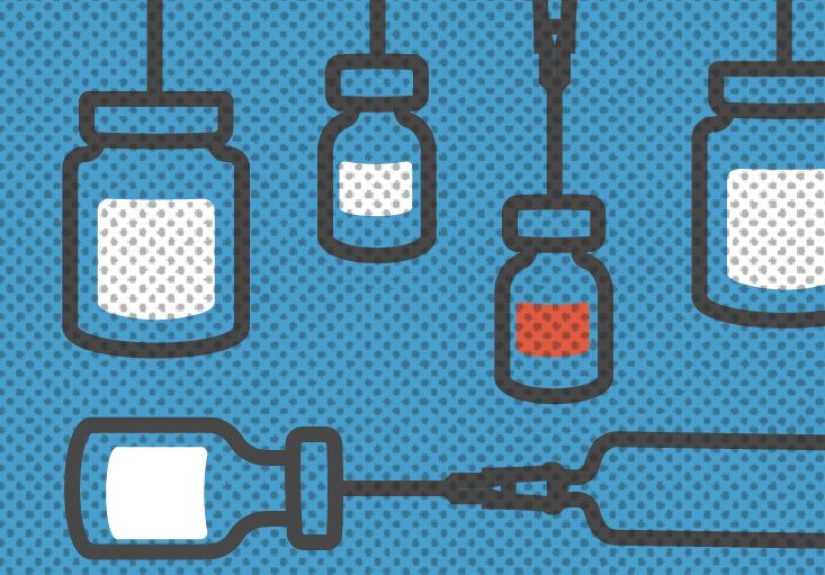
- Drug form: single-dose vial of powder for injection
- Strength: 3.5 mg per vial
- How it is given: subcutaneous injection or intravenous injection, depending on the regimen
- Typical starting dose: 1.3 mg/m2
- Dose changes: may be reduced, delayed, or stopped if side effects develop
The key thing to understand is that Velcade dosage is usually described in mg per square meter of body surface area, not as a fixed amount for everyone. That is why one patient may hear “1.3 mg/m2” rather than “take 3.5 mg.” The vial strength tells the pharmacy what is available to prepare, while the prescribed dose tells the team how much of that prepared medication to actually give.
What forms and strengths does Velcade come in?
Velcade itself comes in one main brand-name dosage form: a single-dose vial containing 3.5 mg of bortezomib as a lyophilized powder. That powder is reconstituted before administration. So while the treatment schedule may sound complex, the product presentation is surprisingly straightforward. No rainbow assortment of capsules. No “extra strength” box. Just one vial strength and a lot of careful calculation.
That does not mean every patient gets 3.5 mg. Far from it. The dose drawn from the vial depends on the prescribed mg/m2 dose and the patient’s body surface area. In plain terms, the vial contains more medication than many patients will receive in a single treatment.
Why the concentration matters
Velcade can be prepared differently depending on how it will be given:
- Intravenous (IV) administration: reconstituted to a concentration of 1 mg/mL
- Subcutaneous (under-the-skin) administration: reconstituted to a concentration of 2.5 mg/mL
That difference matters because the volume given is not the same for the two routes. The healthcare team must calculate the correct volume based on both the prescribed dose and the route of administration. This is one reason Velcade is handled in a clinic or infusion setting instead of at home on the kitchen counter next to the cereal.
How is Velcade given?
Velcade is given by a healthcare professional, usually in a medical office, oncology clinic, or infusion center. It is not a self-injected home medication in the usual sense.
The drug may be given in two main ways:
1. Subcutaneous injection
This means the medicine is injected under the skin, usually in the abdomen or thigh. Injection sites are rotated, and new injections should be given at least an inch away from the previous site. Areas that are bruised, tender, red, or hardened are generally avoided.
Subcutaneous dosing is often preferred in practice because it is convenient and, in studies, has been associated with a lower rate of peripheral neuropathy than IV administration. That is a big deal because nerve-related side effects can become one of the main reasons a dose gets adjusted.
2. Intravenous injection
Velcade may also be given into a vein as a short IV bolus injection, typically over about 3 to 5 seconds. Some regimens in the prescribing information, including the VcR-CAP regimen for previously untreated mantle cell lymphoma, describe IV administration specifically.
One route is not automatically “better” for every patient. The decision depends on the cancer type, the treatment plan, prior side effects, vein access, neuropathy risk, and the oncologist’s judgment.
Very important: Velcade is for subcutaneous or intravenous use only. It must never be given intrathecally.
What is the usual Velcade dosage?
The recommended starting dose of Velcade is commonly 1.3 mg/m2. But the schedule around that dose can vary a lot.
Think of the dose as the “how much” and the schedule as the “when.” With Velcade, both parts matter.
Common schedule for relapsed multiple myeloma or relapsed mantle cell lymphoma
One standard schedule is:
- Days 1, 4, 8, and 11
- Then a 10-day rest period from Days 12 to 21
That creates a 21-day cycle. If treatment continues beyond eight cycles, some patients with relapsed multiple myeloma may move to a less intense maintenance-style schedule of once weekly for four weeks, followed by a rest period.
Common schedule for previously untreated multiple myeloma
When Velcade is used with melphalan and prednisone, the official schedule is more elaborate:
- Cycles 1 to 4: twice weekly on Days 1, 4, 8, 11, 22, 25, 29, and 32
- Cycles 5 to 9: once weekly on Days 1, 8, 22, and 29
These are six-week cycles, which is one reason patients sometimes feel like they need a whiteboard, a calendar app, and maybe a small marching band just to keep track of treatment days.
Common schedule for previously untreated mantle cell lymphoma
For previously untreated mantle cell lymphoma, Velcade may be used with rituximab, cyclophosphamide, doxorubicin, and prednisone in a regimen called VcR-CAP. In that setup, Velcade is typically given on:
- Days 1, 4, 8, and 11 of a 21-day cycle
- Followed by a rest period
This regimen is typically given for six cycles, with two additional cycles recommended if the first response is documented at cycle six.
The 72-hour rule
One of the most important timing rules with Velcade is that at least 72 hours should pass between consecutive doses. That spacing helps reduce toxicity risk and gives the body some time to recover between treatments.
What factors can change a Velcade dose?
This is where Velcade stops being a simple number and starts behaving like a living, breathing treatment plan.
Body surface area
Because dosing is often based on mg/m2, body size matters. The oncology team calculates body surface area using height and weight, then uses that number to determine the actual amount of drug.
Peripheral neuropathy
Peripheral neuropathy, which can cause numbness, tingling, burning, or pain in the hands and feet, is one of the best-known reasons Velcade doses get adjusted.
General dose-modification patterns in the prescribing information include:
- Grade 1 without pain: usually no action
- Grade 1 with pain or Grade 2: reduce to 1 mg/m2
- Grade 2 with pain or Grade 3: hold treatment until symptoms improve, then restart at 0.7 mg/m2 once weekly
- Grade 4: discontinue treatment
This is a great example of how cancer treatment works in real life: the “right dose” is not just the one on paper, but the one a patient can actually tolerate.
Hepatic impairment
Patients with mild hepatic impairment generally do not need a starting dose adjustment. But for moderate or severe hepatic impairment, the label recommends starting at 0.7 mg/m2 during the first cycle, then adjusting up or down depending on tolerance.
Renal impairment and dialysis
No starting dose adjustment is generally recommended for renal impairment. However, for patients on dialysis, Velcade should be given after the dialysis procedure.
Other side effects or low blood counts
Velcade can also be held or reduced for serious blood count problems or other significant side effects. These may include thrombocytopenia, neutropenia, GI side effects, low blood pressure, or signs of organ toxicity. If treatment is paused, it may be restarted later at a lower dose if symptoms improve.
What are common side effects that may influence dosage?
Commonly reported side effects include nausea, diarrhea, constipation, fatigue, low blood counts, and peripheral neuropathy. In practice, the side effects most likely to affect dosage decisions are usually:
- nerve symptoms such as tingling, numbness, or burning pain
- platelet drops or other blood count changes
- dehydration from vomiting or diarrhea
- dizziness or low blood pressure
- liver-related concerns
That is why patients often have regular labs and symptom check-ins during treatment. Velcade dosing is not just about showing up and getting an injection. It is about showing up, getting assessed, and then confirming the plan is still appropriate that day.
What if a dose is missed or delayed?
With Velcade, missed doses are not something patients should try to “make up” on their own. Because the medication is clinic-administered, the oncology team usually decides whether to reschedule, skip, reduce, or delay a dose. The decision depends on why the dose was missed in the first place.
Sometimes the reason is practical, like illness or a scheduling conflict. Other times, the reason is clinical, like neuropathy, infection, low blood counts, or dehydration. Either way, the timing of the next dose should come from the treatment team, not from creative calendar guesswork.
Real-world experiences with Velcade dosage: what treatment often feels like
Reading the official dosing schedule is one thing. Living with it is another. In real life, the Velcade dosage experience often feels less like following a recipe and more like managing a carefully choreographed routine that can change from week to week.
For many patients, the first surprise is that Velcade is not a medication they “take” at home the way they might take a blood pressure pill or an antibiotic. Instead, treatment becomes part of the weekly calendar. There are appointment days, lab days, check-in days, and days when you feel fine until suddenly your body would like to file a strongly worded complaint. The dose on paper may say 1.3 mg/m2, but the experience of that dose depends on what else is going on with the body.
Another common experience is learning that dose adjustments are not a sign of failure. Patients sometimes hear “we’re reducing the dose” and assume that means the treatment is no longer working well enough. In practice, dose reductions are often part of smart cancer care. If neuropathy starts creeping in, or if blood counts dip, or if the GI side effects become too intense, the team may lower the dose or spread treatments farther apart to help the patient stay on therapy more safely.
Patients who receive subcutaneous injections often describe treatment as quicker and simpler than they expected. The shot itself is brief, but the lead-up may still involve lab work, symptom review, and waiting for the green light from the oncology team. Some people notice mild soreness or a temporary skin reaction at the injection site, especially if they are getting repeated doses over time. Rotating sites matters more than it might seem at first.
Those getting IV dosing may find the actual injection surprisingly short, but the clinic visit can still take a while depending on the overall regimen. Velcade is often given with other medications, and that combination can shape the day more than Velcade alone. In other words, the drug may enter quickly, but the treatment routine still has “pack snacks and charge your phone” energy.
Many patients also become unexpectedly fluent in side-effect vocabulary. Words like neuropathy, thrombocytopenia, hydration, and prophylaxis begin to sound less like textbook jargon and more like recurring characters in a long-running drama. Tingling in the fingers? Mention it. Burning feet? Mention it. Dizziness when standing up? Definitely mention it. With Velcade, small symptoms can matter because they may signal that the dose needs to be adjusted before a bigger problem develops.
Caregivers often play a big role in the dosage experience too. They may help track appointments, watch for side effects, encourage fluid intake, or notice subtle changes a patient is too tired to describe. That support can make a real difference, especially during longer treatment cycles.
The bottom line is that Velcade dosage is rarely a static number from start to finish. It is a moving plan shaped by safety, response, and tolerability. That can feel frustrating at times, but it is also part of what makes modern cancer care more personalized and more careful than simply pushing ahead no matter what.
Bottom line
Velcade dosage is individualized, route-specific, and closely monitored. The brand-name drug comes as a 3.5 mg single-dose vial, but the amount a patient receives is usually based on 1.3 mg/m2 to start, with changes made for side effects, liver function, treatment response, and regimen type.
Velcade may be given subcutaneously or intravenously, and it is often part of a broader treatment plan rather than a stand-alone therapy. Some schedules are twice weekly, some become weekly, and some involve combination regimens that look like they were designed by people who really enjoy spreadsheets.
Still, the big takeaway is simple: Velcade dosing is precise for a reason. The goal is to deliver an effective amount of treatment while protecting the patient as much as possible from avoidable toxicity. If you or someone you love is receiving Velcade, the best source for the exact dose and schedule is the oncology team managing that care.