Table of Contents >> Show >> Hide
- What Counts as a Detox Diet or Cleanse?
- How Your Body Actually Detoxes Itself
- What the Research Really Says
- Why Detoxes Can Seem Like They Work
- The Risks Detox Brands Prefer to Whisper About
- Who Should Be Especially Careful?
- What Actually Helps Your Body’s Detox Systems?
- So, Do Detox Diets and Cleanses Really Work?
- Common Experiences People Report With Detox Diets and Cleanses
- Conclusion
Detox diets and cleanses have incredible marketing. They promise to “flush toxins,” flatten your stomach, reset your metabolism, brighten your skin, improve your energy, and possibly turn you into the kind of person who suddenly enjoys wheatgrass shots at sunrise. It is a compelling pitch. It is also, in most cases, a deeply oversold one.
The short answer is this: most detox diets and cleanses do not do what they claim. Your body already has a built-in detox system, and it has been working without a juice subscription for your entire life. That system includes your liver, kidneys, digestive tract, lungs, and skin. When these organs are healthy, they remove waste and process potentially harmful substances around the clock. A trendy cleanse does not replace that system, and current evidence does not show that commercial detox plans remove mysterious toxins better than your body already can.
That does not mean every person who tries a cleanse feels absolutely nothing. Some people do feel lighter, less bloated, or more “on track.” But those effects are usually explained by eating fewer ultra-processed foods, drinking less alcohol, paying more attention to meals, and temporarily cutting calories. In other words, the results often come from basic diet changes, not from magical detoxification.
So, do detox diets and cleanses really work? If the promise is “better habits for a few days,” sometimes yes. If the promise is “scientifically proven toxin removal, lasting fat loss, and internal purification,” not really. Let’s unpack why.
What Counts as a Detox Diet or Cleanse?
The word detox gets thrown around so often that it has become nutrition’s version of a mystery box. In everyday marketing, it usually refers to a short-term eating plan designed to “clean out” the body. These plans vary, but most fall into a few familiar categories:
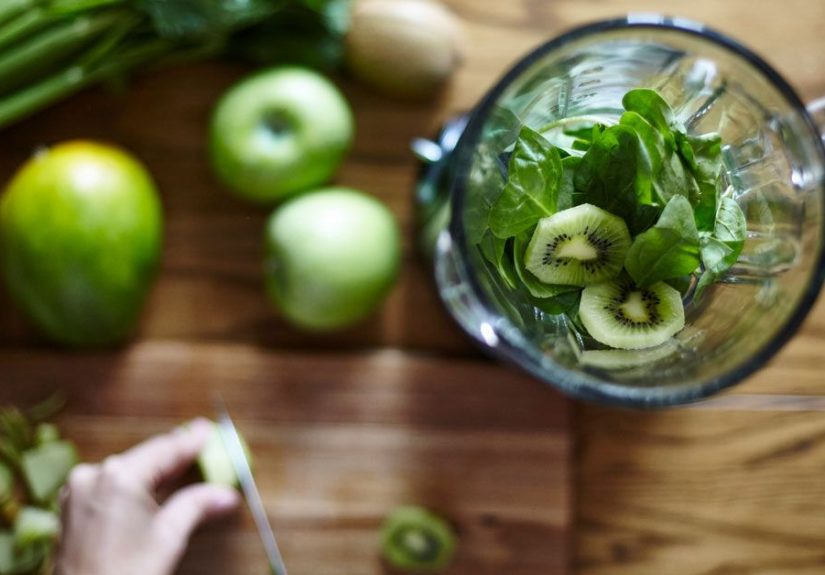
Juice cleanses
These replace meals with fruit and vegetable juices for one or more days. They are often marketed as a way to rest the digestive system while flooding the body with vitamins. The problem is that they are usually low in protein and may not provide enough calories for many people.
Tea, supplement, or powder detoxes
These products often promise to cleanse the liver, colon, kidneys, or entire body. Many contain herbs, laxatives, stimulants, or diuretics. Their labels may sound natural and reassuring, but “natural” is not the same thing as proven or risk-free.
Colon cleanses
These may involve laxatives, enemas, herbal preparations, or colon hydrotherapy. The sales pitch usually revolves around removing waste buildup and improving energy or digestion. The medical reality is much less glamorous: the colon already moves waste out, and extra flushing can come with real risks.
Restrictive detox meal plans
Some detox plans allow only specific foods for several days, such as soups, raw produce, smoothies, or lemon-based drinks. Others ban entire food groups while claiming to “reset” the body. They often feel strict enough to seem effective, which is part of their marketing charm.
How Your Body Actually Detoxes Itself
If detox programs had a rival, it would be basic human physiology. Your body already has a cleanup crew, and it is not waiting for a three-day celery cleanse to clock in.
Your liver is the headliner
Your liver helps process nutrients, metabolize drugs and alcohol, and convert substances into forms your body can use or eliminate. It is constantly handling compounds that need to be changed, neutralized, or removed. That is a real detox system, not a marketing slogan.
Your kidneys are the filtration experts
Your kidneys filter blood, remove wastes through urine, and help maintain the right balance of water, salts, and minerals. If your kidneys are functioning normally, they are already doing the cleansing work people think a pricey detox powder will do for them.
Your digestive tract also plays a role
Your intestines move waste out of the body. Your gut does not need to be “scraped clean” by a dramatic cleanse any more than your kitchen needs to be pressure-washed every morning before you make coffee. Regular bowel function, hydration, and a fiber-rich diet usually do far more for digestive health than an aggressive purge.
This is why many experts are skeptical of detox marketing. The body is not a clogged sink that suddenly starts working only after a branded tea enters the chat.
What the Research Really Says
Here is where the detox fantasy starts to wobble on its kale-stained pedestal. Despite the popularity of detox diets and cleanses, the scientific evidence behind their biggest claims is limited.
Reviews of detox diets have found little convincing proof that these programs remove toxins from the body or lead to meaningful, lasting weight management. Some people do lose weight at first, but that is typically because they are eating very little. When calorie intake drops sharply, the body loses stored glycogen and water along with some scale weight. That early drop can feel dramatic, but it is usually temporary.
Juice cleanses are a good example. If you replace balanced meals with low-calorie liquids, the number on the scale may go down. That does not mean body fat is melting away at supernatural speed. Much of the change may be water weight, a smaller amount of food sitting in the digestive tract, and the simple effect of calorie restriction. Once regular eating resumes, some or all of that weight often returns.
Another problem is that detox brands are often vague about what, exactly, they are removing. Toxins from where? By what mechanism? Measured how? Before-and-after pictures can sell a story, but they are not proof of toxin elimination. In many cases, the language is dramatic while the evidence is suspiciously shy.
To be fair, some people feel better during or after a short reset. But feeling better does not automatically prove a detox is scientifically doing what it claims. If you stop drinking alcohol, cut back on heavy restaurant meals, drink more water, and eat more produce for a week, you may naturally feel less sluggish. That improvement is real. The “detox science” explanation is usually not.
Why Detoxes Can Seem Like They Work
This is the part that makes detoxes so sticky. Even when the science is weak, the experience can still feel convincing.
They often reduce junk food
If someone goes from takeout, late-night snacks, and sugary drinks to smoothies, fruit, vegetables, and more water, they may feel less bloated pretty quickly. That is not proof that toxins were scrubbed from the bloodstream. It may simply mean their diet improved overnight.
They create a sense of control
Many cleanses come with rules, structure, and a clear start and finish. That can feel psychologically powerful. People often like the idea of a reset button, especially after holidays, vacations, or stressful weeks.
They temporarily cut calories
When energy intake drops, the scale often responds fast. Quick changes are rewarding, even if they do not last. Detox marketing depends heavily on that short-term thrill.
The placebo effect is real
If you believe a plan is helping, you may notice positive changes more readily. That does not mean the benefits are imaginary. It means expectations can shape how people interpret their experience.
In other words, detoxes can feel effective without being medically special.
The Risks Detox Brands Prefer to Whisper About
Detox programs are often sold with spa-like language, but some of them come with very un-spa-like side effects.
Dehydration and electrolyte problems
Cleanses that rely on laxatives, enemas, or very low-calorie liquids can lead to fluid loss. That may leave people dizzy, weak, headachy, or lightheaded. In more serious cases, losing too much fluid can disrupt electrolytes, which matter for muscles, nerves, and heart rhythm.
Digestive misery
Cramping, diarrhea, nausea, bloating, and vomiting can all show up during harsh detoxes. Some people interpret these symptoms as proof that the cleanse is “working.” Sometimes it is just your body filing a formal complaint.
Nutrient shortfalls
Many detox plans are low in protein, fat, and total calories. That may be especially tough for active adults, older adults, teens, or anyone with higher nutritional needs. Feeling shaky, tired, cold, or irritable during a cleanse is not uncommon.
Supplement-related harm
Some detox capsules, powders, and herbal blends are marketed as if they are thoroughly vetted. In reality, dietary supplements are regulated differently from prescription drugs, and products are not approved by the FDA before being sold. That matters because labels may not tell the whole story, ingredients can vary, and some products may interact with medications or stress the liver.
Colon cleansing complications
Colon cleanses deserve a special side-eye. They can cause dehydration, cramping, diarrhea, and, in some cases, more serious complications. People with digestive conditions, kidney disease, or certain heart issues may face greater risks. Coffee enemas and other extreme practices are not wellness shortcuts; they are invitations for trouble.
Who Should Be Especially Careful?
Detox diets and cleanses are not a smart experiment for everyone. People who should be especially cautious include:
- Anyone who is pregnant or breastfeeding
- Children and teenagers
- People with diabetes
- People with kidney disease, liver disease, or heart disease
- Anyone with a history of eating disorders
- People taking medications that can interact with herbs or supplements
- People with digestive disorders such as inflammatory bowel disease
If a detox plan involves fasting, laxatives, colon cleansing, or supplements with long ingredient lists and bold promises, it is wise to talk with a healthcare professional first. “Natural” is not a medical clearance stamp.
What Actually Helps Your Body’s Detox Systems?
If you want to support your body’s natural detox processes, the advice is refreshingly unglamorous. It will not fit neatly into a neon bottle, but it works much better.
Eat more whole foods
Fruits, vegetables, beans, whole grains, nuts, and lean proteins help support overall health. Fiber is especially helpful because it supports digestion and regular bowel movements.
Drink enough water
You do not need to drown yourself in cucumber slices and optimism. Just staying adequately hydrated helps your kidneys do their job.
Go easy on alcohol
If there is one “liver cleanse” that really matters, it is reducing heavy drinking. That is a real, evidence-based way to protect liver health.
Get enough sleep
Sleep is not usually sold as a detox product because no one can trademark eight peaceful hours. Still, recovery, regulation, and overall health depend on it.
Move your body consistently
Exercise supports metabolic health, circulation, weight management, and insulin sensitivity. That is not the flashy answer, but it is the useful one.
Be skeptical of miracle claims
If a product promises to melt fat, remove unnamed toxins, heal your gut, improve your skin, and change your life in three days, it is probably selling fantasy with attractive packaging.
So, Do Detox Diets and Cleanses Really Work?
Not in the way they are usually advertised. Most detox diets and cleanses are not backed by strong evidence for toxin removal, colon purification, or lasting fat loss. Your body already has organs dedicated to detoxification, and they do not require a maple-lemon beverage to stay employed.
That said, a short period of eating less processed food, drinking more water, and paying attention to meals can help some people feel better. But that is not really a detox miracle. It is basic health behavior wearing a more dramatic outfit.
The smartest takeaway is this: skip the extreme cleanse and keep the healthy habits. Your liver and kidneys would probably thank you, if organs were into thank-you notes.
Common Experiences People Report With Detox Diets and Cleanses
One reason detoxes continue to trend is that the experience can be emotionally convincing, even when the science is shaky. People often start a cleanse after a stretch of heavy eating, poor sleep, travel, stress, or holiday indulgence. On day one, there is usually a burst of optimism. The fridge looks virtuous. The water bottle suddenly becomes a lifestyle symbol. The person doing the cleanse feels disciplined, focused, and ready to become a brand-new human by Thursday.
Then reality usually arrives wearing sweatpants.
During the first day or two, some people feel lighter simply because they are eating less food overall and cutting down on salty or ultra-processed meals. Bloating may go down. The scale may dip. This can feel incredibly motivating. But many people also report headaches, irritability, fatigue, brain fog, or a heroic level of preoccupation with sandwiches. If the cleanse includes caffeine withdrawal, low calories, or laxatives, the experience can get rough in a hurry.
Juice cleanses often come with a strange combination of “I am full of liquid” and “I would wrestle a loaf of sourdough for a grilled cheese.” Because juices may be low in protein and not very filling, hunger can linger in the background all day. Some people feel energized at first, especially if they are drinking lots of fluids and temporarily cutting alcohol. Others feel cold, shaky, or distracted, particularly if they are active or used to eating balanced meals.
Laxative-based detoxes create their own memorable experience, and not in a charming way. Frequent bathroom trips, cramping, and general digestive chaos are common themes. Some people mistakenly interpret these effects as proof that toxins are “leaving the body.” More often, the body is just reacting to an aggressive product that is designed to push fluid and waste out quickly.
There is also the social side. Detoxes can make everyday life weirdly complicated. Dinner with friends becomes a negotiation. Coffee dates turn into hot-water-with-lemon events. Office snacks become a moral test. By the end of a strict cleanse, some people feel proud. Others feel deprived, annoyed, and ready to make up for lost time with pizza, fries, and dessert in one enthusiastic sitting.
That rebound effect is another common experience. After several days of restriction, appetite can surge. People may eat more than usual once the detox ends, which helps explain why the results often feel temporary. The cleanse looked like a reset, but it acted more like an intermission.
Perhaps the most useful lesson from these experiences is that people do not usually need a harsher plan. They need a steadier one. Many of the “good” parts of a detox, such as eating more produce, cooking at home, drinking more water, and cutting back on alcohol, can be kept without the extreme rules. And the miserable parts, such as headaches, hunger, bathroom drama, and expensive powders, can be left behind without regret.
Conclusion
Detox diets and cleanses are great at making bold promises, but they are much less impressive at delivering proven results. Most do not remove toxins in any special way, and any quick weight loss is often short-lived. For better energy, digestion, and long-term health, skip the cleanse theater and focus on habits your body actually appreciates: balanced meals, hydration, sleep, exercise, and less alcohol. It is not as flashy as a seven-day reset, but it is far more likely to work.