Table of Contents >> Show >> Hide
- Why a Charcoal Grey Fireplace Works So Well
- What You Should Paintand What You Should Not
- How to Choose the Right Charcoal Grey
- Best Finishes for a Charcoal Grey Painted Fireplace
- How to Prep the Fireplace Properly
- Painting Tips for the Best Result
- Design Ideas for a Charcoal Grey Fireplace
- Common Mistakes to Avoid
- Is a Charcoal Grey Painted Fireplace a Good Long-Term Choice?
- Experience: Living With a Charcoal Grey Painted Fireplace
- Conclusion
A fireplace can be the crown jewel of a living roomor the stubborn relic that makes the entire space feel like it is still emotionally attached to 1997. If your hearth is solid but visually tired, a charcoal grey painted fireplace is one of the smartest upgrades you can make. It feels modern without being cold, dramatic without being shouty, and timeless without trying too hard. In other words, it is the design equivalent of showing up overdressed in exactly the right way.
Charcoal grey works especially well on brick, stone-look surrounds, wood mantels, and built-ins because it adds depth while still behaving like a neutral. It can lean warm, cool, or almost black depending on the undertone you choose. That flexibility is why homeowners keep coming back to it. A well-painted charcoal fireplace creates contrast, anchors a room, and makes everything around itart, candles, books, light walls, even a sleepy-looking sofaappear more intentional.
But a beautiful result depends on more than picking a dark gray and hoping for the best. Fireplace projects are half design decision, half prep marathon. The surface matters. The sheen matters. The heat exposure matters. And yes, the difference between “moody and elegant” and “why does this look like a wet cinder block?” can come down to undertones and finish.
Why a Charcoal Grey Fireplace Works So Well
Charcoal grey sits in that magical middle zone between soft gray and true black. It has enough pigment to make a statement, but not so much that it swallows the room whole. On a fireplace, that balance is gold. The color adds visual weight to the hearth, which is exactly what a focal point is supposed to do.
In practical terms, charcoal grey also plays nicely with a wide range of materials. Pair it with crisp white trim and the look becomes clean and contemporary. Combine it with brass, antique gold, or warm wood and it instantly feels richer and more layered. Put it next to marble, slate, black iron, or glass, and the palette starts looking sophisticated in a hurry.
Another reason this color works: fireplaces naturally collect a bit of visual grime over time. Soot residue, dusty mortar lines, and general wear can make lighter finishes look dingy. A charcoal grey painted fireplace hides everyday imperfections better than bright white while still looking polished.
What You Should Paintand What You Should Not
The Surround
The outer surround is usually fair game. Painted brick, masonry, and many wood mantels can all take a charcoal grey finish beautifully when they are properly cleaned, repaired, primed, and coated with the right paint. If your goal is a dramatic makeover, painting the brick and mantel the same charcoal tone can create a sleek, unified look.
The Mantel
A mantel painted charcoal grey can look custom even if it came with the house and all the charm of a forgotten office shelf. This is where finish becomes especially important. A durable satin or semi-gloss can give wood trim a refined, wipeable surface. If the mantel has lots of dings or grain telegraphing through, a lower sheen may hide those flaws better.
The Firebox Interior
This is where DIY enthusiasm needs adult supervision. The interior firebox is not the place for ordinary wall paint. If a surface is exposed to direct flame or serious heat, it requires a specialty product designed for that purpose. Treat the firebox like the danger zone it is, not like a regular accent wall that happens to enjoy fire.
How to Choose the Right Charcoal Grey
Not all charcoal grays are created equal. Some have blue undertones and read crisp or modern. Others carry brown, green, or slightly warm undertones and feel softer, richer, and more traditional. Before you commit, test large swatches and look at them in morning light, afternoon light, and lamplight. A charcoal that looks perfectly balanced at noon can turn stormy blue at night or muddy brown by evening.
Here are a few directions to consider:
Warm Charcoal
This version works beautifully with cream walls, oak floors, leather furniture, and brass accents. It creates drama without making the room feel chilly. If your home already has warm whites or beige undertones, this is usually the safer choice.
Cool Charcoal
Cool charcoals feel sharper and more architectural. They pair well with white walls, black frames, marble, chrome, and minimalist decor. This is the look people usually mean when they say they want something “modern and clean.”
Near-Black Charcoal
This is the boldest option. It creates a stunning focal point, especially in rooms with tall ceilings or lots of natural light. Use it when you want the fireplace to feel crisp, dramatic, and just a little bit expensiveeven if the budget was closer to “one cart and a coupon.”
If you want inspiration, many homeowners gravitate toward dark neutrals such as Peppercorn, Graphic Charcoal, Kendall Charcoal, or Soot. The names alone sound like they should be in a detective novel, but they illustrate the range available inside the charcoal family.
Best Finishes for a Charcoal Grey Painted Fireplace
Finish matters more than people expect. On textured brick, a flat or eggshell sheen can preserve the softness of the surface and downplay imperfections. On smoother mantels and trim, satin often hits the sweet spot: elegant, durable, and easier to wipe clean. Semi-gloss can also work well, especially if you want crisp contrast or know the area will need regular cleaning.
The key is matching the finish to the material and the look you want. Brick already has plenty of texture, so a super-shiny finish can sometimes feel too slick for the surface. Meanwhile, a mantel with molding details can look gorgeous in satin or semi-gloss because those profiles catch the light in all the right ways.
How to Prep the Fireplace Properly
This is the part nobody wants to hear, because it involves cleaning instead of instant gratification. Unfortunately, prep is the entire difference between “beautiful makeover” and “paint peeling like a sunburn.”
Step 1: Clear and Protect the Area
Remove accessories, fireplace doors if possible, and anything decorative nearby. Tape off trim, adjacent walls, flooring, and the hearth area. Lay down drop cloths. Paint has an uncanny ability to find the one thing you did not protect.
Step 2: Scrub Off Dust, Loose Debris, and Soot
Brick is porous, and fireplaces attract soot, ash, cobwebs, and mystery dust. Start with a stiff brush or vacuum to remove loose debris. Then wash the surface thoroughly. If the fireplace opening is grimy, use a cleaner appropriate for soot buildup and rinse as needed. Let the surface dry completely before moving on.
Step 3: Repair Cracks and Mortar Damage
If you have crumbling mortar, chips, or loose sections, fix them before priming. Paint is not a magical cover band for structural issues. It can improve a look, but it cannot make damaged masonry healthy.
Step 4: Prime Like You Mean It
Brick and masonry can be thirsty surfaces, and dark original brick can show through if you skip primer. A good primer improves adhesion, helps block stains, and gives your charcoal topcoat a more even finish. If smoke stains are part of the story, use a stain-blocking primer designed to handle that challenge. On especially porous brick, two coats of primer may save you headaches later.
Painting Tips for the Best Result
Use a brush to work paint into mortar lines and corners, then follow with a roller suited for textured surfaces. Expect brick to eat more paint than your cheerful little estimate suggested. That is normal. Work in sections and keep an eye out for drips collecting in grout lines or along edges.
Most fireplaces look best with two coats. The first coat establishes coverage; the second makes the finish look intentional. On charcoal shades, that second coat is especially important because patchy dark paint always looks sad, and fireplaces deserve better.
If you are painting both the brick and mantel, decide whether you want a monochromatic look or subtle contrast. One unified charcoal tone feels modern and architectural. A charcoal surround with a slightly lighter or darker mantel creates more detail and depth.
Design Ideas for a Charcoal Grey Fireplace
1. Full Monochrome Statement
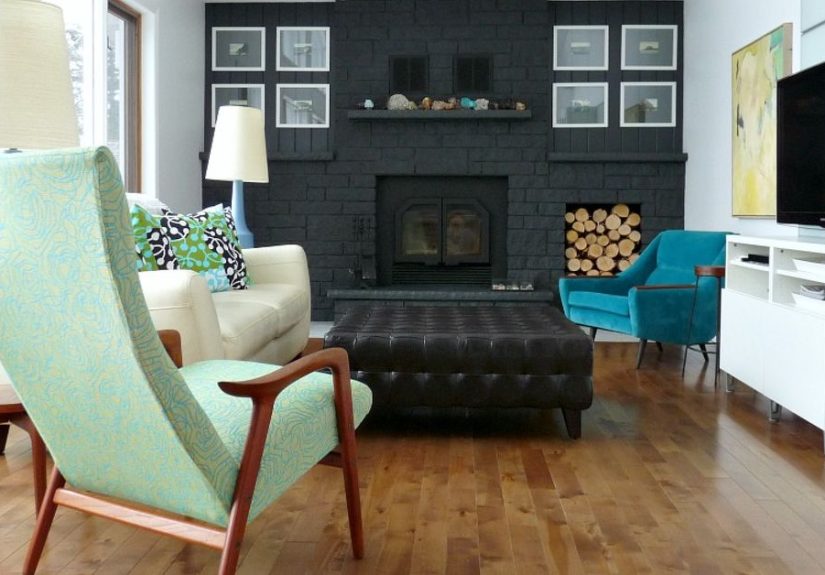
Paint the brick, mantel, and even the wall behind the fireplace in the same charcoal grey. This creates a dramatic, built-in look that feels clean and custom. Add art, a mirror, or simple sconces so the fireplace still has a focal layer within the focal point.
2. Charcoal Surround with White Walls
This is the classic crowd-pleaser. The white walls stay bright, while the dark fireplace gives the room structure. It is especially effective in living rooms that feel a little too airy and need a visual anchor.
3. Charcoal with Natural Wood
If you have wood floors, ceiling beams, or warm-toned furniture, charcoal grey adds sophistication without fighting the warmth. The contrast between dark paint and natural grain feels grounded and expensive in the best way.
4. Charcoal with Stone or Marble Accents
A charcoal-painted mantel paired with a stone surroundor vice versacreates layered texture. This is a great solution if you want some contrast but do not want the fireplace to feel busy.
5. Soft Styling for a Lived-In Look
Once painted, decorate lightly. A stack of books, a vase with branches, a round mirror, or a few candles is usually enough. A charcoal fireplace already carries drama. It does not need sixteen tiny signs telling your guests to gather, laugh, or live, love, and file a design complaint.
Common Mistakes to Avoid
Skipping the cleaning stage: Soot and dust can sabotage adhesion.
Using the wrong paint inside the firebox: High heat requires specialty products.
Ignoring undertones: A charcoal that clashes with your floors or wall color will look off no matter how well you paint it.
Choosing sheen without thinking: Too flat can feel dull on trim, too glossy can exaggerate uneven masonry.
Rushing between coats: Dark paint rewards patience. Haste rewards regret.
Is a Charcoal Grey Painted Fireplace a Good Long-Term Choice?
Yesif you choose the right shade and prep thoroughly. Charcoal grey has staying power because it is dramatic but still neutral. It can adapt as your decor changes, whether you move toward modern organic, traditional, farmhouse, transitional, or something delightfully hard to label. Swap the art, update the mantel styling, change the textiles, and the fireplace will keep up.
That versatility makes charcoal grey smarter than trendy one-note colors. It does not demand a whole new room to support it. Instead, it quietly improves the room you already have.
Experience: Living With a Charcoal Grey Painted Fireplace
One of the most interesting things about a charcoal grey painted fireplace is how quickly it changes the mood of a room without changing the room itself. People expect a color update. What they do not always expect is the emotional shift. A fireplace that once faded into the background suddenly starts behaving like architecture. It becomes the first thing your eye notices when you walk in, and somehow everything around it starts looking more organized, even if your throw blankets are still out here living their own lives.
In everyday life, charcoal grey tends to feel calmer than black and more polished than medium gray. During the day, it has enough softness to read as a sophisticated neutral. At night, especially with lamps on and firelight flickering, it deepens and becomes moodier. That is one of its biggest strengths. The color is not static. It changes with light, which makes the room feel more layered and more alive.
Homeowners often notice that their decor choices become easier after painting the fireplace charcoal. White vases pop more. Frames look more intentional. Greenery looks fresher. Wood tones feel richer. Even inexpensive decor can suddenly punch above its weight because the background now has contrast and depth. It is a little unfair, honestly. The fireplace gets a fresh coat of paint and suddenly the whole room develops confidence.
There is also a practical side to the experience. Charcoal grey is forgiving. On a busy week, when dusting is not exactly winning first place on your priority list, the color tends to hide minor dust and discoloration better than bright white. That does not mean it never needs cleaning, of course. It just means it continues to look composed even when life is being gloriously normal and slightly chaotic.
Another common experience is that the fireplace starts to influence the rest of the room. Once the hearth looks sharp, dated wall colors become more obvious. Tired accessories become suspicious. Suddenly you are standing there thinking, “Maybe the sconces should be upgraded too,” which is how one paint project gently tries to recruit three more. Still, that is not always a bad thing. A charcoal grey fireplace often clarifies what belongs in the room and what has been coasting on nostalgia.
Seasonally, the color is also a winner. In fall and winter, it feels cozy, rich, and cocoon-like. In spring and summer, it reads crisp and tailored, especially against lighter textiles and brighter daylight. That year-round flexibility is part of why people rarely regret the choice when it is done well.
Perhaps the best part of the experience is that the fireplace begins to look intentional instead of inherited. It feels less like “the thing that came with the house” and more like a design decision. That is a powerful shift. And for many homeowners, that is the real goalnot just painting brick or wood, but making the room finally look like it belongs to them.
Conclusion
A charcoal grey painted fireplace is one of those rare design moves that manages to be practical, stylish, and surprisingly transformative at the same time. It can modernize dated brick, sharpen a plain mantel, and give a room the focal point it has been begging for in silence. Choose the right undertone, prep carefully, respect heat exposure, and the result can feel custom-made rather than simply painted over.
If you want a fireplace makeover that feels current but not gimmicky, bold but still livable, charcoal grey is a brilliant place to start. It is moody in the best sense of the wordand unlike some trends, it is likely to age with grace instead of demanding an apology tour in two years.