Table of Contents >> Show >> Hide
- Why an Office Closet Makeover Works So Well
- Start With a Ruthless Cleanout
- Measure First, Buy Later
- Build the Right Foundation: Desk, Chair, and Power
- Use Vertical Space Like a Genius
- Lighting Can Make or Break the Makeover
- Make It Feel Less Like a Closet
- What to Do About Closet Doors
- Budget-Friendly vs. Custom Office Closet Makeover
- Common Mistakes to Avoid
- A Simple Step-by-Step Plan for Your Makeover
- Conclusion
- Experiences Related to an Office Closet Makeover
- SEO Tags
If your home has a closet that currently stores three lonely hangers, one mystery charger, and the emotional weight of unfinished projects, congratulations: you may be sitting on prime real estate. An office closet makeoversometimes nicknamed a “cloffice”is one of the smartest ways to carve out a productive workspace without giving up an entire room. It is practical, stylish, and oddly satisfying. There is something deeply empowering about opening a pair of doors and revealing a tiny command center instead of a pile of forgotten tote bags.
The beauty of an office closet makeover is that it works for real life. Maybe you work from home full time. Maybe you only need a quiet spot to pay bills, join video calls, study, or run a side hustle that currently lives on your dining table. Either way, a closet office can turn wasted square footage into a useful, polished nook that feels deliberate instead of improvised.
Done well, this kind of makeover is more than a desk jammed between two walls. It is a thoughtful blend of layout, lighting, storage, comfort, and personality. The best setups look good when the doors are open and disappear neatly when the workday is done. That means less visual clutter, more focus, and a room that does not scream, “I answer emails where I fold laundry.”
Why an Office Closet Makeover Works So Well
A closet naturally creates boundaries. That is a huge advantage in a world where work can spill into every corner of the house. Even a small reach-in closet gives you three major design wins: walls for vertical storage, a contained footprint for easy organization, and the option to hide the whole setup behind doors when you want your home to feel like home again.
That built-in separation can also help mentally. When your desk is tucked inside a dedicated niche, it is easier to get into work mode. When the laptop closes and the doors shut, your brain gets a clearer message that the day is over. No, it is not magic. But it is the closest thing interior design has to a polite off switch.
Another reason this makeover is popular is flexibility. An office closet can be minimalist and budget-friendly, or it can look fully custom with shelving, cabinets, integrated lighting, wallpaper, and a painted backdrop. You can create something simple in a weekend or plan a more tailored built-in version over time. Either way, the concept scales beautifully.
Start With a Ruthless Cleanout
Before the makeover begins, empty the closet completely. Not “mostly empty.” Completely empty. This step matters because it helps you understand the actual dimensions, condition, and possibilities of the space. It also forces you to decide what this area will do moving forward. If it is becoming an office, it cannot still be a chaotic dumping ground for wrapping paper, winter boots, and a lamp from 2013 that “might be useful someday.”
Sort everything into clear categories: keep, relocate, donate, recycle, and toss. Anything that truly needs to stay nearby should earn a designated home in your new setup. Everything else needs to move out. This is where many makeovers either become functional or become photo props. A stylish office closet is not built by adding pretty bins to bad habits.
Questions to Ask During the Cleanout
- Will this space be used daily, weekly, or occasionally?
- Do you need room for one monitor, two monitors, or just a laptop?
- Will you store paper files, craft materials, office supplies, or tech gear here?
- Do you need the closet doors to stay, go, or slide out of the way?
- Will the setup need to double as another function later?
Your answers shape everything that comes next, from desk depth to shelf spacing to whether you need a rolling chair or a simple stool.
Measure First, Buy Later
Nothing kills makeover momentum faster than ordering a desk that fits beautifully in your imagination and absolutely nowhere else. Measure the closet width, depth, and height. Then measure again, because closets are sneaky. Note baseboards, outlets, door swing, trim, awkward corners, and any existing shelf or rod placement.
Think beyond the desk itself. You also need legroom, elbow room, and enough clearance to sit comfortably and access storage. If you plan to keep the doors, make sure drawers, chair placement, and lighting choices will not fight with them. The goal is a workspace that feels efficient, not like a tiny escape room designed by your own poor planning.
For many office closet makeovers, a custom-cut desktop or floating work surface is the smartest solution. It uses every inch efficiently and makes the space look built in. A slab of wood, a laminate top, or a ready-made desktop supported by side cleats or drawer units can all work beautifully, depending on your budget and style.
Build the Right Foundation: Desk, Chair, and Power
The Desk
The desk is the hero of the makeover. In a small closet, a floating desk often looks cleaner and gives the area a more open feel. If you need closed storage, one side can be anchored with a slim drawer unit while the other remains open for legroom. If the closet is shallow, a narrower top can still work well for a laptop, notebook, and small task lamp.
Choose materials that suit your lifestyle. Wood warms up the space. White finishes make the nook feel bright and airy. Dark tones can look dramatic and sophisticated, especially with brass or matte black accents. If your office closet is in a bedroom, matching nearby furniture can help the setup feel integrated rather than accidental.
The Chair
Do not sabotage a good makeover with a terrible chair. Even in a compact space, comfort matters. Look for a chair or stool that supports your body and can tuck neatly under the desk. Armless styles often work best in tight closets. If you spend long hours there, prioritize ergonomics over trendiness. Your spine does not care whether the chair went viral.
Power and Cable Management
Few things ruin a pretty cloffice faster than cables hanging around like jungle vines. Plan for power early. Make sure your setup can handle your laptop, monitor, lamp, printer, and chargers without becoming an extension-cord spaghetti bowl. Use cord clips, sleeves, and under-desk trays to keep wires controlled. If outlets are limited or poorly placed, this may be the one part worth hiring an electrician for.
Use Vertical Space Like a Genius
Closets shine because they offer wall space from desk height to ceiling. This is where an office closet makeover becomes truly efficient. Add shelves above the desk for books, storage boxes, trays, and decor. Use a pegboard, corkboard, magnetic board, or rail system for supplies and notes. Wall-mounted organizers free up the desktop while keeping essentials easy to grab.
Closed storage is useful for messy necessities such as cables, paperwork, and backup tech. Open storage works well for things you want within reach or want to display. The sweet spot is a mix of both: practical enough to support your routine, polished enough to look intentional.
Smart Storage Ideas for a Small Office Closet
- Labeled bins for paper, shipping supplies, or stationery
- Magazine files for folders and notebooks
- Shallow drawers for pens, chargers, and sticky notes
- Hooks for headphones, bags, or a lightweight sweater
- A pegboard for scissors, tools, and small office accessories
- A printer shelf or rolling cart if you need equipment nearby
The trick is to avoid overfilling every surface. A crowded closet office feels smaller, darker, and more stressful. Give items breathing room. Good storage should reduce friction, not create a scavenger hunt.
Lighting Can Make or Break the Makeover
Most closets are not exactly famous for dreamy natural light. That means lighting deserves serious attention. A single harsh bulb in the ceiling will not do your workspaceor your face on video callsany favors. Layer your lighting instead.
Start with ambient light if possible, then add focused task lighting at the desk. Sconces, slim wall-mounted lamps, LED strips under shelves, and compact table lamps can all work in a closet office. Good lighting helps with productivity, reduces eye strain, and makes the whole nook feel more finished. It also keeps the space from looking like the setting of a detective interview.
If your office closet sits in a darker bedroom or hallway, consider lighter paint colors or reflective finishes to bounce light around. Warm white bulbs often create a more inviting look than overly blue, clinical lighting. The goal is bright enough for work, soft enough to feel human.
Make It Feel Less Like a Closet
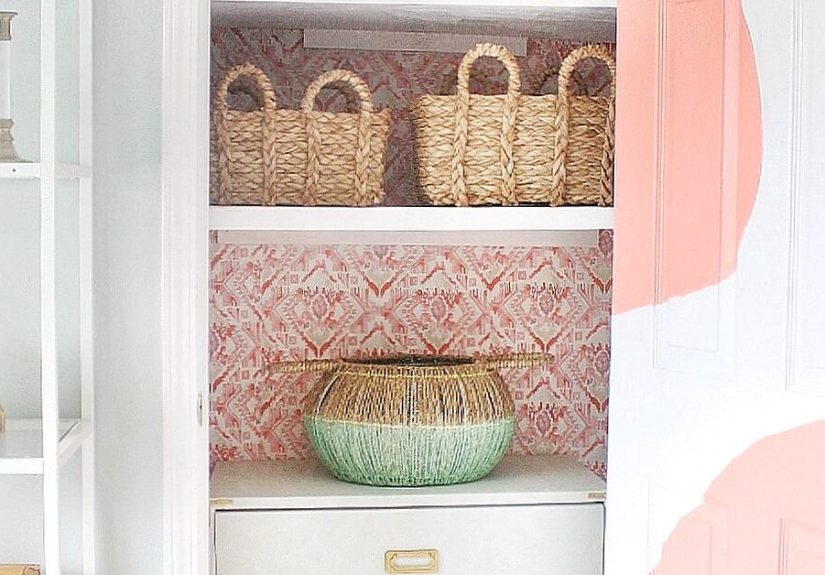
The best office closet makeovers do not just function well; they feel good to use. A little design effort goes a long way here. Paint is one of the easiest upgrades. A contrasting color can make the nook feel special, while a tone that matches the room can help it blend seamlessly. Wallpaper on the back wall is another high-impact option that adds personality without requiring much square footage.
Decor matters too, but in moderation. A framed print, a small plant, a stylish calendar, or a decorative storage box can soften the utilitarian edges of the space. Hardware, drawer pulls, and light fixtures can also elevate the look. These details help transform the area from “former coat closet with ambition” into a workspace that genuinely belongs in your home.
Design Styles That Work Especially Well
- Modern minimal: clean lines, white shelves, hidden storage, black accents
- Warm transitional: wood desktop, soft paint, brass lighting, woven bins
- Bold and moody: dark paint, dramatic wallpaper, sculptural lamp, rich textures
- Cottage or classic: beadboard, vintage hardware, soft neutrals, open shelving
Even if your square footage is tiny, style still matters. In fact, style matters more. A small space becomes memorable when every detail has a purpose.
What to Do About Closet Doors
Closet doors can be a blessing or a design headache, depending on the space. Keeping them allows you to hide the workspace after hours, which is ideal if your office closet sits in a bedroom or shared room. If the existing doors swing awkwardly, swapping them for bifold, pocket, sliding, or curtain-style alternatives may improve access.
Some homeowners remove the doors entirely for a more open, built-in look. That can make the nook feel larger and easier to use, especially if the office is attractive enough to stay on display. If you go doorless, be extra disciplined about organization. A beautiful cloffice can be a design feature. A messy one becomes a public confession.
Budget-Friendly vs. Custom Office Closet Makeover
Budget-Friendly Approach
A low-cost makeover can still look fantastic. Paint the walls, remove the hanging rod, add a desktop, install two or three shelves, improve the light, and finish with bins and a simple chair. Many budget makeovers succeed because they are edited. They focus on the essentials and avoid unnecessary bulk.
Mid-Range Upgrade
If you have more room in the budget, add drawer units, a better light fixture, nicer hardware, cable management, and a custom-fit desktop. This is often the sweet spot where the setup starts to feel built in without requiring a full renovation.
Custom Built-In Version
A fully custom office closet makeover may include cabinetry, integrated shelves, concealed lighting, finished trim, and tailored storage for your exact workflow. This approach is ideal if you use the space every day and want it to feel permanent, polished, and highly efficient.
Common Mistakes to Avoid
- Choosing looks over comfort and ending up with an unusable chair
- Ignoring lighting and hoping one ceiling fixture will save the day
- Overloading shelves until the closet feels claustrophobic
- Skipping cable planning and creating visual chaos
- Buying storage before understanding what you actually need to store
- Forgetting about noise, airflow, and everyday practicality
- Making the space so cute that there is nowhere left to work
A great office closet makeover balances style with function. It should photograph well, yesbut it should also handle your real routines, messy Tuesdays, and last-minute Zoom calls.
A Simple Step-by-Step Plan for Your Makeover
- Empty the closet and declutter everything.
- Measure the full space, including depth, height, outlets, and doors.
- Decide how you will use the office and what must be stored there.
- Remove rods, outdated shelves, or anything that no longer serves the plan.
- Patch, sand, and paint the walls.
- Install the desktop and confirm chair clearance.
- Add upper shelves, boards, hooks, or cabinetry.
- Upgrade the lighting.
- Organize supplies into zones and containers.
- Finish with decor, then edit back anything unnecessary.
Conclusion
An office closet makeover is proof that small spaces can work very hard and still look good doing it. With the right combination of planning, storage, lighting, and design, an underused closet can become a focused, stylish workspace that fits your routine beautifully. Whether you create a simple DIY cloffice on a modest budget or invest in a more custom built-in solution, the biggest transformation is not just visual. It is how the space supports your day.
The best version of this makeover is the one that makes your life easier. It should help you concentrate, keep clutter under control, and let you close the doors on work when you are done. That is the real charm of the office closet makeover: it turns an overlooked corner of the house into a space with purpose, personality, and just enough swagger to make productivity feel a little more stylish.
Experiences Related to an Office Closet Makeover
One of the most surprising things people notice after an office closet makeover is how different the room feels, even when the footprint barely changes. Before the makeover, the closet may have been a visual black holepacked, ignored, and quietly irritating every time the doors opened. Afterward, it becomes a destination. Suddenly, there is a place for the laptop, a home for the charger, a shelf for notebooks, and a reason not to colonize the kitchen table with paperwork.
Many people describe the experience as creating calm out of chaos. A closet office does not necessarily give you more house, but it gives you more control over the house you have. That feels huge. Instead of bouncing between the couch, the bed, and a dining chair that was never designed for eight hours of sitting, you get a spot that tells your brain, “This is where things get done.” The shift can be subtle at first, then strangely addictive.
There is also a unique joy in the reveal. Open the doors, and there is your tiny headquarters: lamp glowing, shelves tidy, favorite pen where it belongs, maybe even a framed print making the whole thing look suspiciously grown-up. Close the doors, and the workspace vanishes back into the room. That little transformation feels almost theatrical, like the home improvement version of a magic trick. Now you see the office; now you don’t.
Another common experience is realizing how much personality can fit into a very small space. Because the area is compact, every choice feels more noticeable. A bold paint color suddenly looks brave instead of overwhelming. Wallpaper can feel fun instead of risky. A brass sconce, a wood desktop, or a sleek black pegboard can completely define the mood. The makeover becomes less about square footage and more about editing. In a way, a closet office teaches design discipline: if every inch matters, every choice matters too.
Of course, the process is not always perfectly glamorous. There is usually a moment when the closet is emptied and the walls look a little tragic. Maybe the old shelf left mysterious holes. Maybe the paint color screams “rental beige with regrets.” Maybe you discover that the outlet is in exactly the wrong place because of course it is. But that awkward middle stage is part of the experience. It is the before-photo chaos that makes the finished result feel so satisfying.
People also tend to learn a lot about their work habits during the makeover. You may think you need endless storage, only to realize you mostly need a better charging setup and one drawer for paper. Or you may believe you want a minimalist desk, then discover you work better with a pinboard, a lamp, a planner, and a mug that says something mildly threatening about Monday meetings. The makeover becomes a small study in self-awareness.
In households with shared space, the difference can be even more dramatic. An office closet gives work a boundary. Family members know where the work zone is. The rest of the room can return to its original purpose. That separation is not just practical; it can feel emotionally relieving. When the doors close, the workday has a clearer ending. For many people, that alone makes the makeover worth it.
Ultimately, the experience of an office closet makeover is about more than aesthetics. It is about reclaiming overlooked space and making it serve you better. It is proof that a smart, well-designed corner can improve focus, reduce clutter, and add a surprising amount of pleasure to daily routines. And yes, it is also deeply satisfying to know that the place once occupied by forgotten hangers now houses a workspace with style, purpose, and significantly fewer mysterious cords.