Table of Contents >> Show >> Hide
- So, Can You Lose 40 Pounds in 3 Months?
- What Experts Usually Consider a Realistic Goal
- When Faster Weight Loss May Happen
- What a Safer Weight-Loss Strategy Looks Like
- What Not to Do if You Want Results That Last
- Signs You Should Talk to a Professional
- If Not 40 Pounds in 3 Months, What Is a Better Goal?
- What Results Might Actually Look Like in 3 Months
- Final Verdict
- Real-World Experiences: What People Often Learn While Trying to Lose Weight
- SEO Tags
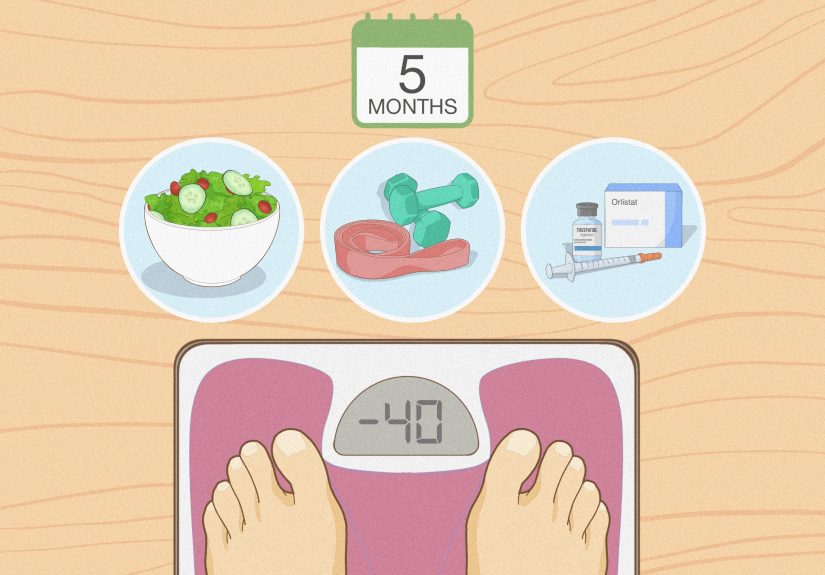
Everybody loves a dramatic before-and-after story. The internet especially loves one with a countdown timer, a gallon water jug, and a suspicious amount of grilled chicken. So let’s tackle the big question honestly: Can you lose 40 pounds in 3 months? Technically, yes, some people can. But for most adults, it is a very aggressive goal, and it is usually not the safest or most realistic target without medical supervision.
That does not mean progress is impossible. It means the smarter question is not, “How fast can I lose 40 pounds?” It is, “How can I lose weight in a way that protects my health, preserves muscle, and gives me a shot at keeping it off?” Experts tend to agree that long-term success comes from sustainable habits, not a three-month war against bread, joy, and your social life.
In this article, we break down what experts say about losing 40 pounds in 3 months, what is realistic, when faster loss may happen, and what a safer path actually looks like in the real world.
So, Can You Lose 40 Pounds in 3 Months?
The honest answer is yes, but usually not in the way people hope. Losing 40 pounds in 3 months means averaging a little over 3 pounds per week. That is much faster than the pace most health experts consider realistic for steady, sustainable fat loss.
For many adults, a more typical pace is gradual weight loss over time. Faster drops may happen early on, especially if someone starts at a higher body weight, improves their eating habits quickly, cuts back on high-sodium processed foods, or loses a chunk of water weight in the first couple of weeks. But that early momentum does not always continue at the same speed.
That is where many people get tricked. Week one looks flashy. Week four looks normal. Week seven looks rude. The body adapts, energy needs change, and progress often slows. That is not failure. That is biology being annoyingly consistent.
What Experts Usually Consider a Realistic Goal
If your goal is better health, experts often recommend focusing on a meaningful but achievable percentage of body weight rather than a dramatic number pulled from thin air. Even modest weight loss can improve health markers such as blood sugar, blood pressure, and triglycerides.
That matters because many people assume weight loss only “counts” if it is extreme. In reality, a steady drop of 5% to 10% of body weight can be a big deal. If a person weighs 220 pounds, that means losing 11 to 22 pounds can already have measurable health benefits. It may not sound flashy enough for a social media caption, but your heart does not care about your caption.
Why 40 Pounds in 3 Months Is Hard for Most People
There are several reasons:
- Your body burns fewer calories as you lose weight.
- Appetite often increases when calories drop too fast.
- Severe restriction can lead to fatigue, irritability, and muscle loss.
- Crash plans are hard to maintain, which raises the chance of regaining weight.
- Real life exists, and real life includes birthdays, stress, long workdays, and pizza.
In other words, the issue is not just whether you can lose weight fast. It is whether you can do it without sacrificing nutrition, strength, sleep, mood, and long-term consistency.
When Faster Weight Loss May Happen
There are situations where someone may lose weight more quickly, especially at the beginning. People with a higher starting weight sometimes see larger early losses. Others may lose weight faster during a medically supervised program, especially if medications, structured nutrition counseling, or obesity treatment are involved.
That does not make rapid weight loss a universal goal. It means context matters. Someone starting at 300 pounds may see a different rate of change than someone starting at 170. A person managing a medical condition with clinician support may have a different plan than someone trying random advice from the internet at midnight.
If you are considering a very aggressive goal, that is a good sign to involve a healthcare professional. Rapid loss is more appropriate for medical care than for guesswork.
What a Safer Weight-Loss Strategy Looks Like
If experts had a group chat, they would probably all send the same message: focus on sustainable habits. Not sexy, but effective.
1. Build meals around nutrient-dense foods
A healthy eating pattern usually looks boring only to people who think vegetables are a punishment. In practice, it means meals built around lean protein, fruits, vegetables, high-fiber carbohydrates, and healthy fats. The goal is to create meals that are satisfying enough to support a calorie deficit without making you feel like you are starring in a survival documentary.
Helpful examples include Greek yogurt with fruit, eggs with vegetables, chicken or tofu bowls with beans and rice, salmon with roasted vegetables, or oatmeal with nuts and berries. Meals with protein and fiber tend to keep people fuller than ultra-processed snack cycles that begin with “just a little something” and end with empty packaging.
2. Make exercise do more than just burn calories
Exercise helps with weight loss, but its real superpower is that it supports health, preserves lean mass, and makes long-term maintenance easier. Experts generally recommend a mix of aerobic activity and strength training. Walking, cycling, swimming, and dancing all count. Strength work matters because losing weight without protecting muscle is a little like renovating your house by removing load-bearing walls.
If you are doing only endless cardio and ignoring resistance training, your body may not thank you. A more balanced plan often includes regular movement throughout the week plus at least a couple of strength sessions focused on major muscle groups.
3. Prioritize sleep like it is part of the plan
Sleep is not a bonus feature. It affects appetite, energy, decision-making, and the ability to stick with healthy routines. People who are constantly underslept often find it harder to manage cravings, prepare meals, and exercise consistently. Translation: if you are sleeping five hours a night and wondering why your “willpower” is broken, your willpower may simply need a pillow.
4. Manage stress before stress manages your snack drawer
Stress can influence eating patterns, activity, and sleep, which is why experts increasingly include stress management in weight care. That does not mean you need to move to a mountain retreat and journal beside a waterfall. It means basic habits like walking, breathing exercises, time outdoors, social support, therapy, or simply creating a more predictable routine can help keep the whole process from unraveling.
5. Track trends, not daily drama
Weight naturally fluctuates from day to day due to hydration, sodium intake, hormones, digestion, and other factors. A single weigh-in can be as dramatic and unreliable as a reality show reunion episode. Experts often suggest looking at trends over time rather than panicking over one random spike.
That may mean weighing on a regular schedule, measuring waist circumference, noting energy levels, or paying attention to how clothes fit. Progress is not always linear, and it is definitely not always polite.
What Not to Do if You Want Results That Last
When people set a goal as aggressive as 40 pounds in 3 months, they often feel tempted to take shortcuts. That is usually where problems start.
Avoid these common mistakes:
- Skipping meals and then overeating later.
- Relying on liquid cleanses or “detox” plans.
- Cutting entire food groups for no clear reason.
- Exercising so hard that recovery, sleep, and consistency suffer.
- Chasing “perfect” days instead of repeating good-enough habits.
- Measuring success only by the scale.
Fast plans often create a cycle of restriction, frustration, and rebound eating. The more rigid the plan, the more likely it is to crack when real life shows up with stress, travel, or a Tuesday.
Signs You Should Talk to a Professional
Trying to lose a large amount of weight quickly is a good reason to get professional input, especially if you have a history of weight cycling, take medications, have a chronic health condition, or feel stuck despite doing “everything right.” A clinician or registered dietitian can help you set a goal based on your body, medical history, and timeline, not on internet chaos.
You should also seek help if weight loss efforts are making you feel physically weak, overly preoccupied with food, socially withdrawn, or emotionally distressed. Weight management should support health, not take over your life.
If Not 40 Pounds in 3 Months, What Is a Better Goal?
A better goal is one that is specific, measurable, and realistic. Instead of fixating on 40 pounds in 90 days, consider goals like these:
- Follow a balanced meal routine most days of the week.
- Walk or do another form of cardio consistently.
- Add two or three strength sessions each week.
- Improve sleep and reduce late-night snacking.
- Aim for steady progress over several months, not instant perfection.
Notice that these are behavior goals, not fantasy-movie montage goals. Behaviors are what you control. The scale usually follows.
What Results Might Actually Look Like in 3 Months
Three months is still long enough to make meaningful progress. Many people can improve fitness, reduce waist size, build healthier routines, and lose a noticeable amount of weight in that time. Some may lose more. Some may lose less. The point is that meaningful change does not have to be dramatic to be valuable.
For one person, success might mean losing 12 pounds and lowering blood pressure. For another, it could mean 20 pounds, better sleep, and fewer cravings. For someone else, it may mean not hitting a giant number but finally finding a routine they can stick with beyond the first burst of motivation. That last one often ends up being the win that matters most.
Final Verdict
Can you lose 40 pounds in 3 months? Possibly, but for most people it is an aggressive target and not the safest benchmark for healthy, lasting weight loss. A more realistic approach is to aim for steady progress, protect muscle, improve sleep, manage stress, and build habits you can actually live with after the three-month countdown ends.
Experts are not trying to ruin anyone’s motivation. They are trying to keep people from turning weight loss into a crash course in misery. If your body changes more slowly than you want, that does not mean your efforts are failing. It may mean your body is adapting in a normal human way, which is both inconvenient and absolutely standard.
The best plan is not the fastest one. It is the one that improves your health and still works when life gets busy, messy, and very interested in offering you dessert.
Real-World Experiences: What People Often Learn While Trying to Lose Weight
In real life, weight loss rarely looks as smooth as a chart. Many people begin with a burst of motivation. They clean out the pantry, buy new sneakers, meal-prep like they are auditioning for a wellness documentary, and expect the scale to reward them immediately. Sometimes it does. The first couple of weeks may bring a quick drop, which feels exciting and highly screenshot-worthy. Then reality shows up. Weight loss slows, hunger changes, routines get harder to maintain, and the process becomes less about excitement and more about repetition.
One common experience is realizing that consistency matters more than intensity. People often discover that the habits producing the best long-term results are surprisingly ordinary: eating more protein and fiber, walking most days, lifting weights a few times a week, sleeping better, and not letting one off-plan meal become a full weekend spiral. That is not flashy advice, but it is the kind that tends to survive real schedules, real families, and real stress.
Another common lesson is that scale changes do not tell the whole story. Someone may lose inches before losing much weight. Another person may feel stronger, sleep better, and have more stable energy even during weeks when the number barely moves. This is one reason experts often recommend tracking more than one sign of progress. A looser waistband, improved blood pressure, better stamina on walks, or fewer afternoon crashes can all matter, even if the weekly weigh-in is underwhelming.
People also learn that perfection is a trap. The all-or-nothing mindset sounds productive at first, but it tends to backfire. Miss one workout, eat one restaurant meal, or have one stressful day, and suddenly the brain announces, “Well, I have failed civilization.” In practice, the people who keep going are usually the ones who recover quickly. They do not turn one imperfect choice into a permanent identity crisis. They eat one less-balanced meal, then return to their routine at the next opportunity.
There is also the emotional side. Losing weight can bring pride, relief, frustration, impatience, and sometimes confusion. People may expect every pound lost to feel triumphant, but many are surprised by how ordinary the process feels day to day. That is normal. Sustainable change is often less cinematic than expected. It looks like grocery shopping, walking after dinner, going to bed on time, and repeating simple choices until they start feeling familiar.
Perhaps the biggest real-world lesson is this: people who succeed long term often stop chasing the fastest result and start building a life that supports a healthier body. That shift changes everything. Instead of asking, “How much can I lose by June?” they begin asking, “What can I keep doing in July, October, and next year?” That question is usually less exciting, but it leads to better answers.