Table of Contents >> Show >> Hide
- The Short Answer: What the Best Evidence Says
- Why This Rumor Took Off So Fast
- What Research on Sperm and Fertility Has Found
- Can the Vaccine Cause Testicular Swelling, Shrinkage, or Pain?
- What About Testosterone?
- Why COVID Infection Is the Bigger Reproductive Concern
- What Men Should Actually Do If They’re Worried
- So, Can the COVID Vaccine Affect Your Testicles?
- Real-World Experiences and Questions Men Commonly Have
- Final Takeaway
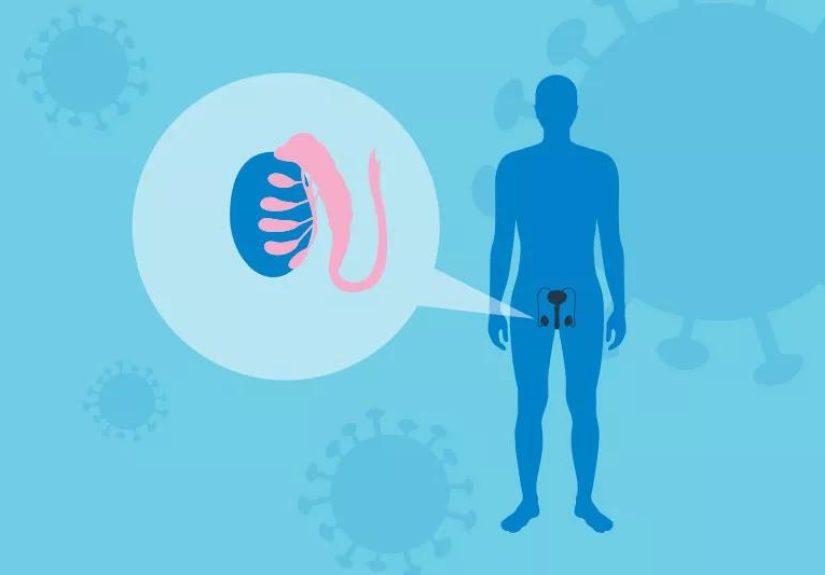
Let’s tackle the question that has launched a thousand awkward Google searches: can the COVID vaccine affect your testicles? The short answer is no, not in the way internet rumors have suggested. Current evidence does not show that COVID vaccines shrink testicles, swell them up, wreck sperm, crush testosterone, or quietly sabotage male fertility behind your back like a villain in a low-budget sci-fi movie.
What the evidence does show is more interesting, and frankly more useful. Researchers have looked at sperm count, sperm movement, semen volume, conception rates, and fertility outcomes after vaccination. The overall message has stayed remarkably steady: vaccination has not been shown to harm male reproductive health. On the other hand, COVID infection itself may temporarily affect fertility, especially in the weeks following illness. So if you’re choosing between the shot and the virus, the virus is the one that deserves the side-eye.
This matters because fears about fertility and “manhood” have been some of the stickiest pieces of vaccine misinformation online. And to be fair, testicles are not a casual topic. People are understandably protective of them. But medical questions deserve medical answers, not rumor-chain energy. So let’s break down what scientists know, what they do not know, and what men should actually watch for.
The Short Answer: What the Best Evidence Says
Studies to date have not shown that COVID vaccines damage the testicles or reduce male fertility. That includes studies of sperm parameters before and after vaccination, broader conception studies involving couples trying to get pregnant, and reviews that pool multiple studies together. If you came here worried that the vaccine secretly turns your reproductive system into a grumpy underperformer, the evidence does not support that fear.
That does not mean people never feel anything unusual after vaccination. Bodies are dramatic sometimes. A sore arm, fatigue, chills, and fever can happen. If a man gets a fever after a shot, sperm production could dip for a short period, but that is not unique to the COVID vaccine. Fever from any cause can temporarily affect sperm. In other words, the issue is the fever, not some special anti-testicle plot cooked up by the vaccine.
And here’s the key distinction: a temporary change linked to fever is not the same thing as testicular damage, infertility, or long-term reproductive harm. Those are much bigger claims, and the current evidence does not support them.
Why This Rumor Took Off So Fast
The testicle rumor spread because it hits three emotional buttons at once: fertility, masculinity, and fear of the unknown. That is the holy trinity of viral misinformation. Once a rumor suggests that a vaccine could affect sex hormones, sperm, or testicle size, it does not need much evidence to travel. It just needs enough panic to keep hopping from post to post.
Another reason the myth stuck around is that people confused two separate things. First, scientists have been investigating whether COVID infection can affect the male reproductive system. Second, people assumed that if the disease can do that, the vaccine must do it too. But that is not how vaccines work. The vaccine is not the same as the infection. It trains the immune system; it does not reproduce the full-body chaos of the illness.
That distinction is easy to lose online, where nuance often gets shoved out the window and replaced with all-caps confidence. Unfortunately, your reproductive health deserves better than a meme with a conspiracy soundtrack.
What Research on Sperm and Fertility Has Found
Small but influential early sperm studies
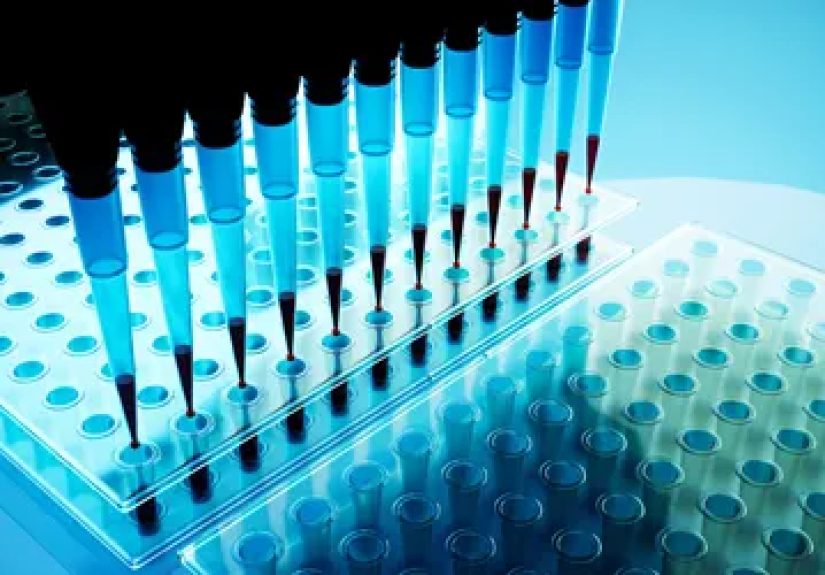
One of the early studies followed healthy men before and after mRNA vaccination and found no significant decreases in sperm parameters. That was important because sperm quantity and movement are among the first things people ask about when fertility fears show up. The study did not find a meaningful hit to sperm quality after vaccination.
More studies, same overall conclusion
Later studies, including larger cohort research and long-term follow-up, reached similar conclusions. Researchers found that semen volume, sperm concentration, total sperm count, and motility remained similar before and after vaccination. Some follow-up work even looked months later, including after booster doses, and still did not find evidence of lasting harm.
Meta-analyses strengthen the case
When scientists combine results from multiple studies in a systematic review or meta-analysis, they get a broader look at the evidence. These pooled analyses have generally found that available data do not show harmful effects of COVID vaccination on sperm parameters. Translation: when the studies are viewed together instead of cherry-picked one by one, the “vaccine wrecks male fertility” claim still falls apart.
Trying to conceive? Vaccination did not lower the odds
Another useful angle comes from conception studies. NIH-backed research involving more than 2,000 couples found that vaccination in either partner did not reduce the chance of conceiving. That is a big deal because it moves beyond lab measurements and looks at what many people actually care about most: can we still get pregnant if one or both of us got vaccinated? The answer from that study was yes.
Can the Vaccine Cause Testicular Swelling, Shrinkage, or Pain?
This is the part where internet rumors tend to get especially creative. Claims about shrinking testicles, swollen testicles, and mysterious reproductive collapse have circulated widely. But there is no solid evidence that COVID vaccines cause these outcomes as a consistent or established effect.
That does not mean every individual sensation should be ignored. If someone notices pain, swelling, or tenderness in the testicles after any medical event, workout, infection, or random Tuesday, it is worth paying attention. But testicular symptoms can come from many causes, including infections, STIs, injury, torsion, hernias, and inflammation that have nothing to do with vaccination. Timing alone does not prove causation. Sometimes two things happen close together because biology enjoys terrible scheduling.
So if someone says, “I got vaccinated and three days later I felt discomfort,” the responsible response is not “Impossible,” but it is also not “Aha, proof!” The responsible response is: get evaluated if symptoms are severe, persistent, or one-sided. Real medicine beats guesswork every time, especially when testicular pain is involved.
What About Testosterone?
This is another common anxiety point, especially among men who worry that anything affecting fertility must also be tanking testosterone. Current evidence does not show that COVID vaccination causes a meaningful long-term crash in testosterone or male hormone function. That fear tends to ride along with broader fertility myths rather than being supported by strong clinical evidence.
It helps to remember that reproductive health is influenced by many things that are far less glamorous than conspiracy posts: age, sleep, obesity, stress, high fever, smoking, heavy alcohol use, anabolic steroid use, untreated medical conditions, and infections. If a man is worried about hormones or fertility, those everyday factors often matter a lot more than the vaccine he got in his arm.
Why COVID Infection Is the Bigger Reproductive Concern
Here is the irony at the center of this whole topic: the disease has more evidence of affecting male reproductive health than the vaccine does. Some studies suggest that COVID infection may temporarily impair sperm quality or fertility for a period after illness. Researchers have also examined whether the virus, inflammation, fever, and immune stress could affect the testes or spermatogenesis. The strongest consistent concern is not that every man with COVID will have fertility problems forever, but that infection can create short-term reproductive stress in some men.
Fever alone can temporarily disrupt sperm production. Add systemic inflammation, feeling awful, dehydration, and the general full-body mess of a real viral infection, and suddenly the infection looks a lot less “natural and harmless” than certain corners of the internet would like you to believe.
That is why so many physicians frame the question differently. Instead of asking, “Could the vaccine hurt fertility?” they ask, “Which is more likely to mess with reproductive health: the vaccine or the infection?” Based on current evidence, infection is the less friendly option.
What Men Should Actually Do If They’re Worried
1. Separate fear from evidence
If your concern came from a podcast clip, a gym friend, or a guy online who says “do your own research” while selling supplements, hit pause. Start with evidence from public health agencies, major medical centers, and peer-reviewed studies.
2. Think about your real fertility timeline
If you are actively trying to conceive, it makes sense to ask practical questions. The good news is that current guidance does not recommend avoiding COVID vaccination because of fertility concerns. For men planning a family, the evidence is reassuring.
3. Don’t ignore major symptoms
If you develop severe testicular pain, swelling, redness, fever, or symptoms on one side, seek medical care. That is true whether you were recently vaccinated, recently sick, or recently trying to impress someone by moving a couch alone. Testicular pain can signal urgent issues that should not be diagnosed by internet roulette.
4. Look at the bigger health picture
If fertility is the concern, consider the basics too: sleep, weight, smoking, alcohol, heat exposure, medications, and existing medical conditions. Many men focus on a headline-grabbing vaccine rumor while ignoring the daily habits that affect reproductive health far more reliably.
So, Can the COVID Vaccine Affect Your Testicles?
Not in the scary, lasting, fertility-destroying way the rumor suggests. Based on current evidence, COVID vaccines have not been shown to damage testicles, shrink them, reduce male fertility, or tank reproductive function. The better-supported concern is that COVID infection itself may temporarily affect fertility in some men, especially soon after illness.
That does not mean every question is silly. It means the answer should be grounded in science, not panic. If you feel fine after vaccination, there is no reason to assume your testicles are plotting revenge. If you have symptoms, get them checked. If you are trying to conceive, current evidence is reassuring. And if a social media post tries to convince you that your reproductive future hinges on one dramatic anecdote and three angry emojis, maybe let science have the mic for a minute.
Real-World Experiences and Questions Men Commonly Have
One reason this topic keeps resurfacing is that men rarely ask the question in a neat, academic way. They ask it through real-life experiences. A guy gets vaccinated, feels achy for a day, and suddenly wonders whether anything “down there” could be affected. Another man and his partner are trying to conceive, and he starts overanalyzing every health decision like he is defusing a bomb. Someone else reads a post about swollen testicles and spends the evening doing terrified searches instead of going to bed like a peaceful human.
In clinic settings and public health conversations, the most common experience is not actual testicular damage. It is anxiety. Men often want reassurance that the vaccine will not interfere with sperm, testosterone, erections, libido, or future plans for kids. That concern is understandable. Reproductive health feels personal, private, and emotionally loaded. Even very rational people can become part-time conspiracy interns when fertility fears show up.
There is also the “timing trap.” For example, a man may notice groin discomfort, a lump, or tenderness days or weeks after vaccination and assume the shot caused it. But real life is messy. Some of those cases turn out to be unrelated issues such as epididymitis, varicoceles, inguinal strain, hernias, or testicular conditions that just happened to appear around the same time. The brain loves a simple story. The body, meanwhile, prefers plot twists.
Another common experience involves couples trying to get pregnant who become hyper-aware of every variable. They track ovulation, sperm counts, caffeine intake, supplements, workout routines, sleep, and suddenly the vaccine becomes one more item on the worry list. In those cases, the most useful experience reported by clinicians is often relief: once patients hear that studies have not shown reduced conception rates or meaningful sperm damage after vaccination, the panic level drops from “internet emergency” to “okay, let’s focus on the actual fertility workup.”
Some men also report temporary general symptoms after vaccination, such as fever, fatigue, or body aches, and then worry that those short-term side effects must mean something worse happened to fertility. But temporary immune-system side effects are not the same as permanent reproductive harm. In fact, the real-world experience most consistent with the evidence is pretty boring: most vaccinated men do not notice any reproductive change at all. And in medicine, boring is often good news wearing sweatpants.
The biggest practical lesson from these experiences is simple: do not panic, but do not dismiss significant symptoms either. If there is severe pain, swelling, redness, or a persistent change in the testicles, get checked. If the concern is fertility without symptoms, lean on evidence rather than rumor. Most of the real-world stories around this topic are stories of fear, confusion, and misinformation, not stories of the vaccine damaging testicles.
Final Takeaway
If you came here looking for the clearest bottom line possible, here it is: current research does not support the idea that COVID vaccines harm your testicles or your fertility. The rumor is loud, but the data are louder. And if you are going to trust something with your reproductive future, choose the evidence over the comment section.