Table of Contents >> Show >> Hide
- Why Mango + Jalapeño Works
- Ingredients (Yields ~2 cups)
- Step-by-Step: Smooth, Glossy, Pour-On-Everything Sauce
- Heat Control Like a Pro
- Acid Guide: Pick Your Tang
- Food Safety & Storage (Read This!)
- Pairing Ideas
- Nutrition Snapshot
- FAQs
- Variations
- Pro Tips for Better Texture & Flavor
- Serving & Make-Ahead
- Printable Recipe Card
- Conclusion
- Extra: Real-World Experiences With Mango Jalapeño Sauce
Sunshine in a jar with a snappy kickthat’s what this Mango Jalapeño Sauce is all about. It’s bright, tropical, and just spicy enough to high-five your taste buds without tackling them to the floor. In this guide, you’ll get a restaurant-ready recipe, chef tricks for dialing heat up or down, storage and food-safety know-how, and smart swaps based on what’s already in your pantry. Let’s cook.
Why Mango + Jalapeño Works
Mangos bring natural sweetness, silky body, and a fragrant tropical vibe. Jalapeños contribute fresh, green heatthink grassy crunch with a peppery bite. That sweet-heat balance is a classic: sugar tames the perception of spice, while acid (lime or vinegar) sharpens flavors so the sauce stays lively instead of cloying. Jalapeño heat comes from capsaicin, which binds to TRPV1 receptors (the “this is hot!” alarm); a little fat and sugar take that edge off while keeping the pepper’s flavor intact.
Not all mangos ripen the same color, so don’t judge by skin alone. A ripe mango yields slightly when gently squeezedlike a peach or avocadoand smells fruity at the stem.
Ingredients (Yields ~2 cups)
- 2 large ripe mangos (about 2 heaping cups diced)
- 2–3 jalapeños, stemmed; seeds removed for mild, kept for hot (see Heat Control)
- 1/2 small white or yellow onion, chopped
- 2 cloves garlic
- 1/3 cup apple cider vinegar (or 1/4 cup white vinegar + 1 tbsp lime juice; see Acid Guide)
- 2 tbsp fresh lime juice
- 2–3 tbsp honey or sugar (to taste)
- 1/2 tsp kosher salt, plus more to taste
- 1/4 tsp ground cumin (optional, adds warmth)
- 2 tbsp neutral oil (or omit for a leaner sauce)
- Water or mango juice, as needed to thin
- Optional add-ins: a handful of cilantro, 1 tsp grated fresh ginger, or a pinch of turmeric for color
Step-by-Step: Smooth, Glossy, Pour-On-Everything Sauce
- Prep the peppers. For milder heat, split jalapeños and scrape out seeds and pale ribs (placenta); most capsaicin concentrates there. For medium, keep half the seeds; for spicy, keep them all. Wear gloves if you’re sensitive.
- Sweat the aromatics. In a saucepan over medium heat, warm the oil. Add onion, jalapeños, and a pinch of salt; cook 4–5 minutes until softened. Stir in garlic for 30 seconds.
- Simmer to marry flavors. Add diced mango, vinegar, lime juice, honey, salt, cumin, and 1/4 cup water. Simmer gently 8–10 minutes, stirring, until mangos slump and everything smells like vacation. (If it gets thick, splash in more water.)
- Blend silky smooth. Carefully transfer to a blender and process until glossy. For a thinner, hot-sauce texture, add 2–4 tbsp water or mango juice. For a dipping sauce, keep it thicker.
- Season and cool. Taste. Add salt for pop, honey for balance, or lime for sparkle. Cool fully, then bottle.
- Chill to set. Refrigerate at least 2 hours. The flavor rounds out as it cools.
Heat Control Like a Pro
- Mild: Remove seeds and ribs; simmer jalapeños briefly to soften their bite.
- Medium: Keep some seeds/ribs; balance with an extra teaspoon of honey.
- Hot: Keep seeds and ribs, or swap one jalapeño for a serrano. (On the Scoville scale, serranos outrun jalapeños.)
- Flavor hack: A touch of fat (oil) and sugar softens capsaicin’s sting without muting pepper flavor.
Acid Guide: Pick Your Tang
Apple cider vinegar gives fruity roundness; white vinegar tastes cleaner and sharper. You can blend vinegar with fresh lime juice for a bright, modern profile. Any path you choose, keep total acid close to the recipe amount so the sauce stays safely acidic.
Food Safety & Storage (Read This!)
This is a quick, refrigerated saucenot a shelf-stable, canned product. For safety, fruit-based hot sauces should maintain a final pH ≤ 4.6. Because home pH and processing vary, store in the fridge and use within 2–4 weeks, or freeze for longer.
- Refrigerate after bottling: Even if acidity is high, cold storage preserves flavor and color and reduces spoilage risk.
- Freezer-friendly: Freeze in small jars or silicone cubes; thaw in the fridge. As with all foods, follow general freezing safety best practices.
- Signs to toss: Gas, fizzing, off smells, mold, bulging lids. When in doubt, throw it out.
Pairing Ideas
- Grilled fish, shrimp tacos, and crispy tofu bowls
- Roast chicken, pulled pork, or veggie skewers
- Rice bowls, grain salads, and black bean burgers
- Breakfast burritos and avocado toast (trust me)
- Cheese boards (goat cheese + mango heat = chef’s kiss)
Nutrition Snapshot
Per generous 2-tablespoon serving (estimate, will vary): ~35–45 kcal, primarily from mango fruit sugars; small amounts of vitamin C and A (beta-carotene) from mangos and jalapeños. Mangos are naturally low in fat and provide fiber and micronutrients.
FAQs
Can I use frozen mango?
Yesthaw and drain first. Frozen fruit is picked ripe and works beautifully in sauces.
Can I ferment this sauce?
Fermented hot sauce is its own (delicious) project. If you go that route, follow a tested fermented recipe and observe pH targets; fermentation changes acidity and handling.
What if the sauce is too hot?
Blend in more mango, a splash of vinegar, and a spoon of honey. Capsaicin is fat-soluble, so a little oil can also soften the edge.
I got jalapeño on my handshelp!
Wear gloves next time. For relief now, dairy (milk or yogurt) or a mild acid like vinegar can help lift capsaicin; avoid rubbing with plain water, which can spread the oil.
Variations
- Mango-Ginger: Add 1 tsp grated fresh ginger and a pinch of turmeric.
- Mango-Cilantro: Blend in a small handful of cilantro and an extra squeeze of lime.
- Serrano Swap: Replace 1 jalapeño with a serrano for a brighter, hotter profile.
- Mango-Habanero (Hot-Hot): Replace one jalapeño with 1/2 habanero for a fruity blazeseeded for sanity.
- Smoky: Add 1/4 tsp smoked paprika or char the jalapeños under a broiler before simmering.
Pro Tips for Better Texture & Flavor
- Ripe, not mushy: Mangos that gently yield and smell sweet give you full flavor without stringiness.
- Short simmer, bright finish: Cook just until the fruit softens; then use fresh lime to “wake up” the sauce at the end.
- Adjust viscosity: A tablespoon of water thins; a few extra minutes of simmer thickens. For glaze-level body, reduce a bit longer.
- Balance triangle: Taste for salt–acid–sweet. If it’s flat, add salt; if heavy, add acid; if sharp, add a little honey.
Serving & Make-Ahead
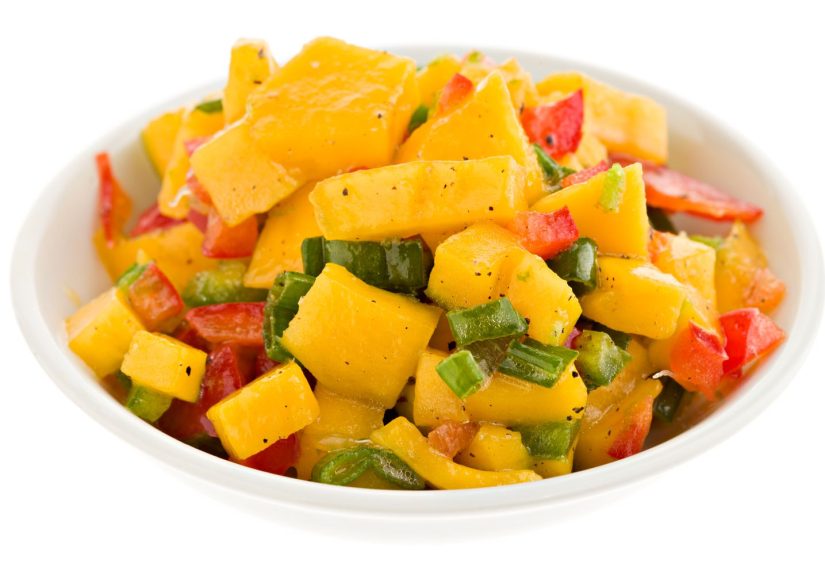
Make it up to 5 days ahead; the flavor actually gets more harmonious on day two. Keep it in a clean, airtight glass bottle or jar, labeled and dated. For parties, double the batch and set out with grilled skewers or a DIY taco barfor a fresh counterpoint, a spoonful of chunky mango salsa beside the smooth sauce plays beautifully.
Printable Recipe Card
Mango Jalapeño Sauce
Active: 20 minutes · Total: 30 minutes · Makes: ~2 cups
Ingredients: 2 ripe mangos (diced), 2–3 jalapeños (seeded for mild), 1/2 small onion, 2 cloves garlic, 1/3 cup apple cider vinegar, 2 tbsp lime juice, 2–3 tbsp honey, 1/2 tsp kosher salt, 1/4 tsp cumin (optional), 2 tbsp oil, water as needed.
Method: Sweat onion + jalapeños in oil with a pinch of salt (4–5 min). Add garlic (30 sec). Add mango, vinegar, lime, honey, salt, cumin, and 1/4 cup water; simmer 8–10 min. Blend smooth, thin to taste, season, cool, bottle, and refrigerate.
Conclusion
This Mango Jalapeño Sauce is the five-minute outfit change your meals were waiting forsuddenly everything looks (and tastes) dressed up. With smart heat control, a balanced acid-sweet-salt trio, and fridge-friendly storage, you’ve got a reliable house sauce that plays nice with tacos, bowls, and weeknight protein. Now go put sunshine on something.
SEO Goodies
sapo: Meet your new favorite condiment: a glossy, tropical Mango Jalapeño Sauce that balances ripe mango sweetness with fresh pepper heat and a zippy lime-vinegar finish. In this step-by-step recipe, learn pro tricks for dialing the spice, choosing properly ripe mangos, and storing your sauce safely. Perfect for tacos, grilled chicken, seafood, tofu, and bowlsready in about 30 minutes.
Extra: Real-World Experiences With Mango Jalapeño Sauce
The first time I served this sauce at a backyard cookout, I watched a fascinating social experiment unfold. The “I don’t like spicy food” crowd took a cautious dab, braced for impact… then went back for a spoonful. That’s the power of building flavor around heat instead of letting heat dominate. The mango’s natural sugars soften jalapeño’s burn, and a targeted splash of acid (lime + vinegar) cuts through any heaviness. The result is a sauce that tastes vibrant rather than “hot for hot’s sake.”
Over dozens of batches, three tweaks consistently move the needle. First, control moisture. If your mangos are super juicy, simmer an extra minute or two to concentrate. Conversely, if you used pre-cut fruit from the store (which can be a little drier), plan on an extra splash of water or mango juice when blending. Second, layer the acid. I like a 2:1 ratio of vinegar to lime for everyday use. For fish or shrimp, I lean 1:1 so the citrus shines. Third, season in rounds: a pinch of salt at the start (to help onions and jalapeños sweat), then another tiny pinch after blending to “wake up” the fruit. Fruit sauces are notorious for tasting flat without enough salt; you don’t need a lotjust enough to make the mango taste more mango-y.
If you cook for mixed heat tolerances, try a two-tier approach. Make the base sauce mild (seeded jalapeños), then blitz in a few jalapeño slicesor a serrano coin or twointo a portion you set aside for the spice fans. Label both bottles. This doubles your audience without doubling your effort. And if you’re chasing a sticky glaze for grilling, simmer a cup of the sauce with an extra tablespoon of honey until thick and glossy, then brush onto chicken in the last few minutes of cooking to avoid scorching.
Ingredient subs? Plenty. If fresh jalapeños are out of season or look tired, two to three pickled jalapeño rings (rinsed) plus one fresh pepper can recapture the zip while keeping the “green” flavor. No apple cider vinegar? White vinegar tastes cleaner; temper it with an extra teaspoon of honey or a squeeze of orange. If mangos are pricey, use a 50/50 mix of mango and pineapplepineapple’s acidity keeps the sauce bright, though you may need a touch more sweet to balance.
Texture matters. For a restaurant-style sheen, blend longer than you think you need, then let the sauce sit five minutes and blend againthose last few seconds smooth out stubborn pulp. If you want a more rustic texture for taco nights, pulse instead of pureeing and fold in a handful of finely diced fresh mango at the end for bursts of fruit.
Storage notes from the “I once forgot a jar behind the pickles” department: Label and date your sauce. Fruit and fresh garlic mean you should refrigerate and use within a couple of weeks for best quality. The color stays brighter and the aromatics livelier when cold-stored. If you love to meal-prep, freeze the sauce in ice cube trays (silicone makes it easy), then pop a cube into sizzling shrimp, a pan of sautéed greens, or a pot of coconut rice for instant flavor lift.
Finally, a word about jalapeño handling for anyone who’s ever discovered “jalapeño hands” at 11 p.m.: disposable gloves are cheaper than tears. If you do catch the capsaicin curse, dairy or a mild acid rinse (like vinegar) helps more than water. Then promise your future self you’ll keep a box of gloves in the drawer next to the cutting boards.
Bottom line: this sauce hits the weeknight sweet spotfast, flexible, and genuinely memorable. Once you have it in the fridge, it sneaks onto everything: breakfast burritos, leftover rotisserie chicken, even grain bowls that would otherwise taste like penance. Consider it your sunny, spicy shortcut to better dinners.