Table of Contents >> Show >> Hide
- What Does “Toning” Really Mean?
- The Best Toning Workout Formula
- Best Toning Workouts for Arms
- Best Toning Workouts for Legs
- Best Toning Workouts for Core
- Best Full-Body Toning Workout
- How to Make Toning Workouts More Effective
- Common Toning Workout Mistakes
- Sample 7-Day Toning Workout Plan
- Equipment You Can Use for Toning Workouts
- Experience-Based Tips: What Actually Helps Toning Workouts Stick
- Conclusion
Let’s clear up one thing before the first squat: “toning” is not a magic spell you whisper over dumbbells. In fitness, toning usually means building muscle strength and endurance while improving overall body composition. Translation: you train your muscles, support your heart, move consistently, recover well, and gradually get stronger. No smoke machine required.
The best toning workouts for arms, legs, core, glutes, shoulders, and back are not built around punishing yourself for last night’s pizza or chasing a filtered version of someone else’s body. They are built around smart resistance training, full-body movement, progressive overload, good form, and a weekly routine you can actually repeat without needing a dramatic movie soundtrack.
This guide breaks down the most effective toning exercises, how to combine them, and how to create a routine that works at home, in the gym, or in that mysterious space between your couch and coffee table.
What Does “Toning” Really Mean?
When people search for toning workouts, they usually want muscles that feel firmer, stronger, and more defined. The science-backed path to that result is resistance training. That includes bodyweight exercises, dumbbells, resistance bands, kettlebells, cable machines, gym machines, and even a backpack filled with books if your home gym budget currently says, “Let’s be creative.”
Muscles become stronger when they are challenged regularly. Over time, they adapt to the stress of exercise. That is why a workout that feels difficult today may feel easier in a few weeks. Your body is not being lazy; it is getting better at the job. To keep improving, you slowly increase the challenge through more reps, more resistance, better range of motion, slower tempo, or more controlled sets.
The Best Toning Workout Formula
A balanced toning plan should train all major muscle groups: arms, shoulders, chest, back, core, glutes, hips, and legs. It should also include aerobic exercise, mobility work, and rest days. Think of it like building a house. Strength training is the frame, cardio is the electrical system, mobility is the plumbing, and recovery is the roof. Skip the roof and things get soggy fast.
A Simple Weekly Structure
For most beginners and intermediate exercisers, a smart weekly routine can look like this:
- Two to four strength-training days focused on full-body or split routines.
- Two to five cardio sessions such as brisk walking, cycling, swimming, jogging, dancing, or rowing.
- One to three mobility or stretching sessions to support range of motion and recovery.
- At least one full rest or light recovery day because muscles do not grow stronger during the workout; they adapt afterward.
You do not need to train seven days a week to see progress. In fact, if your schedule looks like a fitness boot camp designed by an overcaffeinated raccoon, it may be too much. Consistency beats chaos.
Best Toning Workouts for Arms
Strong arms are useful for more than flexing in bathroom lighting. They help with carrying groceries, lifting boxes, pushing doors, improving posture, and making one trip from the car with all the bags because apparently we are all trying to win that invisible championship.
1. Push-Ups
Push-ups target the chest, shoulders, triceps, and core. They are one of the best upper-body toning exercises because they train multiple muscles at once.
How to do it: Start in a high plank with hands slightly wider than shoulder-width. Keep your body in a straight line from head to heels. Lower your chest toward the floor, then press back up. If full push-ups are too difficult, use an incline surface like a bench, counter, or sturdy table.
Try: 2 to 3 sets of 8 to 12 reps.
2. Dumbbell Biceps Curls
Biceps curls are simple, classic, and still effective. The key is control. Swinging the weights like you are trying to start a lawn mower does not count as arm training.
How to do it: Stand tall with a dumbbell in each hand, palms facing forward. Keep elbows close to your sides. Curl the weights toward your shoulders, pause briefly, then lower with control.
Try: 2 to 4 sets of 10 to 15 reps.
3. Triceps Dips
Triceps dips strengthen the back of the arms, shoulders, and upper body. Use a stable bench or chair, and keep the movement smooth.
How to do it: Place your hands on the edge of a sturdy chair. Walk your feet forward. Bend your elbows to lower your body, then press back up. Keep your shoulders away from your ears.
Try: 2 to 3 sets of 8 to 12 reps.
4. Resistance Band Rows
Rows are essential because many people overtrain the front of the body and ignore the back. A strong back supports posture, shoulder health, and that confident “I did not spend eight hours folded over a laptop” look.
How to do it: Anchor a resistance band at chest height or loop it around your feet while seated. Pull the handles toward your ribs, squeezing your shoulder blades together. Return slowly.
Try: 3 sets of 12 to 15 reps.
Best Toning Workouts for Legs
Your legs include some of the largest muscles in your body. Training them helps build strength, balance, coordination, and everyday power. Leg workouts may feel intense, but they give a lot back. They are the generous relatives of the fitness world, except they sometimes make stairs feel personally offensive the next day.
1. Squats
Squats target the quads, glutes, hamstrings, hips, and core. They also mimic real-life movement, such as sitting down, standing up, and picking things up safely.
How to do it: Stand with feet about shoulder-width apart. Push your hips back as if sitting into a chair. Keep your chest lifted and knees tracking in the same direction as your toes. Press through your feet to stand.
Try: 3 sets of 10 to 15 reps.
2. Reverse Lunges
Reverse lunges are excellent for the legs and glutes. They may feel more knee-friendly for some people than forward lunges because the movement is easier to control.
How to do it: Stand tall, step one foot back, and lower until both knees bend. Push through the front foot to return to standing. Alternate sides.
Try: 2 to 3 sets of 8 to 12 reps per leg.
3. Glute Bridges
Glute bridges strengthen the glutes, hamstrings, hips, and core. They are especially helpful for people who sit a lot, because sitting can leave the glutes underused and the hips feeling tight.
How to do it: Lie on your back with knees bent and feet flat. Press through your heels and lift your hips until your body forms a straight line from shoulders to knees. Squeeze your glutes at the top, then lower slowly.
Try: 3 sets of 12 to 20 reps.
4. Step-Ups
Step-ups train the quads, glutes, calves, and balance. They also prepare your body for stairs, hikes, and dramatic entrances.
How to do it: Use a sturdy step, bench, or box. Place one foot on the surface, press through that foot, and stand up fully. Step down with control and repeat.
Try: 2 to 3 sets of 8 to 12 reps per leg.
Best Toning Workouts for Core
A strong core is not just about abs. Your core includes muscles around your abdomen, lower back, hips, and pelvis. These muscles help stabilize your spine, improve posture, and support nearly every movement you make.
1. Plank
The plank is simple but mighty. It trains the abs, shoulders, glutes, and deep stabilizing muscles.
How to do it: Place your forearms on the floor, elbows under shoulders. Extend your legs behind you. Keep your body straight, brace your core, and avoid letting your hips sag.
Try: 3 rounds of 20 to 45 seconds.
2. Dead Bug
The dead bug may have a silly name, but it is one of the smartest core exercises for beginners. It teaches control without putting too much stress on the lower back.
How to do it: Lie on your back with arms extended toward the ceiling and knees bent at 90 degrees. Slowly lower one arm and the opposite leg toward the floor, then return to center. Switch sides.
Try: 2 to 3 sets of 8 to 12 reps per side.
3. Mountain Climbers
Mountain climbers combine core training with cardio. They raise your heart rate while strengthening your shoulders, abs, and hip flexors.
How to do it: Start in a high plank. Drive one knee toward your chest, then switch sides. Move at a controlled pace before trying faster reps.
Try: 3 rounds of 20 to 40 seconds.
Best Full-Body Toning Workout
If you want one efficient session that hits arms, legs, glutes, core, and back, use a full-body circuit. It saves time, keeps your heart rate up, and prevents the classic problem of doing curls for 40 minutes and calling it “total fitness.”
Beginner Full-Body Circuit
Complete 2 to 4 rounds. Rest 30 to 60 seconds between exercises and 1 to 2 minutes between rounds.
- Bodyweight squats: 12 reps
- Incline push-ups: 10 reps
- Resistance band rows: 12 reps
- Reverse lunges: 8 reps per leg
- Glute bridges: 15 reps
- Plank: 30 seconds
Intermediate Full-Body Circuit
Complete 3 to 5 rounds. Choose weights that feel challenging but still allow clean form.
- Dumbbell goblet squats: 10 to 12 reps
- Dumbbell shoulder presses: 10 reps
- Romanian deadlifts: 10 to 12 reps
- Push-ups: 8 to 15 reps
- Dumbbell rows: 10 reps per side
- Dead bug: 10 reps per side
How to Make Toning Workouts More Effective
Use Progressive Overload
Progressive overload means gradually making your workouts more challenging. You can add a little weight, perform more reps, add another set, slow down the lowering phase, improve your form, or reduce rest time slightly. The goal is progress, not punishment.
Train With Good Form First
Before adding heavier resistance, learn the movement. A perfect light squat beats a wobbly heavy squat every time. Your joints are not impressed by ego lifting.
Do Not Chase Soreness
Soreness can happen, especially when starting a new routine, but it is not the main goal. A workout can be effective without making you walk like a baby deer on a frozen lake the next morning.
Warm Up and Cool Down
Start with 5 to 10 minutes of easy movement, such as walking, cycling, arm circles, hip hinges, bodyweight squats, or dynamic stretches. After training, cool down with gentle movement and relaxed stretching. Your body appreciates a polite hello and goodbye.
Rest Between Strength Sessions
Try not to train the same muscle group hard on back-to-back days. Muscles need time to recover and adapt. You can still walk, stretch, or do light cardio on recovery days.
Common Toning Workout Mistakes
Doing Only Tiny Isolation Exercises
Biceps curls and leg lifts can be useful, but compound movements like squats, lunges, push-ups, rows, deadlifts, and presses give you more results for your time. Isolation exercises are the seasoning. Compound exercises are the meal.
Skipping the Back and Glutes
Many people focus on mirror muscles: arms, abs, and chest. But the back and glutes are crucial for posture, balance, and full-body strength. A balanced routine should train the front, back, upper body, lower body, and core.
Changing Workouts Too Often
Variety can keep fitness fun, but changing your workout every single day makes progress harder to track. Stick with a routine for 4 to 6 weeks before making major changes. Your muscles need enough repetition to learn, adapt, and improve.
Ignoring Recovery
More is not always better. Better is better. Sleep, hydration, rest days, and manageable training volume all support progress. If your body constantly feels exhausted, your plan may need fewer fireworks and more common sense.
Sample 7-Day Toning Workout Plan
Here is a simple weekly plan for arms, legs, core, and full-body toning:
- Day 1: Full-body strength circuit
- Day 2: Brisk walk or low-impact cardio, 20 to 40 minutes
- Day 3: Upper-body strength: push-ups, rows, curls, triceps dips, shoulder presses
- Day 4: Rest or gentle mobility
- Day 5: Lower-body strength: squats, lunges, glute bridges, step-ups, calf raises
- Day 6: Cardio plus core: cycling, walking, swimming, mountain climbers, planks, dead bugs
- Day 7: Rest, stretching, or an easy walk
If you are new to exercise, start with fewer sets and shorter sessions. If you have pain, dizziness, an injury, or a medical condition, check with a qualified health professional before starting or changing your routine.
Equipment You Can Use for Toning Workouts
You can tone and strengthen your body with no equipment, but a few tools can add variety and progression:
- Resistance bands: Great for rows, presses, glute work, and travel workouts.
- Dumbbells: Useful for curls, presses, squats, lunges, rows, and deadlifts.
- Kettlebells: Excellent for swings, goblet squats, carries, and full-body strength.
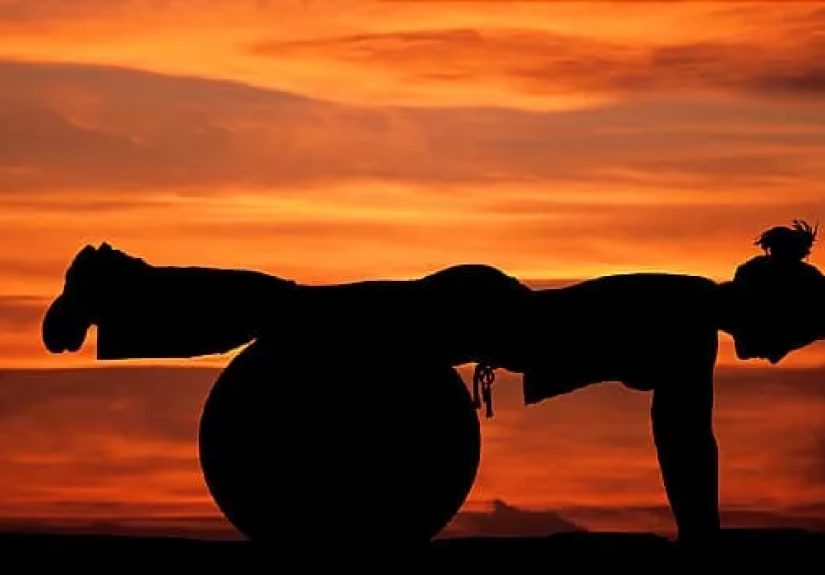
- Stability ball: Helpful for core work and balance training.
- Yoga mat: Not required, but your knees may send a thank-you card.
Experience-Based Tips: What Actually Helps Toning Workouts Stick
After writing about fitness for years and seeing how real people approach workout routines, one thing becomes obvious: the best toning workout is rarely the fanciest one. It is the one that fits into real life. People often start with huge motivation and a plan that looks impressive on paper: six workouts a week, meal prep worthy of a cooking show, and a brand-new water bottle the size of a small aquarium. Then life shows up. Work runs late. Kids need help. Homework appears. Sleep gets weird. Suddenly the “perfect plan” becomes a decorative document.
The routines that last are usually simple. A person chooses three or four dependable workouts, repeats them, tracks small improvements, and adjusts slowly. For example, someone might begin with incline push-ups, bodyweight squats, resistance band rows, glute bridges, and planks. In week one, they do two rounds. In week three, they do three rounds. Later, they add dumbbells to squats or move from incline push-ups to lower inclines. That is not flashy, but it works. Fitness progress often looks boring right before it starts looking impressive.
Another practical lesson: people stay more consistent when they stop treating workouts like punishments. A toning workout should feel challenging, but it should not feel like a courtroom sentence. If every session leaves you miserable, your brain will eventually file exercise under “things to avoid,” right next to stepping on toy bricks barefoot. Choose exercises that match your current level. Modify when needed. There is no shame in wall push-ups, chair squats, shorter planks, or lighter weights. Those are not shortcuts; they are smart entry points.
It also helps to track performance instead of obsessing over appearance. Write down how many reps you completed, which weight you used, how long you held a plank, or how you felt after the workout. These numbers tell a better story than the mirror on any random Tuesday. Maybe your arms feel stronger when carrying groceries. Maybe stairs feel easier. Maybe your posture improves. Maybe your energy is better. Those wins matter, and they often arrive before visible muscle definition becomes noticeable.
One of the most underrated tips is to prepare your workout space before motivation disappears. Put your resistance band near your desk. Keep dumbbells where you can see them. Lay out your shoes. Create a playlist. Remove as many tiny obstacles as possible. Motivation is wonderful, but convenience is more reliable. A 25-minute workout that actually happens is better than a perfect 75-minute workout you keep postponing until next Monday, a magical day where humans apparently become completely different people.
Finally, recovery is part of the plan, not a failure of discipline. People who improve long term usually learn to respect rest. They sleep, hydrate, eat enough nourishing food, and take lighter days when their body needs them. Toning workouts should help you feel more capable in your life, not trapped in a cycle of soreness and guilt. Train with patience, celebrate small improvements, and remember that strength is built rep by rep, not panic by panic.
Conclusion
The best toning workouts for arms, legs and more are built on full-body strength training, steady cardio, progressive overload, and recovery. You do not need extreme routines, complicated machines, or a personal trainer yelling motivational quotes over techno music. You need a balanced plan that trains your upper body, lower body, core, and back with exercises you can perform safely and consistently.
Start with basic movements like squats, push-ups, rows, lunges, glute bridges, planks, and dead bugs. Add resistance gradually. Keep your form clean. Rest when needed. Over time, your body will become stronger, more stable, and more capable. That is the real beauty of toning workouts: they are not just about how you look in a mirror. They are about how confidently you move through your day.
Note: This article is based on evidence-informed fitness principles from reputable U.S. health, medical, and exercise science organizations, including public health guidance, sports medicine recommendations, and expert-reviewed strength-training resources.