Table of Contents >> Show >> Hide
- Why Tall Flowers Matter in Garden Design
- 20 Tall Flowers That Make a Strong Impact
- 1. Hollyhock
- 2. Delphinium
- 3. Foxglove
- 4. Common Sunflower
- 5. Joe Pye Weed
- 6. Canna
- 7. Oriental and Trumpet Lilies
- 8. Gladiolus
- 9. Verbena bonariensis
- 10. Cleome
- 11. Mexican Sunflower
- 12. Giant Coneflower
- 13. Hardy Hibiscus
- 14. New England Aster
- 15. Giant Ironweed
- 16. Queen of the Prairie
- 17. Giant Allium
- 18. Dahlia
- 19. Garden Phlox
- 20. Cup Plant
- How to Use Tall Flowers Without Overwhelming the Garden
- Personal Garden Experiences: What Tall Flowers Teach You Over Time
- Conclusion
Some flowers whisper. Tall flowers walk into the garden wearing platform shoes, a feather boa, and a spotlight. If your flower bed looks a little flat, a few towering blooms can change everything. Tall flowers add structure, privacy, color, wildlife value, and that wonderful “wait, what is that?” moment guests have when they see something blooming above eye level.
The best tall flowers are not just tall for the sake of bragging rights. They create rhythm in borders, soften fences, frame patios, support pollinators, and give a garden the layered look that makes it feel designed instead of accidentally assembled during a Saturday plant-sale frenzy. Below are 20 tall flowers that make a strong impact, with practical growing notes, design ideas, and honest advice about where each one shines.
Why Tall Flowers Matter in Garden Design
Tall flowering plants work like architecture in a landscape. They draw the eye upward, break up long horizontal lines, and make a garden feel fuller even before every square foot is planted. In a traditional border, the tallest plants often go in the back. In an island bed, they belong near the center. For a more relaxed cottage or prairie style, you can let a few tall plants drift forward so the whole bed feels natural, not like a school photo arranged by height.
Before planting, consider mature height, wind exposure, bloom time, and whether the plant needs staking. Some tall flowers, such as hollyhocks and cup plants, have strong vertical habits. Others, such as dahlias and delphiniums, may need support before storms turn them into botanical spaghetti.
20 Tall Flowers That Make a Strong Impact
1. Hollyhock
Best for: Cottage gardens, fences, old-fashioned borders
Typical height: About 5 to 8 feet
Hollyhocks are the classic tall flowers for anyone who wants a garden that looks like it belongs beside a storybook gate. Their upright spikes carry large, open blooms in pink, red, yellow, white, purple, and near-black shades. Plant them along walls, fences, or the back of sunny borders where their height feels intentional. They prefer full sun and well-drained soil. Because hollyhocks can be affected by rust, give them airflow and avoid crowding them like commuters on a subway platform.
2. Delphinium
Best for: Formal borders, cutting gardens, blue flower schemes
Typical height: About 3 to 6 feet, depending on variety
Delphiniums bring tall, elegant spires in blue, lavender, purple, pink, and white. Few flowers look as dramatic in early summer. They prefer rich, well-drained soil, consistent moisture, and cooler conditions. In hot climates, afternoon shade helps. The catch? Delphiniums are not shy about needing support. Stake them early, before they lean dramatically like Victorian actors in a fainting scene.
3. Foxglove
Best for: Woodland edges, cottage gardens, part-shade borders
Typical height: About 2 to 5 feet
Foxglove produces tubular flowers stacked along tall stems, giving the plant a graceful, vertical look. It grows well in full sun to part shade and prefers medium moisture. Many foxgloves are biennials, flowering in their second year, though some modern types bloom faster. Important safety note: foxglove is toxic if ingested, so plant it thoughtfully if children or pets explore the garden with their mouths.
4. Common Sunflower
Best for: Pollinator gardens, children’s gardens, sunny back borders
Typical height: About 5 to 10 feet, with some cultivars taller
Sunflowers are the extroverts of the flower world. They grow quickly, love full sun, and produce cheerful yellow, red, bronze, or bicolor blooms. Tall types make living screens, dramatic focal points, and natural bird feeders once seeds mature. Give them fertile, well-drained soil and enough space so they do not shade smaller plants into surrender.
5. Joe Pye Weed
Best for: Native gardens, rain gardens, butterfly habitat
Typical height: About 5 to 7 feet
Joe Pye weed is proof that “weed” can be a wildly unfair name. This native perennial produces mauve-pink flower clusters that attract butterflies, bees, and other pollinators. It prefers moist soil but can adapt once established, especially in naturalized settings. Use it at the back of borders, near water features, or in meadow-style plantings where its height and soft color can shine.
6. Canna
Best for: Tropical-style gardens, containers, bold foliage displays
Typical height: About 4 to 8 feet, with some types taller
Cannas bring drama before they even flower. Their broad, banana-like leaves may be green, bronze, striped, or burgundy, while the flowers appear in red, orange, yellow, pink, or variegated shades. They thrive in full sun, rich soil, and steady moisture. In colder regions, gardeners often lift and store rhizomes after frost. Cannas are ideal when you want your patio to feel like it ordered a vacation package.
7. Oriental and Trumpet Lilies
Best for: Fragrance, cutting gardens, summer borders
Typical height: About 4 to 8 feet for many tall selections
Tall lilies offer huge blooms, elegant stems, and in many cases, unforgettable fragrance. Oriental and trumpet lilies are especially strong choices for adding height in summer. Plant bulbs in well-drained soil with sun on the tops and cooler soil around the roots. Many tall lilies benefit from staking, especially in windy spots. Keep in mind that true lilies are highly toxic to cats.
8. Gladiolus
Best for: Cut flowers, vertical accents, summer color
Typical height: About 3 to 6 feet
Gladiolus sends up sword-like foliage and tall flower spikes lined with colorful blooms. They are excellent for bouquets and can be planted in intervals for a longer harvest season. Grow them in full sun and well-drained soil. Because their flower spikes can become top-heavy, plant them in groups or support them discreetly. A single gladiolus can look lonely; a group looks like a floral fanfare.
9. Verbena bonariensis
Best for: Airy borders, pollinator gardens, modern planting schemes
Typical height: About 3 to 6 feet
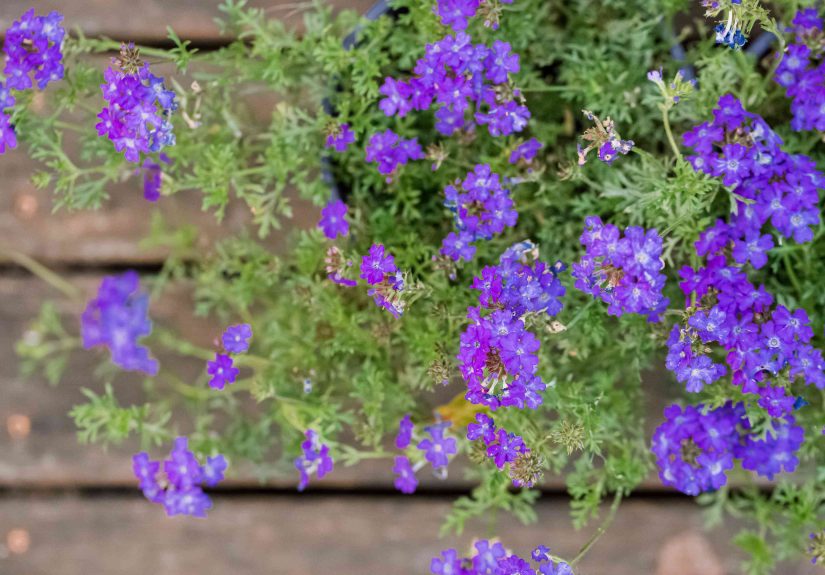
Verbena bonariensis, often called purpletop verbena, has wiry stems topped with clusters of small purple flowers. It adds height without blocking the view, making it perfect for layered plantings. Butterflies love it. It prefers full sun and well-drained soil and may self-seed in favorable climates. Check local guidance before planting, because it can behave too enthusiastically in some regions.
10. Cleome
Best for: Annual borders, pollinator gardens, informal beds
Typical height: About 4 to 6 feet
Cleome, also called spider flower, has airy clusters of pink, white, lavender, or rose blooms with long stamens that give it a playful look. It grows quickly from seed and flowers through summer into fall. Older varieties can have thorns and a musky scent, while newer cultivars are often more compact and refined. Give cleome sun, space, and permission to be a little quirky.
11. Mexican Sunflower
Best for: Butterflies, hot gardens, bold orange color
Typical height: About 4 to 6 feet or more
Mexican sunflower, or Tithonia, grows fast and produces blazing orange daisy-like flowers that pollinators adore. It thrives in heat and full sun, making it a strong choice for summer gardens that need color when other plants start complaining. Use it as a seasonal screen, a back-border anchor, or a butterfly buffet. It may need room, because happy Tithonia does not believe in being petite.
12. Giant Coneflower
Best for: Native gardens, prairie-style beds, architectural foliage
Typical height: About 5 to 7 feet
Giant coneflower, or Rudbeckia maxima, has large blue-green leaves and tall stems topped with yellow ray petals around dark cones. The flowers look like black-eyed Susans that joined a gym and hired a stylist. It prefers full sun and tolerates dry to medium soil once established. Leave seed heads standing after bloom for winter interest and wildlife value.
13. Hardy Hibiscus
Best for: Huge flowers, sunny borders, moist soils
Typical height: About 4 to 8 feet for many hybrids
Hardy hibiscus delivers enormous flowers in white, pink, red, and bicolor combinations. Some blooms are so large they look like dessert plates, which is convenient because gardeners already call them “dinner-plate hibiscus.” These herbaceous perennials die back in winter and return from the roots in spring. Give them full sun, consistent moisture, and room to become the garden’s main event.
14. New England Aster
Best for: Late-season color, native plantings, pollinators
Typical height: About 3 to 6 feet
New England aster brings purple, pink, or lavender daisy-like flowers in late summer and fall, just when many gardens start looking tired. It supports bees and butterflies, including late-season pollinators preparing for cooler weather. Plant it in full sun with average to moist soil. Pinching stems in early summer can encourage bushier growth and reduce flopping.
15. Giant Ironweed
Best for: Native meadows, wet spots, bold purple flowers
Typical height: About 5 to 8 feet in cultivation, sometimes taller
Giant ironweed is tall, tough, and unforgettable. Its deep purple flower clusters appear on strong stems in mid to late summer. It works beautifully in meadow plantings, large borders, and moist sites. Because it can reach impressive size, do not squeeze it into a tiny bed and then act surprised when it turns into a purple tower. Give it space and enjoy the show.
16. Queen of the Prairie
Best for: Rain gardens, moist borders, romantic texture
Typical height: About 6 to 8 feet
Queen of the prairie produces fluffy pink flower plumes that look like cotton candy had a botanical career change. This native perennial prefers moist to wet soil and full sun to part shade. It is excellent for rain gardens, naturalized areas, and large perennial borders. Over time, it can spread by rhizomes, so place it where a graceful colony is welcome.
17. Giant Allium
Best for: Spring structure, formal gardens, modern borders
Typical height: About 3 to 5 feet
Giant allium produces round purple flower globes on tall stems in late spring to early summer. The look is sculptural, clean, and slightly futuristic, as if the garden hired a designer who loves geometry. Plant bulbs in fall in full sun and well-drained soil. Alliums are also useful because deer and rabbits often avoid them.
18. Dahlia
Best for: Cut flowers, late-season color, dramatic blooms
Typical height: About 3 to 6 feet, depending on variety
Dahlias offer some of the most diverse flowers in the garden, from neat balls to cactus forms to giant dinner-plate blooms. Tall varieties need full sun, fertile soil, regular water, and staking. In cold climates, tubers are usually lifted and stored after frost. Dahlias are not exactly plant-and-ignore flowers, but they repay attention with blooms that look professionally arranged even when you are holding them in a coffee mug.
19. Garden Phlox
Best for: Fragrance, butterflies, mid-to-late summer borders
Typical height: About 2 to 4 feet, with some taller cultivars
Garden phlox may not be the tallest plant on this list, but it earns its place through vertical flower clusters, fragrance, and long bloom time. It produces pink, white, lavender, purple, and bicolor blooms that attract butterflies and hummingbirds. Good air circulation is important because phlox can develop powdery mildew. Choose mildew-resistant cultivars and water at the base rather than showering the leaves like they are at a spa.
20. Cup Plant
Best for: Wildlife gardens, rain gardens, prairie-style landscapes
Typical height: About 4 to 8 feet, sometimes taller
Cup plant is a native perennial with yellow sunflower-like blooms and distinctive leaves that join around the stem, forming small cups that can collect water. Birds, bees, and butterflies all appreciate it. It prefers full sun and medium to wet soil. This is a large, vigorous plant best suited to spacious gardens, naturalized areas, or the back of a big border.
How to Use Tall Flowers Without Overwhelming the Garden
Layer Heights Thoughtfully
Use tall flowers as anchors, not as a wall of green and petals. In a one-sided border, place the tallest flowers toward the back, medium plants in the middle, and shorter flowers near the front. In beds viewed from all sides, put the tallest plants near the center. Then repeat a few vertical accents along the bed so the design feels connected.
Mix Bloom Times
A strong tall-flower garden should not peak for two weeks and then look like a sad salad. Combine spring bloomers such as giant allium and foxglove with summer stars like lilies, hollyhocks, cannas, and sunflowers. Add late-season performers such as New England aster, ironweed, Mexican sunflower, and garden phlox for color into fall.
Support Before You Need It
Staking works best when it happens early. Waiting until a storm flattens your dahlias is like buying an umbrella after you are already soaked. Use grow-through supports, bamboo stakes, rings, or soft ties while plants are still young. The goal is invisible support, not a hostage situation involving twine.
Choose Plants for Your Conditions
Sunflowers, Mexican sunflowers, giant alliums, and dahlias want plenty of sun. Joe Pye weed, queen of the prairie, cup plant, and hardy hibiscus appreciate moisture. Foxglove and some lilies can handle part shade. Matching flowers to the site reduces maintenance and increases the chance that your tall flowers will look majestic instead of melodramatic.
Personal Garden Experiences: What Tall Flowers Teach You Over Time
Growing tall flowers teaches patience, planning, and humility. The first lesson is that height changes everything. A garden bed that looked balanced in spring can turn into a jungle by August if every plant decides to aim for the clouds. That is not always bad. In fact, some of the most memorable gardens have a little controlled wildness. The trick is learning which plants need boundaries and which ones deserve a starring role.
One practical experience many gardeners share is the value of planting tall flowers in groups. A single sunflower can look charming, but a row of sunflowers becomes a golden fence. One hollyhock is pretty; five hollyhocks can transform a plain wall into a cottage-garden scene. Tall flowers often look better when repeated because repetition gives height a purpose. Without repetition, a lone towering plant may look like it got lost on the way to another garden.
Another lesson is that staking is not failure. New gardeners sometimes think a plant should stand perfectly on its own. Then the first summer thunderstorm arrives and provides a very persuasive counterargument. Tall flowers with heavy blooms, such as dahlias, delphiniums, lilies, and gladiolus, often need help. The best supports are placed early, when the plant can grow through them naturally. By bloom time, the support disappears visually, and the plant gets all the applause.
Tall flowers also change how you think about wildlife. Joe Pye weed, cup plant, ironweed, asters, sunflowers, and Mexican sunflowers can turn a quiet yard into a pollinator airport. Butterflies drift in, bees work the flowers, and birds arrive later for seeds or water. Watching that activity makes the garden feel alive in a deeper way. It is no longer just decoration; it becomes habitat.
There is also a design lesson in restraint. Not every tall flower belongs in every small garden. Cup plant, giant ironweed, queen of the prairie, and large cannas need room. In a compact yard, one dramatic clump may be enough. In a larger landscape, these same plants can be used in generous drifts. A good rule is to respect the mature size listed on plant tags. The tiny nursery pot is not telling the whole story; it is basically the plant’s baby photo.
Finally, tall flowers remind gardeners to enjoy imperfection. A few leaning stems, self-seeded surprises, or towering blooms that exceed expectations can make a garden more personal. The strongest impact often comes from a mix of planning and spontaneity: the allium globes in spring, the lilies in midsummer, the asters in fall, and the sunflowers that somehow grew taller than anyone expected. Tall flowers bring energy, movement, and personality. They are the exclamation points of the garden, and sometimes that is exactly what a landscape needs.
Conclusion
Tall flowers make a strong impact because they do more than add color. They create structure, privacy, wildlife value, and seasonal drama. Whether you love cottage classics like hollyhocks and foxgloves, bold tropical performers like cannas and hardy hibiscus, or native powerhouses like Joe Pye weed, ironweed, and cup plant, there is a tall flower for almost every sunny garden style. Choose plants that match your soil, light, and space, support top-heavy stems early, and let vertical blooms bring your landscape to life.