Table of Contents >> Show >> Hide
- Why Are TikTokers Eating Sticks of Butter?
- What Is Actually in a Stick of Butter?
- Why Eating Butter Like a Snack Is a Bad Idea
- But Isn’t Fat Good for You?
- Why Butter Feels Satisfying
- What About the Carnivore Diet Claims?
- Is Butter Ever Okay?
- Better Snack Ideas Than a Stick of Butter
- How to Spot Bad Nutrition Advice on TikTok
- The Bottom Line: Butter Is a Ingredient, Not a Snack Strategy
- Real-Life Experiences and Practical Reflections on the Butter Trend
- Conclusion
Every few weeks, the internet looks at a normal kitchen ingredient and says, “What if we made this weird?” That is how we end up with people filming themselves biting into sticks of butter as if they just discovered a golden ticket in the dairy aisle. The trend has popped up around TikTok, wellness circles, carnivore diet content, and “ancestral eating” videos, where butter is sometimes presented as a miracle snack for energy, hormones, glowing skin, mood, or weight loss.
But here is the slippery truth: butter may be delicious on toast, useful in baking, and responsible for making mashed potatoes taste like a hug, but eating it straight like a candy bar is not a smart health move. A stick of butter is not a snack. It is a concentrated block of dairy fat, calories, saturated fat, and, if salted, sodium. Your body can handle fat. It needs fat. But it does not need an entire yellow brick of it while your phone records in portrait mode.
This article breaks down why TikTokers are snacking on sticks of butter, why the trend is risky, what actually happens nutritionally, and what better options exist for people who want satisfying, higher-fat snacks without turning the fridge door into a stunt stage.
Why Are TikTokers Eating Sticks of Butter?
The butter-snacking trend did not come out of nowhere. It is tied to several online nutrition ideas that have become popular in short-form video: the carnivore diet, low-carb eating, “seed oil” fear, anti-processed-food messaging, and the belief that animal fats are automatically more natural and therefore better. On video, the message is simple: butter equals clean energy, modern diets are broken, and everyone else is just afraid of fat.
That simplicity is exactly why the trend spreads. Nutrition is complicated. TikTok prefers content that can be explained in seven seconds while someone points at floating text. “Eat balanced meals with fiber, protein, unsaturated fats, fruits, vegetables, and reasonable portions” does not have the same viral sparkle as someone taking a heroic bite from a stick of butter and claiming they feel amazing.
The Problem With Viral Nutrition Advice
The internet often turns food into a personality test. One week, butter is the villain. The next week, butter is apparently a wellness crystal with a nutrition label. Neither extreme is useful. Butter is not poison, but it is also not a superfood snack. The main issue is portion size and pattern. A little butter in cooking can fit into many diets. Eating sticks of butter regularly is a different story.
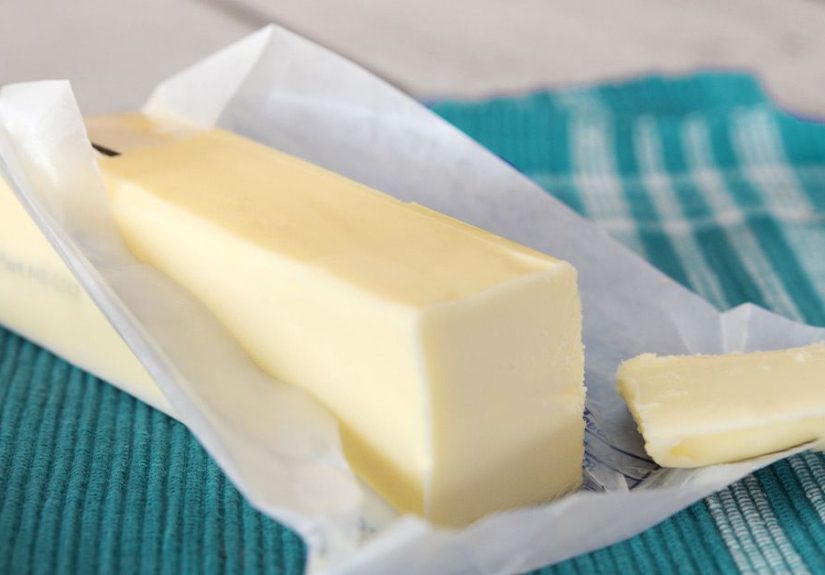
One tablespoon of butter already contains about 102 calories and more than 7 grams of saturated fat. A full stick contains eight tablespoons. Do the math, and a stick can bring around 800 calories and roughly 58 grams of saturated fat. That is not a cute little nibble. That is a saturated-fat parade with a marching band.
What Is Actually in a Stick of Butter?
Butter is mostly fat, with very little protein, fiber, or carbohydrate. It is made by churning cream until the fat separates from the liquid. That is why butter tastes rich: it is concentrated dairy fat. The richness is useful in cooking, but as a snack, it is nutritionally lopsided.
Here is the basic picture: butter provides calories, saturated fat, cholesterol, and small amounts of fat-soluble vitamins. What it does not provide is fiber, meaningful protein, vitamin C, iron, complex carbohydrates, or the broad range of nutrients found in balanced foods. So when someone snacks on butter, they are getting energy, but not much nutritional variety.
Calories Add Up Fast
Calories are not bad. Your body needs them to think, move, grow, repair, and keep you from becoming a dramatic couch blanket. But calorie density matters. Butter is extremely calorie-dense because fat has 9 calories per gram, more than double the calories per gram found in protein or carbohydrates.
If someone eats a stick of butter on top of their regular meals, they may add about 800 extra calories in a few minutes. Doing that often can make it easier to gain weight unintentionally, especially if the rest of the diet is not adjusted. More importantly, those calories do not come with the fullness support you would get from fiber-rich foods like oats, beans, vegetables, fruit, or whole grains.
Saturated Fat Is the Main Concern
The biggest reason dietitians and heart-health experts raise an eyebrow at butter snacks is saturated fat. Butter is high in saturated fat, and major health organizations recommend limiting saturated fat because high intake can raise LDL cholesterol, often called “bad” cholesterol. High LDL cholesterol is linked with a higher risk of heart disease and stroke.
The Dietary Guidelines for Americans recommend keeping saturated fat under 10 percent of daily calories. The American Heart Association recommends an even lower target for heart health. A single tablespoon of butter can take up a big chunk of that daily saturated-fat budget. A whole stick blows past it like it is late for a flight.
Why Eating Butter Like a Snack Is a Bad Idea
The problem is not that butter exists. The problem is treating it like a health hack. A small pat of butter on vegetables or a teaspoon in a recipe is very different from eating the product straight from the wrapper. Portion, frequency, and overall diet pattern matter.
1. It Can Push Saturated Fat Intake Way Too High
When saturated fat becomes a major part of the diet, it may raise LDL cholesterol in many people. That does not mean one bite of butter causes instant doom. Bodies are not that dramatic. But regular high intake can shift blood lipid levels in an unhealthy direction, especially for people with a family history of high cholesterol, diabetes, high blood pressure, or existing heart-risk factors.
Some influencers argue that butter is harmless because it is “natural.” But natural does not automatically mean unlimited. Poison ivy is natural. So are hurricanes. Nature is not a nutrition certification program.
2. It Replaces Foods Your Body Actually Needs
A snack should help bridge hunger and add something useful: protein, fiber, vitamins, minerals, hydration, or long-lasting energy. Butter brings fat and calories, but very little else. If butter replaces nutrient-rich foods, the diet can become short on fiber, potassium, magnesium, antioxidants, and other nutrients that support digestion, heart health, and overall wellness.
This is especially important for people following very restrictive diets. A plate built mostly from meat and butter may look bold on camera, but it can leave out food groups that support gut health and long-term disease prevention. Your digestive system is not impressed by aesthetic food rules. It wants variety.
3. It May Upset Your Stomach
A big dose of fat at once can be rough on digestion. Some people may feel nausea, bloating, cramps, urgency, or diarrhea after eating very fatty foods. People with gallbladder issues, reflux, pancreatic conditions, or certain digestive disorders may be especially sensitive.
Even for people with healthy digestion, eating a stick of butter can feel like sending your stomach a confusing email with no subject line. Fat slows stomach emptying, which can make some people feel heavy or uncomfortable. Butter also lacks fiber, so it does not support regular digestion the way whole-food snacks can.
4. It Encourages “One Weird Trick” Nutrition Thinking
One of the sneakiest problems with trends like this is not just the butter itself. It is the message behind it: that a single food can solve energy, hormones, skin, mood, metabolism, and weight. That is not how health works. Human bodies are more complex than a caption with fire emojis.
Energy can be affected by sleep, hydration, stress, iron levels, thyroid function, meal timing, physical activity, mental health, and overall diet. Skin can be influenced by genetics, hormones, skincare, sun exposure, medical conditions, and nutrition patterns. Butter does not magically manage all of that. It is a food, not a wizard.
But Isn’t Fat Good for You?
Yes, dietary fat is important. This is where the conversation needs nuance. Fat helps the body absorb vitamins A, D, E, and K. It supports cell membranes, hormone production, brain health, and satisfaction after meals. A no-fat diet is not the goal.
The real question is: what kind of fat, how much, and in what overall pattern? Health experts generally recommend replacing some saturated fats with unsaturated fats from foods like olive oil, avocado, nuts, seeds, and fatty fish. These foods provide fats along with other beneficial nutrients. A handful of walnuts gives fat, protein, fiber, magnesium, and plant compounds. A stick of butter gives mostly fat and a strong chance of becoming a group chat topic.
Saturated Fat vs. Unsaturated Fat
Saturated fats are typically solid at room temperature and are common in butter, cheese, fatty meats, coconut oil, palm oil, and many desserts. Unsaturated fats are usually liquid at room temperature and are found in foods such as olive oil, canola oil, nuts, seeds, avocado, and many types of fish.
Research-backed heart-health guidance often focuses less on simply “eating less fat” and more on replacing saturated fat with unsaturated fat. That swap can improve blood cholesterol levels and support better long-term cardiovascular health. In plain English: do not fear fat, but choose your fats like your arteries are reading the menu too.
Why Butter Feels Satisfying
People who defend the butter trend often say they feel full or energized after eating it. That can happen. Fat is energy-dense and slows digestion, so it can create a feeling of fullness. But feeling full does not automatically mean a food is balanced or ideal as a snack.
For comparison, you could feel full after eating a bowl of beans and avocado, Greek yogurt with nuts, peanut butter on whole-grain toast, or eggs with vegetables. Those options provide more nutrition variety. The goal is not to remove satisfaction from eating. The goal is to get satisfaction without treating the butter dish like a lunchbox.
What About the Carnivore Diet Claims?
Some butter-snacking videos are connected to the carnivore diet, which usually emphasizes animal foods and limits or removes plant foods. Supporters often claim it improves energy, weight, mood, digestion, or inflammation. Individual stories can be compelling, but personal anecdotes are not the same as broad scientific proof.
Highly restrictive diets may also be difficult to maintain and can reduce intake of fiber and many plant-based nutrients. Some people may see short-term weight loss if they reduce overall calories or cut out many ultra-processed foods, but that does not prove that eating sticks of butter is the magic ingredient. Sometimes the “result” comes from what was removed, not from the most dramatic food that remained.
Social Media Results Can Be Misleading
Online nutrition transformations often leave out important details: total calories, exercise, medical history, supplements, editing, lighting, genetics, and what the person eats when the camera is off. A 30-second clip is not a medical record. It is content.
Before copying a diet trend, ask: Is this person qualified? Are they selling something? Do they show bloodwork? Do reputable health organizations agree? Is the advice safe for people with common health conditions? If the answer is mostly “no,” put the butter down and back away slowly.
Is Butter Ever Okay?
Yes. Butter can fit into a healthy diet in small amounts. It adds flavor, helps with cooking texture, and can be part of traditional recipes. Food does not need to be morally perfect to have a place in your kitchen. The issue is quantity and framing.
Using a teaspoon of butter to finish a pan of vegetables is not the same as eating a stick while calling it wellness. A reasonable approach is to enjoy butter as a flavoring fat, not as a main snack. Think supporting actor, not lead role.
Better Snack Ideas Than a Stick of Butter
If the reason people reach for butter is hunger, low-carb preference, or craving something rich, there are better options. These snacks provide fat along with protein, fiber, or micronutrients:
- Greek yogurt with berries and walnuts
- Apple slices with peanut butter
- Avocado on whole-grain toast
- Hard-boiled eggs with fruit or vegetables
- Hummus with carrots, cucumbers, or whole-grain crackers
- Trail mix with nuts, seeds, and a small amount of dried fruit
- Cottage cheese with tomatoes or peaches
- Smoked salmon on whole-grain crackers
These options still offer satisfaction, but they do not ask your heart health to sign a waiver.
How to Spot Bad Nutrition Advice on TikTok
Not every nutrition creator is wrong. Many registered dietitians, physicians, and public health professionals share helpful information online. But viral platforms reward confidence, not accuracy. The loudest person in the video is not always the person with the best evidence.
Red Flags to Watch For
- The creator says one food cures many unrelated problems.
- They demonize entire food groups without medical context.
- They use words like “toxic,” “poison,” or “ancestral” as proof.
- They rely only on personal experience.
- They sell a supplement, course, meal plan, or exclusive community.
- They tell everyone to ignore mainstream medical advice.
- They make extreme eating look glamorous, effortless, or rebellious.
Good nutrition advice usually sounds less exciting because it has boundaries. It says things like “it depends,” “talk to your clinician,” “watch portions,” and “look at your overall pattern.” Not exactly viral fireworks, but much better for real life.
The Bottom Line: Butter Is a Ingredient, Not a Snack Strategy
Butter is tasty. Butter is useful. Butter is also high in calories and saturated fat. Eating sticks of butter for views or because a TikTok influencer promised better energy is not a wise health strategy. The trend oversimplifies nutrition and encourages people to confuse dramatic eating with healthy eating.
If you enjoy butter, use it in moderation. Add flavor to food. Bake the cookies. Butter the corn. Finish the sauce. Just do not mistake a viral dairy stunt for a balanced snack. Your body deserves more than a wrapper and a ring light.
Real-Life Experiences and Practical Reflections on the Butter Trend
Most people have had at least one moment where a food trend seemed oddly convincing. Maybe it was celery juice, charcoal lemonade, raw eggs, gallon-sized water challenges, or a smoothie that required fourteen ingredients and the confidence of a chemistry teacher. The butter trend fits neatly into that family. It is strange enough to grab attention, simple enough to copy, and bold enough to make people wonder, “Wait, are they onto something?”
Imagine someone trying this trend after seeing a creator say butter keeps them full all morning. The first bite might feel rich and satisfying. The second bite may feel like a dare. By the third, the body starts sending customer service complaints. The person may feel heavy, thirsty, or queasy. They may also realize that eating plain butter is less like enjoying a snack and more like losing an argument with a refrigerator.
Another common experience is confusion. Many people have heard for years that fat is bad, then heard that fat is good, then heard that seed oils are bad, then heard that butter is back, then heard that everything depends on context. No wonder people get tired. Nutrition messaging online can feel like a group project where nobody read the same instructions. That is why boring, evidence-based advice matters. It gives people a steady framework: include healthy fats, limit saturated fat, prioritize whole foods, eat enough fiber, and avoid extreme trends unless a qualified professional recommends a specific plan for a specific reason.
For someone who genuinely feels hungry between meals, the butter trend may point to a real need: their meals may not be satisfying enough. But the solution is not necessarily more butter. It may be adding protein at breakfast, including fiber-rich carbohydrates, drinking enough water, or building snacks that combine fat, protein, and fiber. For example, toast with avocado and egg will usually support fullness better than plain butter because it brings multiple nutrients to the table. Peanut butter with apple slices gives sweetness, crunch, fat, fiber, and protein. Greek yogurt with nuts feels creamy and rich without becoming a saturated-fat festival.
There is also a social side to trends like this. People may try extreme food behaviors because they want to belong, get comments, or feel like they are discovering secret knowledge before everyone else. That is understandable. Food is personal, and online communities can make people feel seen. But a trend can be entertaining without being worth copying. You can laugh at a butter-biting video and still choose a balanced snack. That is called maturity, and occasionally, digestion.
The best experience-based lesson is simple: pay attention to how food fits into your actual life, not just how it looks online. Does it help you feel steady, focused, and satisfied? Does it support your health goals? Does it leave room for fruits, vegetables, protein, whole grains, and healthy fats? Can you imagine doing it comfortably for months or years? If a trend fails those questions, it probably belongs in the “interesting internet moment” folder, not your daily routine.
Butter has a place. It belongs melted into pancakes, spread thinly on toast, stirred into a sauce, or used in recipes where its flavor matters. It does not need to be eaten like a banana with worse packaging. The next time a TikTok trend turns a basic ingredient into a miracle cure, take a breath, check the evidence, and remember: if a snack requires a disclaimer, a debate, and possibly a paper towel, there is probably a better option.
Conclusion
The stick-of-butter snack trend is a perfect example of how social media can turn a normal food into extreme advice. Butter is not automatically evil, but eating it in stick-sized portions is a bad idea for most people because it delivers a heavy load of saturated fat and calories with very little nutritional balance. For heart health, digestion, long-term energy, and common sense, butter works better as an ingredient than as a snack.
Healthy eating does not require panic, perfection, or copying every confident person with a ring light. It requires patterns that are realistic, enjoyable, and supported by evidence. Use butter when it makes food better, but build snacks from foods that offer more: protein, fiber, vitamins, minerals, and healthy unsaturated fats. Your toast can keep the butter. Your snack drawer deserves better.
Note: This article is for general educational purposes and should not replace personalized medical or nutrition advice from a qualified health professional, especially for people with high cholesterol, heart disease, diabetes, digestive disorders, or other medical conditions.