Table of Contents >> Show >> Hide
- When Your City Feels Like a Pollen Snow Globe
- How the Worst Allergy Cities Are Ranked
- The 25 Worst U.S. Cities for Allergy Sufferers
- 1. Boise, Idaho
- 2. San Diego, California
- 3. Tulsa, Oklahoma
- 4. Provo, Utah
- 5. Rochester, New York
- 6. Wichita, Kansas
- 7. Raleigh, North Carolina
- 8. Ogden, Utah
- 9. Spokane, Washington
- 10. Greenville, South Carolina
- 11. San Francisco, California
- 12. Minneapolis, Minnesota
- 13. Salt Lake City, Utah
- 14. Richmond, Virginia
- 15. Colorado Springs, Colorado
- 16. Little Rock, Arkansas
- 17. Toledo, Ohio
- 18. New Orleans, Louisiana
- 19. Winston-Salem, North Carolina
- 20. Lakeland, Florida
- 21. Knoxville, Tennessee
- 22. Greensboro, North Carolina
- 23. Pittsburgh, Pennsylvania
- 24. Palm Bay, Florida
- 25. Worcester, Massachusetts
- Why Allergies Are Getting Worse in Many U.S. Cities
- Common Allergy Symptoms to Watch For
- How to Survive Allergy Season in a High-Pollen City
- Experience Notes: What Life Feels Like in America’s Toughest Allergy Cities
- Conclusion
Note: This article is for educational purposes only and should not replace medical advice. People with severe allergies, asthma, breathing symptoms, or persistent sinus problems should speak with a qualified health care professional or allergist.
When Your City Feels Like a Pollen Snow Globe
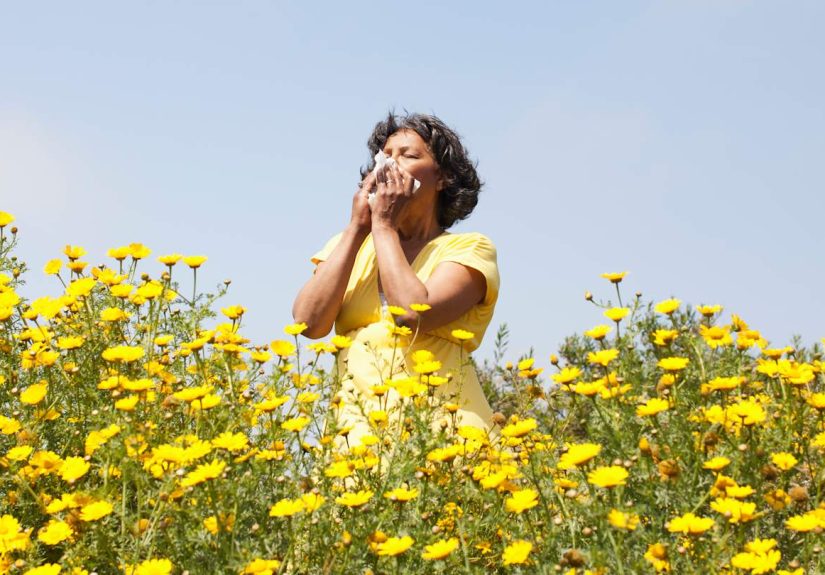
Some cities greet spring with tulips, patio brunch, and birds chirping like they just signed a record deal. Others greet it with itchy eyes, a nose that runs like it is training for a marathon, and enough pollen on your windshield to write your name in yellow dust. Welcome to life in America’s toughest allergy cities.
The worst U.S. cities for allergy sufferers are not chosen by who complains the loudest in the office break room, although that would be a fascinating competition. The latest allergy-city rankings look at measurable factors: tree, grass, and weed pollen levels, over-the-counter allergy medicine use, and access to board-certified allergists and immunologists. Together, those factors show where seasonal allergies can be especially hard to manage.
The biggest surprise in the current ranking is how many Western cities jumped toward the top. Allergy misery used to feel like a Southern and Midwestern specialty, with cities such as Wichita, Tulsa, Raleigh, and Richmond regularly appearing near the top. But warmer weather patterns, longer growing seasons, grass pollen spikes, weed pollen surges, and changing moisture conditions have turned places like Boise, San Diego, Provo, Ogden, Spokane, San Francisco, Salt Lake City, and Colorado Springs into major allergy trouble spots.
Below is a practical, human-friendly look at the 25 worst U.S. cities for allergy sufferers, why they are challenging, and what residents can do besides glaring suspiciously at every tree in the neighborhood.
How the Worst Allergy Cities Are Ranked
Seasonal allergies are usually triggered by pollen from trees, grasses, and weeds. Tree pollen often shows up first, grass pollen tends to dominate late spring and early summer, and weed pollen, especially ragweed, can make late summer and fall feel like a nasal obstacle course. In warmer regions, pollen may show up earlier, linger longer, or never fully leave the party.
The ranking below reflects the latest available national allergy-capitals data for large U.S. metro areas. A high ranking does not mean everyone in that city will suffer, and a lower ranking does not mean you are magically safe. Allergy symptoms depend on your personal sensitivities, your neighborhood, your daily routine, indoor air quality, mold exposure, asthma history, and whether you remember to close the windows before the pollen cavalry rides in.
The 25 Worst U.S. Cities for Allergy Sufferers
1. Boise, Idaho
Boise takes the top spot, largely because of heavy pollen pressure and limited allergy-specialist availability compared with demand. Its dry climate can also keep airborne particles floating around longer, which is not exactly a gift to anyone with itchy eyes and a pocket full of tissues.
2. San Diego, California
San Diego may look like a postcard, but allergy sufferers know sunshine is not always innocent. Grass and weed pollen spikes helped push this coastal city near the top, proving that beach weather and clear sinuses are not automatically a package deal.
3. Tulsa, Oklahoma
Tulsa has long been a tough place for seasonal allergies. Tree and grass pollen can hit hard, and allergy medicine use remains high. If your nose starts acting dramatic every spring, Tulsa gives it plenty of material.
4. Provo, Utah
Provo’s ranking reflects strong pollen exposure and fewer allergy specialists relative to need. Mountain views may be gorgeous, but the local pollen can make residents appreciate the scenery through watery eyes.
5. Rochester, New York
Rochester’s colder climate might sound like protection, but pollen seasons can still be intense when they arrive. A shorter warm season does not always mean a gentle one; sometimes nature simply compresses the sneeze schedule.
6. Wichita, Kansas
Wichita has been a recurring heavyweight in allergy rankings. Wind, grasses, tree pollen, and high medicine use make it one of the most challenging places for people with seasonal allergic rhinitis.
7. Raleigh, North Carolina
Raleigh combines a long growing season with abundant trees, grasses, and weeds. The city is beautiful, green, and full of outdoor appeal, which is charming until your immune system treats every breeze like breaking news.
8. Ogden, Utah
Ogden’s position reflects a larger Western allergy trend. Warmer conditions and pollen spikes have pushed several Utah metros upward, especially where grass and weed pollen have become more intense.
9. Spokane, Washington
Spokane may not be the first city people associate with brutal allergies, but changing pollen patterns have made it more challenging. Dry stretches and seasonal vegetation can create uncomfortable days for sensitive noses.
10. Greenville, South Carolina
Greenville has the classic Southern allergy recipe: a long growing season, lush vegetation, and pollen that seems to arrive with confidence. Grass and weed pollen are frequent troublemakers here.
11. San Francisco, California
San Francisco’s cool coastal image does not guarantee allergy relief. Wind patterns, regional pollen, grasses, and urban air conditions can all contribute to symptoms. The fog may be famous, but the sneezing deserves a supporting role.
12. Minneapolis, Minnesota
Minneapolis residents know winter is not forever, even if it sometimes sends convincing emails. Once plants wake up, pollen can surge quickly, and allergy sufferers may feel the shift almost overnight.
13. Salt Lake City, Utah
Salt Lake City faces a mix of pollen exposure, dry air, and valley air-quality concerns. For allergy sufferers, that can mean nasal irritation plus pollen symptoms, a combination nobody asked to bundle.
14. Richmond, Virginia
Richmond remains one of the toughest allergy cities in the East. Tree pollen, grass pollen, weed pollen, and a long growing season can stretch symptoms across multiple parts of the year.
15. Colorado Springs, Colorado
Colorado Springs brings mountain air, outdoor recreation, and enough pollen exposure to bother sensitive residents. Dry, windy days may make symptoms worse by keeping pollen and irritants in motion.
16. Little Rock, Arkansas
Little Rock is another Southern city where allergy season can feel more like allergy seasons, plural. Tree, grass, and weed pollen each get their turn, and residents may need a year-round strategy rather than a spring-only plan.
17. Toledo, Ohio
Toledo’s ranking shows that Midwest allergies can be serious. Pollen exposure, medicine use, and specialist access all matter, especially for people who experience both nasal allergies and asthma symptoms.
18. New Orleans, Louisiana
New Orleans has warmth, humidity, lush plant growth, and a long pollen window. Weed pollen and mold-related issues can be especially frustrating in damp conditions, making allergy management a real lifestyle skill.
19. Winston-Salem, North Carolina
Winston-Salem sits in a region where pollen can build early and linger late. Trees, grasses, and weeds all contribute, and many residents find that one box of tissues is an optimistic starting point.
20. Lakeland, Florida
Lakeland’s warm climate can support long pollen seasons, and Florida’s humidity can bring mold concerns into the conversation. For sensitive people, “seasonal” allergies may feel suspiciously close to “most of the year.”
21. Knoxville, Tennessee
Knoxville’s hills and greenery make it beautiful, but they also help support heavy pollen exposure. Tree pollen in spring and weed pollen later in the year can make symptoms stubborn.
22. Greensboro, North Carolina
Greensboro remains a difficult city for allergy sufferers because of pollen intensity and high allergy medicine use. The local landscape is lovely, but the pollen clearly did not read the room.
23. Pittsburgh, Pennsylvania
Pittsburgh’s allergy challenge comes from pollen exposure and regional weather shifts. Rain may temporarily wash pollen down, but warmer, drier, windy days can bring symptoms roaring back.
24. Palm Bay, Florida
Palm Bay’s warm, humid environment can make pollen and mold management tricky. Residents may benefit from paying attention not just to pollen counts, but also to indoor moisture and air filtration.
25. Worcester, Massachusetts
Worcester rounds out the top 25, showing that New England is not allergy-proof. Even areas with colder winters can experience intense spring and summer pollen bursts when conditions line up.
Why Allergies Are Getting Worse in Many U.S. Cities
Allergy seasons are becoming longer and more intense in many parts of the country. Warmer temperatures can make plants start growing earlier, produce more pollen, and keep releasing pollen later into the year. Increased carbon dioxide can also boost pollen production in certain plants, especially grasses and ragweed.
Urban areas add another layer. Concrete, asphalt, buildings, and traffic can contribute to hotter city conditions and air pollution. Pollen and pollution together can irritate airways, making symptoms feel worse for some people. That is why two people in the same city may have very different experiences: one person gets a few sniffles, while another feels like their face has been personally targeted by landscaping.
Common Allergy Symptoms to Watch For
Seasonal allergies, also called allergic rhinitis or hay fever, often cause sneezing, congestion, runny nose, postnasal drip, itchy nose, itchy throat, red or watery eyes, and swelling around the eyes. Some people also experience coughing, wheezing, shortness of breath, or chest tightness, especially if they have asthma.
One useful clue: allergies often come with itching and repeat exposure patterns. If symptoms flare after mowing the lawn, walking under blooming trees, opening windows, or spending time outdoors on high-pollen days, pollen may be involved. However, symptoms that include fever, severe pain, unusual breathing trouble, or worsening asthma should be taken seriously and discussed with a medical professional.
How to Survive Allergy Season in a High-Pollen City
Check pollen counts before making outdoor plans
Pollen forecasts are not perfect, but they are useful. On high-pollen days, plan outdoor exercise for times when counts are lower, keep windows closed, and consider shifting intense yard work to another day.
Keep pollen out of your home
Your home should not become a pollen Airbnb. Remove shoes near the door, change clothes after long outdoor exposure, shower before bed, and avoid drying laundry outside during peak pollen season. Pollen-covered pillowcases are not a wellness trend.
Use filtration wisely
High-efficiency HVAC filters and portable air purifiers can help reduce indoor particles when used correctly. Make sure your HVAC system can handle the filter type you choose, and replace filters on schedule.
Start treatment early
Many allergy medicines work best when used before symptoms explode. Depending on your situation, options may include oral antihistamines, nasal corticosteroid sprays, antihistamine nasal sprays, eye drops, saline rinses, or other treatments recommended by a clinician.
Consider allergy testing
If you are miserable every year and guessing your triggers, allergy testing may help. Knowing whether trees, grasses, weeds, mold, dust mites, or pets are driving symptoms can make your treatment plan far more targeted.
Ask about immunotherapy
For people who do not get enough relief from avoidance strategies and medication, allergen immunotherapy may be an option. This approach gradually trains the immune system to become less reactive to specific allergens.
Experience Notes: What Life Feels Like in America’s Toughest Allergy Cities
Living in one of the worst U.S. cities for allergy sufferers changes small daily decisions. You do not just check the weather; you check the pollen count like it is a stock portfolio. A sunny 72-degree day may look perfect to everyone else, but if tree pollen is high, you know that “perfect” can quickly turn into sneezing through a meeting and pretending your watery eyes are emotional depth.
In cities like Raleigh, Greenville, Little Rock, and Richmond, spring can arrive beautifully and aggressively at the same time. Trees bloom, lawns wake up, and neighborhoods look magazine-ready. Then your nose starts running, your eyes itch, and your car develops that familiar yellow-green pollen coat. It is hard to stay mad at nature when it looks so pretty, but allergy sufferers somehow manage.
In Western cities such as Boise, Provo, Ogden, Spokane, Salt Lake City, and Colorado Springs, the experience can feel different. The air may be drier, and pollen may not always be visible, but symptoms can still hit hard. Windy afternoons can stir up pollen and dust, leaving people with scratchy throats, irritated eyes, and sinus pressure that feels like a tiny construction crew moved into their forehead.
Coastal cities can be tricky too. San Diego and San Francisco may sound like allergy escapes, but local grasses, regional pollen movement, and urban air factors can still cause problems. People who move to these areas expecting total relief may be surprised when their sinuses send a strongly worded complaint.
Florida cities such as Lakeland and Palm Bay bring another lesson: warm climates can blur the line between seasonal and year-round symptoms. Pollen may appear across more months, while humidity can support mold growth indoors and outdoors. The result is a need for consistent habits, not just a two-week spring rescue plan.
Daily allergy survival often comes down to routine. Keep sunglasses in the car. Shower before bed. Wash bedding more often during peak season. Do not sleep with windows open just because the breeze feels poetic. Track which months hit you hardest. Keep medications ready before symptoms get dramatic. And when symptoms keep returning despite your best efforts, see an allergist instead of trying to negotiate with ragweed personally.
The good news is that even in the worst allergy cities, relief is possible. The goal is not to hide indoors until winter like a very congested vampire. The goal is to understand your triggers, reduce exposure, treat symptoms early, and build a plan that lets you enjoy your city without carrying tissues like survival gear.
Conclusion
The 25 worst U.S. cities for allergy sufferers show how much pollen patterns are shifting across the country. Boise, San Diego, Tulsa, Provo, and Rochester now sit near the top, while long-time allergy trouble spots such as Wichita, Raleigh, Greenville, Richmond, Little Rock, and New Orleans remain difficult for many residents.
Still, a city ranking is not your destiny. With smart prevention, indoor air control, early treatment, and help from an allergist when needed, you can reduce symptoms and reclaim the parts of spring, summer, and fall that do not involve sneezing into your sleeve like a Victorian poet with Wi-Fi.