Table of Contents >> Show >> Hide
- What Is the Viral Hack to Unshrink Clothes?
- Why Laundry Experts Are Skeptical
- What Actually Causes Clothes to Shrink?
- Why Conditioner Cannot Truly Reverse Every Kind of Shrinkage
- When the Hack Might Help a Little
- When You Should Not Try the Viral Unshrinking Hack
- The Smarter Fix: Prevent Shrinkage Before It Happens
- Fabric-by-Fabric Guide to Shrinkage Risk
- What to Do If You Already Shrunk Something
- Why Viral Laundry Hacks Spread So Quickly
- Expert Takeaway: Prevention Beats Rescue
- Personal Laundry Experiences: Lessons From the Shrinkage Battlefield
- Conclusion
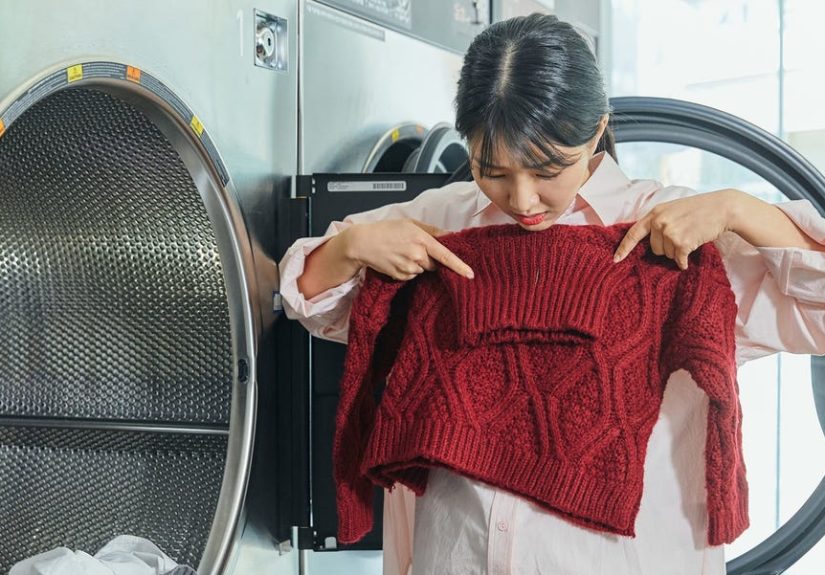
We have all been there: you pull your favorite sweater, T-shirt, or “perfect fit” cotton dress out of the dryer, only to discover it has apparently enrolled in a witness protection program for doll clothing. Suddenly, your medium looks like a toddler’s backup outfit. Then social media arrives with a miracle: soak the garment in lukewarm water and hair conditioner, stretch it gently, andta-da!your shrunken clothes are supposedly back from the laundry afterlife.
It is a comforting idea. It is also exactly the kind of viral laundry hack experts are warning people not to trust too much. The popular method may temporarily relax some fibers, especially in certain knits, but it does not truly reverse all shrinkage. In many cases, the garment may stretch unevenly, lose shape, feel coated with residue, or shrink again the next time it is washed. In other words, the hack is less “laundry science breakthrough” and more “emotional support conditioner.”
This article breaks down why clothes shrink, why the viral unshrinking hack is unreliable, when a gentle reshaping attempt might help, and how to prevent shrinkage before your laundry basket becomes a tiny-clothes factory.
What Is the Viral Hack to Unshrink Clothes?
The most common viral unshrink clothes hack is simple: fill a sink or tub with lukewarm water, add hair conditioner or baby shampoo, soak the garment for about 20 to 30 minutes, rinse or gently squeeze out water, then stretch the item back to its original size and let it air dry flat.
On social media, this looks magical. Someone holds up a shrunken shirt, dunks it in a silky bath, gives it a few careful tugs, and suddenly it appears wearable again. The video is short, satisfying, and usually set to cheerful music. Unfortunately, laundry does not always obey cheerful music.
The theory behind the hack is not completely silly. Conditioner and baby shampoo can make fibers feel softer and more flexible. Water can relax certain yarns. Gentle stretching can reshape a knit garment while it is damp. That is why the method sometimes seems to work, especially on a mildly shrunken cotton T-shirt or a wool sweater that has not felted severely.
But laundry experts caution that “seems to work” is not the same as “restores the garment.” A stretched garment may look bigger temporarily, but the fabric structure has already changed. Once it dries, gets worn, or goes through another wash, the item may tighten again. Worse, pulling too hard can distort seams, sleeves, collars, hems, and ribbed cuffs. Congratulations: now your sweater fits, but one arm looks like it belongs to a professional windmill operator.
Why Laundry Experts Are Skeptical
The main reason experts warn against this viral laundry hack is that shrinkage is not just surface-level. When fabric shrinks, the fibers, yarns, and overall garment construction may contract. Heat, moisture, agitation, and overdrying can all change the dimensions of clothing. Once that happens, conditioner cannot simply “undo” the physical change like an edit button.
Think of it like baking. If you overbake a cookie, you cannot soak it in milk and turn it back into dough. You may soften it, yes. You may make it less tragic, absolutely. But the original structure is gone. Fabric is not exactly a cookie, but the emotional damage can feel similar.
Experts also point out that different fabrics respond very differently. A loosely knitted wool sweater may be reshaped with careful blocking if the shrinkage is mild. A tightly woven cotton shirt that shrank in hot water and a high-heat dryer may not return to its original cut. A rayon blouse may become misshapen when wet. Polyester may resist shrinking in normal conditions but can be damaged by excessive heat. Spandex can lose elasticity when exposed to hot dryers. One hack cannot treat every fabric as if it came from the same laundry universe.
What Actually Causes Clothes to Shrink?
Clothing shrinkage usually comes from three main troublemakers: heat, agitation, and fiber type. These factors often team up in the washer and dryer like a tiny villain committee.
Heat
Hot water and high dryer temperatures can cause fibers to tighten, contract, or lose moisture. Natural fibers such as cotton, wool, linen, and silk are especially sensitive. High heat may also fade colors, weaken fibers, and set wrinkles. The dryer is often the biggest suspect because it combines heat with tumbling and prolonged exposure.
Agitation
Heavy wash cycles, fast spin speeds, and rough tumbling can compress fibers and make garments tighten. This is especially risky for wool, delicate knits, and loosely constructed fabrics. A sweater does not want to be thrown around with jeans and towels like it joined a laundry wrestling league.
Fiber Type
Natural fibers are usually more shrink-prone than synthetic fibers. Cotton and linen may shrink when washed or dried too hot. Wool can shrink dramatically because its surface scales can lock together, a process often called felting. Silk is delicate and can lose shape or texture with improper washing. Synthetic fibers such as polyester, nylon, and acrylic are generally more stable, but they are not invincible. High heat can still warp, melt, weaken, or distort them.
Why Conditioner Cannot Truly Reverse Every Kind of Shrinkage
Hair conditioner is made for hair, not textile engineering. It can lubricate and soften fibers, which may help a damp garment stretch a little. However, it does not rebuild yarn tension, restore factory finishing, reverse felting, repair heat damage, or reset a garment’s original pattern.
There is also the residue issue. Conditioner can leave a coating on fabric, especially if it is not rinsed out properly. That residue may attract dirt, dull colors, reduce absorbency, or make garments feel limp. On activewear, towels, or performance fabrics, softening agents can interfere with moisture-wicking and absorbency. Your shirt may feel “saved,” but it may also feel like it has been moisturized against its will.
Another problem is uneven stretching. When people try to pull a garment back into shape, they often tug the areas that feel tightest: the chest, sleeves, waistband, or length. But fabric does not stretch in perfectly even increments. Seams may twist. Necklines may ripple. Sleeves may become different lengths. Hems may flare. The garment may become larger, but not necessarily better.
When the Hack Might Help a Little
To be fair, not every attempt is doomed. A gentle soak-and-reshape method can sometimes improve fit when shrinkage is minor and the fabric is forgiving. Knits are better candidates than tightly woven garments because knitted loops can often be coaxed back into shape. Wool, cashmere, cotton knits, and some blends may respond to careful blocking.
The key word is careful. The goal is not to yank the garment like you are trying to win a carnival prize. Instead, soak gently, press out excess water with towels, lay the garment flat, and ease it back toward the desired measurements. Use a similar garment that fits well as a size guide. Let the item air dry completely while flat.
Even then, the result may not last. The garment can shrink again if washed in warm water or dried with heat. So if you do try to rescue a piece, treat it as a temporary improvement and change how you launder it going forward.
When You Should Not Try the Viral Unshrinking Hack
Some garments are poor candidates for conditioner soaking and stretching. Avoid this hack if the care label says “dry clean only,” especially for structured jackets, lined garments, pleated pieces, suits, coats, or items with interfacing. These garments may lose their shape if soaked.
Skip the hack on leather, suede, embellished clothing, beaded items, delicate silk, vintage garments, and anything with special finishes. Also be cautious with rayon, viscose, and modal. These fabrics can become weak or unstable when wet, and stretching may create permanent distortion.
If the item is expensive, sentimental, or difficult to replace, take it to a professional cleaner. That may sound less exciting than a viral hack, but professional advice is usually cheaper than ruining the garment twice.
The Smarter Fix: Prevent Shrinkage Before It Happens
The best way to unshrink clothes is, annoyingly, to avoid shrinking them in the first place. Prevention is not glamorous, but neither is trying to stretch a sweater over your knees while whispering, “Please come back.”
Read the Care Label Every Time
Care labels exist for a reason. In the United States, clothing labels generally must provide reliable care instructions, including washing or dry-cleaning guidance. The label tells you water temperature, drying method, ironing recommendations, bleach warnings, and sometimes whether the garment should be washed by hand or professionally cleaned.
If a tag says “lay flat to dry,” believe it. If it says “dry clean only,” do not treat it like a gym sock with better branding. The care label is not a suggestion from a nervous aunt; it is the garment’s survival manual.
Use Cold Water for Most Loads
Cold water is one of the easiest ways to reduce shrinkage risk. Modern detergents are designed to clean effectively in cooler temperatures, especially for everyday laundry that is not heavily soiled. Cold water is gentler on dyes and fibers and can help prevent fading, bleeding, and heat-related shrinkage.
Hot water still has a place. It may be useful for heavily soiled items, certain towels, bedding that needs sanitizing, or laundry exposed to body fluids, mold, or pests. But for most shirts, jeans, sweaters, casual wear, and mixed loads, cold water is usually the safer default.
Choose Gentle Cycles
A delicate or gentle cycle reduces agitation. This matters for shrink-prone fabrics, knits, lace, silk, wool, and anything with a loose weave. A mesh laundry bag can also reduce friction and protect delicate items from rubbing against zippers, buttons, towels, or denim.
Stop Overdrying
Overdrying is one of the fastest ways to shrink, fade, and weaken clothes. Even low heat can cause trouble if the garment stays in the dryer long after it is dry. Remove clothing while slightly damp, then hang or lay flat to finish drying. For shrink-prone items, skip the dryer completely.
Air Dry the Risky Pieces
Air drying is the safest method for wool, silk, delicate knits, bras, activewear, embellished clothing, and anything you would be upset to lose. Lay sweaters flat so they do not stretch from the hanger. Hang woven shirts on padded hangers or drying racks. Keep items out of direct sunlight if fading is a concern.
Fabric-by-Fabric Guide to Shrinkage Risk
Cotton
Cotton is comfortable, breathable, and very good at betraying you in the dryer. Many cotton garments shrink most during early washes, especially if they are not preshrunk. Wash cotton in cold water and dry on low heat or air dry when fit matters.
Wool
Wool is highly vulnerable to heat, agitation, and felting. Wash only if the label allows it. Use cold water, a wool-safe detergent, and minimal movement. Reshape wool while damp and dry it flat.
Linen
Linen can shrink and wrinkle dramatically, which is part of its rustic charm and occasional villain arc. Wash in cool water and avoid high dryer heat. Air drying is best for maintaining size and texture.
Silk
Silk is delicate and should be handled according to the care label. Some silk garments can be hand washed; others need professional cleaning. Avoid wringing, hot water, harsh detergents, and tumble drying.
Rayon and Viscose
Rayon and viscose can shrink, weaken, or distort when wet. Always check the care label. Many pieces are best hand washed or dry cleaned, depending on construction.
Polyester and Synthetic Blends
Synthetic fabrics usually shrink less than natural fibers, but high heat can damage them. Activewear with spandex or elastane should be washed cool and air dried to preserve stretch.
What to Do If You Already Shrunk Something
First, do not panic. Also, do not immediately throw the garment back into hot water while shouting at the washing machine. Try this safer approach:
- Check the care label and fiber content.
- If the item is delicate, expensive, structured, or dry-clean-only, consult a professional cleaner.
- If it is a washable knit or casual cotton item, soak it in cool or lukewarm water with a tiny amount of gentle conditioner or baby shampoo.
- Press out water with towels. Do not wring.
- Lay the garment flat and gently ease it toward its original shape.
- Let it air dry completely.
- Wash it cold and air dry it in the future.
This is not a guaranteed fix. It is a low-risk rescue attempt for certain items. If the garment improves, celebrate quietly and update your laundry habits immediately.
Why Viral Laundry Hacks Spread So Quickly
Laundry hacks go viral because they promise control over a household chore that often feels mysterious. Most people are not textile scientists. We are just trying to keep our black shirts black, our towels fluffy, and our sweaters adult-sized. When a 20-second video says conditioner can save a $90 sweater, it feels like justice.
But social media often leaves out the boring details: fabric content, water temperature, dryer settings, whether the garment stayed fixed after the next wash, and whether the “after” shot involved strategic camera angles. A hack may work once, on one shirt, under one set of conditions. That does not make it universal advice.
Expert Takeaway: Prevention Beats Rescue
The viral unshrink clothes hack is tempting, but laundry experts are right to be cautious. Conditioner may relax fibers temporarily, but it does not truly reverse serious shrinkage. The better strategy is to prevent shrinkage with cold water, gentle cycles, proper detergents, low or no heat, and careful air drying.
The next time you are tempted to throw everything into one hot dryer load and hope for the best, remember: laundry is not a casino. You do not need to gamble with your favorite sweater. A few extra minutes of sorting and reading care labels can save you from a drawer full of clothing that technically still exists but no longer respects your torso.
Personal Laundry Experiences: Lessons From the Shrinkage Battlefield
Everyone who does laundry long enough eventually collects a few “learning garments.” These are the shirts, sweaters, leggings, and dresses that sacrificed themselves so we could become wiser. My first memorable shrinkage lesson involved a cotton hoodie that went into the washer roomy and came out looking suspiciously athletic. I blamed the brand, the dryer, the moon phase, and possibly gravity. The real culprit was simpler: hot water, high heat, and zero patience.
Another common experience is the sweater panic. A wool sweater may look sturdy, but it is surprisingly sensitive. One aggressive wash can turn it dense, stiff, and several sizes smaller. The first instinct is to search for a miracle fix. That is where the conditioner hack usually appears. In mild cases, a careful soak and flat reshaping can make a sweater look better. But when wool has truly felted, the fibers have locked together. At that point, stretching may only create a wider, flatter, still-too-small sweater. It is no longer clothing; it is a very expensive potholder with sleeves.
Cotton T-shirts create a different problem. They may shrink just enough to become annoying, not enough to become obviously ruined. The shirt still goes over your head, but now it hugs your body like it is trying to collect personal information. A conditioner soak might add a little length or looseness, but the improvement can disappear after another wash. The more reliable solution is to wash cotton tees in cold water, reshape them while damp, and avoid high dryer heat.
Jeans also teach laundry humility. Denim can tighten after washing and drying, then loosen again with wear. This makes people think every shrinkage issue is reversible. But repeated high-heat drying can fade denim, weaken fibers, and shorten the life of the jeans. If you like the fit, wash denim less often, use cold water, turn jeans inside out, and air dry or tumble dry briefly on low.
One practical habit that changes everything is sorting by risk, not just color. Instead of only separating whites and darks, create a “do not roast” pile. This pile includes sweaters, fitted cotton shirts, linen pieces, activewear, bras, rayon garments, and anything you would be upset to replace. Wash these items cold and keep them out of the dryer. The dryer can still handle socks, sturdy pajamas, some towels, and everyday basics, but it should not be treated like a universal clothing oven.
Another helpful habit is measuring before rescue attempts. If a sweater shrinks, lay a similar well-fitting sweater on top of it as a guide. When reshaping the damp garment, stretch gently toward realistic dimensions. Do not try to turn a child-sized accident back into an oversized cardigan in one heroic pull. Slow, even reshaping works better than tugging one corner until the sweater develops a personality disorder.
The biggest lesson is that laundry care is less about hacks and more about systems. Read labels. Wash cool. Reduce agitation. Use less heat. Remove clothes before they are bone-dry. Air dry the pieces that matter. Once those habits become automatic, you will not need to depend on viral rescue tricks nearly as often.
So yes, keep the conditioner hack in your emergency toolbox if you want. It may help a little with a mildly shrunken knit. But do not treat it like a guaranteed cure. The real win is building a laundry routine that keeps your clothes from shrinking in the first place. Your wardrobe will last longer, your favorite shirts will fit better, and your dryer will stop acting like it has a personal vendetta.
Conclusion
The viral hack to unshrink clothes is popular because it offers hope, and hope is powerful when your favorite sweater suddenly fits like a decorative tea cozy. But laundry experts warn that conditioner, baby shampoo, and stretching cannot reliably reverse serious shrinkage. At best, the method may temporarily relax certain fibers. At worst, it can distort the garment, leave residue, and create false confidence before the next wash shrinks it again.
The smarter approach is prevention: follow care labels, use cold water, choose gentle cycles, avoid overdrying, and air dry delicate or shrink-prone clothing. Viral hacks may be entertaining, but good laundry habits are what keep your clothes looking, fitting, and feeling their best.