Table of Contents >> Show >> Hide
Ask a British (or Canadian!) millennial about their childhood and you’ll probably unlock a flood of memories:
racing home from school, grabbing a snack, and diving straight into BBC kids’ shows. Whether you watched via
the BBC Kids channel in Canada, classic CBBC after school, or CBeebies in the early morning,
these series shaped whole generations of kids. They made history fun, space feel close, and everyday life
just a little more magical.
This fan-style ranking of the 40+ best shows on BBC Kids draws on audience votes, episode ratings,
and long-running popularity from multiple sources, including fan-voting platforms, TV databases, and BBC
programming archives. It isn’t an official BBC listit’s closer to what would happen if you put a whole
subreddit of nostalgic fans in a room and told them they couldn’t leave until they agreed on the ultimate
BBC kids watchlist.
How This BBC Kids Ranking Was Built
Instead of one person shouting “Horrible Histories is the best and that’s final,” this ranking leans on
crowd wisdom. Fan-vote sites and rating databases highlight which BBC children’s shows consistently earn
high scores, appear in top-10 lists, and come up again and again in discussions about “the best kids’ TV
ever made.” These signals help us see which series have real staying power with families.
We then grouped shows that aired on BBC-branded kids’ outletslike CBBC, CBeebies, and the BBC Kids
channel in Canadawith a focus on:
- Fan enthusiasm over time: Do people still talk about, rewatch, and recommend the show?
- Critical or award recognition: BAFTAs, strong episode ratings, or critical praise.
- Educational or emotional value: Does it teach something meaningful or support social–emotional learning?
- Rewatchability: Is it fun for kids the tenth time through (and at least tolerable for adults)?
The result: a fan-informed, parent-friendly guide to the BBC kids’ shows most worth your timewhether
you’re sharing your childhood favorites with your own kids or just indulging in some cozy nostalgia.
The 40+ Best BBC Kids Shows, Ranked By Fans
Ready to build your watchlist? Here are 40+ of the most beloved BBC kids’ shows, with a lean toward how
fans tend to rank and talk about them online. Use it as a guidenot a rigid law. (If your favorite isn’t
in the top five, we promise we’re not attacking your childhood.)
- Horrible Histories – A sketch-comedy history show that somehow makes plagues, revolutions,
and medieval monarchs laugh-out-loud funny. It’s packed with catchy songs, sharp writing, and enough
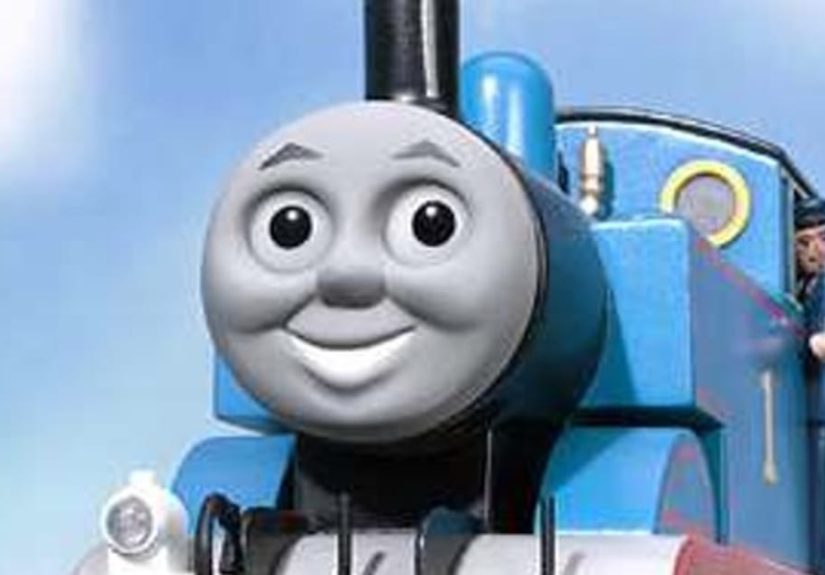
historical accuracy that teachers quietly approve while kids howl with laughter. - Thomas & Friends (Thomas the Tank Engine & Friends) – Gentle storytelling, iconic model
trains, and a surprisingly spicy dose of “consequences for your actions.” Thomas and his friends offer
simple moral lessons wrapped in cozy railway adventures. - Shaun the Sheep – Aardman’s stop-motion genius at its best. With almost no dialogue, Shaun
relies on visual gags, slapstick, and clever plotting to keep kids giggling and adults genuinely amused. - Teletubbies – Surreal, colorful, and scientifically engineered to hypnotize toddlers. The mix
of repetition, sound play, and bizarre world-building is exactly why preschoolers love it and adults
quietly wonder what’s in the custard. - Blue Peter – The world’s longest-running kids’ magazine show and a staple of British childhood.
Crafts, challenges, charity campaigns, and adventurous segments inspire kids to try new things in the
real world, not just sit on the sofa. - Postman Pat – Set in the cozy village of Greendale, this series shows Pat solving everyday
problems while doing his rounds. It’s all about community, kindness, and the low-stress drama of delayed
mail and mischievous pets. - Bob the Builder – “Can we fix it?” “Yes we can!” Bob and his talking machines model teamwork,
perseverance, and problem-solving in a way that makes kids want to build forts, repair everything, and
occasionally boss around their toy diggers. - Pingu – Stop-motion penguin chaos with one of the most iconic nonsense languages in TV history.
Pingu’s expressive reactions and simple storylines are perfect for younger viewers and strangely
relatable to older ones. - Fireman Sam – Set in Pontypandy, this show introduces kids to community helpers, emergency
services, and basic safetyusually in episodes where Norman Price has made another questionable life
choice. - The Story of Tracy Beaker – Based on Jacqueline Wilson’s books, this drama follows Tracy and
other kids in care. It tackles big topicsfamily, belonging, anger, hopein a way that feels honest,
funny, and deeply relatable to older kids. - The Sarah Jane Adventures – A Doctor Who spin-off with its own devoted fan base. Investigative
journalist Sarah Jane Smith leads a group of kids who tackle alien mysteries, giving viewers a fun mix
of sci-fi adventure and emotional storytelling. - Wolfblood – A darker fantasy drama about teens who can transform into wolves. It’s as much
about identity, secrets, and fitting in as it is about supernatural powers, making it ideal for tweens
and young teens. - M.I. High – Basically “James Bond, but everyone’s in school.” A group of students work as
undercover spies, balancing homework with missions. Kids love the gadgets and the idea that they could
be heroes without adults ever knowing. - Young Dracula – A funny-gothic series following Vlad, a reluctant vampire trying to live a
semi-normal life. It’s spooky enough to feel exciting, but rooted in character humor and school drama. - The Worst Witch – Mildred Hubble, the clumsiest witch at Cackle’s Academy, proves that you
don’t have to be perfect to be powerful. The school setting, magic mishaps, and friendship arcs give it
near-endless rewatch value. - Raven – A fantasy game show where kids (as “warriors”) face physical and mental challenges in
a Scottish landscape. Its mix of role-play, story, and competition makes it feel like watching a live
action video game. - Balamory – Set in a candy-colored Scottish town, Balamory leans on music, community, and
simple problem-solving. Each character brings a distinct personality and location, making it fun for
preschoolers to predict who will help with what. - Tweenies – A preschool series centered on a group of puppet friends at a playgroup. Songs,
stories, and imaginative play help kids explore emotions, social skills, and the big feelings that come
with being little. - In the Night Garden – A dreamlike, soothing bedtime series designed to wind kids down. Its
slow pace, repetition, and gentle music make it a favorite “last show” before lights out. - Charlie and Lola – Based on Lauren Child’s books, this sibling-centered series nails the
emotional realities of childhood: picky eating, big imaginations, and the art of negotiation between
older and younger siblings. - Numberjacks – Animated superheroes that are literally numbers. They fix “problem” situations
out in the real world, introducing math concepts through puzzles and stories that never feel like a
lecture. - The Dumping Ground – A continuation of the Tracy Beaker universe, this show follows kids in
care navigating friendships, conflict, and growing up together. It’s heartfelt, often funny, and willing
to take on tough subjects. - Dennis & Gnasher: Unleashed! – A high-energy cartoon based on the Beano characters. Its
pranks, stunts, and chaos make it a hit with kids who love slapstick and rebellious heroes. - Danger Mouse – A spy parody starring a fearless mouse and his anxious assistant. Its clever
humor, pop culture references, and action sequences appeal to both kids and adults. - Arthur – Though originally from PBS, Arthur became part of BBC Kids programming and quickly
found fans. Episodes tackle everything from friendship drama to big feelings about change in a calm,
accessible way. - Octonauts – A crew of animal explorers rescue sea creatures and explore underwater habitats.
It’s educational without being preachy and sparks genuine interest in marine life. - Andy’s Wild Adventures – Combining live-action and CGI, Andy takes kids on journeys to see
animals in their habitats. It’s a go-to for little viewers who are obsessed with dinosaurs, big cats,
or anything that roars. - Topsy and Tim – A live-action series that follows twins through everyday milestonesmoving
house, starting school, going to the doctor. Parents like it because it mirrors real family life so
closely. - Kerwhizz – A quiz-show-meets-racing-game where kids answer questions to power up their
racing pods. It’s bright, fast-paced, and ideal for kids who like competition with a side of trivia. - Junior Bake Off – Baking competition, but with kidsand significantly less Gordon Ramsay
energy. It’s gentle, encouraging, and great for inspiring young bakers (and messier kitchens). - Horrid Henry – Technically imported, but widely associated with BBC kids’ schedules. Henry
is endlessly naughty, but the show usually circles back to consequences and growth, helping kids explore
rule-breaking in a safe, fictional space. - The Basil Brush Show – A classic puppet fox with a legendary laugh (“Boom! Boom!”). The show
blends sketch-style comedy with sitcom plots for a very British flavor of chaos. - Maid Marian and Her Merry Men – A comedic spin on Robin Hood where Marian is the real hero.
It mixes silliness with sharp satire in a way that older kids and adults can both enjoy. - Byker Grove – A teen drama that tackled real-life issuesfriendship, identity, family
problemswith unusual honesty for its time. It’s older-skewing but still beloved in fan rankings. - Grange Hill – A school drama that didn’t sugarcoat the challenges of growing up. Over its
long run, it covered bullying, peer pressure, and social change in ways that shaped British youth TV. - Newsround – A child-friendly news bulletin that introduces global events in an accessible,
calm, and non-scary way. It helps kids understand the wider world without overwhelming them. - Bluey (on CBeebies) – An Australian import that has exploded in popularity on BBC platforms.
It’s warm, funny, emotionally rich, and often more relatable to parents than they’re prepared for. - Sarah & Duck – Gentle, quirky, and quietly hilarious. Sarah and her duck best friend
explore a whimsical world where umbrellas talk and moons need cheering up. - Go Jetters – A geography-themed adventure show where a team of heroes travels the world,
learning about famous landmarks and ecosystems while foiling the plans of a loveable villain. - Hey Duggee – Preschool perfection. Each episode centers on a new “Squirrel Club” badge with
bright animation, short gags, and subtle jokes for adults. It’s also one of the rare shows that encourages
kids to get up and move. - Gigglebiz – A sketch show hosted by Justin Fletcher, full of silly characters and running
jokes. Ideal for kids who love short, punchy comedy instead of longer story arcs. - So Awkward – Tween/early-teen comedy about three super-smart but socially clumsy friends
navigating school life. It’s full of cringe (in the best way) and honest about how weird adolescence can be.
How to Choose the Right BBC Kids Shows for Your Family
With 40+ options, you don’t have to marathon everything (unless you really want to). Here’s a simple way to
pick the right shows for your kidsand your sanity:
1. Match the Show to Your Child’s Age and Energy
For toddlers and preschoolers, soothing and repetitive shows like Teletubbies, In the Night Garden,
Hey Duggee, and Sarah & Duck work best. For school-age kids with endless energy, go for
high-adventure and humor with Horrible Histories, Shaun the Sheep, Dennis & Gnasher, or
Octonauts.
2. Balance Fun With Learning
One of the strengths of BBC kids’ programming is its sneaky educational value. Numberjacks and
Go Jetters deliver math and geography wrapped in adventure. Horrible Histories and
The Sarah Jane Adventures feed curiosity about history and science. Shows like Newsround help older
kids engage with current events in a controlled way.
3. Don’t Underestimate Emotional Storytelling
Dramas like The Story of Tracy Beaker, The Dumping Ground, Wolfblood, and
So Awkward help kids process feelings around friendship, family, and identity. They’re especially valuable
for tweens who are starting to deal with more complex social situations.
4. Watch a Few Episodes Together
The best way to see if a show fits your family is to sample it alongside your child. You’ll quickly notice:
- Whether the humor lands or grates on your nerves
- If the pacing suits your child or overstimulates them
- Whether the messages and role models align with your values
When you genuinely enjoy what’s on screen, screen time becomes a shared ritual instead of a digital babysitter.
Real-Life Experiences With BBC Kids Shows
Talk to anyone who grew up with BBC kids’ programming and you’ll hear the same stories: “We planned dinner
around Blue Peter,” “I learned more history from Horrible Histories than from school,” or “My toddler
would not sleep until In the Night Garden finished.” These shows weren’t just background noisethey
shaped daily routines, vocabulary, and even career choices.
Parents often describe BBC kids’ shows as a kind of “safe zone.” There’s a basic trust that the content will
be thoughtful, age-appropriate, and designed with children’s development in mind. That doesn’t mean every
episode is perfect or every storyline will work for every family, but compared with many fast-cut,
hyper-marketed cartoons, BBC’s children’s content tends to feel slower, kinder, and more intentional.
One common experience: families using these shows to spark deeper conversations. A child might see an episode
of Tracy Beaker and ask questions about foster care or why some kids don’t live with their parents. Another
might watch Wolfblood and start a conversation about feeling “different” at school. Newsround can open
the door to age-appropriate talks about big world events without relying on adult news channels that may be
too intense.
There’s also the “secret weapon” effect: certain BBC shows become powerful tools in the parenting toolkit.
Hey Duggee badges can motivate young kids to brush their teeth or try new foods“Let’s get a ‘Brave Trying
New Things’ badge like the Squirrels!” Octonauts makes trips to the aquarium more fun because kids suddenly
recognize creatures they’ve “met” on screen. Bluey, although an import, has become a modern emotional guide
for parents as much as kids, modeling calm, playful responses to everyday chaos.
For many adults, rewatching these shows with their own children is a strangely emotional experience. Seeing
the Balamory houses or hearing the Postman Pat theme again can trigger powerful nostalgia. But beyond
that warm, fuzzy feeling, it also highlights how much children’s TV has evolved. Older series like
Grange Hill or Byker Grove tackled tough themes with surprising directness. Newer shows bring in more
diverse families, cultures, and experiences, helping kids see themselvesand otherson screen.
Parents who grew up before streaming often talk about the “event” feeling of BBC kids’ programming: if a
favorite episode of Raven or The Sarah Jane Adventures was on, you rushed to the TV or you missed it.
Now, with on-demand platforms, those same series can be curated into family marathons, seasonal traditions,
or reward-night treats. Kids don’t just watch an episode; they build rituals around it: Friday pizza and
Horrible Histories, Sunday morning Hey Duggee, or pre-bedtime In the Night Garden.
Another recurring theme: BBC kids’ shows tend to age surprisingly well. The fashion and tech might date
quickly, but the core storytellingfriendship, curiosity, bravery, sillinessstays relevant. A new
generation can laugh at Horrid Henry, worry with Mildred Hubble, or dance to a Teletubbies song just as
intensely as kids did years ago. That durability is exactly why so many fan rankings still put these shows
at the top, even when kids today have endless alternatives on YouTube and streaming platforms.
If you’re a parent or caregiver now, one of the best experiences you can create is to intentionally choose
a handful of these shows and make them “family canon.” You don’t need to watch every episode of every
series. Pick three or four that match your kids’ ages and personalities, watch with them when you can, and
use the characters, story lines, and songs as shared language in your home. That’s how “just TV” quietly
turns into memories your kids will still be talking about in 20 years.
Final Thoughts
The magic of BBC kids’ programming isn’t just about catchy theme tunes or nostalgia for grainy 2000s
broadcast quality. It’s about stories that respect children’s intelligence, support their emotions, and
give them a window into worlds beyond their ownwhether that’s a foster home, a Scottish fantasy realm, a
seaside village, or the bottom of the ocean.
Start with a few of the fan favorites on this list, see what your kids respond to, and build your own
ranking from there. The “best” BBC kids show is ultimately the one your child asks for again and again
and that you secretly don’t mind rewatching.