Table of Contents >> Show >> Hide
- What is the difference between osteomalacia and osteoporosis?
- Symptoms of osteomalacia vs. osteoporosis
- Causes and risk factors
- How doctors diagnose osteomalacia and osteoporosis
- Osteomalacia vs. osteoporosis treatment
- Can you have both osteomalacia and osteoporosis?
- Which one is more serious?
- How to support bone health every day
- When to see a doctor
- Real-life experiences: what this comparison feels like outside the textbook
- Final takeaway
Note: Body-only HTML in English, ready for web publishing and easy copy/paste.
Bone problems have a sneaky way of sounding the same until they absolutely do not. Osteomalacia and osteoporosis are a perfect example. Both can make bones weaker. Both can raise the risk of fractures. Both can leave people wondering why climbing stairs suddenly feels like a side quest in an action movie. But these conditions are not twins. They are more like distant cousins who show up to the same family reunion wearing very different shoes.
If you are comparing osteomalacia vs. osteoporosis, the simplest difference is this: osteomalacia is a problem with bone mineralization, while osteoporosis is a problem with bone mass and bone strength. That distinction matters because the symptoms, testing, and treatment approach can be very different. Knowing which one is in play helps people get the right care instead of chasing the wrong fix.
In this guide, we will break down osteomalacia vs. osteoporosis in plain English, including symptoms, causes, diagnosis, treatment, prevention, and what living with either condition can actually feel like in real life.
What is the difference between osteomalacia and osteoporosis?
Think of healthy bone like reinforced concrete. It needs a solid structure and it needs the right minerals to harden properly. In osteomalacia, the “hardening” part goes wrong. The bone matrix is laid down, but it does not mineralize the way it should. The result is softer, weaker bone that may ache, bend, or break more easily.
In osteoporosis, the issue is more about the amount and internal quality of bone. The bones become less dense and more fragile over time. They may look normal from the outside, but inside they become more porous and less able to handle stress. That is why osteoporosis is famous for fragility fractures, especially in the hip, spine, and wrist.
So while both conditions can weaken bones, the mechanism is different:
Osteomalacia
Soft bones caused by poor mineralization, often linked to vitamin D deficiency, phosphate problems, malabsorption, kidney disease, liver disease, or certain medications.
Osteoporosis
Low bone density and reduced bone strength, often related to aging, menopause, hormonal shifts, inactivity, smoking, long-term steroid use, low calcium intake, or other secondary causes.
This is why a person with osteomalacia may complain more about bone pain and muscle weakness, while a person with osteoporosis may feel completely fine until a fracture happens out of nowhere and ruins the week, the month, and possibly the furniture arrangement.
Symptoms of osteomalacia vs. osteoporosis
One of the biggest clues in the osteomalacia vs. osteoporosis discussion is how each condition tends to show up.
Common symptoms of osteomalacia
Osteomalacia is more likely to cause noticeable symptoms before a fracture happens. These can include:
Persistent bone pain, especially in the hips, pelvis, lower back, ribs, or legs; muscle weakness; difficulty climbing stairs; trouble getting up from a chair; a waddling gait; increased tenderness over bones; and fractures that happen because bones are too soft to handle normal stress.
Some people also feel generally worn down, stiff, or less steady on their feet. That weakness can be subtle at first. It may start as “I guess I’m just out of shape,” then slowly become “Why do my thighs feel like they are negotiating every staircase?”
Common symptoms of osteoporosis
Osteoporosis is often called a silent disease for a reason. Many people do not know they have it until they break a bone. When symptoms do appear, they may include:
Back pain from a vertebral compression fracture, loss of height over time, a stooped posture, fractures after a minor fall or everyday movement, and reduced mobility after an injury.
That is what makes osteoporosis tricky. There may be no dramatic warning signs, no flashing neon arrow, and no bone-themed soundtrack. A person can feel perfectly normal and still have a significantly increased fracture risk.
Causes and risk factors
To understand osteomalacia vs. osteoporosis, it helps to know what drives each condition.
What causes osteomalacia?
The most common cause of osteomalacia is vitamin D deficiency. Vitamin D helps the body absorb calcium and maintain proper mineral balance for bone health. Without enough vitamin D, bones cannot mineralize normally.
Other possible causes include poor dietary intake, limited sun exposure, intestinal disorders that impair absorption such as celiac disease or after certain gastrointestinal surgeries, chronic kidney disease, liver disease, phosphate deficiency, rare inherited disorders, and medications that interfere with vitamin D metabolism.
In other words, osteomalacia is often a clue that something deeper is going on in the body. It is not just a random bad-bone plot twist.
What causes osteoporosis?
Osteoporosis develops when bone breakdown outpaces bone formation. That becomes more common with age, especially after menopause when estrogen levels fall. But age is not the whole story.
Major osteoporosis risk factors include older age, female sex, family history, low body weight, smoking, excessive alcohol use, physical inactivity, poor nutrition, low calcium or vitamin D intake, long-term use of glucocorticoids, certain endocrine disorders, some gastrointestinal diseases, chronic inflammatory disease, and a history of fractures after minimal trauma.
Men can absolutely develop osteoporosis too, particularly later in life or when another medical condition is contributing. Bone fragility does not check your driver’s license before showing up.
How doctors diagnose osteomalacia and osteoporosis
Because the two conditions can overlap in symptoms and fracture risk, doctors often need a combination of history, imaging, and lab work to tell them apart.
Diagnosing osteomalacia
If osteomalacia is suspected, a clinician may order blood tests to check vitamin D, calcium, phosphorus, alkaline phosphatase, parathyroid hormone, kidney function, and sometimes other markers depending on the suspected cause. Imaging may also be used to look for fractures or bone changes. In more complex cases, additional testing may be needed to find the underlying reason the bones are not mineralizing properly.
A bone density scan can sometimes show low bone density in osteomalacia, but it does not tell the whole story by itself. That is one reason osteomalacia can occasionally be mistaken for osteoporosis if the workup stops too early.
Diagnosing osteoporosis
Osteoporosis is most commonly diagnosed with a DXA scan, also called a bone density test. This test measures bone mineral density, usually at the hip and spine. A doctor will also review personal risk factors, fracture history, medications, and conditions that may cause secondary osteoporosis.
Lab tests may also be ordered, not because osteoporosis always changes blood work, but because doctors want to rule out secondary causes or related issues. That can include checking calcium, vitamin D, kidney function, thyroid status, and other labs based on the individual situation.
If a person has already had a low-trauma hip or vertebral fracture, that may strongly support an osteoporosis diagnosis even before anyone starts debating decimal points on a scan report.
Osteomalacia vs. osteoporosis treatment
The right treatment depends on the diagnosis. This is exactly why confusing osteomalacia with osteoporosis is not helpful. The therapies overlap in a few areas, but the priorities are different.
Treatment for osteomalacia
The main goal is to correct the underlying problem causing poor mineralization. Treatment may include vitamin D supplementation, calcium or phosphate replacement when appropriate, improving nutrition, treating malabsorption disorders, addressing kidney or liver disease, and adjusting medications if they are contributing.
When vitamin D deficiency is the main issue, bone pain and muscle weakness often improve after treatment begins, but recovery is not instant. Bones do not send a thank-you card after one supplement dose. Healing can take time, and some people need close follow-up with repeat labs to make sure levels normalize safely.
Treatment for osteoporosis
Osteoporosis treatment focuses on reducing fracture risk. That often includes strength and balance exercise, fall prevention, stopping smoking, limiting excess alcohol, getting enough calcium and vitamin D, and using medication when fracture risk is high enough to justify it.
Common medications for osteoporosis include bisphosphonates, denosumab, and in some higher-risk cases, bone-building therapies such as anabolic agents. The choice depends on fracture history, age, sex, kidney function, overall risk, and tolerance for side effects.
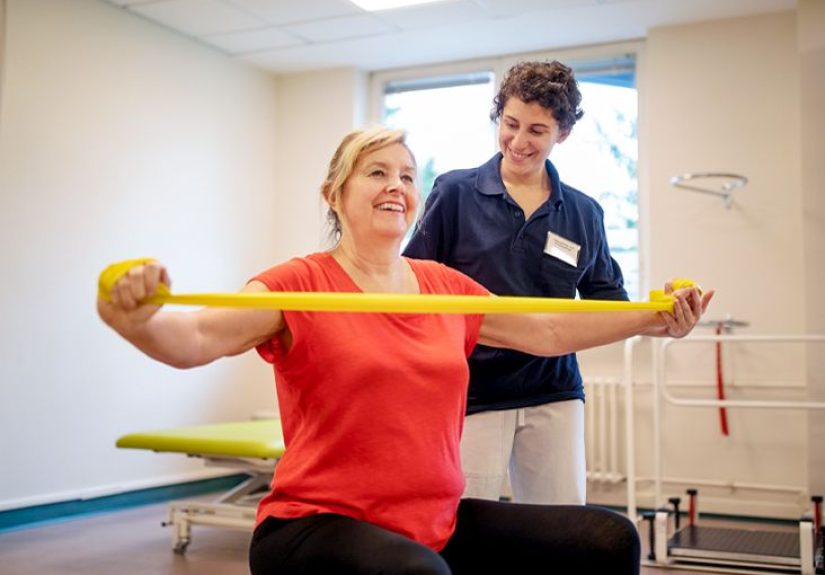
Exercise matters for both conditions, but in osteoporosis the emphasis is often on weight-bearing activity, resistance training, posture work, and balance to help protect bones and prevent falls. A person with severe osteoporosis may need a more tailored plan to avoid movements that sharply increase fracture risk.
Can you have both osteomalacia and osteoporosis?
Yes, and that is where things get extra annoying. A person can have osteoporosis and also have vitamin D deficiency or another metabolic problem that contributes to osteomalacia. Older adults, people with chronic illness, and those with malabsorption or kidney disease may be especially vulnerable to overlapping bone problems.
That is another reason a thorough medical evaluation matters. If a patient is treated only for osteoporosis while an unrecognized mineralization problem is still simmering in the background, the results may be incomplete or frustrating.
Which one is more serious?
There is no trophy for “worst bone disease,” and trying to rank them misses the real point. Both conditions are serious because both can lead to fractures, pain, disability, and loss of independence. Osteoporosis tends to get more attention because it is so common and because hip and spine fractures in older adults can be life-changing. But osteomalacia can also severely affect quality of life, especially when bone pain and muscle weakness are significant or when diagnosis is delayed.
The more useful question is not which one sounds scarier. It is which one is causing your symptoms, what the underlying cause is, and what can be done now to protect your bones.
How to support bone health every day
Whether you are trying to prevent osteomalacia, lower osteoporosis risk, or just keep your skeleton from filing complaints, the basics still matter:
Eat a balanced diet that supports calcium and vitamin D intake. Stay physically active with weight-bearing and muscle-strengthening exercise when appropriate. Get safe sunlight exposure when possible. Avoid smoking. Limit heavy alcohol use. Review medications with a clinician if you have risk factors. And if you are older, have had a fracture, or have symptoms like bone pain or unexplained weakness, ask whether bone health testing makes sense.
When to see a doctor
Seek medical advice if you have bone pain, muscle weakness, recurrent fractures, shrinking height, new stooped posture, chronic vitamin D deficiency, long-term steroid use, digestive conditions that affect absorption, kidney disease, or a strong family history of osteoporosis. Do not assume every ache is “just aging.” Sometimes aging is innocent. Sometimes your bones are trying to send a memo.
Real-life experiences: what this comparison feels like outside the textbook
Reading about osteomalacia vs. osteoporosis in a medical article is useful, but living through either condition rarely feels neat and organized. Real life is messier. Symptoms arrive out of order. People blame stress, work, getting older, bad shoes, bad posture, bad luck, or that one dramatic grocery bag they should not have tried to carry in a single trip. The emotional side can be just as real as the physical one.
For many people with osteomalacia, the experience begins with confusion. They may notice deep, aching pain in the hips, thighs, or lower back. Walking feels heavier. Stairs become weirdly personal. Getting out of a chair starts to require strategy. Because the symptoms can build gradually, people often dismiss them for months. They might think they need more sleep, more stretching, or fewer birthdays. Then a blood test reveals a severe vitamin D deficiency, or a clinician digs deeper and finds a malabsorption issue or kidney-related problem affecting bone mineralization.
Osteoporosis often tells a different story. Many people feel completely normal until a fracture changes everything. Someone bends to lift laundry and develops severe back pain from a compression fracture. Another slips lightly in the bathroom and breaks a wrist. Another loses height so gradually that they do not notice until old photos start looking suspiciously taller. The shock is not only physical. It is psychological. People often say the same thing: “I had no idea my bones were that fragile.”
There is also a practical side to both diagnoses. Everyday decisions suddenly matter more. Should I change my exercise routine? Do I need handrails? Is this medication helping? Am I getting enough calcium? Why does every supplement bottle look like it was designed during a chemistry scavenger hunt? These questions are common, and they are part of adjusting to a new reality.
Many patients describe relief once they finally get the right diagnosis. Not because the condition is fun, obviously, but because uncertainty is exhausting. When people understand whether they are dealing with osteomalacia, osteoporosis, or both, the treatment plan starts to make sense. The pain has a name. The weakness has a reason. The fracture risk has a strategy.
Support also matters. Some people need physical therapy to rebuild strength and confidence. Others need nutrition counseling, medication review, or help making their home safer after a fracture. Even small changes can feel huge. Better lighting, more stable shoes, balance exercises, and fewer tripping hazards may not sound glamorous, but glamorous is overrated when compared with not falling.
Perhaps the biggest shared experience is this: both conditions remind people that bone health is not just about bones. It is about mobility, independence, confidence, and the ability to live daily life without fear. When treatment works, the benefits go beyond lab values and scan results. People walk farther. They move with less hesitation. They stop negotiating with every staircase. And that, frankly, is a pretty great outcome.
Final takeaway
In the debate of osteomalacia vs. osteoporosis, the key distinction is straightforward: osteomalacia means bones are not mineralizing properly, while osteoporosis means bones are losing density and strength. Osteomalacia is more likely to cause bone pain and muscle weakness. Osteoporosis is more likely to stay quiet until a fracture appears. Both deserve prompt attention, proper diagnosis, and a treatment plan based on the actual cause rather than guesswork.
If your bones are raising concerns, do not settle for vague answers. The right tests can reveal whether the problem is soft bone, porous bone, or a frustrating combo package nobody asked for.