Table of Contents >> Show >> Hide
Sunburned lips are one of those sneaky little summer problems that sound harmless until you smile, take a sip of orange juice, or attempt to eat chips and suddenly feel like your mouth has declared war on you. Unlike the rest of your face, your lips are easy to forget when you are applying sun protection. Then, a few hours after a beach day, boat ride, run, ski trip, or “it was cloudy so I thought I was safe” afternoon, they start to sting, swell, dry out, and peel like they have a personal grudge.
The good news is that most sunburned lips can be treated at home with gentle care, patience, and a strict no-picking policy. The better news is that you can usually prevent the next round with one small habit: using a lip balm with sunscreen. In this guide, you will learn how to treat sunburned lips, what to avoid, when to call a doctor, and how to keep your lips from getting roasted again.
This article is for informational purposes only and is not a substitute for professional medical advice, diagnosis, or treatment.
What Sunburned Lips Usually Feel Like
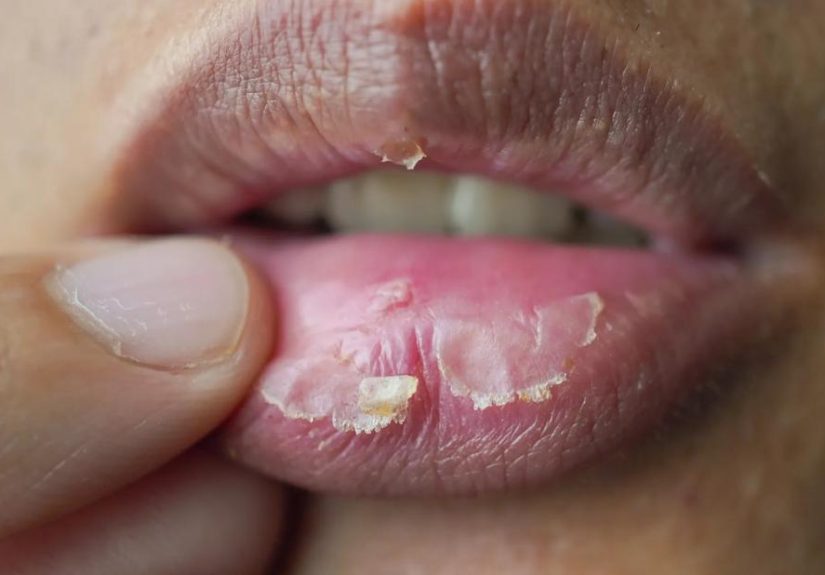
Sunburned lips do not always announce themselves dramatically at first. Sometimes the first sign is just tightness or unusual dryness. Then the symptoms start to build. Common signs include redness, tenderness, a hot or burning feeling, swelling, dryness, cracking, and peeling. In more severe cases, you may notice blisters. If your lips feel strangely sensitive to toothpaste, spicy foods, salty snacks, or even plain water, sunburn is a likely suspect.
The lower lip usually takes the bigger hit because it tends to catch more direct sun. That is one reason chronic sun exposure on the lips matters so much over time. One bad burn is miserable. Repeated burns are a much bigger issue.
How To Treat Sunburned Lips Right Away
1. Cool Them Down Gently
Your first move should be simple: calm the heat. Hold a clean, cool, damp washcloth against your lips for several minutes at a time. Do not go full ice-cube hero. You want cool, not freezing. A gentle cool compress can help reduce swelling and make your lips feel less angry.
You can repeat this several times a day, especially during the first 24 hours. Think of it as damage control for your poor overachieving lips.
2. Add Moisture, but Keep It Bland
Once the heat is settling down, help your lips hold onto moisture. A gentle, non-irritating lip balm or moisturizer can make a big difference. Look for simple, soothing ingredients instead of flashy formulas that tingle, sparkle, or smell like a candy shop exploded.
Good choices often include bland ointments or lip products with ingredients like petrolatum, ceramides, shea butter, dimethicone, mineral oil, or castor seed oil. Aloe vera can also feel soothing, especially early on. Fragrance-free products are often the safest bet when your lips are already irritated.
If your lips are very dry later in the healing process, a thicker ointment before bed can help seal in moisture overnight. In other words, this is not the time for a trendy plumping gloss with “volcanic mint crystals” or anything else that sounds like it belongs in a marketing meeting.
3. Drink More Water
Sunburn can pull fluid toward damaged skin and leave the rest of you a little dehydrated. That is why drinking extra water is a smart move when you are dealing with a burn, including one on your lips. Staying hydrated will not magically erase the burn, but it supports healing and may help your lips feel less dry and tight.
4. Use Pain Relief Carefully if Needed
If your lips are painful or swollen, an over-the-counter pain reliever may help. Use it only as directed on the label or by a healthcare professional. For children, aspirin is generally not recommended unless a clinician specifically says otherwise. If you are unsure what is safe for you, ask a pharmacist or doctor.
5. Protect the Area While It Heals
Here is the tough-love part: your lips need a break from the sun while they recover. That means no “just five minutes outside” with naked lips. Use a gentle SPF lip balm, stay in the shade when possible, and wear a wide-brimmed hat if you need to be outdoors. Healing skin is not in the mood for a sequel.
What Not To Do to Sunburned Lips
Knowing what not to do is just as important as knowing what helps. A lot of people accidentally make sunburned lips worse by treating them like regular dry lips. They are not the same thing.
Do Not Peel, Bite, or Pick
Peeling skin is tempting. Very tempting. But picking at flaking skin or popping blisters can slow healing and increase the chance of infection. Let the damaged skin come off on its own schedule, even if that schedule is incredibly rude.
Do Not Keep Licking Your Lips
Licking may feel helpful for about two seconds. Then the saliva evaporates, and your lips become even drier. It is basically fake hydration with terrible follow-through.
Avoid Irritating Products
Skip lip products with menthol, camphor, phenol, salicylic acid, cinnamon, citrus, peppermint, heavy fragrance, or other “cooling” or flavored additives that can sting irritated skin. If a product burns when you put it on, take the hint and stop using it.
Be Careful With Food and Drinks
Spicy food, very salty snacks, hot drinks, acidic foods like citrus, and alcohol can all make sunburned lips feel worse. During the healing phase, softer and milder foods are usually much easier to handle. Your lips do not need a jalapeño challenge right now.
Do Not Ignore Blisters
Blisters can happen with a more severe burn. Try not to pop them. If one breaks on its own, keep the area clean and monitor it closely. If you see pus, spreading redness, worsening swelling, or increased pain, it is time to call a healthcare provider.
How Long Do Sunburned Lips Take to Heal?
Mild sunburned lips often improve within a few days. More irritated or peeling lips may take about a week or a bit longer. If blistering is involved, recovery can take longer, especially if the skin gets repeatedly irritated by sun, wind, dry air, or constant lip licking.
A useful rule of thumb is this: if your lips are slowly getting better every day, that is reassuring. If they are getting worse, staying intensely painful, or not improving after a reasonable amount of time, get them checked out.
When To See a Doctor
Most cases can be managed at home, but some symptoms deserve medical attention. Contact a healthcare professional if you have severe blistering, worsening pain, signs of infection, or symptoms that suggest the burn is part of a bigger problem.
Seek medical help right away if you have fever, dizziness, faintness, dehydration, confusion, severe swelling, or painful blisters on the face that seem significant. You should also get checked if your lips keep cracking, bleeding, or staying rough and scaly for weeks, especially on the lower lip. Persistent sun damage on the lips can sometimes lead to actinic cheilitis, a precancerous condition that should not be brushed off as “just chapped lips.”
If you tend to get cold sores after sun exposure, be extra careful. Sunburn can trigger flare-ups in some people, which makes prevention even more important.
How To Prevent Sunburned Lips Next Time
The best treatment is still prevention. Fortunately, lip sun protection is not complicated. It just needs to become automatic, like grabbing your phone or pretending you only went into Target for one thing.
Use a Lip Balm With SPF 30 or Higher
Choose a lip balm or lipstick with broad-spectrum protection and SPF 30 or higher. Mineral options with zinc oxide or titanium dioxide can be especially helpful for sensitive lips. If you are spending extended time outdoors, this is non-negotiable.
Reapply More Often Than You Think
Lip sunscreen wears off fast. Reapply at least every two hours, and reapply sooner after eating, drinking, swimming, sweating, or wiping your mouth. If you only put it on once at 9 a.m. and expect it to survive lunch, a smoothie, and a beach walk, your lip balm has been set up to fail.
Wear a Hat
A wide-brimmed hat adds valuable shade for your face and lips. It is one of the easiest ways to lower sun exposure without doing anything fancy.
Avoid Peak Sun When You Can
The sun is usually strongest around the middle of the day. If possible, limit direct exposure during peak hours and seek shade whenever you can. This matters even on cooler days and cloudy days, because ultraviolet rays do not care whether the weather app says “pleasant.”
Do Not Trust Plain Gloss
Shiny lip gloss without SPF does not count as protection. In fact, a glossy finish can make sun exposure on your lips a worse idea, not a better one. If it looks cute but has no sunscreen, it is cosmetic, not armor.
Common Experiences With Sunburned Lips: What People Often Notice
One reason people search for how to treat sunburned lips is that the experience catches them off guard. They know to protect their shoulders, nose, and cheeks. Their lips? Somehow forgotten. Again.
A very common scenario happens after a beach or pool day. Someone applies sunscreen to their face, arms, and legs, then spends hours outside talking, drinking cold beverages, and reapplying body sunscreen while never once thinking about their lips. By evening, the lips feel tight and oddly warm. The next morning, they are swollen, tender, and dry enough to make smiling feel like a bad decision. People often describe the discomfort as a mix of chapping, burning, and a “stretched” feeling that gets worse when eating salty food.
Another classic situation is a windy outdoor day. Hikers, runners, cyclists, and boaters often notice that wind plus sun is a rude combination. The lips may not look dramatically red at first, but they start feeling raw and irritated, especially around the center of the lower lip. Then comes the peeling phase, which tends to convince people they should scrub the skin off or bite it away. Unfortunately, that usually delays healing and makes the lips more sore.
Winter sports create their own brand of lip betrayal. Skiers and snowboarders often get burned lips because snow reflects ultraviolet rays. The air is cold, so the burn is easy to miss until later. Many people also keep licking their lips in dry mountain air, which adds a second layer of irritation. The result can feel like dry lips turned up to maximum annoyance.
Everyday life can cause trouble too. Some people get lip burns after driving, walking the dog, or sitting outside at a game for hours. Others notice a pattern: every time they spend time in the sun, their lips burn first or they get a cold sore shortly afterward. That is often the moment when SPF lip balm becomes a year-round habit instead of an occasional afterthought.
Many people also report using the wrong products at first. They reach for minty lip balm, flavored gloss, or a plumping treatment because it is what they already have in a bag or pocket. Then the stinging starts, and suddenly the lips feel even worse. This is why bland, fragrance-free products are so useful during recovery. Injured lips are not looking for excitement. They are looking for peace and quiet.
Probably the most universal experience is this: people are surprised by how much sunburned lips interfere with normal life. Drinking, eating, talking, brushing teeth, and even yawning can become irritating. The condition sounds minor, but it can feel major for a few days. That is also why prevention becomes easier after the first memorable burn. Once your lips have ruined one taco night, you start respecting lip SPF in a whole new way.
Final Thoughts
If you are wondering how to treat sunburned lips, the formula is refreshingly simple: cool them gently, keep them moisturized with bland products, drink extra water, avoid picking and irritating ingredients, and protect them from more sun while they heal. Most cases improve with home care, but severe blistering, infection, or persistent damage deserves medical attention.
The bigger lesson is that your lips need sun protection just as much as the rest of your face. A lip balm with SPF 30 or higher may not be glamorous, but neither is explaining why your lower lip feels like it lost a fight with the sun. Protect early, reapply often, and let your future self enjoy snacks in peace.