Table of Contents >> Show >> Hide
- Why Cooking With Greens Deserves a Permanent Spot in Your Kitchen
- Meet the Main Greens: Flavor, Texture, and Best Uses
- How to Choose Fresh Greens at the Store or Farmers Market
- How to Wash and Store Leafy Greens Safely
- Basic Cooking Methods for Greens
- Flavor Pairings That Make Greens Taste Amazing
- Simple Recipe Ideas for Cooking With Greens
- Common Mistakes When Cooking Greens
- How to Make Greens Kid-Friendly and Beginner-Friendly
- Meal Prep Tips for Greens
- Cooking With Greens on a Budget
- of Real Kitchen Experience: Lessons From Cooking With Greens
- Conclusion: Greens Are Not a ChoreThey Are a Kitchen Upgrade
- SEO Tags
Cooking with greens is one of the easiest ways to make a meal look healthier, taste fresher, and convince everyone at the table that you absolutely have your life together. Kale, collard greens, bok choy, Swiss chard, mustard greens, turnip greens, spinach, beet greens, and cabbage all belong in the deliciously dramatic world of leafy vegetables. Some are tender and polite. Some are sturdy enough to survive a skillet showdown. Some, like collards, seem to say, “I’ll be ready when I’m ready,” and honestly, we respect that.
The good news is that leafy greens are not hard to cook once you understand their personalities. Kale likes a little massage before becoming salad royalty. Collards enjoy a longer simmer. Bok choy is fast, crisp, and perfect for stir-fries. Spinach wilts if you look at it too sternly. This guide breaks down how to choose, clean, store, season, and cook greens so they turn into meals you actually want to eatnot a punishment disguised as dinner.
Why Cooking With Greens Deserves a Permanent Spot in Your Kitchen
Dark leafy greens are famous for being nutrient-dense, but they are also practical. They can stretch a soup, brighten a grain bowl, bulk up pasta, improve scrambled eggs, and rescue a sad leftover situation from the back of the fridge. Many leafy greens are rich in vitamins A, C, and K, along with fiber, folate, potassium, calcium, magnesium, and plant compounds that support overall wellness. That does not mean one forkful of kale turns you into a superhero, but it does mean greens are a smart, affordable ingredient to keep in regular rotation.
Another reason to cook with greens is flexibility. Many varieties can be swapped in recipes. If a soup calls for kale, collards, chard, mustard greens, or turnip greens may also work with small timing adjustments. Tender greens cook quickly, while hearty greens need a little more time and moisture. Once you learn the difference, you stop treating greens like mysterious forest confetti and start using them like a confident home cook.
Meet the Main Greens: Flavor, Texture, and Best Uses
Kale: The Sturdy Overachiever
Kale has earned its reputation as the poster child of leafy greens. It comes in curly, lacinato, red, and baby varieties. Curly kale has ruffled leaves and a slightly peppery bite. Lacinato kale, also called dinosaur kale, has darker, flatter leaves and a deeper flavor. Baby kale is tender enough for salads and quick sautés.
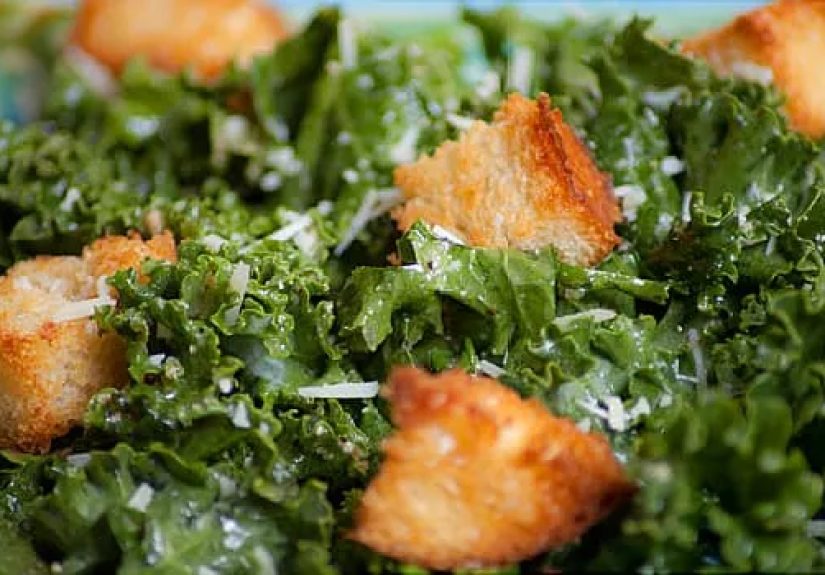
Kale works well in soups, grain bowls, pasta, chips, smoothies, and salads. For raw kale salad, remove the tough stems, slice the leaves thinly, and rub them with olive oil, lemon juice, and a pinch of salt. This “massage” softens the texture and removes the feeling that you are chewing decorative landscaping.
Collard Greens: The Slow-Cooked Classic
Collard greens are broad, hearty, and slightly earthy. They are a staple in Southern cooking and shine when simmered until tender with aromatics, broth, vinegar, onion, garlic, smoked turkey, or a vegetarian smoky seasoning. Collards can also be sliced thin and sautéed for a quicker side dish.
The secret to great collards is balance. They love fat, acid, and time. A splash of apple cider vinegar or hot sauce at the end wakes up the flavor. If collards taste flat, they usually need salt, acid, or a little more cooking. They are not fussy; they are just emotionally complex.
Bok Choy: The Crisp Stir-Fry Star
Bok choy is a cruciferous green with tender leaves and juicy, pale stalks. It cooks quickly and has a mild, slightly sweet flavor. Baby bok choy is especially good when halved and seared cut-side down before being finished with garlic, ginger, soy sauce, sesame oil, or a squeeze of lime.
Because the stalks take longer to cook than the leaves, separate them if you want perfect texture. Add sliced stalks first, then toss in the leaves near the end. Bok choy also works beautifully in noodle bowls, ramen, fried rice, dumpling fillings, and simple weeknight stir-fries.
Swiss Chard: Colorful, Tender, and Slightly Earthy
Swiss chard has tender leaves and colorful stems that range from white to red, orange, and yellow. The stems are edible and delicious when chopped and cooked a few minutes before the leaves. Chard has a mineral-rich, slightly beet-like flavor because it is related to beets.
Use Swiss chard in sautés, frittatas, soups, bean dishes, and pasta. Garlic, lemon, red pepper flakes, parmesan, white beans, and olive oil are excellent partners. The leaves cook faster than kale or collards, so keep an eye on the pan unless you enjoy vegetable confetti.
Mustard Greens and Turnip Greens: Peppery and Bold
Mustard greens bring a spicy, peppery flavor that can make a dish taste lively without much effort. Turnip greens are earthy and slightly sharp. Both can be sautéed, braised, added to soups, or mixed with milder greens to balance their bite.
If the flavor seems too strong, cook them with onion, garlic, broth, and a little vinegar. A touch of sweetness from carrots, apples, or caramelized onions can also mellow the edge. These greens are not shy, but that is exactly why they are exciting.
Spinach and Beet Greens: Quick-Cooking Favorites
Spinach is the easiest green to cook because it wilts in minutes. It works in omelets, soups, pasta, curries, dips, salads, and smoothies. Beet greens are often overlooked, which is tragic because they are basically a bonus vegetable attached to the beets you already bought. Their flavor is earthy and mild, and the stems can be chopped and cooked like chard stems.
How to Choose Fresh Greens at the Store or Farmers Market
Look for leaves that are vibrant, crisp, and free from slimy spots. A little wilting is not the end of the world, especially if you plan to cook the greens, but avoid bunches with a sour smell, yellowing, or mushy leaves. Stems should look firm rather than dried out.
For kale and collards, bigger leaves can be tougher but are excellent for braising and soups. Smaller leaves are better for salads and quick sautés. For bok choy, choose heads with firm stalks and fresh-looking leaves. Baby bok choy should look perky, not tired from its emotional journey through the produce aisle.
How to Wash and Store Leafy Greens Safely
Unwashed leafy greens can carry soil or bacteria, so rinse them under plain running water before preparing them. Do not use soap, detergent, bleach, or commercial produce washes. Greens are porous, and nobody ordered collards with a side of dish soap. For bunches with sandy leaves, fill a clean bowl with cold water, swish the greens, lift them out, and repeat until the water stays clear. Dry them with a clean towel or salad spinner.
If a package says “pre-washed,” “triple-washed,” or “ready to eat,” it generally does not need washing again. Rewashing can introduce germs from the sink, counters, or hands. Store greens in the refrigerator, wrapped loosely in a towel or paper towel inside a bag or container. Keep them away from raw meat, poultry, and seafood to avoid cross-contamination.
Basic Cooking Methods for Greens
1. Sautéing: Fast, Flavorful, and Weeknight-Friendly
Sautéing is ideal for kale, chard, spinach, beet greens, mustard greens, bok choy, and thinly sliced collards. Heat olive oil in a large skillet, add garlic or onion, then add chopped greens. Sprinkle with salt and stir until wilted. Finish with lemon juice, vinegar, chili flakes, toasted nuts, or grated cheese.
A good rule: tender greens need two to five minutes, medium greens need five to eight minutes, and hearty greens may need ten minutes or more with a splash of water or broth. Do not overcrowd the pan unless you enjoy steaming everything into a gloomy pile.
2. Braising: Best for Collards, Kale, Mustard, and Turnip Greens
Braising means cooking greens slowly in a flavorful liquid. Start with onion, garlic, and a little oil. Add chopped greens, broth, water, or tomato, then simmer until tender. This method is perfect for collards, mature kale, mustard greens, and turnip greens.
For Southern-style collards, add smoked turkey, smoked paprika, onion, garlic, black pepper, and a splash of vinegar. For vegetarian greens, use vegetable broth, mushrooms, smoked paprika, miso, or a dash of liquid smoke to build depth without meat.
3. Steaming: Clean, Simple, and Gentle
Steaming preserves a fresh flavor and works well for bok choy, chard, spinach, and kale. Place greens in a steamer basket over simmering water and cook until tender. Dress them afterward with olive oil, sesame oil, lemon, soy sauce, chili crisp, or tahini sauce.
4. Stir-Frying: The Best Friend of Bok Choy
Stir-frying uses high heat and quick movement. Cut greens into even pieces, keep ingredients ready, and cook fast. Bok choy, napa cabbage, gai lan, chard, and spinach work especially well. Add aromatics like garlic and ginger first, then stems, then leaves. Finish with soy sauce, rice vinegar, sesame oil, or a spoonful of oyster sauce.
5. Adding Greens to Soups, Stews, and Pasta
Soups and stews are the “sneaky genius” method for cooking greens. Add hearty greens early enough to soften, and tender greens near the end. Kale works in white bean soup, sausage soup, lentil stew, and minestrone. Collards are excellent in brothy bean dishes. Spinach and bok choy are perfect for noodle soups because they cook quickly.
Flavor Pairings That Make Greens Taste Amazing
Greens taste best when you balance bitterness with fat, acid, salt, heat, and sweetness. Olive oil, butter, bacon fat, sesame oil, or avocado oil round out sharp flavors. Lemon juice, vinegar, tomatoes, pickled onions, or hot sauce add brightness. Garlic, onion, ginger, shallots, chili flakes, smoked paprika, cumin, coriander, and black pepper bring personality.
For a Mediterranean style, cook kale or chard with olive oil, garlic, white beans, lemon, and parmesan. For Southern comfort, simmer collards with onion, smoked seasoning, broth, and vinegar. For an Asian-inspired side, stir-fry bok choy with garlic, ginger, soy sauce, sesame oil, and scallions. For a cozy vegetarian bowl, pair greens with roasted sweet potatoes, brown rice, chickpeas, tahini, and a squeeze of lemon.
Simple Recipe Ideas for Cooking With Greens
Garlicky Kale With Lemon
Remove kale stems, chop the leaves, and sauté them in olive oil with garlic. Add a splash of water, cover for two minutes, then uncover and cook until tender. Finish with lemon juice, salt, black pepper, and toasted breadcrumbs. Serve with grilled chicken, salmon, beans, pasta, or eggs.
Quick Collard Greens Without the All-Day Simmer
Stack collard leaves, roll them tightly, and slice into thin ribbons. Sauté onion and garlic in olive oil, add the collards, then pour in a little broth. Cover and cook until tender, about 15 to 25 minutes. Finish with vinegar and red pepper flakes. It is not the same as grandma’s long-simmered pot, but it is dinner-friendly and still delicious.
Baby Bok Choy Stir-Fry
Halve baby bok choy lengthwise and rinse between the stalks. Sear cut-side down in a hot skillet with a little oil. Add garlic and ginger, then splash in soy sauce and a spoonful of water. Cover for a minute or two until the stalks are crisp-tender. Finish with sesame oil and scallions.
Swiss Chard and White Bean Skillet
Chop chard stems and leaves separately. Cook the stems with garlic and onion, then add white beans, chopped tomatoes, and the leaves. Simmer until the greens soften. Add lemon zest, black pepper, and parmesan. Serve with crusty bread and pretend you live in a charming farmhouse, even if your kitchen currently contains three unpaid bills and a suspicious banana.
Common Mistakes When Cooking Greens
The first mistake is under-seasoning. Greens need salt and acid to taste complete. The second mistake is cooking all greens the same way. Spinach and collards are not twins; one wilts in minutes, and the other wants a spa day in broth. The third mistake is ignoring stems. Some stems are tough and should be removed, like mature kale stems. Others, like chard and bok choy stalks, are tasty when chopped and cooked first.
Another mistake is adding delicate greens too early to soups. Spinach and baby bok choy should go in near the end. Kale and collards can handle longer cooking. Finally, do not fear a little fat. Many flavors and fat-soluble nutrients become more enjoyable when greens are paired with olive oil, nuts, seeds, avocado, or a small amount of butter.
How to Make Greens Kid-Friendly and Beginner-Friendly
The easiest way to make greens more appealing is to start small. Add a handful of spinach to scrambled eggs, fold chopped kale into mac and cheese, mix sautéed chard into pasta, or add shredded collards to soup. Stronger greens can be blended with milder ones. For example, combine mustard greens with spinach or kale with cabbage.
Texture matters. Some people dislike greens because they have only had them overcooked into a swampy mystery. Try crisp kale chips, tender bok choy, creamy spinach dip, or finely chopped greens in rice. Add cheese, lemon, garlic, or a favorite sauce. A vegetable does not need to suffer to be healthy.
Meal Prep Tips for Greens
Greens are excellent for meal prep if you handle them correctly. Wash and dry sturdy greens, remove tough stems, chop the leaves, and store them with a towel in a container. Cooked greens can be refrigerated and added throughout the week to eggs, grain bowls, soups, sandwiches, tacos, and pasta.
You can also freeze many greens. Blanch kale, collards, mustard greens, or chard briefly in boiling water, cool them in ice water, squeeze out moisture, and freeze in portions. Frozen greens are not ideal for salads, but they are perfect for soups, stews, casseroles, and smoothies.
Cooking With Greens on a Budget
Leafy greens can be budget-friendly, especially when you buy seasonal bunches, frozen greens, or larger heads of cabbage and bok choy. Frozen spinach, kale, and collards are convenient and often affordable. Canned greens can also work in mixed dishes, though you may want to rinse them if you are watching sodium.
To reduce waste, use the whole bunch. Stems can flavor broth, chard stems can be sautéed, beet greens can be cooked like spinach, and slightly wilted greens can go into soup. When greens start looking tired, cook them. A skillet of garlic and olive oil has saved many vegetables from becoming fridge compost with a dramatic soundtrack.
of Real Kitchen Experience: Lessons From Cooking With Greens
The first thing you learn from cooking with greens is humility. A giant bunch of kale looks like enough to feed a marching band, then five minutes in a skillet turns it into a polite side dish for two. Spinach performs this disappearing act even faster. This is why experienced cooks buy more greens than they think they need. It is not greed; it is physics wearing an apron.
My best experience with greens usually starts with garlic. Garlic in hot olive oil is the kitchen equivalent of a friendly doorbell. It announces that something good is about to happen. Add chopped kale, a pinch of salt, and a splash of water, and suddenly a tough-looking vegetable becomes silky, savory, and ready for pasta, eggs, beans, or toast. The lesson is simple: greens are rarely boring when they have company.
Collards taught me patience. The first time I cooked them, I treated them like spinach and expected a quick miracle. That did not happen. They were chewy, stubborn, and tasted like they had unresolved issues. Later, I learned to slice them thin, simmer them with onion, broth, smoked paprika, and vinegar, and let them relax. The difference was huge. Collards do not want to be rushed. They want a little respect, a little seasoning, and enough time to become tender.
Bok choy taught me the opposite lesson: move quickly. A hot pan, a little oil, garlic, ginger, and soy sauce can turn bok choy into a crisp, glossy side dish in minutes. The trick is to cook the stalks before the leaves. If everything goes in at once, the leaves wilt before the stalks are tender. Separating them feels like a small detail, but it makes the final dish taste restaurant-level.
Swiss chard taught me not to throw away stems. Those colorful stems look decorative, but they are edible and flavorful. Chop them small, cook them with onion or garlic, then add the leaves. They bring color, texture, and a little sweetness. Beet greens taught the same lesson. The leaves attached to beets are not packaging; they are dinner waving hello.
Another practical lesson: acid saves greens. If a pan of greens tastes dull, lemon juice or vinegar can wake it up instantly. A splash of apple cider vinegar on collards, lemon on kale, rice vinegar on bok choy, or balsamic on chard can turn “fine” into “I want seconds.” Salt matters too, but acid gives greens sparkle.
Finally, cooking with greens is easier when you stop trying to make them perform alone. Pair them with beans, grains, eggs, noodles, potatoes, roasted vegetables, or protein. Add crunch with nuts or seeds. Add creaminess with yogurt, tahini, cheese, or avocado. Greens are team players. Give them a good supporting cast, and they will stop feeling like homework and start tasting like dinner.
Conclusion: Greens Are Not a ChoreThey Are a Kitchen Upgrade
Cooking with greens is not about forcing yourself to eat something “because it is good for you.” It is about learning how different greens behave and using the right method for each one. Kale can be massaged, sautéed, baked, or stirred into soup. Collards reward slow cooking and bold seasoning. Bok choy loves fast heat and aromatic sauces. Chard, mustard greens, turnip greens, spinach, and beet greens all bring their own flavors and textures to the table.
Once you understand the basicswash safely, store properly, separate stems from leaves when needed, balance bitterness with fat and acid, and match the cooking time to the greenyou can turn almost any bunch of leaves into something delicious. The next time you see kale, collards, bok choy, or chard at the store, do not panic. Smile confidently, place them in your cart, and prepare to cook like someone who knows the secret: greens are not boring. They were just waiting for garlic.