Table of Contents >> Show >> Hide
- Why Crochet Leg Warmers Are a Great Beginner Project
- Supplies You Will Need
- Best Yarn for Crochet Leg Warmers
- Basic Crochet Abbreviations Used in This Tutorial
- How to Measure for Crochet Leg Warmers
- Gauge: The Tiny Step That Saves Your Sanity
- Easy Crochet Leg Warmers Pattern
- Step-by-Step Instructions
- Optional Version: Crochet Leg Warmers in the Round
- How to Add Ribbed Cuffs
- How to Customize Your Crochet Leg Warmers
- Common Beginner Mistakes and How to Fix Them
- Care Tips for Crochet Leg Warmers
- Conclusion
- Personal Experience: What I Learned While Making Crochet Leg Warmers
Leg warmers are one of those crochet projects that feel almost suspiciously useful. They are cozy, stylish, beginner-friendly, and small enough that you do not need to dedicate an entire month of your lifeor your entire yarn basketto finishing them. If you can chain, single crochet, half double crochet, double crochet, and sew a simple seam, you can make a pair of crochet leg warmers that look boutique-worthy without requiring boutique-level patience.
This easy tutorial walks you through how to crochet leg warmers from start to finish, including yarn choice, sizing, stitch options, ribbing, shaping, assembly, and beginner troubleshooting. The design is simple: a stretchy ribbed cuff, a comfortable body section, and a clean finish that can be customized for ankle warmers, calf-high leg warmers, dancewear, boot cuffs, or full-on “I own a cabin in a snow globe” winter style.
The best part? Crochet leg warmers are forgiving. If your first one is slightly taller than the second, congratulationsyou have created handmade character. We will still aim for matching pieces, of course, but crochet is not here to judge you. It is here to keep your calves warm.
Why Crochet Leg Warmers Are a Great Beginner Project
Crochet leg warmers are ideal for beginners because they use basic stitches, repeatable rows or rounds, and flexible sizing. Unlike fitted sweaters, leg warmers do not need complicated shaping to look good. You can make them as a flat rectangle and seam them into a tube, or you can crochet them in the round for a seamless finish.
For this tutorial, we will focus on the easiest beginner method: crocheting a flat ribbed rectangle and sewing it into a tube. This technique gives you excellent control over width and length. It also makes it easy to try on the piece before finishing, which is helpful because calves are not one-size-fits-all. They are more like “surprise geometry.”
Supplies You Will Need
Recommended Materials
- Medium weight yarn, also called worsted weight or category 4 yarn
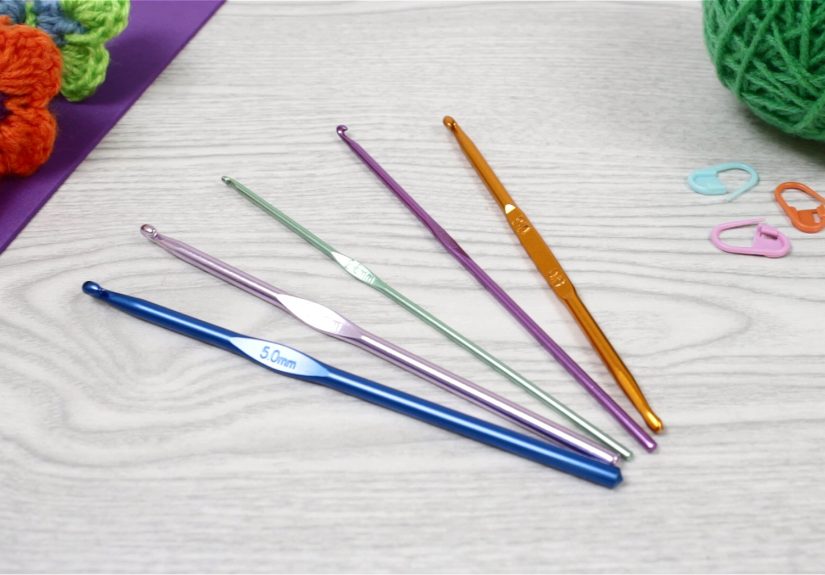
- 5.0 mm crochet hook, or the hook size recommended on your yarn label
- Scissors
- Yarn needle for weaving ends and seaming
- Measuring tape
- Stitch markers, optional but helpful
For a cozy everyday pair, worsted weight acrylic, wool-blend, or washable wool yarn works well. Acrylic is affordable and easy-care, while wool or wool-blend yarn adds warmth and bounce. Cotton can work, but it has less stretch, so it is better for decorative spring leg warmers than winter-ready ones.
How Much Yarn Do You Need?
Most adult crochet leg warmers require about 250 to 400 yards of worsted weight yarn, depending on height, stitch pattern, calf size, and desired slouch. If you want tall, scrunchy leg warmers, buy extra yarn. Running out halfway through the second leg warmer is a special kind of crochet heartbreak.
Best Yarn for Crochet Leg Warmers
The best yarn for crochet leg warmers should be soft, warm, durable, and stretchy enough to stay in place. A medium weight yarn is a smart beginner choice because it works up quickly without becoming bulky. Super bulky yarn can make dramatic, cozy leg warmers, but it may feel too thick inside boots. Lightweight yarn creates a softer drape, but it takes longer and may require more stitches.
For everyday wear, choose a yarn that is machine washable. Leg warmers live near shoes, floors, sidewalks, and the occasional muddy pet paw. A yarn that can handle real life is your friend.
Basic Crochet Abbreviations Used in This Tutorial
- ch = chain
- sc = single crochet
- hdc = half double crochet
- dc = double crochet
- sl st = slip stitch
- BLO = back loop only
- st = stitch
This pattern uses U.S. crochet terms. If you are used to U.K. crochet terminology, double-check your stitch names before beginning. Crochet language likes to keep us humble.
How to Measure for Crochet Leg Warmers
Before grabbing your hook, measure the widest part of your calf. Then measure from where you want the leg warmer to start to where you want it to end. Common lengths range from 10 inches for short boot cuffs to 16–20 inches for taller, slouchier leg warmers.
Simple Size Guide
- Small adult: 12–13 inch calf circumference
- Medium adult: 14–15 inch calf circumference
- Large adult: 16–17 inch calf circumference
- Extra slouchy fit: Add 1–2 inches in length
Because crochet fabric stretches, your finished tube should usually be about 1 inch smaller than the calf measurement if you want a snug fit. For example, if the calf measures 14 inches around, aim for a finished leg warmer circumference of about 13 inches. If you prefer a loose, slouchy style, make it closer to the actual calf measurement.
Gauge: The Tiny Step That Saves Your Sanity
Gauge means how many stitches and rows fit into a measured area, usually 4 inches. For accessories like crochet leg warmers, gauge does not need to be as strict as it would be for a fitted sweater, but it still matters. If your stitches are very tight, your leg warmers may feel stiff. If your stitches are too loose, they may slide down like sleepy socks.
Make a small swatch using the stitch pattern you plan to use. Measure how many stitches fit across 4 inches. If your swatch is too small, go up a hook size. If it is too large, go down a hook size. Yes, swatching feels like homework. But it is much better than finishing a leg warmer that fits a water bottle instead of a human leg.
Easy Crochet Leg Warmers Pattern
This beginner-friendly pattern is made as a flat rectangle with ribbing created by working into the back loop only. The rectangle is then folded and seamed into a tube. You will make two identical pieces.
Finished Size
This sample pattern creates an adult medium leg warmer measuring approximately 14 inches long and 13 inches around after seaming. Adjust the foundation chain for length and the number of rows for width.
Pattern Notes
- Chain more stitches for taller leg warmers.
- Work more rows for a wider tube.
- Keep your turning chains consistent for neat edges.
- Make two rectangles the same size before seaming.
Step-by-Step Instructions
Step 1: Make the Foundation Chain
Chain 42 for an adult medium leg warmer. This chain determines the height of your leg warmer, not the circumference. If you want shorter boot cuffs, chain 30–34. If you want tall leg warmers, chain 50 or more.
Hold the foundation chain against your leg to estimate the length. Remember that crochet can stretch slightly after wearing, so do not panic if it looks a tiny bit shorter than expected.
Step 2: Work the First Row
Single crochet in the second chain from the hook and in each chain across. You should have 41 stitches if you started with 42 chains. Chain 1 and turn.
This first row creates a clean base. Try not to pull the foundation chain too tightly. Tight chains make the edge curl and can cause the fabric to look pinched.
Step 3: Create Ribbing with Back Loop Crochet
For Row 2, single crochet in the back loop only of each stitch across. Chain 1 and turn. Repeat this row until the rectangle wraps comfortably around your calf with about a half-inch overlap for seaming.
Working in the back loop only creates raised ridges that look similar to knitted ribbing. This ribbed texture gives the leg warmers stretch, visual interest, and that cozy handmade look that says, “Yes, I made these, and yes, I am very proud.”
Step 4: Check the Width
After several rows, wrap the rectangle around your calf. Do not stretch it aggressively; just let it sit comfortably. Continue adding rows until it reaches the desired circumference.
For a snug adult medium fit, you may need around 36–44 rows, depending on yarn, hook size, and tension. Your row count may differ, and that is completely normal. Crochet tension varies from person to person, like handwriting or how much cheese someone thinks belongs on pasta.
Step 5: Fasten Off
Once the rectangle is wide enough, fasten off, leaving a long yarn tail for sewing. A tail about 18–24 inches is usually enough for seaming the long edge.
Step 6: Seam the Leg Warmer
Fold the rectangle lengthwise so the first row and last row meet. Use a yarn needle and whip stitch or mattress stitch to sew the edges together. Keep the seam neat but not overly tight. A too-tight seam can reduce stretch and make the leg warmer uncomfortable.
Turn the tube right side out so the seam sits on the inside. Try it on. If it fits well, celebrate quietly or loudly, depending on your household’s tolerance for yarn-related joy.
Step 7: Make the Second Leg Warmer
Repeat the exact same process for the second leg warmer. Count your rows so both pieces match. If one is slightly wider, you can usually hide the difference by wearing the seam toward the inside of the leg. Handmade items are allowed to have personality.
Optional Version: Crochet Leg Warmers in the Round
If you prefer a seamless look, you can crochet leg warmers in the round. Start with a chain that fits around your calf, join with a slip stitch, and work rounds of half double crochet or double crochet. Add ribbing at the top and bottom with front post and back post stitches, or crochet separate ribbed cuffs and attach them later.
The in-the-round method is fast and tidy, but beginners may find it harder to control sizing. The flat rectangle method is easier to adjust because you can wrap it around your leg as you go.
How to Add Ribbed Cuffs
If you want extra structure at the top and bottom, add cuffs. A cuff helps the leg warmer stay in place and gives it a polished look.
Simple Cuff Method
Attach yarn to one opening of the tube. Chain 1, then single crochet evenly around the edge. Join with a slip stitch. For the next round, alternate front post double crochet and back post double crochet to create stretchy ribbing. Work 3–5 rounds, then fasten off. Repeat for the other opening.
This method works especially well if your leg warmers feel a little loose. Ribbed cuffs act like gentle hugs for your calvesnot the awkward kind from a distant relative, the useful kind.
How to Customize Your Crochet Leg Warmers
Make Them Slouchy
For slouchy crochet leg warmers, add extra length. A few additional inches allow the fabric to bunch softly around the ankle. Softer yarns create better slouch than stiff yarns.
Add Stripes
Change yarn colors every few rows for striped leg warmers. Use two colors for a clean look or several colors for a playful stash-busting project. Stripes are also excellent for using leftover yarn.
Use a Textured Stitch
Once you are comfortable, try half double crochet in the third loop, lemon peel stitch, moss stitch, or simple shell rows. Keep in mind that textured stitches can change the width and stretch, so measure as you go.
Add Buttons
Decorative buttons along the seam can make your leg warmers look more finished. You can sew them on after the seam is complete. They do not need to function; they just need to sit there and look charming.
Common Beginner Mistakes and How to Fix Them
Your Leg Warmers Are Too Tight
If the tube feels too tight, add more rows before seaming. If you already seamed it, carefully remove the seam, add extra rows, and sew it again. This is annoying, yes, but much better than wearing leg warmers that feel like yarn-based traffic cones.
Your Leg Warmers Slide Down
If they slide down, add ribbed cuffs, use a smaller hook for the cuff section, or make the circumference slightly smaller next time. Yarn with more bounce, such as wool blends, can also help.
Your Edges Look Uneven
Uneven edges usually happen when stitches are skipped or added at the end of rows. Count your stitches every few rows. Stitch markers can help you identify the first and last stitch.
Your Pair Does Not Match
Count rows and measure both pieces before seaming. If the first leg warmer has 40 rows, the second should also have 40 rows. Measuring only by eye can be risky because crochet fabric likes to play optical illusions.
Care Tips for Crochet Leg Warmers
Always check the yarn label before washing. Many acrylic yarns are machine washable, while wool may need gentle hand washing. Lay leg warmers flat to dry so they keep their shape. Hanging wet crochet items can stretch them longer than expected, and suddenly your calf warmers become ankle curtains.
If your leg warmers pill over time, use a fabric shaver carefully. Store them folded instead of hanging. This helps preserve stretch and keeps the ribbing from relaxing too much.
Conclusion
Learning how to crochet leg warmers is a practical and satisfying project for beginners. With basic stitches, simple ribbing, and easy measurements, you can create a cozy handmade accessory that works for winter outfits, dance practice, lounging, costumes, or stylish boot layering. Start with a flat ribbed rectangle, seam it into a tube, and customize from there. Once you make one pair, you will probably start imagining versions in every color. This is normal. Yarn multiplication is a known crafting condition.
Personal Experience: What I Learned While Making Crochet Leg Warmers
The first time I made crochet leg warmers, I approached the project with the confidence of someone who had not yet been corrected by reality. I picked a soft worsted weight yarn, grabbed a hook, and thought, “How hard can two tubes be?” Famous last words. The actual crocheting was easy, but I quickly learned that leg warmers are simple in the same way pancakes are simple: the ingredients are basic, but technique still matters.
My first mistake was making the foundation chain too tight. The body of the leg warmer had nice stretch, but the starting edge looked like it had been emotionally compressed. After that, I began using a hook one size larger just for the foundation chain, then switching back to my regular hook for the rest of the rows. That one tiny change made the edge smoother and much more comfortable.
The second lesson was about measuring. I originally guessed the width by holding the rectangle near my leg and saying, “Looks fine.” This is not measurement. This is crochet optimism. When I seamed it, the leg warmer technically fit, but only if I stood perfectly still and negotiated with my calf muscle. Now I measure the widest part of the calf, subtract about an inch for stretch, and check the fit before sewing the seam. It takes less than a minute and saves a lot of dramatic sighing later.
I also learned that yarn choice changes everything. A soft acrylic yarn made lightweight leg warmers that were great for indoor wear and layering over leggings. A wool-blend yarn created warmer, springier leg warmers that stayed up better. A cotton yarn looked pretty but did not bounce back as well, so the finished piece felt looser after wearing. Cotton is lovely, but for leg warmers, I prefer something with a bit of elasticity.
Another useful trick is to keep notes while making the first leg warmer. Write down the hook size, starting chain, number of rows, yarn brand, and any adjustments. Otherwise, you may finish the first one, take a snack break, return to the second, and realize your memory has left the building. Matching pairs are much easier when you have a tiny project recipe beside you.
Finally, I discovered that crochet leg warmers are a great confidence-building project. They look more impressive than they are, which is the best kind of handmade accessory. Friends may assume you used complicated shaping or secret fiber magic, but really, it is mostly rows, patience, and a seam. Once you understand the basic construction, you can experiment with stripes, cuffs, buttons, taller lengths, and different textures. That is when the project becomes genuinely fun. One pair becomes two. Two pairs become “these would make great gifts.” And before long, you are the person casually discussing calf circumference at the yarn store. Honestly, there are worse hobbies.