Table of Contents >> Show >> Hide
- Start With the Most Important Question: What Kind of Foot Injury Is It?
- What to Do in the First 24 to 72 Hours
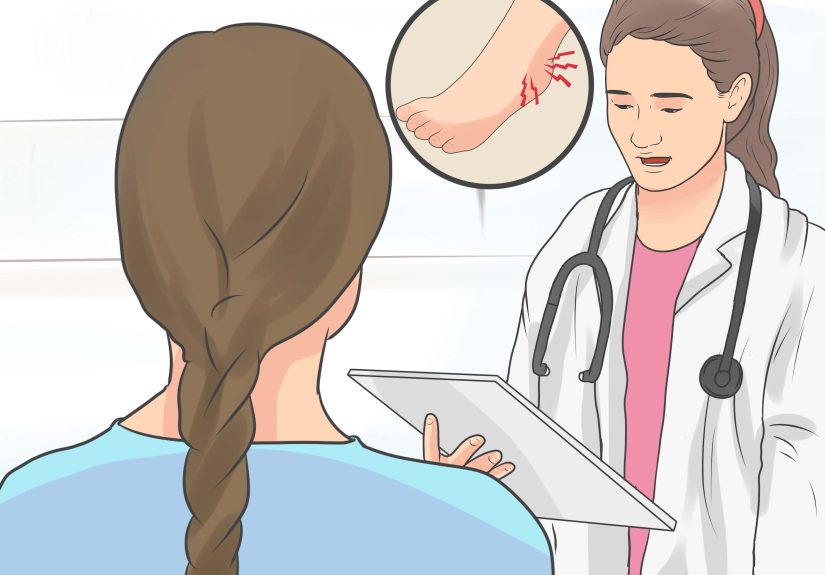
- When You Should See a Doctor Right Away
- Build a Recovery Plan in Phases
- What Recovery Usually Needs Besides Rest
- How Long Does It Take to Recover?
- Special Situations That Deserve Extra Caution
- Common Mistakes That Slow Recovery
- Footwear Matters More Than People Want to Admit
- When Physical Therapy Is Worth It
- Real-World Experience: What Recovering From a Foot Injury Often Feels Like
- Conclusion
A foot injury has a special talent for ruining absolutely everything. Walking? Annoying. Stairs? Betrayal. Standing in the kitchen for five minutes? Suddenly an extreme sport. The good news is that many foot injuries recover well when you handle the early phase correctly, get the right diagnosis, and progress your activity without trying to “tough it out” like a movie character with bad judgment.
Whether you are dealing with a sprain, strained soft tissue, bruised heel, tendon irritation, stress fracture, or a more serious fracture, recovery usually comes down to a simple formula: protect the injured area, control swelling and pain, restore motion, rebuild strength and balance, and return to activity gradually. Miss one of those steps, and your foot may file an official complaint.
This guide explains how to recover from a foot injury safely and realistically, with clear steps, examples, and common mistakes to avoid. It is written for general education and should never replace an evaluation by a qualified clinician, especially if you cannot bear weight, have major swelling, numbness, deformity, or a wound.
Start With the Most Important Question: What Kind of Foot Injury Is It?
“Foot injury” is a broad term, and that matters because recovery is not one-size-fits-all. A mild soft-tissue injury may improve with home care and a gradual return to activity. A stress fracture, displaced fracture, or midfoot injury may need a boot, crutches, imaging, formal rehab, or even surgery.
Common injuries that affect recovery
- Sprains: Ligaments are stretched or torn, often after twisting the foot or ankle.
- Strains and tendon injuries: Muscles or tendons are overloaded, irritated, or torn.
- Stress fractures: Tiny cracks in bone caused by repetitive load rather than one dramatic moment.
- Acute fractures: A break caused by trauma, such as a fall, collision, or awkward landing.
- Midfoot or Lisfranc injuries: These affect the arch-supporting structures in the middle of the foot and are easy to underestimate.
- Heel and plantar soft-tissue injuries: These can make every step feel like you are walking on a very opinionated Lego.
If your pain is sharp, severe, and paired with bruising, major swelling, inability to bear weight, or a “something is clearly not right here” feeling, do not assume it is “just a sprain.” Some serious foot injuries are missed early, especially midfoot injuries and stress fractures.
What to Do in the First 24 to 72 Hours
Early care is not glamorous, but it works. The goal in the first phase is to calm the injury down so the healing process can start without extra irritation.
1. Rest, but do not disappear into total inactivity forever
Reduce or stop the activity that triggered the pain. If walking hurts, cut back. If running hurts, stop running. If standing for long periods makes swelling worse, shorten that load. Early protection matters, but so does avoiding unnecessary immobilization for too long. Once your clinician says it is safe, gentle movement can prevent stiffness and weakness.
2. Ice for pain and swelling
Cold therapy can help in the acute phase. Use an ice pack wrapped in cloth rather than placing ice directly on your skin. Short sessions are usually better than turning your foot into a popsicle. Many people do well with 15 to 20 minutes at a time, repeated through the day as needed.
3. Compression
A wrap, sleeve, brace, or supportive boot may help reduce swelling and support the area. Compression should feel snug, not strangling. If your toes become cold, numb, discolored, or extra cranky, loosen it and get medical guidance.
4. Elevation
Prop the foot above heart level when possible, especially in the first couple of days. This is not laziness. This is strategy. Elevation can help reduce throbbing and swelling after activity.
5. Protect the injured area
Depending on the injury, you may need stiff-soled shoes, a brace, crutches, or a walking boot. The right device can be a recovery accelerator because it lets tissue heal without being annoyed by every step you take.
When You Should See a Doctor Right Away
Home care is not enough for every foot injury. Seek urgent medical care if you have any of the following:
- You cannot bear weight or walking is extremely painful.
- Your foot looks deformed, unstable, or obviously out of alignment.
- You have an open wound, active bleeding, or bone may be exposed.
- Your foot is numb, tingly, cold, pale, or changing color.
- Pain and swelling are getting worse instead of better.
- You have bruising on the bottom of the foot, especially after a twisting injury.
- You have diabetes, neuropathy, poor circulation, or immune suppression and now have foot pain or skin changes.
- You still feel significant pain, weakness, or swelling after several days of sensible home treatment.
These symptoms can signal a fracture, severe sprain, tendon injury, infection, circulation problem, or a midfoot injury that needs imaging and proper immobilization.
Build a Recovery Plan in Phases
The best recovery plans are boring in the best possible way: structured, progressive, and based on how the foot responds.
Phase 1: Calm the Injury Down
In this phase, your priorities are pain control, swelling reduction, and protection. That might mean a temporary pause from sports, fewer errands on foot, more sitting breaks, and using a brace or boot exactly as directed. This is also the phase where people get impatient and do something heroic and unhelpful, like “testing it” every few hours. Resist that urge.
Phase 2: Restore Motion
Once pain and swelling begin to settle, gentle range-of-motion work usually becomes important. The goal is to restore normal movement without increasing symptoms. Depending on your injury and your clinician’s advice, common examples may include:
- Tracing the alphabet in the air with your foot
- Gentle ankle circles
- Calf stretching with a towel
- Rolling the arch over a ball or frozen water bottle for comfort
During this stage, soreness is possible, but sharp pain is a bad review from your body. If symptoms spike later that day or the next morning, you probably advanced too fast.
Phase 3: Rebuild Strength
A foot injury does not only affect the foot. Calf muscles weaken. Balance declines. Your walking pattern changes. Suddenly your hip, knee, or lower back joins the conversation. That is why strengthening matters.
Once your provider or physical therapist clears you, strengthening may include:
- Double-leg then single-leg calf raises
- Towel scrunches or marble pickups for the toes
- Resistance-band exercises for the ankle and foot
- Intrinsic foot strengthening for arch control
- Hip and glute exercises to improve lower-body mechanics
Phase 4: Retrain Balance and Control
This stage is often skipped, and then people wonder why they keep rolling the same foot again. Balance and proprioception training teach your body to react better when the ground is uneven, your step is awkward, or your brain is distracted by life. Useful drills may include:
- Standing on one foot near a wall or countertop for safety
- Single-leg balance with eyes open, then closed if appropriate
- Controlled step-downs
- Light agility drills once pain-free and cleared
Phase 5: Return to Activity Gradually
“It feels better” and “it is ready for everything” are not the same sentence. A smart return builds load little by little. Start with walking before jogging, shorter sessions before longer ones, flat surfaces before uneven terrain, and low-impact workouts before high-impact ones.
A practical rule is to increase activity only when the foot tolerates the current level without increased swelling, limping, or next-day pain. If symptoms jump, step back instead of bulldozing forward.
What Recovery Usually Needs Besides Rest
Sleep
Healing tissue likes sleep. Poor sleep can worsen pain sensitivity, reduce energy, and make it harder to stick with rehab. If your foot throbs at night, elevate it before bed, follow your pain plan, and avoid late-day overdoing it.
Nutrition
Your body needs raw materials to rebuild tissue. Prioritize enough protein, regular meals, hydration, and adequate calcium and vitamin D intake. This matters even more if your injury involves bone stress or a fracture. Skimping on food while asking your body to heal is like trying to renovate a house with three nails and a strong opinion.
Avoid smoking and heavy drinking
Smoking can interfere with tissue and bone healing, and excess alcohol is not helping either. If you needed a surprisingly strong excuse to quit or cut back, your foot has entered the chat.
How Long Does It Take to Recover?
The honest answer is: it depends on the tissue involved, severity, age, health status, treatment plan, and whether you follow it. That said, some broad patterns are common:
- Mild sprains or strains: Often improve over days to a few weeks.
- Moderate to severe sprains: Often need several weeks, and sometimes longer, especially if swelling lingers.
- Stress fractures: Frequently require weeks of activity reduction and protected weight-bearing.
- Fractures: Recovery may involve immobilization, gradual weight-bearing, and formal rehab.
- Lisfranc or major midfoot injuries: These often take much longer and may involve months of recovery.
Recovery also is not perfectly linear. Many people feel noticeably better, then have a flare after a busy day, a long walk, or an overconfident grocery run. That does not always mean you are back at square one. It often means your tissue is still building capacity.
Special Situations That Deserve Extra Caution
Stress fractures
These are classic “I tried to push through it and made it worse” injuries. They often begin as a nagging ache that becomes more precise and more stubborn over time. Do not keep training hard on a suspected stress fracture. Bone needs load management, not motivational speeches.
Midfoot or Lisfranc injuries
If you have significant midfoot pain, swelling, bruising under the foot, or pain with push-off, take it seriously. These injuries can be missed early and may cause long-term pain if not treated properly.
Diabetes or neuropathy
If you have reduced sensation, circulation issues, or diabetes-related foot problems, get medical advice earlier rather than later. Injuries, skin breakdown, and infection can progress faster and feel less obvious.
Persistent swelling or repeated sprains
If your foot keeps giving way, swelling returns every evening, or pain is still limiting normal walking after the expected timeline, ask about a more complete evaluation. Sometimes the original diagnosis was incomplete. Sometimes you need more structured rehab. Sometimes footwear, arch mechanics, or instability are keeping the cycle alive.
Common Mistakes That Slow Recovery
- Returning to activity the second the pain drops by 20%
- Skipping rehab once daily life feels “good enough”
- Ignoring swelling because “it is still kind of working”
- Wearing unsupportive shoes too early
- Continuing impact exercise with a suspected stress fracture
- Assuming every foot injury will heal on its own
- Doing aggressive stretches or strengthening before the tissue is ready
In short, recovery is usually faster when you are patient early and progressive later. Rush the early phase, and you often buy yourself extra weeks of frustration.
Footwear Matters More Than People Want to Admit
During recovery, shoes can either help or behave like tiny saboteurs. Many people do better with supportive footwear that limits excessive motion and reduces pressure on the injured area. Depending on the injury, that may mean:
- A stiff-soled walking shoe
- A supportive sneaker with cushioning
- An ankle brace or walking boot if prescribed
- Orthotics or inserts if recommended for mechanics or pressure relief
This is not the ideal season for flimsy sandals, worn-out trainers, or minimalist shoes you bought during your “I am becoming a natural runner” phase. Let your foot recover first. Existential athletic identity questions can wait.
When Physical Therapy Is Worth It
Physical therapy is especially helpful if you have ongoing weakness, balance loss, repeated sprains, gait changes, a fracture recovery plan, post-surgical rehab needs, or a longer-than-expected recovery. A good therapist can guide the timing of exercises, monitor your walking pattern, progress load safely, and help prevent reinjury.
This is particularly important for athletes, active adults, people with physically demanding jobs, and anyone who wants to do more than simply hobble through the day.
Real-World Experience: What Recovering From a Foot Injury Often Feels Like
Here is the part people do not always say out loud: recovering from a foot injury can be emotionally weird. At first, there is usually a burst of optimism. You rest for a day or two, you ice like a champion, and you assume you will be back to normal by Thursday. Then Thursday arrives, your foot still hurts, and suddenly you are negotiating with a staircase like it is a legal dispute.
One of the most common experiences is frustration over how slow “small” injuries can feel. Because the foot is involved in every step, even mild injuries get repeated little stressors all day long. You notice it when you get out of bed, when you step into the shower, when you carry groceries, and when you try to keep up your normal routine. People often say the hardest part is not one dramatic pain spike. It is the constant interruption. The injury turns simple tasks into reminders.
Another common experience is the false comeback. You feel better, so you do more. You walk farther, stand longer, or return to exercise too soon. At first it seems fine, and then later that evening the swelling returns and the foot throbs like it has opinions. This does not mean you failed. It usually means your tissues tolerated some load, just not that much. Many recoveries improve when people stop thinking in all-or-nothing terms and start thinking in dosage: how much walking, how much standing, how much exercise, and how did the foot respond the next day?
People also often notice that the rest of the body gets dragged into the story. You limp a little, then your calf tightens. You favor one side, then your hip complains. You move differently without realizing it, and suddenly your whole lower body feels disorganized. That is why rehab is not just about pain going away. It is about getting your movement quality back so your body stops improvising bad solutions.
There is also a confidence piece. The first normal walk after injury feels great. The first quick turn, uneven sidewalk, or attempt at a jog can feel nerve-racking. Many people are not only rebuilding strength. They are rebuilding trust in the foot. Small wins matter here: walking without a limp, standing through a work shift more comfortably, going down stairs with control, or finishing a day without a major flare. Those milestones count.
In the end, the most successful recoveries are rarely dramatic. They are steady. People who do well usually respect the injury early, follow the plan, adjust when symptoms talk back, and avoid turning every “better day” into a test of destiny. It is not flashy, but it works.
Conclusion
If you want to recover from a foot injury well, think beyond pain relief. Early protection matters. Accurate diagnosis matters. Progressive rehab matters. Sleep, nutrition, supportive footwear, and patience matter. And if something seems off, such as severe pain, numbness, deformity, inability to bear weight, or symptoms that are not improving, get evaluated. Feet are sturdy, but they are also not fond of being ignored.
Handle the first phase wisely, rebuild strength and balance gradually, and return to activity with a little humility. Your foot will appreciate it. Probably quietly. Feet are not known for speeches.