Table of Contents >> Show >> Hide
- What Makes a Christmas Cactus Different?
- Give It the Right Light and It Will Stop Complaining
- Watering: The Fine Art of Not Drowning or Desiccating It
- The Best Soil and Pot for a Healthy Christmas Cactus
- Fertilizer: Helpful, but Not a Buffet
- Temperature Matters More Than Most People Realize
- Humidity Helps
- How to Get a Christmas Cactus to Bloom Every Year
- Common Problems and How to Fix Them
- Pruning and Propagation
- A Simple Year-Round Christmas Cactus Care Calendar
- Real-Life Experiences With Christmas Cactus Care
- Conclusion
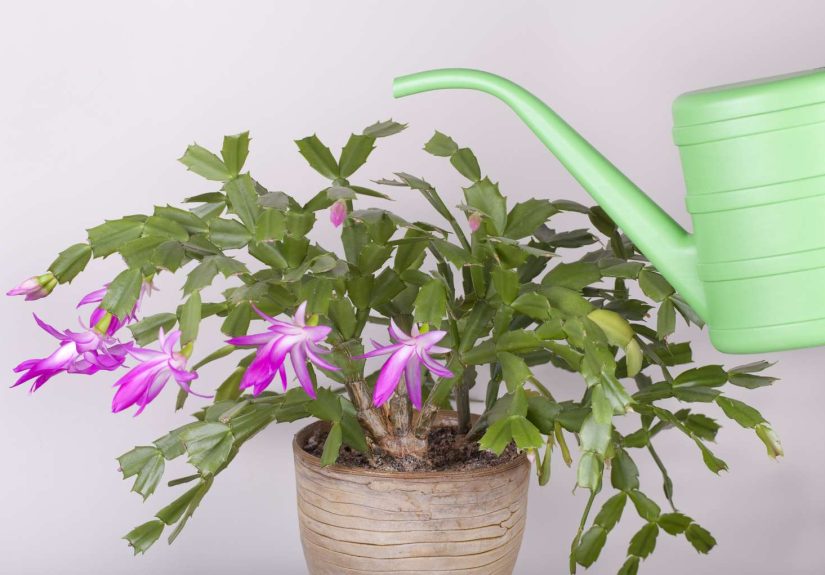
If your Christmas cactus blooms like a superstar one year and then spends the next holiday season acting like it has creative differences with management, you are not alone. These plants are famous for their gorgeous flowers, long lives, and occasional talent for being just a little dramatic. The good news is that Christmas cactus care is not hard once you understand what the plant actually wants: bright indirect light, sensible watering, a well-draining mix, and a very specific cue in fall that tells it, “Showtime.”
Despite the name, a Christmas cactus is not a desert cactus that wants to bake in a sunny window and survive on neglect alone. It is a tropical cactus that naturally grows in humid forest conditions. That single fact explains almost everything about how to keep it healthy. Treat it like a prickly camel, and it sulks. Treat it like a tropical houseplant with cactus tendencies, and it rewards you with a fountain of blooms.
Here is the complete guide to how to care for a Christmas cactus so it blooms brightly every year, with practical examples, seasonal timing, and a few reality checks for plant parents who occasionally forget where they put the watering can.
What Makes a Christmas Cactus Different?
Christmas cactus belongs to the Schlumbergera group, a set of holiday cacti known for flattened stem segments and colorful blooms in late fall or winter. Unlike desert cacti, these plants prefer moderate moisture, filtered light, and a bit of humidity. They also like being slightly rootbound, which is excellent news if repotting is not your favorite hobby.
Another important detail: many plants sold around the holidays as “Christmas cactus” are actually Thanksgiving cactus. The care is nearly identical, so there is no need to stage a botanical identity crisis in your kitchen. If it blooms around the holidays and has lovely flowers, the routine below will still serve you well.
Give It the Right Light and It Will Stop Complaining
Bright, Indirect Light Is the Sweet Spot
The best light for a Christmas cactus is bright, indirect light. Think near an east-facing window, or a few feet back from a south- or west-facing window where the sunlight is softened. A plant that gets too little light may grow weakly and bloom poorly. A plant that gets too much direct sun can develop reddish or scorched stems, which is its very polite way of saying, “I did not sign up for this.”
If your home is dim, move the plant to a brighter room long before bud season starts. Do not wait until it has already formed buds and then begin a grand house tour. Christmas cactus prefers consistency, especially once budding begins.
Use Darkness to Trigger Blooms
This is the trick that separates a leafy plant from a flowering one. To encourage blooming, a Christmas cactus needs long, uninterrupted nights in fall. In practical terms, that means about 13 to 14 hours of darkness each night for several weeks, usually starting in late September or October. If the plant is exposed to indoor lamps, a television glow, or porch light spillover during that dark period, bud formation can be disrupted.
That sounds fussy, but it is manageable. Place the plant in a room that stays dark at night, or cover it consistently from evening until morning. Pair that darkness with cool nighttime temperatures, and the plant gets the message that bloom season has arrived.
Watering: The Fine Art of Not Drowning or Desiccating It
Water When the Top Layer Dries
The biggest Christmas cactus mistake is overwatering. The second biggest mistake is swinging wildly from desert conditions to swamp conditions. Neither helps. A good rule is to water when the top inch of the potting mix feels dry. Then water thoroughly until excess drains out, and never let the pot sit in standing water.
During active growth in spring and summer, you will usually water more often. During the post-bloom resting period in late winter, watering can be reduced. In fall, while buds are forming, aim for evenly moist but never soggy soil. If the plant gets too dry after buds appear, it may drop them out of sheer protest.
Watch the Plant, Not Just the Calendar
A Christmas cactus in a warm room, small pot, or airy mix dries out faster than one in a cool room with dense soil. That is why a rigid “every Saturday” schedule does not always work. Instead, check the soil with your finger and look at the stems. Firm segments usually mean the plant is hydrated. Limp, shriveled segments can point to dryness, root trouble, or stress.
If the plant looks thirsty but the soil is still wet, that is a red flag for root rot. In that case, more water is not the answer. Better drainage is.
The Best Soil and Pot for a Healthy Christmas Cactus
Use a Well-Draining Potting Mix
Christmas cactus does not want heavy, soggy soil. A loose, well-draining potting mix is best. Many gardeners use a quality houseplant mix improved with perlite, bark, or coarse material to increase airflow around the roots. The goal is simple: moisture retention without suffocation.
Do Not Oversize the Pot
These plants often bloom better when they are slightly rootbound. That means you should not jump from a modest pot into one big enough to host a family reunion. Choose a container with drainage holes and only go up one size when repotting is truly necessary.
If your Christmas cactus has been in the same pot for years and still blooms beautifully, congratulations. Your plant has entered the “don’t fix what isn’t broken” phase of life.
Repot in Spring, Not During Bloom Time
The best time to repot a Christmas cactus is spring or early summer, after blooming has finished and the plant begins active growth again. Repotting during bud or bloom season is a classic way to trigger bud drop and personal regret in a single afternoon.
Fertilizer: Helpful, but Not a Buffet
Christmas cactus benefits from fertilizer during active growth, usually from spring into late summer. A balanced houseplant fertilizer at half strength works well. Some growers feed monthly during the growing season, while others fertilize every month or two. The important part is moderation.
Stop or reduce feeding before bloom season approaches. Too much fertilizer late in the year can interfere with flowering, and excess salts can stress the roots. This is not a plant that wants a bodybuilding routine. It wants a light, steady meal plan and a break before the big performance.
Temperature Matters More Than Most People Realize
If you want reliable blooms, pay attention to temperature. Christmas cactus generally likes ordinary indoor temperatures during much of the year, but cooler conditions in fall help trigger buds. Night temperatures in the mid-50s to mid-60s Fahrenheit are often ideal for bud set. Once buds form, try to keep conditions stable.
Do not place the plant near heat vents, radiators, fireplaces, drafty doors, or cold windows. Sudden changes can cause unopened buds to drop. In plant language, this means, “I was prepared to bloom, but then the thermostat became chaotic.”
Humidity Helps
Because Christmas cactus comes from a more humid environment than desert cacti, it appreciates moderate humidity indoors. This matters especially in winter, when heated homes can become uncomfortably dry. If the air in your home feels like toasted crackers, your plant probably agrees.
An easy fix is to place the pot on a tray of pebbles with water below the pot’s base, so evaporation adds humidity around the plant without soaking the roots. Grouping houseplants together can also help create a slightly more humid microclimate.
How to Get a Christmas Cactus to Bloom Every Year
If your main goal is flowers, follow this rebloom checklist:
1. Keep it in bright, indirect light all year
A strong, healthy plant is more likely to bloom than a weak one surviving in a gloomy corner behind the cereal shelf.
2. Fertilize during active growth, then ease off
Feed in spring and summer, then stop well before bloom season so the plant can shift energy toward bud production.
3. Give it cool nights in fall
Cool nighttime temperatures help trigger flowering. This is one of the most important bloom signals.
4. Provide long, uninterrupted darkness
Aim for about 13 to 14 hours of darkness nightly for several weeks in fall. Consistency matters more than perfection.
5. Do not move it once buds form
A plant with developing buds wants stability. Rotation, relocation, and environmental shifts can all cause bud drop.
6. Keep the soil evenly moist during budding and bloom
Not wet, not bone dry. Think steady care, not surprise hydration marathons.
Common Problems and How to Fix Them
Problem: Buds Drop Before Opening
This is usually caused by sudden environmental change, drafts, heat, low humidity, underwatering, overwatering, or interrupted darkness. Fix the conditions, then leave the plant alone. Hovering emotionally over the pot does not count as a treatment.
Problem: No Flowers at All
The plant probably did not get enough darkness, cool enough nights, or sufficient light during the rest of the year. It may also be overfed late in the season.
Problem: Mushy Stems or Sour-Smelling Soil
That points to overwatering or poor drainage. Remove the plant from the pot, inspect the roots, trim away any rotten parts, and repot in a fresh, airy mix if needed.
Problem: Red or Purple-Tinted Stems
This can happen from too much direct sun, drought stress, or nutrient imbalance. Move the plant to gentler light and reassess watering and feeding.
Problem: Leggy or Sparse Growth
Usually a sign of inadequate light. Move it to a brighter location with indirect light and prune lightly after blooming to encourage branching.
Pruning and Propagation
If your plant is getting lanky or you want a fuller shape, prune it after flowering or in late spring to early summer. Pinch or cut off a few stem sections at the joints. This encourages branching, which means more places for future flowers.
Those removed sections can become new plants. Let the cuttings dry briefly, then place a few joined segments into a well-draining medium and keep them lightly moist in bright, indirect light. It is one of the easiest houseplant propagation projects around, and it makes you look suspiciously competent.
A Simple Year-Round Christmas Cactus Care Calendar
Late Winter to Early Spring
Blooming winds down. Remove spent flowers, reduce watering slightly, and let the plant rest.
Spring
New growth begins. Resume regular watering, fertilize lightly, and repot if necessary.
Summer
Keep it in bright indirect light. Feed during active growth. If desired, move it outdoors to a sheltered shady spot once nights are warm enough, then bring it back in before cool weather returns.
Early Fall
Begin the rebloom routine with longer nights and cooler temperatures. Reduce fertilizer and avoid nighttime light exposure.
Late Fall to Winter
Buds develop and flowers open. Keep conditions stable, water carefully, and enjoy the show without relocating the plant every time company comes over.
Real-Life Experiences With Christmas Cactus Care
One of the most common experiences people have with a Christmas cactus is inheriting one from a parent, grandparent, or neighbor and immediately feeling like they have been handed a family heirloom with emotional expectations. These plants can live a very long time, so it is not unusual for someone to say, “This cactus is older than I am,” and mean it. In many homes, the plant is not just décor. It is part of the holiday ritual, showing up on a windowsill every year like a floral relative who never misses dinner.
Another extremely relatable experience is the “why did it bloom last year but not this year?” mystery. A lot of people discover that nothing is technically wrong with the plant. It simply had a different routine. Maybe the room was warmer. Maybe a lamp stayed on later in the evening. Maybe the cactus got moved three times because someone wanted it in the background of a video call, then on the dining table, then near the entryway for guests. Christmas cactus teaches a lesson many houseplants repeat: consistency is not glamorous, but it works.
There is also the overwatering phase, which deserves its own chapter in the Houseplant Hall of Fame. A plant owner notices the stems look a little limp, assumes the cactus is thirsty, and waters again. And again. A week later, the soil is soggy, the plant looks worse, and everyone involved learns that limp stems do not always mean dryness. Sometimes they mean the roots are in trouble. Once gardeners understand this, they become much more confident. They stop guessing and start checking the soil before watering.
Many people also report that their cactus performs best when slightly neglected in the most respectful possible way. Not ignored, exactly. More like allowed to keep its routine. It gets bright light, modest fertilizer, timely water, and peace. No dramatic repotting in November. No random trip next to a heater vent in December. No daily spinning for “even growth” once buds appear. Just calm, steady care.
Then there is the magical first successful rebloom. If you have ever guided a Christmas cactus from one holiday season to the next and watched those buds appear again, you know the feeling. It is weirdly thrilling. Suddenly you are texting photos to people who did not ask. You become the kind of person who says things like, “It needed longer nights,” at completely normal volume. That is the charm of this plant. It looks fancy when it blooms, but the victory comes from learning its rhythm.
Perhaps the best experience of all is seeing how forgiving the plant can be. A missed watering does not always ruin it. A year with fewer blooms does not mean failure. A leggy plant can be pruned. A rootbound plant can be refreshed. A cutting can become a brand-new plant for a friend. Christmas cactus has a lovely way of rewarding patience over perfection, which may be why so many people keep one for decades. It is festive, dependable, and just dramatic enough to keep things interesting.
Conclusion
If you want your Christmas cactus to bloom brightly every year, focus on the basics and the timing. Give it bright indirect light, use a fast-draining mix, water when the top inch dries, feed lightly in the growing season, and set it up for rebloom in fall with cool nights and long uninterrupted darkness. Most of all, avoid sudden changes once buds begin to form.
Do that, and your Christmas cactus will not just survive. It will become one of those legendary houseplants people point at during the holidays and say, “Wait, how do you always get yours to bloom like that?” You can smile, shrug modestly, and pretend it was effortless.