Table of Contents >> Show >> Hide
- What Are Brandied Cherries?
- Why Make Brandied Cherries at Home?
- Best Cherries for Brandied Cherries
- Ingredients for Brandied Cherries
- Equipment You Will Need
- How to Make Brandied Cherries Step by Step
- How Long Do Brandied Cherries Last?
- Common Mistakes to Avoid
- Flavor Variations to Try
- How to Use Brandied Cherries
- Are Brandied Cherries Better Than Store-Bought Cocktail Cherries?
- Kitchen Experiences and Lessons From Making Brandied Cherries
- Final Thoughts
If you have ever speared a sad neon-red cherry from a cocktail and thought, “Well, that was aggressively fine,” this article is for you. Homemade brandied cherries are richer, darker, fruitier, and infinitely more charming than the average grocery-store garnish. They taste like actual cherries, not like a chemistry set wearing lipstick.
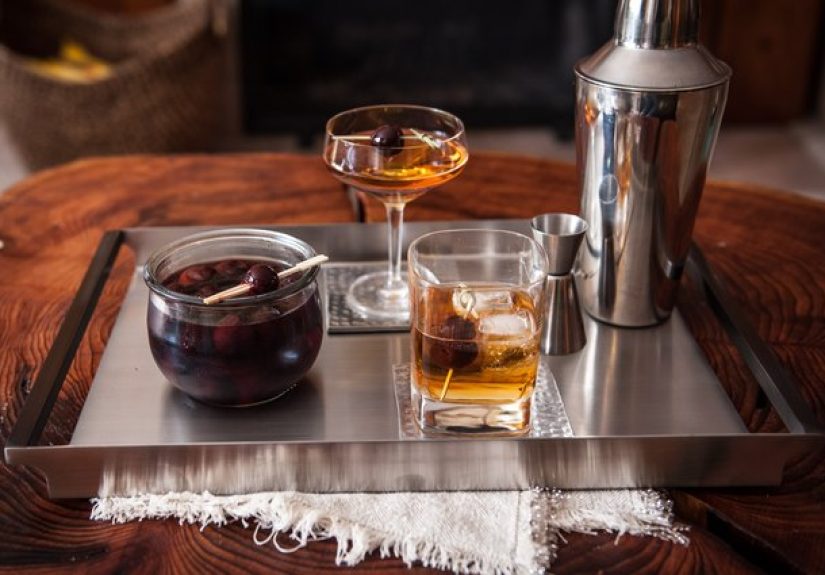
Better yet, brandied cherries are easy to make. At their core, they are simply cherries preserved in a sweetened brandy mixture, often with a few supporting actors like vanilla, citrus peel, cinnamon, or nutmeg. The result is a glossy, boozy little jewel that can dress up an Old Fashioned, a Manhattan, a scoop of vanilla ice cream, a slice of pound cake, or a Tuesday that got a bit too Tuesday-ish.
This guide walks you through how to make brandied cherries at home, how to choose the best cherries, what mistakes to avoid, how to store them, and how to make them taste like something you would brag about bringing to a holiday party. This version is designed as a refrigerator brandied cherry recipe, which is the most approachable and reliable method for most home cooks.
What Are Brandied Cherries?
Brandied cherries are fresh cherries preserved in a mixture of sugar and brandy, sometimes with added flavorings such as vanilla bean, orange peel, cinnamon, cloves, or lemon juice. Think of them as the glamorous cousin of syrupy cocktail cherries: still sweet, still useful, but much more sophisticated and far less likely to stain your soul.
They can be made with sweet cherries, sour cherries, or even frozen cherries in some cases. Some recipes go light and simple so the fruit stays front and center. Others lean into spice and turn the jar into a little holiday mood with a lid.
Why Make Brandied Cherries at Home?
There are several excellent reasons to make your own homemade brandied cherries:
- Real flavor: You get deep cherry flavor instead of one-note candy sweetness.
- Better texture: Homemade cherries stay plump and tender rather than oddly rubbery.
- Customizable syrup: You control the sweetness, spice, and booze level.
- Versatile use: They work in cocktails, desserts, breakfast dishes, and edible gifts.
- Seasonal preservation: They help you hang on to cherry season a little longer.
Also, a jar of brandied cherries in the fridge makes you look like the sort of person who casually says things like, “Let me garnish that for you.” Very powerful energy.
Best Cherries for Brandied Cherries
Sweet Cherries
Sweet cherries such as Bing or other dark varieties are the most common choice for a classic brandied cherries recipe. They are juicy, rich, and naturally dessert-friendly. If you want a deep color and a lush, mellow flavor, start here.
Sour Cherries
Sour cherries make a more vivid, tangy preserve that plays especially well in cocktails. They have a brighter flavor and can cut through the sweetness of the syrup beautifully. If you like your fruit with a little attitude, sour cherries are a great option.
Fresh vs. Frozen
Fresh cherries are ideal when they are ripe, firm, and in season. Look for fruit that is glossy, richly colored, and free of bruising or splits. If fresh cherries are not available, frozen cherries can work, though the final texture is often a bit softer. They are still delicious, just slightly less dramatic in the beauty-pageant portion of the competition.
Ingredients for Brandied Cherries
Here is a dependable ingredient list for a flavorful refrigerator batch:
- 2 pounds fresh cherries, washed, stemmed, and pitted
- 1 cup granulated sugar
- 1 cup water
- 1 to 1 1/4 cups brandy
- 1 strip orange peel
- 1 vanilla bean, split, or 1 teaspoon vanilla extract
- 1 small cinnamon stick
- 1 tablespoon lemon juice
- Pinch of salt
This balance gives you a syrup that is sweet enough to preserve flavor and round out the fruit, but not so sweet that the cherries taste like they are trying too hard. You can increase the brandy slightly for a more grown-up finish, but do not drown the fruit in a heroic splash just because you are feeling optimistic.
Equipment You Will Need
- Large bowl for washing and pitting
- Cherry pitter or small paring knife
- Medium saucepan
- Spoon or heatproof spatula
- Clean glass jars with tight-fitting lids
- Funnel, optional but helpful
Use very clean jars and lids. Since this is a refrigerator preserve, cleanliness matters for quality and storage, even if you are not doing a full canning process.
How to Make Brandied Cherries Step by Step
1. Wash and Prep the Cherries
Rinse the cherries well under cool running water and remove the stems. Pit the cherries with a cherry pitter or a small knife. If you are prepping a lot of fruit, this is the moment when you may briefly question your life choices. Stay strong. The payoff is excellent.
2. Build the Syrup
In a medium saucepan, combine the sugar, water, orange peel, vanilla bean, cinnamon stick, lemon juice, and a pinch of salt. Warm over medium heat, stirring until the sugar fully dissolves. Bring it just to a gentle simmer, not a volcanic sugar tantrum.
3. Warm the Cherries
Add the pitted cherries to the syrup and simmer very gently for about 2 to 3 minutes. You are not trying to cook them into jam. The goal is to lightly soften the fruit, help it release flavor into the syrup, and make the finished preserve more cohesive.
4. Remove From Heat Before Adding the Brandy
Take the pan off the heat, then stir in the brandy. This matters. Adding alcohol off heat helps preserve more of its aroma and flavor. Pouring booze into a boiling pot is a good way to waste the good part.
5. Jar the Cherries
Transfer the cherries to clean jars, then pour the syrup over the top. Make sure the cherries are well covered by the liquid. Tuck in the orange peel, vanilla bean, or cinnamon stick if you want a stronger continuing infusion.
6. Cool and Refrigerate
Let the jars cool to room temperature, then seal and refrigerate. You can technically use the cherries after about 24 hours, but they are noticeably better after 3 to 7 days. If you can leave them alone for 2 to 6 weeks, they become even more complex and luxurious.
How Long Do Brandied Cherries Last?
For this refrigerator method, brandied cherries generally keep well for several months when stored cold in clean jars and kept covered by syrup. Always use a clean spoon when fishing them out, and discard them if you see mold, cloudiness that looks suspicious, off odors, or anything else that suggests the jar has entered its villain era.
If you want a shelf-stable version, use a current tested home-canning recipe from a trusted preservation source rather than improvising. A lot of homemade alcohol-preserved cherry recipes are designed for the refrigerator, not the pantry shelf.
Common Mistakes to Avoid
Using Overripe or Damaged Fruit
Soft, bruised cherries may taste fine on ice cream tonight, but they are not ideal for preserving. Start with firm, ripe cherries for the best texture and appearance.
Boiling the Cherries Too Long
If you cook them too hard, they can collapse and turn mushy. Gentle heat is the secret. This is a preserve, not a cherry identity crisis.
Adding Brandy Over High Heat
Adding the alcohol while the syrup is boiling can mute its character. Let the heat settle down first.
Skimping on Rest Time
Freshly made cherries are tasty, but rested cherries are where the magic happens. Time gives the fruit a richer, rounder flavor.
Not Keeping the Fruit Submerged
Make sure the cherries stay under the syrup as they rest. Exposed fruit dries out faster and stores less well.
Flavor Variations to Try
Classic Vanilla-Orange Brandied Cherries
This is the version above and the best all-purpose choice. It works in cocktails and desserts without stealing the spotlight.
Spiced Brandied Cherries
Add clove, allspice, and a little nutmeg for a warmer, more holiday-style jar. This version is wonderful over cheesecake or stirred into winter drinks.
Bourbon-Style Swap
If you are out of brandy, bourbon can stand in for a different flavor profile. It is no longer technically brandied cherries, but it is still a delicious way to preserve cherries in alcohol.
Cherry-Citrus Version
Increase the orange peel and add a small strip of lemon peel for a brighter finish. This variation is excellent in sparkling wine or a gin cocktail.
How to Use Brandied Cherries
Once you have a jar of these in your refrigerator, you will find excuses to use them everywhere:
- As a garnish for Manhattans, Old Fashioneds, or champagne cocktails
- Spooned over vanilla ice cream or frozen yogurt
- Served with pound cake, brownies, or cheesecake
- Folded into whipped cream for a boozy dessert topping
- Added to oatmeal, overnight oats, or thick yogurt for a very confident breakfast
- Wrapped up as a holiday food gift
And yes, the syrup is useful too. Stir a little into club soda, drizzle it over cake, or use it in cocktails. Throwing it away would be culinary vandalism.
Are Brandied Cherries Better Than Store-Bought Cocktail Cherries?
In one word: yes. In two words: absolutely yes.
Homemade brandied cherries offer fresher fruit flavor, a more natural texture, and a syrup that tastes like you made a decision on purpose. Store-bought cocktail cherries can be fine for convenience, but homemade versions feel richer and more personal. They are especially worth making if you already enjoy homemade preserves, seasonal cooking, or building a better home bar.
Kitchen Experiences and Lessons From Making Brandied Cherries
The first time I made brandied cherries, I thought the project would feel wildly glamorous. I imagined jazz playing softly in the background, a silk robe somehow involved, and myself dropping jewel-toned cherries into crystal glasses like a person who definitely knows what vermouth is supposed to do. In reality, I spent the first fifteen minutes flicking cherry juice onto the counter while wrestling with a stubborn pitter and wondering why cherries seem so innocent in the bowl and so chaotic in practice.
That is one of the funny things about learning how to make brandied cherries: the process is simple, but it still teaches you patience. Cherries are small. Pitting them takes time. The syrup smells so good that you will want to rush. And the brandy turns the whole kitchen into a place that feels half bakery, half cocktail bar, which is delightful but deeply distracting. Still, once the jars are filled, something shifts. You stop thinking of the task as fussy and start thinking of it as satisfying.
One lesson that comes up quickly is that fruit quality matters more than fancy liquor. Home cooks often assume the brandy is the star, but it really is not. The cherries do most of the work. If the fruit is bland, tired, or too soft, the final jar will always feel a little flat. On the other hand, even a modest bottle of brandy can produce wonderful results when paired with ripe cherries that taste good before they ever see the pot. This is comforting news for practical people and mildly disappointing news for anyone hoping expensive booze could solve all kitchen problems.
Another lesson is that rest time is not optional if you want the best flavor. Freshly made brandied cherries are pleasant enough, but the real transformation happens after a few days, then a few weeks. The syrup darkens. The fruit deepens. The brandy stops shouting and starts blending. It becomes a more complete flavor instead of a stack of separate notes. Waiting is annoying, of course, because homemade preserves always smell ready before they actually are. But patience pays off here in a big way.
I have also found that brandied cherries become one of those secret weapons that make ordinary desserts feel much fancier than they are. A plain scoop of vanilla ice cream suddenly looks intentional. A store-bought pound cake becomes dinner-party material. Even yogurt feels suspiciously elegant. That may be the greatest charm of the recipe: it turns simple things into treats without demanding much more work after the jar is made.
And finally, making them teaches generosity. Brandied cherries are one of those rare kitchen projects that feel luxurious but pack easily into a gift. A small jar tied with ribbon can make you look thoughtful, skilled, and organized, even if you were absolutely not organized while cherry juice was on your elbow and there was a cinnamon stick under the stove. That is the beauty of a good preserve. The messy middle disappears. What remains is a beautiful jar and the very convincing illusion that you had everything under control the whole time.
Final Thoughts
If you want a small kitchen project with big rewards, making brandied cherries is hard to beat. They are simple enough for a motivated beginner, impressive enough for a seasoned home cook, and useful enough that the jar rarely lasts as long as you think it will. With good cherries, a balanced syrup, and a little patience, you can make a batch that tastes better than most store-bought options and brings instant polish to drinks and desserts.
So the next time cherry season rolls around, grab an extra bag. Your future cocktail, your future sundae, and your future holiday host self will all be very grateful.