Table of Contents >> Show >> Hide
- What “colon cleansing” for a colonoscopy really means
- Why a clean colon matters so much
- Your simple timeline for colonoscopy prep
- What kinds of bowel prep are used?
- How to make the prep easier
- What can you eat before the clear liquid day?
- How do you know the prep is working?
- Medication and health conditions: where people get into trouble
- Common mistakes to avoid
- When to call your doctor
- Simple example of a prep mindset that works
- What the experience is really like: a realistic 500-word walk-through
- Final takeaway
If you searched for how to cleanse your colon for a colonoscopy, you are probably not looking for a wellness retreat, a mystery powder from the internet, or a “detox” tea that tastes like regret. You want the real thing: a simple, safe, doctor-approved way to get your colon clean enough for a successful colonoscopy.
Good news: colonoscopy prep is not glamorous, but it is straightforward. The goal is to empty your colon so your gastroenterologist can clearly see the lining, spot polyps, and remove them if needed. A sloppy prep can hide important findings, delay the exam, or force you to repeat it. Nobody wants an encore performance of bowel prep.
This guide walks you through what colon cleansing for a colonoscopy actually means, what to eat, what to avoid, how the prep solution works, how to make the process easier, and what many people experience along the way. It is based on real medical guidance from top U.S. sources and written in plain English for actual humans.
What “colon cleansing” for a colonoscopy really means
Let’s clear up one big misunderstanding right away. For a colonoscopy, colon cleansing does not mean a trendy cleanse, juice fast, herbal detox, or random supplement stack from social media. It means a medically planned bowel preparation using a specific diet plus a prescribed or recommended laxative regimen.
The usual formula looks like this:
- A low-fiber or low-residue diet for a few days before the test in some cases
- A clear liquid diet the day before the procedure
- A bowel prep solution, pill prep, or both taken on a schedule
- Lots of clear fluids to stay hydrated
- A strict stop time for drinking before the colonoscopy
The point is not to “cleanse toxins.” The point is to remove stool from the colon so the exam is accurate. That distinction matters. Your colonoscopy prep is a medical process, not a spa day with trust issues.
Why a clean colon matters so much
A colonoscopy is only as good as the visibility during the procedure. If leftover stool coats parts of the colon, small polyps and other abnormalities can be harder to see. That can reduce the value of the test and sometimes lead to a repeat procedure sooner than expected.
In other words, the prep is not the annoying side quest. It is a major part of the main mission. A well-cleansed colon helps your doctor do a safer, more complete exam and may keep you from having to do the whole process again.
Your simple timeline for colonoscopy prep
Several days before your colonoscopy
Many patients are told to start adjusting their diet a few days ahead of time. Depending on your doctor’s instructions and your medical history, that may mean switching to low-fiber foods and avoiding foods that tend to leave residue behind in the colon.
Common foods to avoid in the days leading up to prep include:
- Nuts and seeds
- Popcorn
- Beans
- Raw vegetables
- Whole grains
- Fruit with lots of pulp or seeds
If you have chronic constipation, a history of poor prep, or certain medical conditions, your doctor may tell you to start earlier or follow a more intensive plan. This is why your own prep sheet matters more than general advice online.
The day before your colonoscopy
For many people, the day before the procedure is when the real prep begins. This is usually a clear liquid day. No burgers, no salads, no “just one cracker,” and definitely no heroic last-minute cheat meal. Solid foods can leave residue in your colon and sabotage the exam.
Clear liquids typically include:
- Water
- Clear broth or bouillon
- Apple juice or white grape juice
- Sports drinks that are not red or purple
- Tea or black coffee without milk or creamer
- Popsicles without red or purple dye
- Gelatin without red or purple dye
- Clear soda such as ginger ale or lemon-lime soda
Avoid red, purple, and sometimes orange liquids if your team tells you to skip them. These colors can be mistaken for blood or interfere with visibility during the exam. Also avoid alcohol unless your care team specifically says otherwise. This is not the time to freestyle.
The evening before and the morning of the procedure
Most modern prep plans use split dosing. That means you take part of the bowel prep the evening before and the rest the morning of the colonoscopy. This approach is now widely favored because it tends to clean the colon better and may be easier to tolerate than doing the whole thing in one marathon session.
Your exact timing depends on your appointment time and the prep product you are using. In many cases, the second part of the prep starts several hours before the procedure and must be finished by a specific cutoff. Follow those instructions exactly. This is one of those rare moments in adult life when reading the directions really is the plot twist.
What kinds of bowel prep are used?
There is no single colonoscopy prep for everyone. Your doctor may recommend one of several options, such as:
- PEG-based liquid prep, a common bowel-cleansing solution
- Lower-volume liquid prep, which uses less fluid but may not be right for everyone
- Pill-based prep, which still requires a lot of water
- Extra steps like bisacodyl tablets or, less commonly, an enema
Some people assume pill prep means “easy mode.” Not exactly. Pill preps can still require a large amount of water, and they are not appropriate for every patient. Liquid preps may taste less than thrilling, but they remain an excellent option for many people. Your clinician will choose the safest and most effective prep based on your age, health history, kidney function, heart function, constipation history, and prior colonoscopy prep experience.
How to make the prep easier
Here is the part everyone actually wants. While colonoscopy prep is nobody’s favorite hobby, a few practical strategies can make it much more manageable.
1. Chill the prep
Cold prep usually tastes better than room-temperature prep. Refrigerating it ahead of time can make the experience less offensive to your taste buds.
2. Use a straw
Drinking through a straw may help the solution bypass more of your tongue. Less taste drama, more forward progress.
3. Keep sipping clear liquids
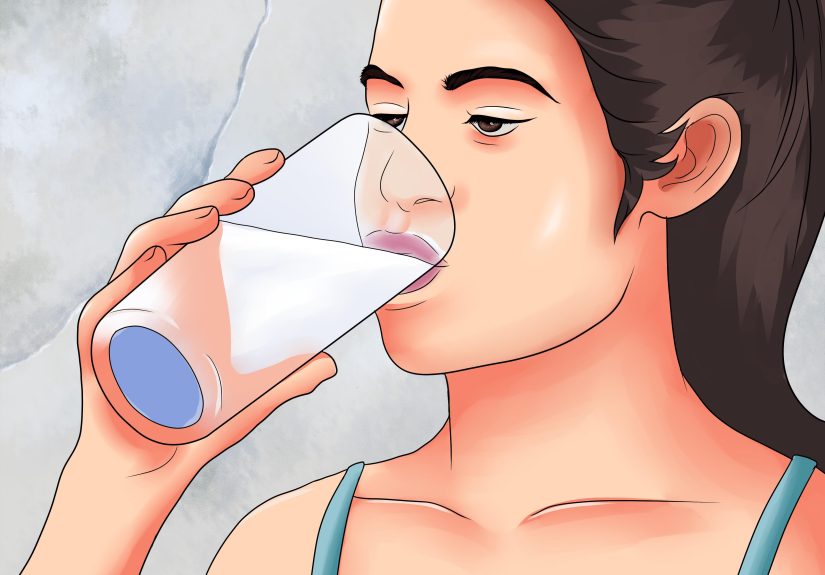
Hydration matters. Water, broth, and approved sports drinks can help you feel better, reduce the chance of dehydration, and make the whole process more tolerable.
4. Stay close to a bathroom
Once the prep starts working, it works. Cancel errands, postpone deep thoughts, and establish a close diplomatic relationship with your bathroom.
5. Protect your skin
Frequent bathroom trips can cause irritation. Soft toilet paper, gentle wiping, and a barrier cream can make a surprisingly big difference.
6. Follow the schedule, not your mood
Spacing out doses incorrectly or quitting early because you “feel cleaned out enough” can leave stool behind. The prep is complete when the instructions say it is complete, not when your optimism peaks.
7. Ask about nausea if you’ve struggled before
If you have a history of nausea with prep solutions, tell your care team before prep day. They may have suggestions or prescribe medication in some cases.
What can you eat before the clear liquid day?
If your doctor tells you to follow a low-fiber or low-residue diet for a few days before the colonoscopy, simple foods often work best. Think “boring but useful,” not “exciting but suspicious.”
Examples may include:
- White bread
- Plain pasta
- White rice
- Eggs
- Yogurt without seeds or fruit chunks
- Chicken, turkey, or fish
- Potatoes without skin
- Applesauce
Avoid loading up on giant salads, multigrain bread, trail mix, popcorn, berries with seeds, or anything that seems determined to cling to your intestines like a long-term tenant.
How do you know the prep is working?
At first, bowel movements may still look brown or cloudy. That is normal. As the prep continues, stools usually become more watery and lighter in color. In many prep instructions, the target is stool that looks like clear or clear-yellow liquid.
If your output is still dark, thick, or full of particles near the end of the prep window, that can be a sign the colon is not clean enough. Follow your instructions carefully, and if your prep sheet tells you to call the office under certain circumstances, do that. Do not invent your own bonus round of laxatives unless your care team specifically told you to.
Medication and health conditions: where people get into trouble
This is the section where “simple guide” still needs a flashing asterisk. Medication instructions can vary. That is especially true if you:
- Take insulin or other diabetes medication
- Take blood thinners
- Have kidney disease
- Have heart failure or serious heart disease
- Have severe constipation
- Have had a poor bowel prep in the past
Do not stop prescription medicines on your own unless your doctor told you to. Many centers give special directions for diabetes medications, and blood thinners may require individualized planning. Some lower-volume preps are also not ideal for everyone. Your safest move is to follow your own GI team’s instructions line by line.
Common mistakes to avoid
- Starting late: If you delay the prep, you may not finish on time.
- Not drinking enough clear fluids: This can make you feel worse and increase dehydration risk.
- Eating solid food on the clear liquid day: Even “just a little” can matter.
- Choosing the wrong liquids: Red or purple drinks are a classic mistake.
- Skipping the second half of split-dose prep: That morning dose is not optional.
- Improvising with detox products: Colonoscopy prep is not the place for internet experiments.
- Ignoring medication questions: If you are unsure, call your doctor before prep day.
When to call your doctor
Contact your healthcare team if:
- You cannot keep the prep down
- You are vomiting repeatedly
- You feel faint, confused, or severely dehydrated
- You have severe abdominal pain or significant swelling
- You are not sure how to manage your medications
- You are nearing the end of prep and are still not close to clear output
Mild bloating, cramping, and frequent diarrhea are expected. Severe symptoms are not something to ignore.
Simple example of a prep mindset that works
Here is the mental model that helps many people: do not think of prep as “starving and suffering.” Think of it as a timed medical project with a finish line. Your job is to be organized, hydrated, and obedient to the instruction sheet. Glamorous? No. Effective? Very.
Set out your prep supplies in advance. Stock approved clear liquids. Charge your phone. Clear your evening schedule. Wear comfortable clothes. Keep the bathroom nearby. Put a silly show on TV. The less chaotic the setup, the less miserable the process tends to feel.
What the experience is really like: a realistic 500-word walk-through
Most people walk into colonoscopy prep with the same thought: “How bad can it really be?” Then the first glass arrives, and they realize the answer is, “Not impossible, but definitely memorable.” The good news is that the experience is usually far more manageable when you know what is coming.
In the early part of prep day, things often feel deceptively normal. You are drinking clear liquids, maybe feeling a little hungry, maybe already missing toast like it was your best friend. Then you start the prep solution. Some people dislike the taste immediately. Others think, “That’s not so bad,” which is a sentence that often lasts about 20 minutes. Chilling the liquid helps. A straw helps. Determination helps. A dramatic inner monologue is optional.
Once the prep begins working, bathroom trips become the main event. It usually starts gradually and then turns into a fairly steady routine. This is why experienced patients say the same thing over and over: stay home, stay near the bathroom, and do not decide this is the perfect evening to reorganize the garage.
Many people notice bloating, rumbling, mild cramping, or a feeling that their digestive tract has suddenly become a percussion section. That is common. What surprises some patients is how tiring the process can feel. You are drinking a large amount of fluid, not eating regular meals, and making repeated bathroom trips. By the end, it can feel less like a cleanse and more like a part-time job you did not apply for.
There is also a mental side to prep. You may wonder whether it is working fast enough, whether your output is clear enough, or whether you somehow failed a test nobody wanted to take in the first place. This is where the instructions matter. If you are following the schedule, drinking the required fluids, and your stool is becoming lighter and more watery, you are likely on track. The goal is progress, not perfection in the first hour.
The morning dose is the part many people dread most, especially if the procedure is early. Waking up before dawn to drink more prep is not exactly a bucket-list moment. Still, this step is often what gives the cleanest results. It is the final rinse cycle, and skipping it can undo a lot of the work from the night before.
Then comes the oddly satisfying part: being done. Once the prep is finished and you have reached the stop-drinking time, the hard part is mostly over. Many patients later say the anticipation was worse than the actual prep. Not because prep is fun. It is not. But because it is temporary, structured, and purposeful.
And after the colonoscopy, most people are mainly relieved. Relieved the prep is over. Relieved the exam is done. Relieved they can finally eat again. In hindsight, the whole experience often becomes one of those strange adult milestones: inconvenient, slightly ridiculous, but absolutely worth doing right.
Final takeaway
If you want to know how to cleanse your colon for a colonoscopy, the answer is simple even if the process is not exactly delightful: follow the bowel prep your doctor prescribed, switch to the recommended diet on time, drink only approved clear liquids, take the prep in the right schedule, stay hydrated, and do not improvise. The best prep is the one that safely gets your colon clean enough for a high-quality exam.
Do the prep well once, and you give your doctor the clearest possible view. That is the whole game.