Table of Contents >> Show >> Hide
- Quick Answer: What Is the Difference?
- What Are Chigger Bites?
- What Are Bedbug Bites?
- Chigger Bites Vs. Bedbug Bites: Side-by-Side Comparison
- The Biggest Clues That Help You Tell Them Apart
- Can You Diagnose Either One by the Bite Alone?
- How to Treat Chigger Bites and Bedbug Bites
- When to See a Doctor
- How to Prevent Chigger Bites
- How to Prevent Bedbug Bites
- Final Verdict: Chigger Bites or Bedbug Bites?
- Real-World Experiences: What People Commonly Notice
- SEO Tags
If you wake up scratching and immediately assume your bed has become a tiny horror movie set, take a breath. Not every itchy bump is a bedbug bite. Sometimes the real culprit is a chigger, which is much smaller, much sneakier, and much more likely to come from your weekend outdoors than your mattress. The tricky part is that both chigger bites and bedbug bites can leave behind red, itchy welts that seem determined to ruin your mood.
So how do you tell them apart? The short answer is this: chigger bites usually point to outdoor exposure and often show up around tight clothing lines, while bedbug bites tend to be linked to sleeping areas and often appear on exposed skin in clusters or lines. But that is just the beginning. To really separate these two itchy troublemakers, you need to look at the timing, location, pattern, and the clues around you.
This guide breaks it all down in plain English, with no dramatic bug mythology and no unnecessary panic. By the end, you will know what chigger bites usually look like, how bedbug bites behave, what symptoms overlap, when to worry, and what practical steps can help you feel better fast.
Quick Answer: What Is the Difference?
If you want the fastest way to tell chigger bites vs. bedbug bites apart, start with where you were and where the bites are.
- Chigger bites are more likely after time in tall grass, weeds, brush, or wooded edges. They often show up on the ankles, waistline, behind the knees, armpits, groin area, or other places where clothing fits snugly.
- Bedbug bites are more likely after sleeping in a bed, hotel room, guest room, dorm, apartment, or on upholstered furniture. They often appear on exposed skin such as the face, neck, arms, hands, and shoulders.
That is the first big clue. The second is the pattern. Bedbug bites often appear in a rough row, zigzag, or little cluster, while chigger bites tend to bunch up where the mites got trapped under clothing or where skin folds gave them easy access. In other words, bedbugs bite like messy little snackers moving along the skin, while chiggers often leave irritation in zones rather than neat “I was definitely bitten in my sleep” rows.
What Are Chigger Bites?
Chiggers are the larval stage of certain mites. They are tiny, nearly invisible, and excellent at making people miserable. They usually live outdoors in grassy or overgrown areas, especially during warm months. If you walked through tall grass, sat on the ground, weeded the garden, hiked through brush, or let your socks become one with nature, congratulations: you may have met them.
One common myth deserves eviction from the internet: chiggers do not burrow into your skin and set up a tiny underground condo. They attach briefly, feed, and then go on their merry microscopic way. The rash and itching happen because of your skin’s reaction, not because the chigger is still hanging around throwing a housewarming party.
What Chigger Bites Usually Look Like
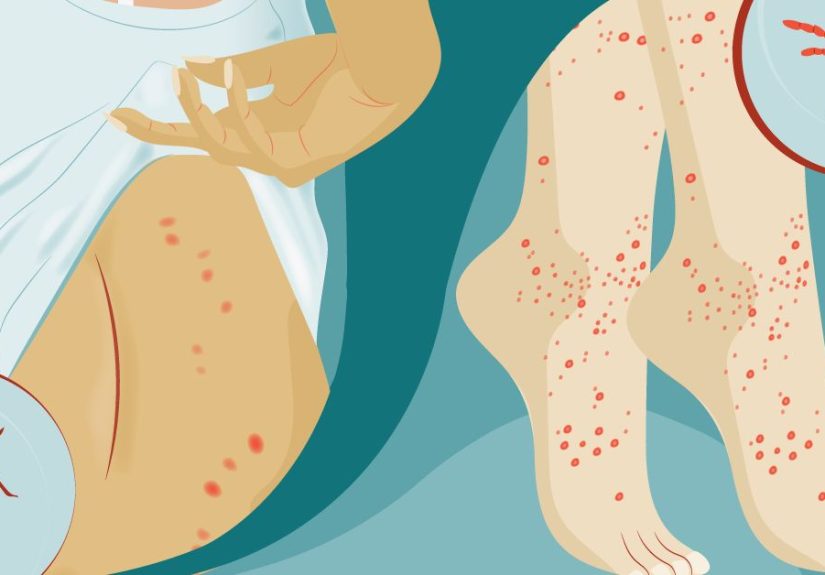
Chigger bites often appear as small, red, intensely itchy bumps. Sometimes they look like pimples, hives, or firm welts. In some cases, they may blister or form a central red dot. The irritation can feel surprisingly dramatic considering the culprit is so small you could not pick it out of a lineup.
The most common locations include:
- ankles and sock lines
- waistbands
- behind the knees
- groin area
- armpits
- bra lines or other tight clothing areas
- warm skin folds
A major clue is timing. Chigger bites are often not obvious right away. The itching may begin several hours later and often becomes fiercest within the first day or two. Many people only connect the dots after realizing, “Wait, I was in a field yesterday and now my ankles are staging a protest.”
What Are Bedbug Bites?
Bedbugs are flat, reddish-brown insects that feed on blood, usually while people sleep. They hide in mattresses, bed frames, headboards, furniture seams, cracks, and crevices during the day. At night, they come out like freeloading vampires with terrible manners.
Unlike chiggers, bedbugs are an indoor pest problem. They do not live on your body. They hide nearby, feed for a few minutes, and then retreat. That means the bites alone do not tell the whole story. To identify bedbugs, you also need to look for signs in your sleep space or furniture.
What Bedbug Bites Usually Look Like
Bedbug bites can look like red, itchy welts or inflamed bumps. They often have a darker center and may be arranged in a line, rough row, zigzag, or cluster. Many people have heard of the “breakfast, lunch, and dinner” pattern, which is catchy but not guaranteed. Bedbugs did not read the same slogan you did.
Common bite locations include:
- face
- neck
- arms
- hands
- shoulders
- other exposed skin during sleep
Here is where bedbug bites get annoying: not everyone reacts right away. Some people notice itchy welts the next morning. Others may not itch for days, and a first reaction can take up to two weeks in some cases. That delayed response is one reason people can struggle to figure out whether they have bedbugs at all.
Chigger Bites Vs. Bedbug Bites: Side-by-Side Comparison
| Feature | Chigger Bites | Bedbug Bites |
|---|---|---|
| Typical exposure | After time outdoors in tall grass, weeds, brush, or wooded edges | After sleeping in an infested bed, hotel, guest room, dorm, apartment, or using infested furniture |
| Most common bite areas | Ankles, waistline, behind knees, groin, armpits, skin folds, tight clothing lines | Face, neck, arms, hands, shoulders, other exposed skin |
| Pattern | Clusters or grouped red bumps, often where clothing is tight | Lines, zigzags, rough rows, or clusters of bites |
| Timing of itch | Usually several hours after exposure, often worst in 24 to 48 hours | May show up next day, or itching may be delayed for days |
| Associated clues | Recent yard work, hiking, camping, gardening, sitting in grass | Blood specks, dark spots, shed skins, eggs, or live bugs near bed or furniture |
| Main concern | Severe itching and scratching-related skin infection | Itching, allergic reaction, loss of sleep, anxiety, infestation cleanup |
The Biggest Clues That Help You Tell Them Apart
1. The Bites Started After Outdoor Time
If the rash showed up after gardening, hiking, camping, mowing, or wandering through brush like you were starring in a rustic lifestyle ad, chiggers move way up the suspect list. Chigger bites are especially likely in summer and early fall.
2. The Bites Are Around Tight Clothing
Chiggers love areas where clothing presses against the skin. If the itching is concentrated at the sock line, waistband, bra line, or behind the knees, that is a classic clue. Bedbugs are less interested in your waistband politics and more interested in exposed skin they can reach while you sleep.
3. The Bites Appeared After Sleeping or Travel
If you woke up with new bites after staying in a hotel, crashing at a friend’s place, moving into a dorm, buying secondhand furniture, or returning from travel, bedbugs become much more likely. They are excellent hitchhikers and love luggage, upholstery, and cluttered hiding spots.
4. There Are Signs in the Bed or Room
Bedbugs come with receipts. Check seams of mattresses, box springs, headboards, couches, and nearby cracks for rusty or reddish stains, blackish dots, shed skins, tiny eggs, or live bugs. If those clues exist, the bites matter less because the pest problem is basically waving a little flag at you.
5. The Itching Timeline Feels Different
Chigger bites often become intensely itchy within hours and peak in the first 24 to 48 hours. Bedbug bites can be sneaky. Some people react the next day, while others do not develop itchy welts immediately. That delayed reaction can make bedbugs harder to connect to a specific night.
Can You Diagnose Either One by the Bite Alone?
Not reliably. That is the honest answer. Plenty of bug bites look alike, and skin reactions vary wildly from person to person. Mosquitoes, fleas, ticks, contact dermatitis, hives, and even unrelated rashes can muddy the picture.
The smartest approach is to combine three things:
- where you were
- where the bites are located
- what other clues are present
If you only focus on the bumps themselves, you may end up blaming the wrong bug and solving the wrong problem.
How to Treat Chigger Bites and Bedbug Bites
The good news is that both types of bites are usually treated in similar ways at home. The goal is simple: calm the itch, protect the skin, and avoid scratching yourself into a secondary infection.
At-Home Relief for Both
- Wash the area gently with soap and water.
- Apply a cool compress to reduce irritation.
- Use calamine lotion or an over-the-counter anti-itch cream.
- Consider an oral antihistamine if itching is keeping you miserable.
- Try very hard not to scratch, even though your skin may be making a compelling argument for it.
For Chigger Bites Specifically
You do not need to dig around in the skin or try strange home remedies to “remove” chiggers. They are not buried in there. Focus on itch relief, wash clothes after outdoor exposure, and treat future clothing or gear with the proper repellent products if needed.
For Bedbug Bites Specifically
Treating the skin is only half the battle. If bedbugs are involved, the real fix is addressing the infestation. Wash and dry bedding and clothing on high heat, inspect the room carefully, use protective encasements for mattresses and box springs, reduce clutter, and consider professional pest control. Bedbug removal can be stubborn, and wishful thinking is not a recognized extermination method.
When to See a Doctor
Most chigger bites and bedbug bites clear without major medical treatment, but there are times when you should not tough it out.
- the bites are blistering or worsening fast
- you see signs of infection, such as warmth, tenderness, pus, or increasing redness
- the itching is severe and not improving
- you have many bites and feel miserable
- you develop hives, swelling, trouble breathing, dizziness, or other signs of an allergic reaction
- you have fever or feel ill
Scratching can break the skin and invite bacteria in, so the most common complication is not the bug itself. It is what happens after you have spent two days scratching like a caffeinated raccoon.
How to Prevent Chigger Bites
- Wear long sleeves, long pants, tall socks, and closed shoes in grassy or brushy areas.
- Tuck pants into socks or boots when practical.
- Use insect repellents as directed.
- Treat clothing and gear with permethrin products made for fabric, not skin.
- Avoid sitting directly in tall grass or overgrown areas.
- Shower and wash clothing after heavy outdoor exposure.
How to Prevent Bedbug Bites
- Inspect hotel mattresses, headboards, and furniture before settling in.
- Keep luggage on a rack, not on the bed or floor.
- Unpack travel clothes directly into the washer when you get home.
- Check secondhand furniture before bringing it inside.
- Use mattress and box spring encasements.
- Reduce clutter so bedbugs have fewer hiding places.
Final Verdict: Chigger Bites or Bedbug Bites?
If the bites showed up after outdoor activity and gather around tight clothing lines, think chiggers. If the bites appeared after sleeping, show up on exposed skin, and come with suspicious evidence in bedding or furniture, think bedbugs. In both cases, the bites themselves can overlap, so the context matters as much as the rash.
The best detective tool is not a magnifying glass. It is your recent history. Where were you? What were you wearing? Did you sleep somewhere new? Did you trek through grass? Did the bites land on your ankles and waistband, or on your arms and neck? Those details usually tell the real story.
And remember: while these bites are irritating, most are manageable with simple care. The main trick is not letting the bugs win twice, first with the bite, and then with the panic.
Real-World Experiences: What People Commonly Notice
The examples below are illustrative experiences based on common bite patterns and everyday situations, not personal medical case reports.
A very common chigger story starts like this: someone spends a Saturday pulling weeds, walking a dog near a field, or sitting on the grass at a park. They feel perfectly fine that day. Then later that evening, or the next morning, the itching begins. Not everywhere, either. It is usually around the ankles, waist, behind the knees, or wherever elastic clothing pressed against the skin. At first, they may think it is dry skin or a weird laundry reaction. By day two, the itching has become intense enough that they start googling “red bumps around sock line” while trying not to scratch through their own pants.
A classic bedbug experience feels different. Someone wakes up after a hotel stay, sleeping on a couch, or spending the night in a room that is not their usual space. They notice several itchy welts on an arm, shoulder, or neck. Maybe the bites are in a line. Maybe there are three or four grouped together like they arrived as a team. At first they assume mosquitoes got into the room. Then they spot tiny dark specks on the sheet, or they remember seeing a rust-colored mark near the mattress seam, and suddenly the whole mystery gets less mysterious and much more annoying.
Parents often notice chigger bites after outdoor play because kids are basically magnets for grass, brush, dirt, and glorious questionable decisions. A child comes home from camp, soccer practice, or backyard exploring with no complaints, then later starts scratching the waistband, socks, or backs of the knees like those spots personally offended them. Because the bites can show up hours after exposure, families often do not connect the rash to the outdoor activity until they think back on the day.
Bedbug experiences, on the other hand, often come with confusion and doubt. Not everyone reacts to bites the same way, so one person in a room may have obvious welts while another has nothing at all. That can make households question whether bedbugs are really involved. People often spend days blaming detergent, stress, heat rash, or random mystery insects before checking the mattress seams and discovering the unwelcome truth. The bites alone can be vague. The environmental signs are what usually break the tie.
Another real-life difference is the emotional reaction. Chigger bites are miserable, but they usually point to an outdoor exposure that is over and done with. Bedbugs carry a psychological punch because they suggest an active home or travel infestation. People lose sleep, rewash everything in sight, and start side-eyeing every suitcase like it has betrayed the family. That mental burden is one reason bedbug problems feel bigger than the bites themselves.
In both situations, the most common mistake is scratching too much. People often say the bites were manageable until they kept irritating them, turning small bumps into angrier, redder skin. Whether it is chiggers after a hike or bedbugs after a hotel stay, the best real-world lesson is simple: calm the itch early, inspect the setting, and let the clues around the bites tell the story.