Table of Contents >> Show >> Hide
- Why Healthy Eating Feels So Hard in Real Life
- What Healthy Eating Actually Looks Like
- The Real-Life Formula for Balanced Meals
- How to Eat Well on Busy Days
- Healthy Eating on a Budget
- Dining Out Without the Drama
- The Mindset Shift That Makes Healthy Eating Last
- A Realistic Day of Healthy Eating
- Real-Life Experiences With Healthy Eating
- Conclusion
Healthy eating sounds wonderful until real life enters the chat. Suddenly, you are staring into the refrigerator at 8:47 p.m. with half a bell pepper, a questionable yogurt, and the emotional energy of a damp paper towel. That is exactly why healthy eating in real life matters more than fantasy meal plans built for people who apparently have endless free time, twelve matching glass containers, and a spiritual connection to kale.
In practice, good nutrition is not about eating perfectly. It is about building an eating pattern you can actually live with. The most reliable guidance from nutrition experts keeps coming back to the same idea: center your meals around vegetables, fruit, whole grains, beans, nuts, seeds, lean or plant-based proteins, healthy fats, and minimally processed foods, while keeping added sugar, excess sodium, and heavily processed convenience foods from running the whole show. That does not mean you can never eat takeout, dessert, or cereal for dinner. It means your overall pattern matters more than one dramatic lunch.
If you have ever started a “clean eating” plan on Monday and ended up face-to-face with drive-thru fries by Thursday, congratulations: you are a human being. The goal of this guide is to make healthy eating practical, flexible, budget-aware, and sustainable. No food fear. No guilt confetti. No pretending meal prep is a hobby everyone enjoys. Just smart, realistic nutrition that works on normal weekdays.
Why Healthy Eating Feels So Hard in Real Life
One reason nutrition feels confusing is that people are often taught to think in extremes. Food is labeled “good” or “bad.” A day is either “on track” or “ruined.” Breakfast is virtuous if it includes chia seeds and suspicious if it includes a toaster. This all-or-nothing thinking is one of the fastest ways to make healthy eating feel exhausting.
Real life is messier than that. Some days you cook. Some days you assemble. Some days you order a sandwich and call it personal growth. A sustainable eating pattern makes room for all of it. Instead of chasing perfection, it helps to focus on a few repeatable habits:
1. Build most meals around nutrient-dense foods
That means foods that give you useful nutrition along with satisfaction: produce, beans, yogurt, eggs, oats, fish, chicken, tofu, nuts, seeds, and whole grains. These foods tend to bring more fiber, protein, vitamins, minerals, and staying power to the table.
2. Make convenience work for you
Healthy eating does not require peeling every carrot by hand while listening to a podcast about your “wellness journey.” Frozen vegetables, canned beans, rotisserie chicken, microwavable brown rice, bagged salad, and plain Greek yogurt are all legitimate tools. You are feeding yourself, not auditioning for a cooking documentary.
3. Stop expecting every meal to be impressive
Some meals are masterpieces. Others are turkey on whole-grain bread with baby carrots and an apple. Both count. A meal does not need to look glamorous to support your health.
What Healthy Eating Actually Looks Like
Healthy eating in real life is less about strict rules and more about balance. A useful way to think about meals is to include a few key pieces most of the time.
Produce: the quiet overachiever
Fruits and vegetables bring color, texture, fiber, hydration, and a long list of nutrients. They also make meals feel bigger and more satisfying without requiring a nutrition calculator and a minor in mathematics. Fresh is great, but frozen and canned count too. The “best” produce is often the produce you will actually eat before it becomes a science project in the crisper drawer.
Protein: the part that helps meals stick
Protein supports fullness and helps meals feel complete. In real life, that can look like eggs at breakfast, grilled chicken in a wrap, beans in soup, tofu in a stir-fry, yogurt as a snack, or salmon with rice and vegetables. You do not need protein powder in every beverage. You just need consistent protein sources across the day.
Fiber-rich carbs: not the villain, actually
Carbohydrates are not a moral failure. The more useful question is what kind you are eating most often. Oats, brown rice, potatoes, quinoa, beans, whole-grain bread, fruit, and high-fiber cereals tend to do more nutritional heavy lifting than ultra-refined, sugary options. Carbs are your body’s preferred fuel source, and choosing smarter versions can help with energy, fullness, and overall diet quality.
Healthy fats: small but mighty
Avocados, nuts, seeds, olive oil, and fatty fish can make meals more satisfying and flavorful. This is helpful, because nobody has ever described plain steamed broccoli as “the highlight of my emotional week.” A little fat adds staying power and makes healthy food taste like something a person would willingly eat.
The Real-Life Formula for Balanced Meals
When life is busy, skip nutrition overthinking and use a simple formula: produce + protein + smart carb + healthy fat. That one framework works almost everywhere.
Breakfast: Greek yogurt with berries, nuts, and oats. Or eggs with whole-grain toast and fruit.
Lunch: Grain bowl with chicken or beans, roasted vegetables, greens, and olive oil dressing.
Dinner: Salmon, brown rice, and broccoli. Or tofu stir-fry with frozen vegetables and rice.
Snack: Apple with peanut butter, cottage cheese with fruit, hummus with carrots, or a handful of nuts with a banana.
The beauty of this formula is flexibility. It works whether you cook from scratch, shop at a discount grocery store, meal prep twice a week, or survive on strategic supermarket shortcuts.
How to Eat Well on Busy Days
Most healthy eating plans fail for the same reason fancy shoes fail on hiking trails: they were not built for the terrain. If your schedule is packed, your nutrition strategy needs to be almost annoyingly practical.
Stock your pantry like a realist
Keep a short list of easy staples: canned beans, tuna or salmon packets, oats, peanut butter, whole-grain pasta, brown rice, salsa, soup, nuts, and shelf-stable milk or fortified soy milk. Add freezer basics like vegetables, fruit, shrimp, edamame, and whole-grain bread. This gives you backup meals before hunger convinces you that cookies are a side dish.
Meal prep without turning it into a personality
You do not need six identical lunches lined up like obedient soldiers. A lighter version works just fine. Wash fruit. Roast one tray of vegetables. Cook a pot of grains. Prep one protein. Make one sauce. Suddenly you have mix-and-match meals for several days without spending your entire Sunday chopping onions in despair.
Use strategic convenience foods
Some of the most helpful “healthy eating” products are simple, not trendy: bagged salad, rotisserie chicken, frozen berries, plain yogurt, hummus, baby carrots, microwavable rice, canned lentil soup, and pre-cut vegetables. These are not shortcuts to feel guilty about. They are tools that make healthy habits easier to repeat.
Healthy Eating on a Budget
Nutrition advice gets a bad reputation when it sounds like everyone is casually buying fresh salmon, organic berries, and artisanal nut butter every three days. In reality, healthy eating on a budget is possible when you focus on value, versatility, and waste reduction.
Buy foods that stretch
Beans, oats, eggs, potatoes, bananas, brown rice, frozen vegetables, canned tomatoes, peanut butter, and plain yogurt are budget-friendly workhorses. They can anchor multiple meals and do not disappear from your fridge after two dramatic days.
Use leftovers on purpose
Leftovers are not culinary defeat. They are future-you support. Roast chicken becomes tacos. Extra rice becomes fried rice. Cooked vegetables become omelet filling. Chili becomes tomorrow’s lunch. One of the easiest ways to eat better is to make the next meal easier than the drive-thru.
Shop with a loose plan
A rigid meal plan can fall apart the moment life gets weird. A flexible grocery plan works better. Think in categories: two proteins, two grains or starches, several fruits, several vegetables, a few snacks, and one or two “I am tired and need this to exist” backup meals.
Dining Out Without the Drama
Healthy eating in real life has to include restaurants, takeout, birthdays, vacations, and random Tuesdays when nobody is cooking. Eating out does not erase your progress. It just changes the game a little.
A few smart moves can help: start with vegetables or a side salad, choose grilled or roasted options when they sound good, add protein to meals that are mostly starch, share oversized portions, or save half for later. You do not need to interrogate the menu like a detective. Just look for balance where you can.
And yes, dessert can fit. The point is not to remove pleasure from eating until all that remains is chicken breast and regret. Enjoying food is part of a healthy relationship with it.
The Mindset Shift That Makes Healthy Eating Last
The biggest difference between people who keep healthy habits and people who keep restarting them is not usually willpower. It is flexibility. They do not treat one fast-food meal like a personal collapse. They do not wait until Monday to “be good again.” They simply return to their usual pattern at the next meal.
That matters. Nutrition works best when it becomes ordinary. Not exciting. Not punishing. Not wrapped in a dramatic playlist and an identity crisis. Ordinary. You eat vegetables because they belong in your life. You eat protein because it helps. You keep snacks around because being overly hungry makes everything harder. You make room for fun foods because you live on Earth.
A Realistic Day of Healthy Eating
Here is what healthy eating in real life might look like on an average weekday:
Morning: Coffee, scrambled eggs, whole-grain toast, and fruit. Nothing revolutionary. Just a meal that gives you protein, fiber, and enough energy to stop fantasizing about pastries by 10 a.m.
Midday: Leftover grain bowl with chicken, roasted vegetables, avocado, and dressing. Or a turkey sandwich with fruit and yogurt if that is what the day allows.
Afternoon: A snack before the “eat everything in sight” phase begins. Maybe hummus and crackers. Maybe nuts and an apple. Maybe cottage cheese and berries.
Evening: Pasta with sautéed vegetables and turkey meatballs, plus a side salad. Or frozen dumplings with edamame and a cucumber salad when energy is low. Balanced eating is still balanced when it comes from the freezer aisle.
Later: A square of chocolate, popcorn, or ice cream. Because nutrition is not improved by pretending cravings do not exist.
Real-Life Experiences With Healthy Eating
Here is the part many articles skip: the experience of healthy eating is rarely dramatic. It is not a movie montage where someone suddenly loves celery and wakes up eager to meal prep. More often, it feels like a series of small, practical decisions made while answering emails, driving kids to practice, studying for exams, or trying to figure out whether the spinach in the fridge is still alive.
For office workers, healthy eating often begins with one boring but powerful move: bringing food. Not a flawless lunch. Just food. A turkey wrap, a container of leftovers, yogurt with fruit, nuts in a desk drawer. That one habit can stop the 2 p.m. vending machine negotiation that always ends with a snack chosen by stress instead of hunger.
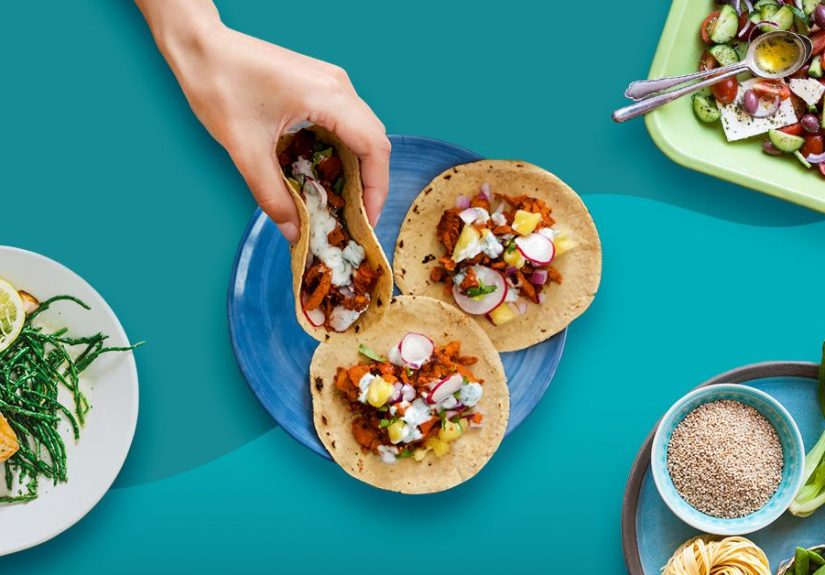
For parents, healthy eating can look like simplifying meals rather than “optimizing” them. Tacos with beans, chicken, lettuce, salsa, and avocado are healthy enough. Pasta with meat sauce and a side of frozen peas is healthy enough. Breakfast for dinner with eggs, fruit, and toast is healthy enough. The phrase “healthy enough” deserves more respect than it gets. It is the bridge between nutrition ideals and family life.
For college students and young professionals, healthy eating is often less about gourmet cooking and more about survival systems. Keep oatmeal, eggs, microwavable rice, canned soup, fruit, peanut butter, and frozen vegetables around. Learn three meals you can make when tired. Learn one grocery list you can repeat without thinking. Once food becomes easier, it becomes healthier almost by accident.
Then there is the emotional side. A lot of people assume healthy eating means constant discipline, but in real life it often creates more peace, not less. When you eat regular meals with enough protein and fiber, you are usually less likely to swing between “I forgot to eat” and “I just demolished half a pizza standing at the counter.” When you stop banning foods, they often become less dramatic. Cookies lose their supervillain energy when they are allowed to exist.
Many people also notice that healthy eating improves when they stop asking, “What should I never eat again?” and start asking, “What helps me feel steady, satisfied, and sane?” That question changes everything. It invites curiosity instead of guilt. It makes room for patterns instead of perfection. It also reflects something nutrition experts have been saying for years: your overall eating pattern matters more than one meal, one snack, or one less-than-magical weekend.
Perhaps the most honest experience of healthy eating is this: sometimes it feels inspiring, and sometimes it feels routine. Both are fine. The goal is not to become the kind of person who floats through the grocery store selecting radiant produce with mystical certainty. The goal is to create habits that work when you are busy, tired, social, broke, celebrating, traveling, or simply not in the mood to think about quinoa. That is what makes healthy eating real. And that is what makes it sustainable.
Conclusion
Healthline Nutrition Healthy Eating in Real Life is not about chasing a perfect plate or turning every meal into a wellness performance. It is about choosing better patterns more often: more produce, more fiber, more protein, more whole foods, more planning, and far less guilt. When healthy eating becomes flexible, realistic, and enjoyable, it stops feeling like a project and starts feeling like a life skill. That is the version that lasts.