Table of Contents >> Show >> Hide
- Why Built-in Bookshelves Work So Well Around a Fireplace
- Start With the Fireplace Type
- Plan the Layout Before You Pick Materials
- Choose the Right Built-in Bookshelf Style
- Think Carefully About Shelf Depth and Cabinet Storage
- Materials That Look Good and Last
- Color Choices: Should Built-ins Match the Wall?
- Lighting Makes Built-ins Look Expensive
- Budgeting for a Fireplace Remodel With Built-in Bookshelves
- Common Mistakes to Avoid
- How to Style Built-in Bookshelves Around a Fireplace
- Step-by-Step Project Planning Checklist
- Experience Notes: What Homeowners Often Learn During a Fireplace Built-in Remodel
- Conclusion
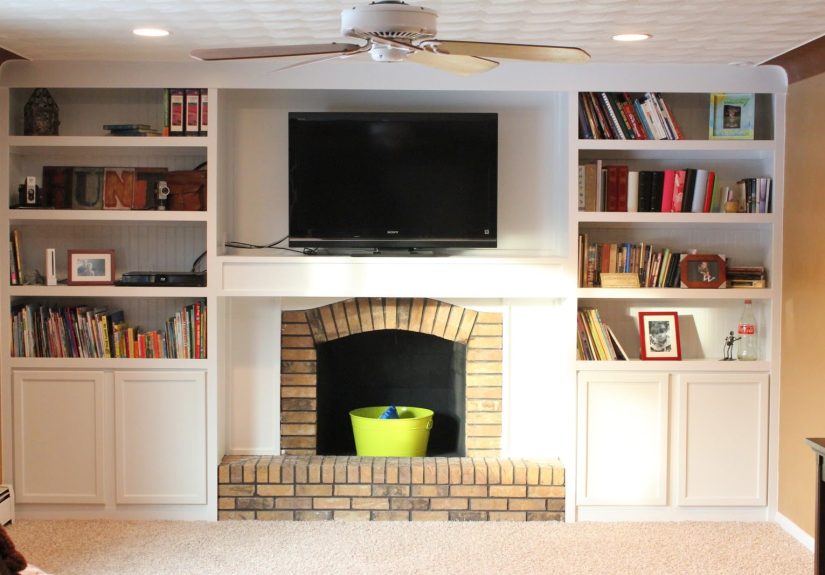
A fireplace already knows how to steal the show. Add built-in bookshelves, and suddenly your living room goes from “nice place to sit” to “did a designer secretly live here?” A fireplace remodel with built-in bookshelves can create a polished focal wall, add practical storage, frame the hearth beautifully, and make the entire room feel intentional instead of assembled one furniture sale at a time.
The best part is that this upgrade works in nearly every style of home. A 1920s bungalow can lean into warm wood shelves and a classic mantel. A suburban family room can gain closed cabinets for games, cords, toys, and the mysterious pile of remote controls no one admits owning. A modern living room can use clean-lined floating shelves, stone slabs, or painted millwork to create a sleek architectural centerpiece.
But this is not just about putting books near fire and hoping everyone behaves. A successful fireplace wall remodel requires thoughtful planning, proper clearances, good proportions, smart storage, safe materials, and a design that fits the room instead of bullying it. Here is how to plan a fireplace remodel with built-in bookshelves that looks custom, works hard, and does not make your living room feel like a furniture showroom had a very dramatic episode.
Why Built-in Bookshelves Work So Well Around a Fireplace
Built-in bookshelves and fireplaces are natural partners because they solve two common living room problems at once: the need for a strong focal point and the need for useful storage. A fireplace gives the room emotional warmth and architectural weight. Bookshelves give the wall rhythm, balance, and purpose. Together, they create a feature wall that feels finished from floor to ceiling.
In many homes, the fireplace wall is awkwardly underused. There may be a lonely mantel, a blank wall on each side, or a television floating above the hearth like it is waiting for permission to land. Built-ins fix that by giving the entire wall a clear structure. Lower cabinets can hide clutter. Open shelves can display books, art, baskets, ceramics, plants, and family photos. Side cabinets can also help balance a TV, soundbar, or media equipment without letting technology dominate the room.
There is also a resale-friendly advantage. Buyers often respond well to storage, symmetry, and living rooms that feel move-in ready. While no single remodel guarantees a perfect return on investment, a well-designed fireplace built-in can make a room photograph better, live better, and feel more expensive than a basic wall with freestanding shelves.
Start With the Fireplace Type
Before choosing paint colors or shelf styling, identify what kind of fireplace you have. A wood-burning fireplace, gas fireplace, electric fireplace, masonry fireplace, and factory-built unit all have different safety rules and installation needs. This matters because built-in bookshelves are usually made from combustible materials such as wood, plywood, MDF, or painted trim.
For wood-burning and gas fireplaces, the most important early step is checking the manufacturer’s installation instructions, local building codes, and clearance requirements. General safety guidance often recommends keeping anything that can burn at least three feet from active heat sources, and fireplace codes include specific mantel and trim clearance rules. However, the correct answer for your home depends on your exact fireplace model and local code. In other words, this is one place where “I saw it on a gorgeous blog” is not a substitute for a professional inspection.
If you are working with an older fireplace, schedule a chimney or fireplace inspection before remodeling around it. A beautiful built-in is not very helpful if it frames a cracked firebox, damaged flue, poor ventilation, or hidden moisture problem. Think of the inspection as the unglamorous but necessary foundation of the project, like wearing proper shoes before dancing at a wedding.
Plan the Layout Before You Pick Materials
A fireplace remodel with built-in bookshelves should begin with a measured plan. Start by measuring the width of the fireplace wall, ceiling height, hearth dimensions, firebox opening, mantel height, and the space on both sides of the fireplace. Then decide whether you want the built-ins to be symmetrical or asymmetrical.
Symmetrical Built-ins
Symmetrical built-ins are the classic choice. Matching bookshelves on both sides of the fireplace create a formal, balanced look that works especially well in traditional, transitional, coastal, and farmhouse-style homes. This approach is also useful when the fireplace is centered on the wall.
A common layout includes base cabinets at the bottom, open shelving above, and a mantel that visually connects the center fireplace to the side units. The shelves may go all the way to the ceiling for a library feel, or stop below crown molding for a lighter look. If your room has high ceilings, full-height built-ins can make the space feel grand. If your room is small, leaving some breathing room above the shelves can prevent the wall from feeling too heavy.
Asymmetrical Built-ins
Asymmetrical built-ins work well when the fireplace is off-center, the room has windows or doorways on one side, or the homeowner wants a more modern design. One side might have tall bookshelves while the other has a bench, art niche, wood storage cubby, or low cabinet. Done well, asymmetry feels intentional and fresh. Done poorly, it looks like the carpenter sneezed halfway through the design.
The secret is visual balance. If one side has more height, the other side needs enough weight through cabinetry, color, artwork, lighting, or furniture placement. Balance does not always mean matching. It means the room feels stable when you look at it.
Choose the Right Built-in Bookshelf Style
The style of your built-ins should match the architecture of the house and the mood you want in the room. A fireplace wall is a long-term visual commitment, so avoid chasing a trend that might feel tired before the caulk dries.
Traditional Fireplace Built-ins
Traditional designs often use raised-panel cabinet doors, crown molding, face-frame shelves, detailed trim, and a substantial mantel. Painted white, cream, navy, or warm gray finishes are popular because they make the shelves feel integrated and timeless. Traditional built-ins are great for displaying books, framed art, heirlooms, and decorative boxes.
Modern Fireplace Built-ins
Modern built-ins usually feature slab cabinet doors, minimal trim, floating shelves, concealed hardware, and clean horizontal lines. Materials such as smooth plaster, large-format tile, steel, stone, white oak, or walnut can create a calm, high-end look. Instead of filling every shelf, modern styling usually leaves more negative space so each object has room to breathe.
Farmhouse and Cottage Built-ins
Farmhouse and cottage fireplace remodels often include shiplap, beadboard, simple trim, warm wood shelves, painted cabinets, and cozy styling. This style works best when it feels collected rather than overly themed. A few baskets? Lovely. A sign that says “gather” in every direction? The room may start begging for a vacation.
Transitional Built-ins
Transitional style is the sweet spot between classic and current. It might use simple shaker cabinet doors, a clean mantel, painted millwork, subtle brass hardware, and shelves styled with a mix of books and sculptural objects. This is a smart direction for homeowners who want the remodel to feel fresh without becoming too trendy.
Think Carefully About Shelf Depth and Cabinet Storage
Shelf depth affects both appearance and function. Standard bookshelves are often around 10 to 12 inches deep, which works for most books and decorative objects. If you want to store board games, large baskets, media equipment, or oversized coffee table books, you may need deeper shelves or lower cabinets.
Base cabinets are one of the most useful parts of the project. They hide the less photogenic side of real life: charging cables, extra blankets, gaming controllers, router equipment, photo albums, puzzles, pet toys, and seasonal decor. For media rooms, include wire management, ventilation, and outlets inside the cabinets. Nobody wants a gorgeous fireplace wall with cords dangling down like electronic spaghetti.
Adjustable shelves are practical because your storage needs will change. Today you may want art books and pottery. Next year, you may need space for speakers or a collection of mystery novels you absolutely did not mean to buy in bulk. Fixed shelves look more custom, but adjustable shelves are often better for families and changing lifestyles.
Materials That Look Good and Last
Common materials for built-ins include plywood, MDF, hardwood, poplar, and stock cabinets customized with trim. Plywood is strong and reliable for cabinet boxes. MDF paints smoothly and is often used for shelves, doors, and trim, though it should be protected from moisture. Solid wood is beautiful but can be more expensive and may expand or contract with humidity changes.
For budget-friendly remodels, many homeowners use stock or semi-custom base cabinets and build shelving above them. This can create a custom look without paying fully custom prices. The key is finishing the installation with proper trim, fillers, crown molding, toe kicks, and paint so the pieces look built-in rather than “purchased and politely shoved against the wall.”
For the fireplace surround itself, popular materials include tile, brick veneer, stone, marble, slate, concrete, and plaster. Tile is versatile and often more affordable. Natural stone can be dramatic and durable but may cost significantly more. Painted brick can brighten a room, though it is not always reversible. Limewash can soften brick while preserving texture. The right choice depends on your budget, home style, and tolerance for maintenance.
Color Choices: Should Built-ins Match the Wall?
Painting built-ins the same color as the wall creates a calm, seamless look. This is especially helpful in smaller rooms because it reduces visual clutter. White and off-white built-ins remain popular because they brighten the space and make styling easier. However, deeper colors can be stunning around a fireplace.
Navy, charcoal, forest green, mushroom taupe, warm greige, and deep blue-gray can make built-ins feel rich and architectural. Dark shelves also help a TV blend in, which is useful if the fireplace wall doubles as an entertainment center. For a cozy library effect, paint the back panels, shelves, cabinets, and trim all the same saturated color.
Wood tones are another strong option. White oak, walnut, maple, and reclaimed wood shelves can add warmth, especially when paired with a stone or plaster fireplace surround. If your room already has wood floors, beams, or furniture, compare samples in the actual room before committing. Wood undertones can clash faster than relatives discussing thermostat settings.
Lighting Makes Built-ins Look Expensive
Lighting can transform fireplace bookshelves from basic storage into a designer-looking feature. Picture lights, shelf lights, sconces, and LED strips can highlight books, art, and decorative objects. They also add layered lighting to the room, making the fireplace wall glow in the evening even when the fire is not on.
If you are opening the wall or hiring a contractor, plan electrical work early. Add outlets inside cabinets for routers, speakers, lamps, and charging stations. Consider dimmable lighting so the shelves can be practical during the day and moody at night. Harsh bright shelf lights can make your living room feel like a museum exhibit titled “Things We Bought at HomeGoods.” Soft, warm lighting is usually more flattering.
Budgeting for a Fireplace Remodel With Built-in Bookshelves
Costs vary widely depending on the size of the wall, fireplace condition, materials, labor rates, electrical work, cabinetry type, and whether the project is DIY, semi-custom, or fully custom. A simple fireplace refacing project may cost far less than a full wall of custom cabinetry, stone surround, lighting, and media wiring. Built-in cabinets can also vary significantly based on linear footage, wood species, door style, finish, and installation complexity.
A realistic budget should include design, demolition, fireplace inspection or repairs, framing, cabinetry, shelving, trim, paint, surround material, hearth work, lighting, electrical updates, hardware, and finishing details. Homeowners often remember the big pieces but forget the small ones: caulk, primer, filler strips, outlet relocation, touch-up paint, and those tiny hardware decisions that somehow require the emotional energy of choosing a baby name.
If your budget is limited, prioritize safety, proportion, and finish quality. You can save money by using stock cabinets, simple open shelves, painted finishes, and affordable tile. You should not save money by ignoring clearances, skipping inspections, or letting someone “figure out the gas line later.” That is not a design strategy; that is a plot twist.
Common Mistakes to Avoid
Ignoring Fireplace Clearances
The most serious mistake is building combustible shelves, trim, or mantel parts too close to the fireplace opening. Always verify clearances before construction. A beautiful remodel should make the room safer and more functional, not turn your book collection into kindling with excellent typography.
Making the Shelves Too Busy
Open shelves need editing. If every inch is packed, the fireplace wall can feel chaotic. Mix vertical books, horizontal stacks, framed art, baskets, ceramics, and empty space. Negative space is not wasted space; it is what makes the styled objects look intentional.
Forgetting the Room’s Furniture Layout
A fireplace wall should work with the entire room. Before finalizing the design, think about sofa placement, traffic flow, TV viewing angles, window locations, and conversation areas. A gorgeous fireplace wall is less useful if the furniture has to sit at a strange angle and everyone watches TV like they are solving a neck puzzle.
Choosing Trend Over Architecture
Trendy tile, dramatic paint, and bold shapes can be wonderful, but they should still fit the house. A fireplace remodel is not as easy to change as throw pillows. Choose materials and proportions that respect the home’s age, ceiling height, trim style, and natural light.
How to Style Built-in Bookshelves Around a Fireplace
Once the construction is done, styling brings the built-ins to life. Start with books because, shocking as it may be, bookshelves enjoy books. Mix vertical rows with horizontal stacks. Add framed photos, small art pieces, pottery, vases, baskets, and a few sculptural objects. Keep colors somewhat connected to the room so the shelves do not look like a yard sale with excellent lighting.
Use larger items first, then layer in smaller pieces. Place heavier objects toward the lower shelves and lighter objects higher up. Repeat colors or materials in different spots to create rhythm. For example, if you use brass picture frames on one shelf, repeat a brass bowl or lamp on the other side. If you have black fireplace tools, echo black with a frame, vase, or cabinet hardware.
Do not feel pressured to fill every shelf immediately. Built-ins often look better when they evolve. Leave room for future books, travel finds, family photos, and seasonal touches. The best shelves look personal, not staged within an inch of their lives.
Step-by-Step Project Planning Checklist
Begin with a safety inspection of the fireplace, chimney, gas line, or electrical unit. Next, measure the wall and decide how the built-ins should function. Do you need media storage, book storage, display space, closed cabinets, toy storage, a hidden bar, or a combination? Then choose the layout: symmetrical, asymmetrical, full-height, low-profile, or floating.
After that, decide on materials and finishes. Select the fireplace surround, mantel style, cabinet door style, shelf depth, paint color, hardware, and lighting. Get estimates from qualified professionals if the project involves gas, masonry, electrical work, structural changes, or custom cabinetry. Finally, create a finishing plan that includes paint, styling, cord management, and safety accessories such as fireplace screens where appropriate.
A smooth remodel is usually the result of boring preparation. Measure twice, confirm codes, order samples, test paint colors, and plan outlets before the wall is finished. It may not feel glamorous, but neither is cutting into brand-new built-ins because someone forgot where the router was supposed to live.
Experience Notes: What Homeowners Often Learn During a Fireplace Built-in Remodel
One of the biggest lessons from fireplace remodels with built-in bookshelves is that the “simple wall upgrade” often becomes a full-room design decision. Homeowners may start by wanting shelves, then realize the mantel is too low, the tile feels dated, the TV is too high, the wall color looks flat, or the furniture layout no longer supports the new focal point. That does not mean the project is out of control. It means the fireplace wall has a strong influence on the entire room, so it deserves a little extra planning.
Another common experience is discovering that storage needs are more important than expected. In inspiration photos, shelves are usually filled with five perfect books, one handmade bowl, and a branch that looks emotionally mature. In real homes, people need places for chargers, board games, internet equipment, blankets, photo boxes, pet supplies, and the toy that sings for no reason at 2 a.m. Closed base cabinets are often the hero of the project because they preserve the clean look while hiding real life.
Homeowners also learn that scale matters more than fancy materials. A modest painted built-in with good proportions can look better than expensive stone paired with awkward shelves. The width of the side units, height of the mantel, thickness of the shelves, and size of the crown molding all affect whether the fireplace wall feels balanced. If the shelves are too skinny, they look like an afterthought. If they are too bulky, they overpower the fireplace. The goal is to make the fireplace and shelves look like they were born together, not introduced at a networking event.
Lighting is another upgrade people rarely regret. Even simple sconces or warm shelf lighting can make built-ins feel custom and cozy. Many homeowners wish they had planned more outlets, dimmers, and hidden wire paths before construction started. Electrical planning is not the most exciting part of a remodel, but it is much easier to handle before the shelves are painted and the room is put back together.
Finally, styling takes patience. Fresh built-ins can look strangely empty at first, and the temptation is to buy a cart full of decorative objects just to fill the space. A better approach is to style slowly. Use books you actually own, add meaningful objects, vary height and texture, and leave breathing room. The most successful fireplace bookshelf walls look collected over time. They feel warm, personal, and useful. They invite people to sit down, read something, watch the fire, or at least pretend to read while enjoying the excellent new view.
Conclusion
A fireplace remodel with built-in bookshelves is one of the most effective ways to upgrade a living room because it combines beauty, storage, warmth, and architectural character. The project can be traditional, modern, rustic, transitional, or completely custom to your home. The key is to design around safety first, then proportion, function, materials, lighting, and styling.
When done well, built-ins make the fireplace feel like the heart of the home instead of just a hole in the wall with a mantel above it. They organize clutter, display personality, improve the room’s balance, and create a focal point that feels permanent in the best possible way. Whether you choose painted shelves, warm wood cabinetry, stone surrounds, hidden media storage, or full-height library-style built-ins, the result should feel like it belongs to your house and your life.
Note: This article is written as original web-ready content based on established fireplace safety principles, remodeling cost considerations, cabinetry practices, and current interior design guidance. Always confirm fireplace clearances, building codes, and installation requirements with qualified local professionals before beginning construction.