Table of Contents >> Show >> Hide
- The 1970s: A Decade That Refused to Sit Still
- DOCUMERICA and the Unfiltered Look at Everyday America
- Fashion Photos: Bell-Bottoms, Hot Pants, and the Polyester Revolution
- Music Photos: From Disco Fever to Punk Attitude
- Street Culture, Skateboarding, and the Birth of Hip-Hop
- Photos of Protest, Pride, and Changing Social Rules
- Home Decor Photos: Shag Carpet, Lava Lamps, and Maximum Personality
- Why '70s Photos Still Fascinate Modern Audiences
- Conclusion: The Decade That Dressed Loud and Lived Louder
- Experience Notes: What Looking at '70s Photos Feels Like Today
- SEO Tags
The 1970s were not exactly a decade that whispered politely from the corner. They strutted into the room wearing bell-bottoms, platform shoes, a wide-collar shirt, and enough confidence to make wallpaper feel underdressed. In old photos from the era, America looks colorful, contradictory, rebellious, awkward, stylish, serious, silly, and occasionally covered in shag carpet. In other words, it looks alive.
When people describe the 1970s as “not straight laced,” they are not just talking about fashion choices that could stop traffic. They are talking about a decade when old rules loosened. Gender roles were challenged. Music exploded into new forms. Public protest moved from the streets into the visual memory of the country. Disco clubs, punk venues, skating pools, feminist marches, environmental cleanups, and neighborhood block parties all left behind images that tell a bigger story than nostalgia alone.
Photos from the ’70s matter because they capture a society in transition. The decade carried the aftershocks of the 1960s, the disappointment of Watergate, the energy crisis, the rise of women’s rights and gay rights, the growth of environmental awareness, and the birth of cultural movements that still influence how people dress, dance, decorate, and express themselves today. The pictures may be fun to look at, but they are also historical evidence with sideburns.
The 1970s: A Decade That Refused to Sit Still
The 1970s are often remembered for disco balls, denim, and dramatic hair, but the decade was much more than a costume party. It was a period marked by distrust in government, economic pressure, social activism, and creative reinvention. The Watergate scandal shook American confidence in political leadership. The Vietnam War’s end did not erase the cultural tensions it had intensified. Inflation and energy shortages changed daily routines. Yet in the middle of all that uncertainty, people found vivid ways to express themselves.
That tension is what makes ’70s photos so compelling. One image might show a crowded beach full of carefree people in bright swimsuits. Another might show smog, abandoned buildings, factory smoke, or citizens protesting for change. The decade did not have a single mood. It had a playlist. Some tracks were funky. Some were furious. Some sounded like a car refusing to start during a gas shortage.
DOCUMERICA and the Unfiltered Look at Everyday America
One of the richest visual records of the decade came from Project DOCUMERICA, a photography initiative created by the Environmental Protection Agency in 1971. Its purpose was to document environmental issues across the United States, but the results became much broader. Photographers captured polluted waterways, industrial landscapes, city streets, small towns, beaches, mining communities, children at play, elderly residents, commuters, and ordinary people going about life in a country changing faster than many expected.
These images show the 1970s without the glossy filter of advertising. They show real clothes, real streets, real weather, and real expressions. In some photographs, people look stylish without trying. In others, the fashion is clearly trying very hard and deserves a polite round of applause for effort. DOCUMERICA’s power comes from its honesty. The photos prove that the decade was not only about celebrities and nightclubs. It was also about laundromats, highways, front porches, apartment balconies, smokestacks, and kids making fun out of whatever patch of pavement they could claim.
Fashion Photos: Bell-Bottoms, Hot Pants, and the Polyester Revolution
If the 1950s loved polish and the 1960s loved rebellion, the 1970s loved options. Fashion photos from the decade show a glorious collision of hippie romanticism, disco glamour, athletic casualwear, denim culture, prairie dresses, jumpsuits, peasant blouses, wide collars, leisure suits, and enough polyester to make an iron feel unemployed.
Why ’70s Clothing Looked So Bold
Clothing became a form of personal announcement. Bell-bottoms made legs look like punctuation marks. Platform shoes turned sidewalks into low-risk circus acts. Hot pants, halter tops, wrap dresses, flared jeans, and shiny disco fabrics reflected changing ideas about the body, sexuality, comfort, and public confidence. Women increasingly embraced pants, suits, denim, and easy-care fabrics as fashion intersected with women’s liberation and workplace change.
Men’s fashion also broke away from narrow expectations. Colorful suits, patterned shirts, long hair, jewelry, and flamboyant stage-inspired looks became more visible. The so-called “unisex” trend blurred some traditional clothing lines, even if the decade later saw a return to more conservative dressing in certain settings. In photos, this creates a wonderful tension: some outfits look futuristic, some look handmade, and some look like a sofa and a dance floor reached a compromise.
Disco Style Turned the Night Into a Runway
Disco photos show another side of ’70s fashion: theatrical, shiny, sensual, and built for movement. Clubwear often used synthetic fabrics, metallic finishes, Lycra, lurex, jumpsuits, wrap silhouettes, and platform shoes. The clothes were not designed to sit quietly through a committee meeting. They were designed to catch light, spin, stretch, and make an entrance.
Designers such as Halston helped define a polished version of 1970s glamour, with minimalist ready-to-wear and Ultrasuede becoming part of the decade’s high-style vocabulary. At the same time, everyday people created their own looks from department stores, thrift finds, homemade pieces, denim, and imagination. That mix is why vintage ’70s photos remain so charming: the style was both aspirational and personal.
Music Photos: From Disco Fever to Punk Attitude
Music made the 1970s impossible to photograph politely. Disco, funk, soul, punk, glam rock, go-go, and early hip-hop all shaped the visual language of the decade. Album covers, concert shots, club photos, and street scenes reveal how sound influenced posture, clothing, movement, and identity.
Disco Was More Than a Sparkly Stereotype
Disco is sometimes reduced to mirror balls and movie dance floors, but its roots were deeper and more complex. It grew from Black, Latino, and LGBTQ+ nightlife, where dance clubs offered freedom, community, and release. By the late 1970s, disco had become a mainstream force, helped by major hits, dance culture, and the enormous popularity of “Saturday Night Fever.”
Photos from disco spaces reveal something that written history can miss: the joy of bodies in motion. People dressed to be seen, but also to belong. The dance floor was social, theatrical, and democratic in its own imperfect way. For a few hours, the right song could turn strangers into synchronized citizens of Planet Groove.
Punk Photos Captured a Different Kind of Freedom
While disco polished the night until it glittered, punk scratched its name into the wall. In New York and other cities, punk scenes created a raw visual style: torn clothes, leather jackets, sharp hair, dark clubs, handmade flyers, and faces that looked allergic to boredom. Artists such as Patti Smith helped merge poetry, rock, performance, and downtown attitude. The result was a photographic style that felt immediate and confrontational.
Punk photos matter because they show rebellion without asking permission from fashion magazines. The look was not about perfection. It was about energy, refusal, and do-it-yourself creativity. If disco said, “Come dance,” punk said, “Wake up.” Both were very ’70s. Both made excellent photographs.
Street Culture, Skateboarding, and the Birth of Hip-Hop
Some of the most important ’70s images did not come from glamorous rooms. They came from streets, parks, playgrounds, and neighborhoods where young people transformed limited resources into culture. In the Bronx, hip-hop emerged from block parties, DJ innovation, breakbeats, Caribbean and African American influences, and neighborhood creativity. The famous 1973 party at 1520 Sedgwick Avenue is often cited as a key origin point in hip-hop history, but the broader story belongs to many young people who turned turntables, speakers, dance, graffiti, and style into a new cultural language.
In Washington, D.C., go-go music began taking shape in the early 1970s, driven by funk, soul, percussion, call-and-response energy, and local community performance. In Southern California, skateboarders pushed a rebellious visual culture of movement, risk, and sun-baked attitude. Photos of skaters in empty pools, kids near boom boxes, dancers freezing mid-move, and graffiti-marked streets show the decade’s informal genius.
These images reveal that not everything important in the 1970s happened on a stage or in a government building. Some of it happened when teenagers borrowed space from the city and made it their own.
Photos of Protest, Pride, and Changing Social Rules
The 1970s were not straight laced because many Americans were openly questioning who got to define “normal.” Women’s liberation, gay rights, civil rights activism, environmental action, and antiwar politics all shaped the decade’s public imagery. Demonstrations, marches, posters, buttons, handmade signs, and public gatherings became part of the visual record.
Women’s Liberation in the Frame
Photos of women’s rights activism show the decade’s demand for equality moving through streets, campuses, workplaces, and media. Activists fought for the Equal Rights Amendment, reproductive rights, workplace opportunity, education access, and broader cultural respect. The passage of Title IX in 1972 helped transform opportunities for girls and women in education and athletics, while public debate over feminism became a central part of American life.
In photographs, this movement appears not as an abstract idea but as faces, signs, crowds, clothing, and gestures. The images show frustration, humor, determination, and solidarity. They also show that fashion and politics were not separate worlds. A woman in jeans at a march, a professional in a pantsuit, or a singer performing an anthem of empowerment all belonged to the decade’s changing visual vocabulary.
LGBTQ+ Visibility After Stonewall
The Stonewall Uprising of 1969 helped accelerate the modern gay rights movement, and the 1970s brought increased visibility through Pride marches, community organizing, and public protest. Photos from this period show courage in plain sight. People gathered in streets not only to celebrate, but to insist on being recognized.
These images can be joyful, defiant, vulnerable, and historic all at once. They remind viewers that visibility was not casual. It often carried risk. That is why photos of LGBTQ+ life and activism from the 1970s feel so powerful today. They document people stepping into the frame after being pushed out of it for too long.
Home Decor Photos: Shag Carpet, Lava Lamps, and Maximum Personality
Not every rebellion happened at a protest. Some happened in living rooms. Photos of 1970s interiors show a fearless approach to color, texture, and pattern. Avocado green appliances, harvest gold kitchens, wood paneling, macramé wall hangings, beanbag chairs, conversation pits, smoked glass, rattan furniture, and shag carpet turned homes into tactile playgrounds.
Modern minimalism may raise one elegant eyebrow at these rooms, but ’70s decor had personality. It wanted you to sit down, take off your shoes, and maybe lose a small object forever in the carpet. The era’s interiors reflected both comfort and experimentation. People wanted homes that felt casual, warm, social, and less formal than earlier domestic ideals.
Photographs of these spaces are funny now because tastes changed, but they also reveal something sincere: the desire to make daily life feel expressive. A burnt-orange sofa was not just furniture. It was a lifestyle choice with cushions.
Why ’70s Photos Still Fascinate Modern Audiences
Part of the appeal is visual. The colors are rich. The clothes are dramatic. The cars are boxy. The hair has ambition. But the deeper appeal comes from contradiction. The 1970s look familiar and strange at the same time. People in the photos are dealing with issues that still matter: identity, equality, environmental damage, political distrust, economic pressure, youth culture, and the need for joy when the news gets heavy.
Today, viewers often approach ’70s photos with humor first. It is easy to laugh at wide lapels, giant sunglasses, and wallpaper that appears to be yelling. But the best photographs reward a second look. Behind the fashion is a society renegotiating itself. Behind the dance floor is a community. Behind the protest sign is a demand. Behind the messy street scene is a country trying to decide what came next.
Conclusion: The Decade That Dressed Loud and Lived Louder
’70s photos show that America was never as straight laced as some memories suggest. The decade was colorful because people were experimenting with how to live, dress, move, love, protest, decorate, and belong. Its images are funny, stylish, gritty, and revealing. They show disco dancers and punk poets, feminist marchers and neighborhood kids, environmental problems and everyday resilience. They show a country that did not always know where it was going, but rarely arrived quietly.
That is why these photographs continue to travel across websites, exhibitions, social media feeds, and family albums. They are not only vintage eye candy. They are snapshots of freedom being tested in public. Some of the outfits may never need to return. The spirit, however, still fits.
Experience Notes: What Looking at ’70s Photos Feels Like Today
Looking through ’70s photos can feel like opening a closet that belongs to your coolest, strangest relative. At first, the obvious things jump out: the collars, the colors, the denim, the hair, the wallpaper, the cars, the sunglasses large enough to qualify as architectural features. It is easy to smile because the decade had no fear of being noticed. Even casual snapshots seem theatrical now. Someone waiting for a bus might look like they are on their way to front a funk band. A family standing in a kitchen might be surrounded by more orange and brown than a pumpkin spice convention.
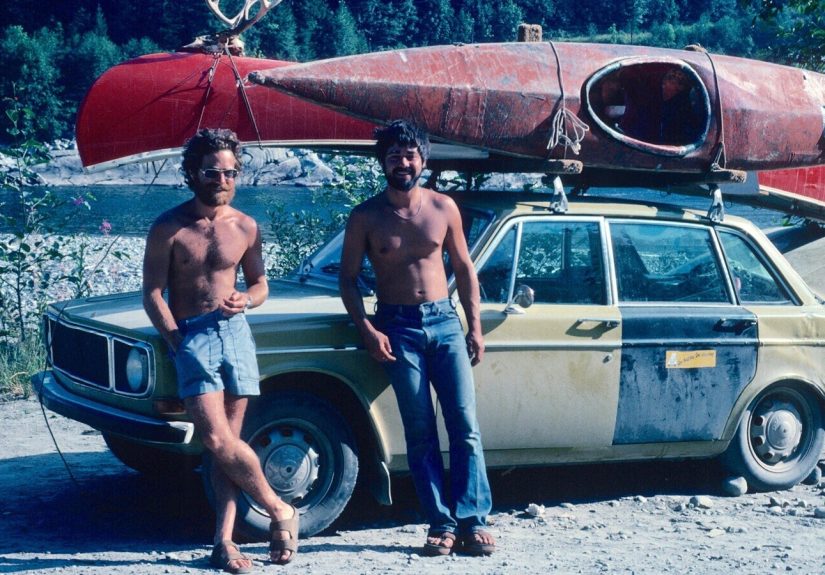
But after the first laugh, the photos start to feel more intimate. You notice how people held themselves. They often look less polished than people in modern digital images, but more present. There are fewer perfect angles, fewer filtered faces, fewer poses designed for invisible audiences. Many ’70s photos feel accidental in the best way. A child squints into sunlight. A couple leans against a car. A group of friends sits on a curb. Someone dances with their eyes closed. The imperfections make the images trustworthy.
The experience is also a reminder that style is never just style. When you see a woman in a pantsuit, a man in a floral shirt, a group at a Pride march, a punk musician in torn clothing, or a dancer in sparkling clubwear, you are seeing people test the boundaries of what was acceptable. Some were doing it playfully. Some were doing it politically. Many were doing both without stopping to label it.
For modern viewers, ’70s photos can be oddly comforting. They show that every era is messy while it is happening. The people in those pictures did not know they were becoming “vintage.” They were just living through expensive gas, loud music, bad headlines, new freedoms, social conflict, family dinners, first apartments, first concerts, and questionable decorating decisions. That makes the decade feel less like a museum display and more like a mirror with a feathered haircut.
The biggest lesson from these images may be this: culture changes because ordinary people try things. They try new clothes, new sounds, new slogans, new hairstyles, new ways of loving, and new ways of gathering. Some experiments age beautifully. Some age like unrefrigerated fondue. But together, they create the visual personality of a time. The 1970s gave us photographs that are bold because the people in them were negotiating freedom in real time. That is why the pictures still work. They are not straight laced. They are human.