Table of Contents >> Show >> Hide
- Why This Rumor Blew Up So Fast
- The Cynthia Erivo Factor: Why Her Name Hits Differently
- Would Cynthia Erivo as Voldemort Be a Radical Reinvention?
- Why Fans Are Especially Sensitive Right Now
- The Case For It
- The Case Against It
- What This Says About HBO’s Reboot Strategy
- The Real Reason the Internet Melted Down
- My Take: Talent Is Not the Problem, Trust Is
- A Longer Reflection on the Experience of Watching This Rumor Explode Online
- Conclusion
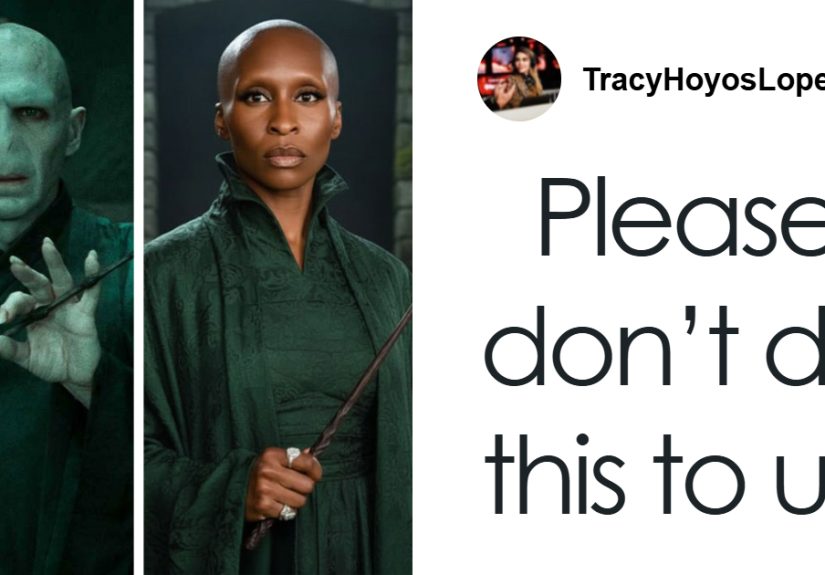
Every fandom says it wants bold casting choices right up until the internet gets one whiff of a rumor and immediately begins acting like someone just set the Sorting Hat on fire. That is more or less what happened when chatter spread online claiming Cynthia Erivo was allegedly in talks to play Lord Voldemort in HBO’s new Harry Potter series. The reaction was instant, loud, deeply theatrical, and about as subtle as a Howler at breakfast.
To be clear, this is still rumor territory. No official announcement has confirmed Erivo as Voldemort, and that distinction matters. But in the age of screenshot headlines, fan edits, quote-posts, and algorithm-fueled outrage, “unconfirmed” often gets treated like a tiny footnote instead of the main event. That has turned a speculative casting whisper into a full-blown pop culture debate, complete with applause, panic, think pieces, and the usual digital table-flipping.
And honestly, it was probably inevitable. Cynthia Erivo is one of those performers who does not enter a conversation quietly. She arrives with a powerhouse voice, serious dramatic range, award-season credibility, and the kind of screen presence that makes even a rumor feel bigger than life. So when her name got attached to one of the most infamous villains in modern fantasy, fans did what fans do best: they reacted first and sorted out the facts later.
Why This Rumor Blew Up So Fast
The new Harry Potter TV adaptation is already one of the most watched and most argued-about projects in entertainment. That is because it is not just another reboot. It is a remake of a franchise that shaped a generation, built a global fandom, and inspired enough online devotion to power Hogwarts for several academic years. Every role in this series is going to be picked apart, but Voldemort is not just any role. He is the role that carries menace, mythology, and a lot of fan expectation.
So the moment Erivo’s name entered the chat, people split into familiar camps. One group said she is wildly talented and could bring something hypnotic, unnerving, and original to the character. Another group insisted that Voldemort should remain closer to the version readers and moviegoers already know. A third group did what the internet always does when it gets overwhelmed by nuance: it turned the whole thing into memes.
That split reaction says less about one actress and more about the combustible state of fandom itself. Reboots now arrive with baggage. Fans are not just asking whether a performer is good. They are asking whether the choice feels faithful, whether it signals a new creative direction, whether it is studio strategy, whether it is bait for controversy, and whether the adaptation still belongs to the version of the story they carry in their heads.
The Cynthia Erivo Factor: Why Her Name Hits Differently
Erivo is not a random viral fancast. She is an elite performer with the kind of résumé that makes even unusual casting conversations sound plausible. She has the vocal control, the intensity, the theatrical fearlessness, and the emotional precision to command attention in almost any role. After her acclaimed run through Wicked-era stardom, many viewers now associate her with a very specific kind of larger-than-life performance: emotional, muscular, intelligent, and impossible to ignore.
That matters because Voldemort, at his best, is not only scary. He is magnetic. He has to make people uneasy before he even raises his voice. He has to feel mythic without turning into a cartoon. Ralph Fiennes achieved that in the films through icy restraint and snake-like theatricality. If a new adaptation wanted to reinterpret the character rather than mimic the movie version beat for beat, Erivo is exactly the kind of performer people would mention in a brainstorming session.
That does not mean the rumor is true. It means the rumor sounds just credible enough to travel. Casting gossip tends to spread fastest when it lives in that dangerous sweet spot between “absolutely absurd” and “honestly, I could kind of see it.”
Would Cynthia Erivo as Voldemort Be a Radical Reinvention?
Yes, and that is exactly why the rumor triggered such a fan meltdown.
For a lot of readers, Voldemort is not merely a villain but a carefully preserved icon of the original story’s tone. He is male, cold, terrifying, and physically transformed by dark magic into something less human and more nightmare. Any major shift in how the role is cast will be treated by some fans as fresh creativity and by others as tampering with sacred text.
But adaptation is always interpretation. Even a “faithful” version is still a version. Costumes change. line readings change. pacing changes. age changes. chemistry changes. Sometimes the audience welcomes that. Sometimes it reacts like you just replaced butterbeer with oat milk.
If HBO ever did go with a more unexpected Voldemort, the goal would likely be to create a distinct identity for the series rather than stage a tribute act to the films. The new show cannot survive by feeling like a cosplay remake of what already worked. It needs enough familiarity to comfort longtime fans, but enough difference to justify existing at all. That tension is the real story beneath this rumor.
Why Fans Are Especially Sensitive Right Now
The fandom is already on edge, and not just because of reboot fatigue. HBO’s Harry Potter series has rolled out casting announcements into an atmosphere where every decision is scrutinized for meaning beyond performance. The conversation around the show has included debates over fidelity, representation, franchise strategy, and the broader politics surrounding the Wizarding World. In other words, this fandom was not exactly relaxing in a bubble bath when the Erivo rumor showed up.
That background explains why a single casting whisper could explode into a full cultural argument. Fans are not responding in a vacuum. They are responding after months of anticipation, recasting debates, comparisons to the original films, and a general sense that this series will either become a triumphant second act or a permanent group chat war.
There is also the simple fact that social media rewards extreme reactions. Calm takes do not travel. “Interesting if true” gets ignored. “This ruins everything” and “This is genius actually” go flying across timelines like escaped Cornish pixies. The rumor became less about whether Erivo would make a compelling Dark Lord and more about what people wanted the new series to symbolize.
The Case For It
1. Erivo Has the Presence
There are actors who can play power, and there are actors who seem to radiate it even when they are standing still. Erivo belongs in the second category. Voldemort is not a role built only on makeup and special effects. It lives or dies on menace. If you cast someone with enough gravitas, the character can feel dangerous before the wand even comes out.
2. A Reboot Needs Fresh Electricity
The biggest risk facing HBO is not that fans will hate change. It is that they will find the series unnecessary. Casting choices that create real curiosity can help the reboot carve out its own identity. A bold choice for Voldemort would instantly separate the show from the movies and signal that this adaptation is not afraid to reinterpret familiar material.
3. The Character Is Bigger Than One Face
At the page level, Voldemort is a force of obsession, cruelty, ego, and fear. The essence of the character is psychological before it is cosmetic. Fans may picture a particular body and voice, but a strong actor can sometimes reveal new angles in a character everyone thought they already understood.
The Case Against It
1. Canon Matters to a Lot of Fans
Some viewers do not want reinvention here. They want specificity. For them, major character changes feel less like creativity and more like unnecessary provocation. In beloved franchises, even small deviations can become symbolic battles over whether the adaptation respects the source material.
2. The Rumor Arrived in a Loaded Environment
Even a brilliant casting idea can struggle if audiences greet it in defensive mode. Right now, people are primed to interpret any unusual Harry Potter rumor as either proof of artistic courage or evidence that the reboot has misunderstood the assignment. That is not a healthy environment for subtle discussion, which is unfortunate because subtle discussion is desperately needed.
3. Internet Discourse Rarely Gives Performers a Fair Shot
One of the ugliest parts of the reaction cycle is how quickly casting discourse stops being about acting and starts becoming personal, hostile, and exhausting. That is especially true for performers who are already treated as symbols in online culture wars. It becomes harder to evaluate the work when the conversation is built like a shouting match from the start.
What This Says About HBO’s Reboot Strategy
Whether Erivo is actually in the mix or not, the rumor reveals something important: fans believe HBO might make bolder choices than expected. That perception alone is significant. It means audiences are no longer assuming the series will simply photocopy the films with shinier lighting and a fresh castle budget.
And HBO may need that unpredictability. The series has already promised a longer-form adaptation, which suggests more room for character detail, darker emotional arcs, and deeper immersion in the books. If the studio wants this version to feel culturally necessary, it must balance reverence with surprise. Too safe, and people call it pointless. Too radical, and people act like the Basilisk is loose again.
In that sense, the Cynthia Erivo rumor has accidentally become a stress test for the whole project. It asks a question the reboot cannot avoid forever: how much change will fans tolerate if the execution is excellent?
The Real Reason the Internet Melted Down
The loudest reaction was never really about Voldemort alone. It was about ownership. Fans feel personal attachment to the world of Harry Potter, and that attachment often creates a strange emotional math. They want the story revived, but not altered too much. They want it expanded, but not reimagined beyond recognition. They want fresh ideas, but preferably the kind that already match the version in their minds.
That contradiction is why online fandom can look so chaotic. People are not just responding as viewers. They are responding as self-appointed guardians of tone, memory, and meaning. Once a rumor appears to threaten that internal version of the story, the response can become huge even before a studio says a single official word.
And yet that volatility also proves the franchise still has cultural heat. If nobody cared, nobody would be melting down. The firestorm is messy, but it also shows that the new series remains one of the most closely watched entertainment projects on the horizon.
My Take: Talent Is Not the Problem, Trust Is
If Cynthia Erivo were ever actually cast as Voldemort, the issue would not be whether she has the ability. She absolutely does. The real challenge would be whether HBO could persuade audiences that the choice served the story instead of the discourse. Fans are more open to big swings when they trust the creative vision behind them. Without that trust, even smart choices can get read as gimmicks.
So the smarter conversation is not “Could Erivo do it?” The smarter conversation is “What kind of Harry Potter series is HBO trying to make?” If the answer is a faithful but cinematic retelling with room for bold acting choices, then unusual casting could work beautifully. If the answer is chaos by headline, then the fandom will riot before the first trailer finishes buffering.
A Longer Reflection on the Experience of Watching This Rumor Explode Online
There is a very specific modern experience that comes with stories like this, and if you spend enough time online, you know it by heart. You open your phone expecting maybe a weather update or a harmless celebrity interview clip. Instead, you find a headline screaming that Cynthia Erivo might be Voldemort. At first, you blink. Then you laugh. Then you say, “Wait, is this real?” And just like that, you are ten tabs deep, reading reactions from people who sound like they have personally been hexed by the concept.
That experience is weirdly communal. Even people who have not touched a Harry Potter book in years suddenly feel summoned back into the Great Hall of public opinion. Former superfans, casual movie watchers, theater lovers who follow Erivo, culture writers, meme accounts, and people who simply enjoy watching the internet lose its mind all gather in one giant digital corridor. Nobody fully agrees, but everybody wants to say something. It becomes less of a news moment and more of a participatory event.
There is also something almost theatrical about how these rumors evolve. First comes the whisper. Then someone posts a mock-up. Then somebody else says the studio is “considering a new direction.” Then the quote posts begin rolling in like dementors over a lake. One person declares the franchise dead. Another says it would be iconic. A third says they are only here for the comments, which is the social media equivalent of bringing popcorn to a duel.
For fans, the emotional swing can be real. Nostalgia is powerful, and it does not always behave rationally. A casting rumor can feel personal because it brushes up against childhood memory, identity, ritual, and the version of a story that helped shape someone’s imagination. That is why the reaction often seems so much bigger than the actual news. People are not only debating an actor. They are defending a feeling.
At the same time, there is genuine excitement in the chaos. Rumors like this remind people that stories are alive because audiences keep wrestling with them. A franchise stays culturally relevant when it can still provoke surprise, dread, curiosity, laughter, and a thousand overcaffeinated opinion threads. Even the meltdown becomes part of the entertainment.
And maybe that is the strangest truth of all. The experience of following a rumor like this is no longer separate from the fandom itself. It is the fandom. The speculation, the arguments, the edits, the jokes, the righteous essays, the dramatic declarations of boycott before breakfast, the inevitable “actually let her cook” countermovement by lunchtime, all of it now forms part of the modern franchise ritual. We do not just wait for adaptations anymore. We perform our reactions to them in real time.
So whether Cynthia Erivo ever gets anywhere near Voldemort’s wand, this rumor has already done its job. It reminded everyone that the new Harry Potter series is under a microscope, that Erivo remains one of the most electrifying names in entertainment, and that the internet will never miss a chance to turn one unconfirmed possibility into an all-day emotional obstacle course. Magic, apparently, still exists. It just looks a lot more like comment sections now.
Conclusion
Cynthia Erivo allegedly being in talks to play Lord Voldemort is the kind of rumor that was practically engineered to set the internet on fire. It blends prestige casting, reboot anxiety, fan nostalgia, and algorithmic chaos into one especially volatile potion. Even without official confirmation, the story has exposed the fault lines running through the new Harry Potter era: faithfulness versus reinvention, curiosity versus defensiveness, and performance versus projection.
If the rumor turns out to be nothing, it will still stand as an excellent snapshot of how modern fandom behaves under pressure. If it turns out there was something to it, then HBO will have one of the boldest villain conversations in recent fantasy television on its hands. Either way, one thing is certain: the new Dark Lord debate has already begun, and the fandom is nowhere near calm.