Table of Contents >> Show >> Hide
- What Is the Dr. Sebi Diet?
- Does the Dr. Sebi Diet Make You “Alkaline”?
- Weight Loss: Can You Lose Weight on the Dr. Sebi Diet?
- Potential Benefits (The Realistic Ones)
- Downsides and Risks (Where People Get Stuck)
- So… Is the Dr. Sebi Diet “Healthy”?
- A Smarter “Take the Good, Leave the Weird” Version
- FAQ
- Real-World Experiences: What Trying the Dr. Sebi Diet Can Feel Like (About )
- Conclusion
If you’ve spent more than 11 minutes on the internet, you’ve probably seen some version of this claim:
“Dr. Sebi cured everything.” Or the slightly more dramatic remix: “They tried to silence him because he had the cure.”
And wrapped around those claims is an eating plan often called the Dr. Sebi diet.
Here’s the grounded, reality-based version: the Dr. Sebi diet is a very restrictive, mostly whole-food, plant-based plan
built around the idea that disease can’t survive in an “alkaline” body and that “mucus” is the root cause of illness.
The diet encourages a narrow list of “approved” foods, bans animal products, and often pairs the food rules with supplements.
Some people lose weight on it. Some people feel better (especially if they’re coming from a processed-food-heavy diet).
And some people end up tired, frustrated, under-fueled, or spending a small fortune on specialty groceries and pills.
This review breaks down what the diet is, what might actually help with weight loss, which “benefits” are real (and why),
and the downsides that don’t always make it into viral testimonials.
What Is the Dr. Sebi Diet?
“Dr. Sebi” was the public name used by Alfredo Bowman, an herbalist who promoted an approach he described as restoring
the body’s natural “alkaline” state. The diet you’ll see online is commonly described as:
vegan + “alkaline” + “clean” + very rules-heavy.
The core pitch is simple: eat “approved” plant foods, avoid “acid-forming” foods (including most animal products and many grains),
and your body becomes more alkalinesupposedly making it harder for disease to exist.
The science part of that pitch is where things get wobbly, and we’ll get into that soon.
Common Rules You’ll See (Across Most Versions)
- Only eat foods on a specific “approved” list (this list varies by source, which is… a whole issue).
- No animal products (no meat, poultry, fish, eggs, dairy).
- Limit or avoid processed foods (including added sugars and many packaged snacks).
- Avoid alcohol and often caffeine.
- Favor certain grains and avoid wheat (depending on the version).
- Supplements are frequently recommended, sometimes with strict timing rules.
If that sounds like a plant-based “clean eating” plan with extra steps, you’re not wrong.
A big difference is the framing: this isn’t marketed as “eat more plants for health,” but as “alkalize to prevent or reverse disease.”
Does the Dr. Sebi Diet Make You “Alkaline”?
Short version: your body tightly controls blood pH. Your lungs and kidneys do a lot of behind-the-scenes chemistry so you
don’t have to think about it while you’re trying to remember where you parked. Most experts agree that what you eat
does not meaningfully change your blood pH.
People sometimes test urine pH and assume they’re “alkalizing” their whole body. But urine pH can change based on what you’ve eaten
and that’s often your body doing exactly what it’s supposed to do: keeping blood pH stable while dumping extra compounds into urine.
Translation: eating more fruits and vegetables is great. The idea that you’re changing your body’s core pH to “kill disease” is not supported.
Weight Loss: Can You Lose Weight on the Dr. Sebi Diet?
Many people do lose weight on the Dr. Sebi diet. Not because of magic alkalinity, but because the plan tends to do three
weight-loss-friendly things at once:
1) It quietly cuts calories
When you remove fast food, sweets, alcohol, cheese, fried everything, and half your usual convenience meals, total calories often drop.
Even without counting calories, restriction tends to do the math for you.
2) It boosts fiber and water-rich foods
Fruits, vegetables, and legumes (if included) are typically high in fiber and volume. That can help you feel full on fewer calories,
which is a very unsexy but very real advantage.
3) It reduces ultra-processed foods
Ultra-processed foods are easy to overeat and often engineered to be “can’t-stop-won’t-stop” delicious.
A plan that replaces them with simpler foods can make appetite easier to manage.
The catch: weight loss on highly restrictive diets can be hard to maintain. If the rules feel like a full-time job,
you may rebound the moment real life (birthday cake, travel, stress, time) returns.
Potential Benefits (The Realistic Ones)
Even though the “alkaline cures disease” story doesn’t hold up, the Dr. Sebi diet can still bring some legitimate benefits
mostly because it nudges people toward healthier basics.
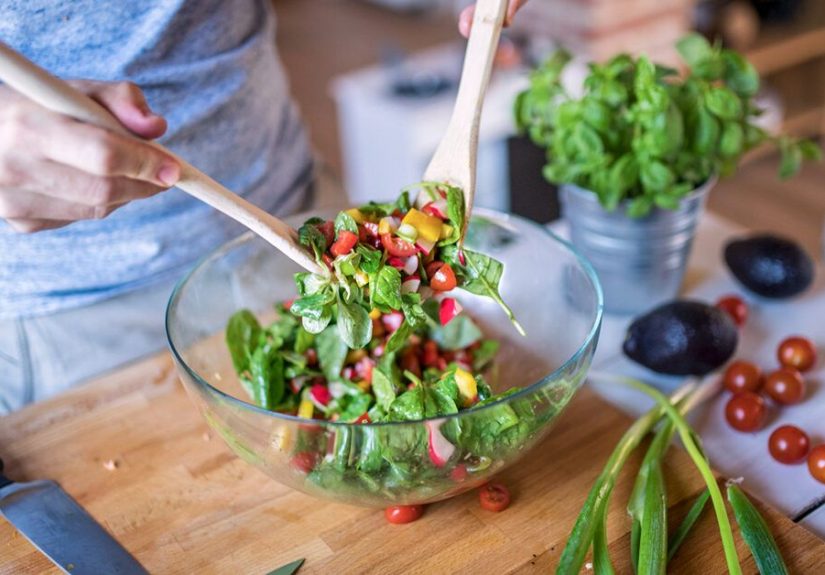
More whole plant foods
If your current diet is heavy on takeout, sugary drinks, and refined snacks, switching to mostly whole fruits and vegetables can improve
energy, digestion, and overall diet quality. Many people notice better regularity, less bloating (after an adjustment period),
and steadier hunger.
Less added sugar and alcohol
Cutting back on sugary foods and alcohol can improve sleep quality, reduce next-day fatigue, and help some people feel less “puffy.”
(Yes, “puffy” is a scientific term now. You’re welcome.)
A reset in cooking habits
Because the plan is restrictive, it pushes people to cook at home. That often means fewer restaurant portions, less mindless snacking,
and more awareness of ingredients.
Weight loss (for some people)
If weight loss is a goal, a whole-food, plant-forward pattern can helpespecially if it replaces high-calorie processed foods.
The key is sustainability and nutrition adequacy, not perfection.
Downsides and Risks (Where People Get Stuck)
This is the part that gets less attention in glowing TikTok testimonials. The Dr. Sebi diet has several practical and nutritional downsides,
especially if you follow the strictest version.
1) It’s extremely restrictive
Restriction isn’t automatically bad, but it increases friction. Restaurants become complicated. Travel becomes complicated.
Eating with family becomes a negotiations summit.
When a diet requires a rulebook, it can also require a level of time and money that not everyone has.
2) Nutrient gaps are a real concern
A vegan diet can be healthy, but it usually requires planningespecially for nutrients that are abundant in animal foods.
With a restrictive “approved list,” it may be harder to meet needs for:
- Vitamin B12 (often requires fortified foods or supplements in vegan diets)
- Iron (plant iron is less easily absorbed; pairing with vitamin C helps)
- Calcium and vitamin D (especially if fortified dairy alternatives are discouraged)
- Iodine (depending on salt and sea-vegetable intake)
- Protein (possible, but harder if key protein foods are restricted)
- Omega-3 fats (ALA sources exist; EPA/DHA usually require algae-based options)
If you’re an adult who wants to try the diet, consider it a “nutrition planning” project, not a vibe.
If you’re a teen, pregnant, breastfeeding, or managing a medical condition, you should talk with a clinician or registered dietitian first.
Growing bodies and complex health needs don’t do well with random internet food lists.
3) Supplements can add risk (and cost)
Many Dr. Sebi diet versions promote supplementssometimes aggressively. Supplements aren’t automatically dangerous,
but they can interact with medications and aren’t regulated like prescription drugs.
If a plan tells you to time supplements around medications, that’s a flashing neon sign to involve a healthcare professional.
4) “Detox” framing can create food fear
The idea that your body is constantly “toxic” unless you follow a strict list can turn eating into anxiety.
Some people begin to fear normal foods, feel guilty for small deviations, or chase “perfect” eating.
That’s not health. That’s a stress hobby disguised as nutrition.
5) The claims can drift into misinformation
The diet is frequently linked to big medical claims (including claims about curing serious diseases). Those claims are not supported
by clinical evidence. If any plan promises disease reversal without conventional treatment, treat it like a “get rich quick” scheme:
interesting story, bad odds.
So… Is the Dr. Sebi Diet “Healthy”?
The most accurate answer is: parts of it can be healthy, the storyline is not.
If someone uses the Dr. Sebi diet as a springboard to eat more vegetables, cut back on ultra-processed foods,
drink more water, and cook more oftengreat. Those moves can support health and weight goals.
But if someone follows a strict “approved list” without a plan for nutrients, relies heavily on supplements,
or believes the diet can replace medical carethat’s where it becomes risky.
A Smarter “Take the Good, Leave the Weird” Version
Want the benefits without the nutrition roulette? Here’s a more evidence-based approach that keeps the helpful parts:
Keep
- More vegetables and fruit (aim for variety and color)
- More home-cooked meals
- Fewer sugary drinks and ultra-processed snacks
- More fiber (beans, lentils, whole grains, nuts, seeds)
Rethink
- The idea that food meaningfully changes your blood pH
- Fear-based “mucus” and “detox” claims
- Very narrow “approved” lists that make balanced eating harder
- Supplement stacks without professional guidance
If you prefer plant-based, plan it
A well-planned plant-based diet can work. The “well-planned” part matters.
Pay attention to protein, B12 (usually supplementation or fortified foods), iron, calcium, vitamin D, iodine, and omega-3s.
If that sounds like a lot, a registered dietitian can make it easier.
FAQ
Does the Dr. Sebi diet cure disease?
There isn’t clinical evidence that the Dr. Sebi diet cures diseases. Eating more whole plant foods can support health,
but it’s not a substitute for medical diagnosis or treatment.
Will I lose weight quickly?
Some people lose weight quickly at firstoften due to lower calories and less sodium/processed food (which can change water retention).
Long-term results depend on whether you can maintain the pattern and meet your nutrition needs.
Is it safe for everyone?
Not necessarily. People who are pregnant, breastfeeding, under 18, older adults at risk of low muscle mass,
and anyone with chronic conditions or on medications should get medical guidance before trying a restrictive plan.
Real-World Experiences: What Trying the Dr. Sebi Diet Can Feel Like (About )
People’s experiences with the Dr. Sebi diet tend to fall into a familiar pattern: an enthusiastic start, a “wait, can I eat what?”
moment in the grocery store, a short honeymoon phase, and then the real testhow it fits into normal life.
In the first few days, many people report feeling “lighter.” That can come from swapping salty, processed foods for produce and home-cooked meals.
Some also notice quicker digestion because fiber intake jumps. (Friendly warning: if your fiber goes from “almost none” to “garden hose,”
your gut may need a week or two to adjust. Hydration helps.)
The grocery experience is usually where the diet becomes… vivid. Instead of shopping by habit, you’re reading labels, Googling food lists,
and standing in the produce aisle debating whether a grape is “approved” or merely “emotionally supportive.”
Many people end up buying more fresh foods than they’re used togreat for nutrition, not always great for the budget.
If you don’t cook much, you’ll learn fast, because convenience foods don’t always fit the rules.
Social life can be the hardest part. Eating out becomes complicated, and people often feel like “the difficult one” at gatherings.
That’s not a moral failure; it’s a predictable effect of a restrictive diet. Some people respond by bringing their own food,
which can work welluntil it starts feeling like you’re packing for a three-day hike when you’re actually just going to brunch.
Energy is mixed. Some people feel more energizedespecially if they were previously eating a lot of sugar, alcohol,
or heavy late-night meals. Others feel tired or unusually hungry, which can be a sign that total calories or protein are too low.
This is especially common when people cut out multiple food groups without replacing them strategically.
The biggest “aha” moment many people report is realizing the benefits often come from the basics:
more plants, fewer processed foods, and more cookingnot from pH or “detox” concepts.
When people adapt the plan into something more flexible (keeping the produce, adding balanced protein sources,
allowing more variety), they’re more likely to stick with it and feel good long-term.
The people who struggle most are usually those who try to be perfectly compliant, treat the food list like a rule of law,
and rely on supplements as a shortcut. The people who do best tend to treat it like an experiment,
keep an eye on how they feel, and adjust for real-world nutritionbecause the goal is better health, not passing a pop quiz.
Conclusion
The Dr. Sebi diet has a seductive storyline and some genuinely health-supportive habits baked in.
You may lose weight on it, especially if it replaces processed foods with whole plant foods.
But the “alkaline cures disease” promise isn’t supported by evidence, and the diet’s strict rules can increase the risk of nutrient gaps,
stress around food, and over-reliance on supplements.
If you’re curious, the safest approach is to keep the helpful parts (more whole plants, fewer ultra-processed foods)
and drop the extreme restrictions and medical claims. Health is built on patterns you can repeatnot rules you can barely survive.