Table of Contents >> Show >> Hide
- What Is the Blackcreek Small Narrow Board with Double Handle?
- The Story Behind Blackcreek Mercantile & Trading Co.
- Design: Long, Lean, and Quietly Dramatic
- Material: Why Maple Is a Smart Choice
- Best Uses for the Blackcreek Small Narrow Board
- Cutting Board or Serving Board: Which Role Fits Best?
- How to Care for a Maple Board
- Style Pairings: Where This Board Looks Best
- Who Should Buy This Board?
- Pros and Cons
- Buying Tips Before You Choose
- Experience-Based Notes: Living with a Narrow Double-Handle Maple Board
- Final Verdict
If a cutting board could casually lean against your backsplash and say, “Yes, I read design magazines,” the Blackcreek Mercantile & Trading Co. Small Narrow Board with Double Handle would be that board. It is long, lean, handmade, and far too handsome to be shoved into the cabinet with the mismatched plastic boards and that one lid nobody can identify.
This board sits at the intersection of kitchen tool, serving piece, and functional sculpture. Made from maple and shaped with a double-handle silhouette, it is designed for the kind of kitchen where a loaf of bread, a wedge of cheese, or a row of crostini can suddenly look like they have their own publicist. But beyond its good looks, this is still a serious piece of practical woodwork: useful, durable, tactile, and meant to age with character rather than retire after one dinner party.
What Is the Blackcreek Small Narrow Board with Double Handle?
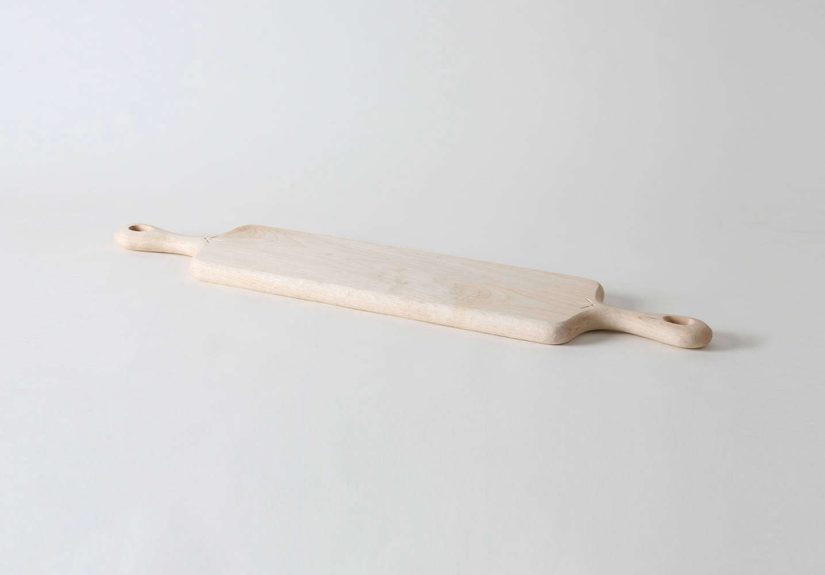
The Blackcreek Mercantile & Trading Co. Small Narrow Board with Double Handle is a handmade maple cutting and serving board with a slim, elongated profile. The small narrow double-handle version is typically listed at about 30 to 32 inches long and 6 to 7 inches wide, giving it the feel of a rustic serving plank without making it look like you stole lumber from a barn renovation.
The double handles are not decorative fluff. They make the board easier to carry, especially when loaded with bread, fruit, cheese, charcuterie, roasted vegetables, or a heroic lineup of sandwiches. The narrow width also makes it highly table-friendly. It can run down the center of a dining table without requiring guests to perform Olympic-level arm reaches around the salad bowl.
The Story Behind Blackcreek Mercantile & Trading Co.
Blackcreek Mercantile & Trading Co., often styled as BCM&TCo., is known for handmade wooden objects that emphasize simplicity, usefulness, and craft. Founded by Joshua Vogel and based in Kingston, New York, the studio has built a reputation around small-scale production, strong material choices, and a design language that feels both old-world and modern.
What makes the brand appealing is that it does not treat wood like a generic raw material. Each object feels connected to the grain, weight, and natural personality of the piece it came from. That matters with cutting boards because the best ones are not just flat platforms for onions. They are daily tools, kitchen companions, and sometimes the only “decor” a countertop really needs.
Design: Long, Lean, and Quietly Dramatic
The first thing people notice about this board is the shape. Most cutting boards are rectangles. Useful, yes. Exciting? About as exciting as a tax form. The Blackcreek small narrow board takes the ordinary rectangle and stretches it into something more architectural. The double-handle form gives it symmetry, movement, and a slightly ceremonial feel.
That long profile is especially useful for presentation. Imagine sliced baguette arranged in a neat line, grilled asparagus with lemon zest, or a breakfast spread of pastries, berries, and soft butter. The board creates a visual path across the table, making simple food look intentional. It is the culinary equivalent of putting on a blazer: same person, better entrance.
Why the Double Handle Matters
A double-handle board is practical because it distributes the carrying task across both ends. This is helpful when the board is full, but it also improves how the piece behaves visually. Handles frame the food. They signal that this board is meant to travel from kitchen to table, not remain hidden near the sink like a humble prep mat.
For hosts, this is a major advantage. You can prep on the board, style on the board, carry on the board, and serve on the board. Fewer dishes. Less drama. More time pretending the kitchen was clean the whole time.
Material: Why Maple Is a Smart Choice
Maple is one of the classic woods for cutting boards because it offers an excellent balance of hardness, smoothness, and durability. It is firm enough for regular kitchen use but not so harsh that it feels unfriendly to knives. Maple also has a naturally clean, pale tone that works with many kitchen styles, from farmhouse to minimalist to “I bought one nice thing and now I’m designing my personality around it.”
The beauty of maple is subtle. It does not shout. It glows. Over time, a well-used maple board develops a warmer tone and a lived-in surface. Tiny marks, color shifts, and oil-darkened grain lines become part of the object’s charm. This is not a flaw; it is the whole point of owning a natural wooden board.
Best Uses for the Blackcreek Small Narrow Board
This board can handle light cutting tasks, but its shape makes it especially strong as a serving board. Its narrow size is ideal when you want length without bulk. It gives food room to breathe, which is a fancy way of saying your cheese will no longer look like it was trapped in rush-hour traffic.
1. Bread and Butter Service
A long maple board is perfect for bread. Slice a baguette, place it down the center, add a ramekin of softened butter or olive oil, and suddenly you have a restaurant moment at home. The board’s length lets you serve bread family-style without stacking pieces into a sad carbohydrate mountain.
2. Cheese and Charcuterie
The narrow format works beautifully for a curated cheese board. Instead of overcrowding, choose three cheeses, one cured meat, something crunchy, something sweet, and a small bowl of olives or jam. The result feels edited and elegant. Remember: a good board does not need 47 ingredients. It needs confidence.
3. Appetizers and Small Bites
Use it for crostini, deviled eggs, skewers, fruit slices, or tea sandwiches. The long shape makes repeated items look polished. Even simple cucumber rounds with herbed cream cheese can look like they were planned by someone who owns linen napkins and knows where they are.
4. Countertop Display
When not in use, the Blackcreek board can lean against a backsplash or rest on open shelving. Because it is handmade and sculptural, it functions as decor without becoming useless decor. That is the sweet spot: beautiful enough to display, useful enough to justify.
Cutting Board or Serving Board: Which Role Fits Best?
Technically, this is a cutting and serving board. Practically, many owners will treat it more like a serving piece that can handle occasional prep. That is not a criticism. It is simply recognizing the board’s strengths. The narrow shape is excellent for slicing bread, cutting citrus, chopping herbs in small amounts, or trimming cheese. For big messy prep jobs, such as breaking down raw poultry or chopping a mountain of vegetables, a wider utility board may be easier.
The smartest approach is to give this board the glamorous jobs: serving, plating, bread slicing, cheese presentation, and light prep. Let your everyday workhorse board handle the onion avalanche. Let Blackcreek take the applause.
How to Care for a Maple Board
Wooden boards are not difficult to maintain, but they do ask for a little respect. The essential rule is simple: wash by hand, dry well, and oil when needed. Do not soak it. Do not put it in the dishwasher. Do not abandon it wet in the sink like a forgotten canoe.
Cleaning After Use
Wash the board with mild soap and warm water after use. Rinse it, wipe it dry, and let it air-dry fully. For best results, dry both sides so moisture does not collect unevenly. Standing the board on its edge can help airflow reach both faces.
Oiling the Board
New wooden boards often need more frequent oiling at the beginning because the wood is still settling into kitchen life. A food-safe mineral oil or board oil helps prevent dryness, cracking, and water absorption. Apply a thin, even coat, let it soak in, and wipe away excess. When the wood looks pale, thirsty, or rough, it is asking for oil. Listen to the board. It is not being dramatic.
Avoiding Common Mistakes
Never leave the board submerged in water. Avoid harsh abrasives that can damage the surface. Do not use cooking oils such as olive oil or vegetable oil for long-term board conditioning because they can become rancid. Also, use separate boards for raw meat and ready-to-eat foods if you want a safer, cleaner kitchen routine.
Style Pairings: Where This Board Looks Best
The Blackcreek small narrow board pairs naturally with kitchens that emphasize honest materials: stone, ceramic, linen, brass, iron, glass, and wood. It looks comfortable in a rustic kitchen, but it also works surprisingly well in modern interiors because the silhouette is clean and restrained.
For a warm look, pair it with handmade pottery, amber glassware, and natural linen. For a more minimal table, use white plates, stainless flatware, and a simple arrangement of bread, pears, and cheese. For a dramatic dinner setup, run the board down the table with candles on either side. Just keep the flames a safe distance away; the goal is ambiance, not a tiny Viking funeral for your appetizer course.
Who Should Buy This Board?
This board is best for people who value craftsmanship, natural materials, and beautiful everyday objects. It is not the cheapest cutting board, and it is not pretending to be. It belongs in the category of buy-once, use-often, enjoy-for-years kitchen pieces.
It is a strong choice for home entertainers, design lovers, serious home cooks, newlyweds, housewarming gifts, and anyone trying to upgrade their kitchen without replacing the cabinets. It is also ideal for people who like objects that do more than one job. A board that can prep, serve, display, and make toast look expensive is carrying its weight.
Pros and Cons
Pros
- Handmade maple construction with a warm, natural appearance.
- Long narrow shape is excellent for serving bread, cheese, and appetizers.
- Double handles make it easier to carry and visually distinctive.
- Works as both kitchen tool and countertop display piece.
- Made for people who appreciate small-scale craft and timeless design.
Cons
- Narrow width is less convenient for large chopping tasks.
- Requires hand-washing and regular oiling.
- Premium handmade quality comes with a higher price than mass-market boards.
- Natural wood dimensions and grain may vary from piece to piece.
Buying Tips Before You Choose
Before buying the Blackcreek Mercantile & Trading Co. Small Narrow Board with Double Handle, think about how you plan to use it. If you mainly need a board for heavy daily chopping, choose a wider butcher-block style board. If you want a refined serving piece that can also handle light kitchen work, this narrow board makes much more sense.
Check the listed dimensions because handmade boards can vary slightly. That variation is part of the charm, but your table, shelf, or cabinet may have opinions. Also consider ordering board oil at the same time. A good oiling routine is the difference between a board that ages gracefully and one that looks like it spent winter in the desert.
Experience-Based Notes: Living with a Narrow Double-Handle Maple Board
From a real-world kitchen experience perspective, the biggest advantage of a board like this is how quickly it changes the mood of a meal. You do not have to cook something complicated. A narrow maple board makes ordinary food look arranged, and arranged food feels generous. Slice a loaf, add a small dish of salted butter, scatter a few herbs, and the table suddenly looks awake.
The length is especially useful during gatherings. A round plate tends to concentrate food in the middle, where everyone reaches at once. A long board spreads the food out, creating multiple access points. Guests can take a piece from either end without hovering over the entire spread. This small detail matters more than people think. Good hosting is often just traffic control with better lighting.
Another pleasant experience is the tactile quality of maple. A good wooden board feels different from plastic, glass, or bamboo. It has a quiet softness under the knife and a warmth under the hand. When you carry it by both handles, it feels intentional, almost ceremonial. You are not just moving snacks. You are presenting them. That may sound fancy, but the joy of a good object is that it makes small routines feel considered.
In day-to-day use, the narrow format encourages cleaner styling. Because space is limited, you become more selective. Instead of piling on every cracker, nut, dried fruit, and cheese in the pantry, you choose what belongs. This often creates a better board. A small wedge of blue cheese, crisp apple slices, toasted walnuts, and honey can be more appealing than an overloaded spread that looks like a grocery cart tipped over.
Care becomes part of the ownership rhythm. After serving, you wash the board, dry it, and stand it upright. Every few weeks, or whenever it looks dry, you oil it. This process is not annoying once it becomes habit. In fact, it can be satisfying. The wood darkens slightly, the grain comes forward, and the board looks refreshed. It is the kitchen equivalent of moisturizing after a long day, except the board never complains about the weather.
One practical tip is to use small bowls or ramekins for wet ingredients. Olives, jam, pickles, mustard, and oily roasted peppers are wonderful on a serving board, but keeping them contained protects the wood and makes cleanup easier. Another tip is to place especially colorful foods, such as beets or berries, on parchment or in a dish if you are worried about staining. Maple is durable, but it is still natural wood, not a superhero in plank form.
The board also shines outside formal entertaining. Use it for a weekend breakfast with toast, fruit, and soft cheese. Use it for a movie-night snack board with popcorn, pretzels, nuts, and chocolate. Use it as a coffee-table dessert board with cookies and berries. Its shape makes casual food feel curated without requiring culinary wizardry. That is the charm: it helps you look more prepared than you may actually be.
Over time, the best experience is watching the board develop character. The surface will not stay showroom-perfect forever, and it should not. Fine marks, mellowed color, and a deeper sheen are signs of use. A board like this is meant to live in the kitchen, not audition for a museum. Treat it well, keep it clean, oil it regularly, and it will reward you by becoming more personal with every meal.
Final Verdict
The Blackcreek Mercantile & Trading Co. Small Narrow Board with Double Handle is not just a cutting board; it is a beautifully made serving tool for people who believe everyday objects should earn their counter space. Its maple construction, elongated silhouette, and double-handle design make it practical for entertaining and handsome enough to display when the party is over.
It is best for serving bread, cheese, appetizers, fruit, pastries, and light prep. It is less ideal as your only heavy-duty chopping board, especially if you regularly prep large meals. But as a specialty board with real utility and strong visual appeal, it is excellent. Buy it for the craft, keep it for the function, and enjoy the fact that your crackers now look like they have a design degree.
Note: This article is written for web publishing and synthesizes product specifications, maker background, retailer descriptions, and standard wooden cutting-board care guidance into original editorial content. No source-link blocks or unnecessary citation placeholders are included in the HTML body.