Table of Contents >> Show >> Hide
- Why Monitoring Your Heart Rate Matters
- 1. Check Your Pulse Manually
- 2. Use a Wrist-Based Fitness Tracker
- 3. Try a Chest Strap Heart Rate Monitor
- 4. Use a Smartwatch With ECG Features
- 5. Monitor Heart Rate With a Pulse Oximeter
- 6. Use Gym Equipment Sensors
- 7. Use a Smartphone Heart Rate App
- 8. Track Heart Rate With Medical Monitoring Devices
- How to Measure Resting Heart Rate Correctly
- Understanding Target Heart Rate Zones
- What Can Affect Your Heart Rate?
- When to Talk to a Doctor
- Extra Experiences: Real-Life Lessons From Monitoring Heart Rate
- Conclusion
Your heart rate is one of the simplest clues your body gives you about what is happening under the hood. It can tell you whether your morning walk is actually cardio, whether your workout is turning into a heroic survival documentary, or whether your body is asking for rest instead of another cup of coffee and a dramatic playlist.
Heart rate simply means how many times your heart beats per minute. For many adults, a typical resting heart rate falls between 60 and 100 beats per minute, although athletes and highly active people may naturally sit lower. During exercise, your heart rate rises because your muscles need more oxygen-rich blood. During sleep, relaxation, meditation, or a very boring meeting, it usually drops.
Learning how to monitor your heart rate can help you understand fitness intensity, notice patterns, manage stress, and have better conversations with your healthcare provider. It is not about becoming obsessed with every number. Your heart is not a stock ticker, and you do not need to check it every time you climb stairs. The goal is awareness, not panic.
Below are eight practical ways to monitor your heart rate, from the old-school finger-on-the-wrist method to wearable technology, chest straps, smartphone apps, and medical-grade devices.
Why Monitoring Your Heart Rate Matters
Heart rate monitoring is useful because it connects how you feel with measurable data. For example, a jog that feels “kind of hard” may actually be moderate exercise, while a supposedly easy spin class may have your heart working like it just got a surprise tax bill.
Tracking your heart rate can help you:
- Understand your resting heart rate over time
- Exercise in a safe and effective target heart rate zone
- Notice unusual spikes or dips
- Measure recovery after workouts
- Identify how sleep, stress, caffeine, illness, or dehydration affect your body
- Share useful information with a doctor if symptoms occur
For exercise, many health organizations use a simple estimate: maximum heart rate is roughly 220 minus your age. Moderate-intensity activity is often around 50% to 70% of that estimated maximum, while vigorous activity is around 70% to 85%. This is only a guide, not a personal prophecy carved into stone. Medications, fitness level, health conditions, heat, hydration, and stress can all affect your numbers.
1. Check Your Pulse Manually
The simplest way to monitor your heart rate requires no charger, subscription, Bluetooth connection, or mysterious app update. You only need two fingers and a little patience.
How to Check Your Pulse at the Wrist
Place your index and middle fingers on the inside of your wrist, just below the base of your thumb. Press lightly until you feel a beat. Count the beats for 30 seconds and multiply by two to get beats per minute. You can also count for 15 seconds and multiply by four, though 30 seconds may be more accurate if your rhythm feels uneven.
How to Check Your Pulse at the Neck
Place your index and middle fingers gently on the side of your neck, beside your windpipe. Do not press hard. The carotid artery is sensitive, and this is not the place to test your finger strength like you are opening a jar of pickles.
Manual pulse checks are excellent for resting heart rate, quick exercise checks, and learning what your heartbeat feels like. The downside is that it can be awkward during intense activity. Nobody wants to sprint, stop, fumble for a pulse, count, multiply, and then pretend that was graceful.
2. Use a Wrist-Based Fitness Tracker
Fitness trackers and smartwatches are among the most popular ways to monitor heart rate. Devices from major brands usually use optical sensors that shine light into the skin and estimate heart rate based on blood flow changes. The technology is impressive, even if your watch still occasionally thinks you are exercising when you are aggressively folding laundry.
Best Uses for Wrist Trackers
Wrist-based trackers are useful for daily trends. They can show resting heart rate, workout heart rate, sleep heart rate, recovery patterns, and sometimes alerts for unusually high or low readings. Many people like them because they collect data automatically without needing to stop and count beats manually.
Limitations to Know
Wrist monitors can be less accurate during activities with lots of arm movement, poor skin contact, cold weather, tattoos near the sensor, loose straps, or high-intensity intervals. For casual fitness tracking, they are often good enough. For precise training, a chest strap may be better.
To improve accuracy, wear the device snugly above the wrist bone, keep the sensor clean, and tighten it slightly during workouts. Not tourniquet tight, just secure enough that it is not flopping around like a bracelet at a dance party.
3. Try a Chest Strap Heart Rate Monitor
Chest straps are popular with runners, cyclists, rowers, and people who take training data seriously. Unlike wrist trackers, many chest straps detect the heart’s electrical signals. That often makes them more accurate during intense exercise, interval training, and activities where wrist movement interferes with optical sensors.
Why Athletes Like Chest Straps
A chest strap sits around your torso and sends heart rate data to a watch, bike computer, phone app, or gym equipment. It is especially helpful when you want real-time feedback during training. For example, if your goal is to stay in Zone 2 cardio, a chest strap can help you avoid accidentally turning an easy run into a dramatic chase scene.
How to Use One Properly
Moisten the sensor pads or use conductive gel if recommended by the manufacturer. Place the strap snugly around your chest, usually just below the chest muscles. Pair it with your device before starting the workout. If the reading jumps wildly, the strap may be too dry, too loose, or positioned incorrectly.
The tradeoff is comfort. Some people love chest straps. Others feel like they are wearing a tiny belt with opinions. Still, for accuracy during exercise, they remain one of the strongest consumer options.
4. Use a Smartwatch With ECG Features
Some smartwatches include an electrocardiogram, often called ECG or EKG, feature. This does not continuously monitor your heart like a hospital machine, but it can record a short electrical snapshot when you place a finger on the watch’s sensor.
What ECG Watches Can Do
Depending on the device and region, smartwatch ECG features may help detect signs of irregular rhythm patterns such as possible atrial fibrillation. They can also save recordings that may be shared with a healthcare professional.
What They Cannot Do
A smartwatch ECG is not a complete medical exam. It cannot diagnose every heart problem, rule out a heart attack, or replace professional evaluation. Think of it as a helpful notebook, not a cardiologist living on your wrist.
ECG watches are most useful for people who have been advised to watch rhythm patterns, experience occasional palpitations, or want more detailed data than a standard heart rate reading. If you have chest pain, fainting, severe shortness of breath, or symptoms that feel urgent, do not wait for your watch to give you permission to seek help.
5. Monitor Heart Rate With a Pulse Oximeter
A pulse oximeter is a small device that clips onto a finger and estimates blood oxygen saturation and pulse rate. Many people became familiar with them during the COVID-19 pandemic, but they are also used in clinics, hospitals, and home monitoring situations.
When a Pulse Oximeter Is Useful
A pulse oximeter can be helpful when you want a quick pulse reading while sitting still. It may be used by people with certain lung or heart conditions under medical guidance. It is also common in medical settings because it gives a fast estimate of oxygen level and pulse.
Accuracy Factors
Pulse oximeter readings can be affected by poor circulation, cold fingers, movement, nail polish, artificial nails, skin thickness, skin pigmentation, tobacco use, and device quality. Because of these limitations, one odd reading should be interpreted carefully. Warm your hands, sit still, remove nail polish if needed, and repeat the measurement.
For heart rate alone, a pulse oximeter can be handy. For exercise tracking, it is not ideal because it works best when you are still. Trying to use one while running would be both impractical and mildly comedic.
6. Use Gym Equipment Sensors
Many treadmills, ellipticals, stair climbers, and stationary bikes include built-in heart rate sensors. Usually, you place your hands on metal grips, and the machine estimates your pulse.
Pros of Gym Sensors
They are convenient. You do not need to bring extra gear, and the number appears right on the screen next to speed, distance, calories, and that judgmental hill program you accidentally selected.
Cons of Gym Sensors
Hand-grip sensors are often inconsistent. Readings may lag, jump, or change depending on your grip, sweat, movement, and how clean the sensors are. They can be useful for a rough estimate, but they are not the best choice if you need precise data.
Another issue is posture. Holding the sensors too long can change your natural walking or running form. On a treadmill, gripping the handles may reduce workout intensity and make your numbers less meaningful. Use the sensors briefly, then return to natural movement.
7. Use a Smartphone Heart Rate App
Some smartphone apps estimate heart rate by using the phone’s camera and flash. You place your fingertip over the camera, and the app detects color changes related to blood flow. It sounds like magic, but it is really optical sensing in a pocket-sized disguise.
When Phone Apps Work Best
Phone apps can be convenient for occasional resting heart rate checks. They are useful if you do not own a wearable and want a quick reading while sitting quietly. For best results, keep your finger still, avoid pressing too hard, and make sure the camera lens is clean.
Be Careful With App Claims
Not every app is equally reliable. Some are wellness tools, not medical devices. Avoid treating app readings as a diagnosis. Also pay attention to privacy. Health-related data can be sensitive, so check what information the app collects and whether you actually need another account just to learn that your heart beats faster after espresso.
Smartphone apps are best used as a casual tool, not the final authority on your cardiovascular health.
8. Track Heart Rate With Medical Monitoring Devices
Sometimes, heart rate monitoring needs to go beyond fitness gadgets. If you have symptoms such as palpitations, dizziness, fainting, unexplained shortness of breath, or episodes where your heart feels unusually fast or irregular, a healthcare professional may recommend medical monitoring.
Common Medical Monitors
A Holter monitor records heart activity continuously, often for 24 to 48 hours. An event monitor may be worn longer and activated when symptoms occur. Some patch monitors can track rhythm for several days or weeks. In certain cases, implantable monitors may be used for long-term rhythm tracking.
Why Medical Monitoring Matters
Medical monitors can capture patterns that consumer devices may miss. They are especially useful when symptoms happen randomly. A person might feel fine during a doctor’s appointment, then experience palpitations later at home while doing something extremely normal, like washing dishes or arguing with a fitted sheet.
If your doctor recommends a monitor, follow the instructions carefully. Keep notes about symptoms, activity, sleep, caffeine, stress, and medication timing. Those details can help connect the heart rhythm data with real-life events.
How to Measure Resting Heart Rate Correctly
Your resting heart rate is most useful when measured consistently. The best time is usually in the morning before caffeine, exercise, emotional emails, or scrolling through news headlines.
Sit or lie quietly for several minutes. Then check your pulse manually or use a reliable device. Record the number. Over time, look for trends rather than obsessing over one reading. A temporary increase can happen because of poor sleep, dehydration, stress, fever, alcohol, caffeine, or a hard workout the day before.
If your resting heart rate is suddenly much higher or lower than usual and you feel unwell, it is wise to contact a healthcare professional. Numbers matter, but symptoms matter too.
Understanding Target Heart Rate Zones
Heart rate zones help you match exercise intensity to your goals. While exact zones vary by person, a common approach uses percentages of estimated maximum heart rate.
Moderate Intensity
Moderate exercise usually falls around 50% to 70% of estimated maximum heart rate. You should be breathing faster but still able to talk in short sentences. Brisk walking, easy cycling, casual swimming, and light jogging may fall here depending on fitness level.
Vigorous Intensity
Vigorous exercise usually falls around 70% to 85% of estimated maximum heart rate. Talking becomes harder, breathing is deeper, and your body is clearly working. Running, fast cycling, intense rowing, and high-energy classes often land in this range.
Beginners should ease into higher zones gradually. More is not always better. Your heart does not hand out medals for ignoring warning signs.
What Can Affect Your Heart Rate?
Heart rate is not controlled by exercise alone. Many daily factors can change it, including:
- Stress or anxiety
- Sleep quality
- Caffeine and stimulants
- Hydration status
- Fever or illness
- Medications
- Heat and humidity
- Pregnancy
- Fitness level
- Recent exercise
This is why context matters. A heart rate of 95 beats per minute may be normal after climbing stairs, but more concerning if it happens at rest with dizziness or chest discomfort. A low resting heart rate may be normal for an endurance athlete, but not for someone who feels faint or weak.
When to Talk to a Doctor
Heart rate monitoring is helpful, but it should not become a replacement for medical care. Contact a healthcare professional if you notice persistent irregular rhythms, frequent palpitations, unexplained fainting, chest pain, shortness of breath, unusual fatigue, or a resting heart rate that is consistently much higher or lower than normal for you.
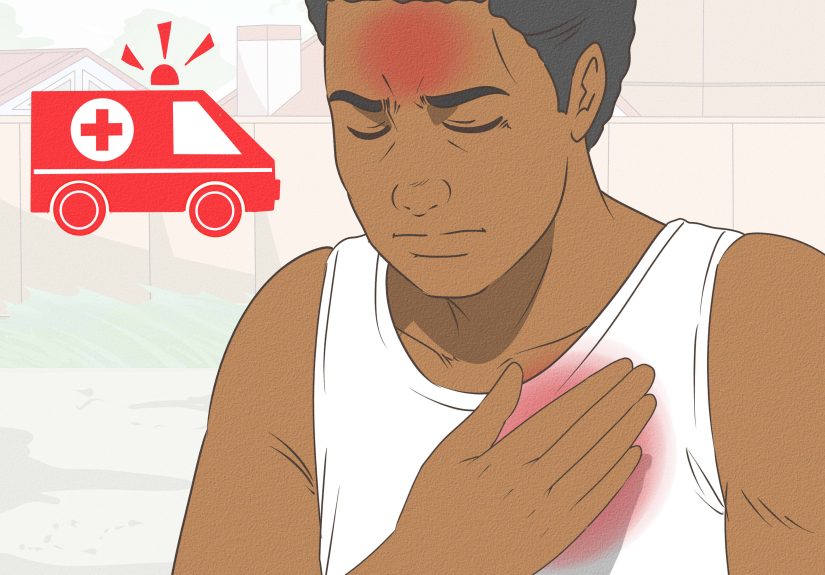
Seek urgent help if symptoms are severe, sudden, or frightening. A device reading is never more important than how you feel. If your body is sending loud warning signals, do not wait for a smartwatch badge that says, “Congratulations, something is wrong.”
Extra Experiences: Real-Life Lessons From Monitoring Heart Rate
One of the most useful things about heart rate monitoring is that it turns vague feelings into patterns. Many people start tracking their pulse for fitness and accidentally learn a lot about stress, sleep, hydration, and recovery. The heart, apparently, has opinions about your lifestyle choices.
For example, someone may notice that their resting heart rate is usually around 62 beats per minute but rises to 72 after a night of poor sleep. That does not automatically mean something is wrong. It may simply show that the body is working harder to recover. After a few weeks of tracking, the pattern becomes clearer: late nights, heavy meals, dehydration, and stressful workdays all push the number upward.
Another common experience happens during workouts. A person may believe they are exercising at a moderate pace, only to discover their heart rate is already in a vigorous zone. This can happen when returning to exercise after a break, working out in hot weather, or taking on too much too soon. Heart rate feedback can prevent the classic beginner mistake: going full superhero on Monday and walking like a folding chair by Wednesday.
On the other hand, heart rate tracking can also reveal when workouts are too easy for a specific goal. Someone trying to improve cardiovascular fitness may spend weeks walking at a comfortable pace, then realize their heart rate barely rises. That does not make walking useless; walking is excellent. But if the goal is aerobic conditioning, they may need hills, speed intervals, longer duration, or another form of activity that gently raises intensity.
Heart rate monitoring is also helpful for recovery. Many athletes and active people watch how quickly their heart rate drops after exercise. In general, a faster recovery may suggest better conditioning, while unusually slow recovery may indicate fatigue, dehydration, heat stress, or overtraining. This is not a perfect test, but it can be a useful signal. If your heart rate stays higher than usual after a workout that normally feels easy, your body may be asking for rest.
Stress tracking is another eye-opener. Some people see their heart rate rise during public speaking, exams, difficult conversations, or busy workdays. The number can validate what the body already knows: stress is physical, not just mental. Breathing exercises, short walks, hydration, and better sleep may help lower the overall load.
Wearables can also teach humility. A tracker may show that a “relaxing” evening of scrolling social media keeps the heart rate higher than reading, stretching, or listening to calm music. The lesson is not that technology is judging you. It is simply showing that your nervous system may not find endless notifications as peaceful as your brain pretends.
The best experience with heart rate monitoring comes from balance. Check trends, learn from them, and make reasonable adjustments. Do not panic over every spike. Your heart rate is supposed to change. It rises when you move, laugh, climb stairs, drink coffee, get nervous, or realize you forgot to reply to an important message from three days ago.
Use heart rate data as a conversation starter with your body. Ask: Did I sleep well? Am I hydrated? Was that workout too hard? Do I need more recovery? Is this stress pattern happening often? When used wisely, heart rate monitoring can help you become more aware, more active, and more respectful of your limits.
Conclusion
Monitoring your heart rate does not have to be complicated. You can use your fingers, a smartwatch, a fitness tracker, a chest strap, a pulse oximeter, gym equipment, a phone app, or a medical monitor. Each method has strengths and weaknesses. Manual checks are simple and free. Wrist trackers are convenient for daily trends. Chest straps are excellent for workouts. Medical monitors are best when symptoms need professional evaluation.
The smartest approach is to match the method to the purpose. For casual awareness, a wearable or manual pulse check may be enough. For serious training, consider a chest strap. For symptoms or irregular rhythms, talk with a healthcare professional. Your heart rate is valuable information, but it works best when combined with common sense, context, and how you actually feel.