Table of Contents >> Show >> Hide
- What Is The Absent-Minded Professor About?
- Overall Ranking: Is The Absent-Minded Professor Still Worth Watching?
- Ranking the Best Elements of The Absent-Minded Professor
- How The Absent-Minded Professor Ranks Among Disney Live-Action Comedies
- Critical Opinions: Why Reviewers Still Discuss It
- Fan Opinions: What Audiences Love Most
- What Has Aged Well?
- What Feels Dated?
- Why The Absent-Minded Professor Still Matters
- Best Scenes Ranked
- Who Should Watch The Absent-Minded Professor Today?
- Personal Experience And Viewing Reflections
- Conclusion: Final Opinion On The Absent-Minded Professor
Note: This article is based on real film history, public review data, classic Disney references, and critical discussion from reputable entertainment, film database, family-review, and archival sources.
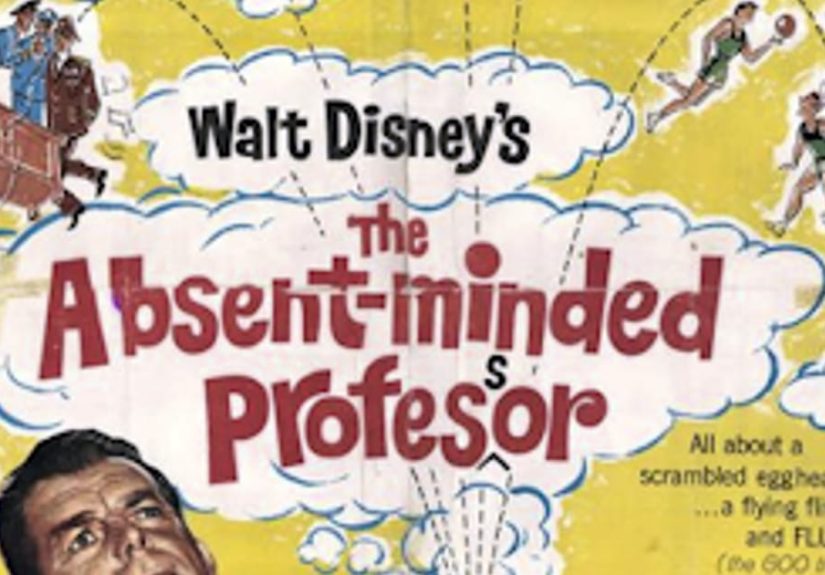
Some movies age like fine wine. Others age like a science experiment left in the garage overnight. The Absent-Minded Professor somehow does both. Released by Walt Disney Productions in 1961, this black-and-white family comedy gave the world Professor Ned Brainard, a flying Model T, a substance called Flubber, and possibly the most patient fiancée in American movie history. If you have ever forgotten your keys, missed a meeting, or walked into a room and immediately wondered why you were there, congratulations: you are emotionally qualified to understand this film.
But the real question is not simply whether The Absent-Minded Professor is charming. The better question is where it ranks among Disney live-action comedies, classic family sci-fi films, and the strange little subgenre of “genius invents something wild, then society immediately behaves badly.” This review-style guide explores The Absent-Minded Professor rankings and opinions with a mix of film analysis, fan perspective, historical context, and a little affectionate eyebrow-raising.
What Is The Absent-Minded Professor About?
The Absent-Minded Professor follows Professor Ned Brainard, played by Fred MacMurray, a brilliant but spectacularly forgetful chemistry professor at Medfield College. Brainard is engaged to Betsy Carlisle, played by Nancy Olson, but his commitment to science keeps sabotaging his commitment to showing up at the altar. Missing a wedding once is bad. Twice is alarming. Three times suggests the man should not be trusted with either romance or a calendar.
During one late-night experiment, Brainard accidentally creates a miraculous substance he names Flubber, short for “flying rubber.” The material has anti-gravity properties, bouncing objects into the air with cheerful disregard for physics, dignity, and local traffic laws. Brainard soon uses Flubber to make his Model T fly, improve Medfield College’s basketball team, and attract the attention of greedy businessman Alonzo Hawk, played with villainous gusto by Keenan Wynn.
The movie is part science-fiction fantasy, part slapstick comedy, part campus sports film, and part romance about a woman trying to marry a man whose brain is apparently powered by static electricity and unpaid lab bills. Directed by Robert Stevenson, the film became one of Disney’s most memorable live-action hits and helped define the studio’s formula for whimsical family comedies throughout the 1960s.
Overall Ranking: Is The Absent-Minded Professor Still Worth Watching?
On an overall classic-family-movie scale, The Absent-Minded Professor earns a strong place near the top of Disney’s early live-action catalog. It is not perfect, and modern viewers may notice dated pacing, old-fashioned gender dynamics, and special effects that now look delightfully handmade. Still, the movie has something many polished modern comedies struggle to capture: a clear comic identity.
Editorial Score: 8.2/10
This score reflects charm, originality, cultural importance, replay value, and family appeal. The film is light, silly, and often ridiculous, but it is rarely boring. Its best scenes still bounce, literally and figuratively. The flying car sequences remain iconic, the basketball game is pure Disney chaos, and Fred MacMurray gives Professor Brainard just enough warmth to keep him lovable, even when he behaves like a human appointment-canceling machine.
Among classic Disney live-action comedies, it ranks highly because it helped create the template later followed by movies such as Son of Flubber, The Computer Wore Tennis Shoes, and other Medfield College-style adventures. It is not as emotionally polished as Mary Poppins or as adventurous as some Disney classics, but as a goofy science comedy, it remains one of the studio’s most recognizable achievements.
Ranking the Best Elements of The Absent-Minded Professor
1. Flubber: The Movie’s Greatest Invention
Flubber is the star. Fred MacMurray may get top billing, but the bouncy greenish concept is what audiences remember. The genius of Flubber is that it is simple enough for children to understand and weird enough for adults to enjoy. It does not require a lecture about quantum mechanics. It just goes boing, and suddenly cars fly, basketball players leap like kangaroos in sneakers, and everyone involved looks either amazed or deeply concerned.
In terms of movie inventions, Flubber ranks high because it is instantly visual. Some sci-fi devices need explanation. Flubber needs only one bounce. That simplicity helped the film become memorable across generations and later inspired sequels and remakes.
2. Fred MacMurray as Professor Ned Brainard
MacMurray’s performance is essential. He plays Brainard as distracted but not cruel, brilliant but not arrogant, chaotic but not completely unhinged. That balance matters. In the wrong hands, Professor Brainard could seem unbearable. After all, this is a man who misses wedding ceremonies and then expects emotional forgiveness because his rubber learned how to fly.
MacMurray gives the character a soft, likable awkwardness. His Brainard is not trying to hurt people; he is simply tuned to a frequency that no one else can hear. His timing, facial expressions, and mild-mannered panic turn the professor into one of Disney’s great comic eccentrics.
3. The Flying Model T
The flying Model T is the movie’s postcard image. Before futuristic cars became sleek, metallic, and loaded with glowing dashboards, Disney gave viewers a rattling old vehicle floating through the sky like a garage sale item blessed by NASA. The contrast is wonderful. A Model T is already funny in a 1961 setting; making it airborne turns it into a visual punchline with wings.
The effects are obviously old by today’s standards, but that is part of the appeal. The movie has a practical, handcrafted charm. You can feel the ingenuity behind the illusion. Modern effects often ask viewers to admire scale; this film asks viewers to enjoy imagination.
4. The Basketball Scene
The Flubber-enhanced basketball game is one of the film’s funniest sequences. It is absurd, energetic, and exactly the sort of scene that makes children sit forward. The Medfield players bounce sky-high, the opposing team looks bewildered, and the rules of basketball quietly leave the building.
Is it fair? Absolutely not. Is it hilarious? Pretty much. The scene ranks near the top because it captures the film’s central pleasure: ordinary American life suddenly interrupted by cartoon physics.
5. Keenan Wynn as Alonzo Hawk
Every Disney comedy needs someone greedy enough to make the hero look responsible by comparison. Keenan Wynn’s Alonzo Hawk fills that role with booming confidence. Hawk is not a subtle villain, but subtlety would be out of place here. He is the kind of businessman who sees a miraculous discovery and immediately thinks, “How can I make this mine?”
Wynn’s performance adds momentum to the second half of the movie. Without Hawk, the story might drift into a string of floating-car gags. With him, the film gets a comic antagonist who gives Brainard’s invention stakes beyond personal embarrassment.
How The Absent-Minded Professor Ranks Among Disney Live-Action Comedies
When ranking early Disney live-action comedies, The Absent-Minded Professor belongs in the upper tier. It may not have the musical sophistication of Disney’s bigger productions, but it represents the studio’s family-comedy machine operating with confidence. The movie combines a recognizable setting, a lovable oddball, a magical scientific gimmick, sports comedy, romantic misunderstanding, and a villain who might as well have “bad idea incoming” printed on his business card.
A reasonable ranking of related Disney live-action Flubber-style entertainment would look like this:
- The Absent-Minded Professor (1961) – The original, the cleanest concept, and still the most charming.
- Son of Flubber (1963) – A fun sequel, but lighter and less surprising.
- Flubber (1997) – Energetic and colorful, with Robin Williams charm, but broader and less elegant.
- The Absent-Minded Professor TV remake (1988) – Interesting as a revival, but not as culturally sticky as the original.
The 1961 film wins because it feels fresh in its own world. Later versions had to compete with nostalgia, bigger effects, and changing audience expectations. The original simply introduces the idea and lets it bounce around the room until everyone gives in.
Critical Opinions: Why Reviewers Still Discuss It
Critics have often responded to the film’s inventive spirit. Many reviews highlight its playful absurdity, warm lead performance, and special effects. The movie received three Academy Award nominations, including recognition for black-and-white cinematography, art direction, and special effects. That matters because it shows the film was not merely a disposable children’s comedy. It was technically respected in its time.
Modern opinion is more mixed, but mostly positive. Viewers who enjoy classic Disney tend to praise its imagination, pacing, and family-friendly humor. Others find it dated, especially in its romantic setup. Betsy’s patience can seem superhuman, and Brainard’s behavior sometimes crosses from absent-minded into “sir, please write things down.” Still, most criticism comes with a wink. The movie’s innocence and silliness make it hard to dislike for long.
Fan Opinions: What Audiences Love Most
Fans usually remember three things: Flubber, the flying car, and the basketball game. That trio gives the movie its lasting identity. Even people who have not seen the film in years can often recall the professor’s invention and the image of a car floating through the air.
Older viewers tend to appreciate the nostalgia. For many, The Absent-Minded Professor belongs to a comfortable era of family movie watching, when a bizarre invention, a college setting, and a dog wandering through the scene could carry an entire evening. Younger viewers may need a little patience with the pacing and black-and-white presentation, but the core gags are still accessible. A flying car is a flying car. Cinema has changed, but gravity remains funny when ignored.
What Has Aged Well?
The film’s best-aged quality is its imagination. The concept of Flubber remains strong because it is not tied to a specific technology trend. It is pure fantasy science. The movie also benefits from practical comedy. People fall, bounce, chase, panic, and overreact. Physical humor travels well across decades.
The performances also hold up. Fred MacMurray, Nancy Olson, Keenan Wynn, Tommy Kirk, and Ed Wynn bring the kind of theatrical clarity common in studio-era family films. Characters are broad, but they are easy to understand. Nobody needs a complicated backstory to enjoy the fun.
What Feels Dated?
The romantic storyline is the most dated part. Betsy is repeatedly disappointed by Brainard, and the movie expects viewers to root for their reconciliation without asking too many questions. A modern version would probably give Betsy more agency, more dialogue, and possibly a very firm boundary involving laboratory hours.
The pacing also reflects its era. Some scenes stretch longer than contemporary family comedies would allow. The movie sometimes pauses to admire its own cleverness, like a magician waiting for applause after pulling a rabbit out of a hat and then explaining the rabbit’s college major.
Still, these dated elements do not ruin the experience. They simply place the movie in its historical moment. Watching it today requires the same mindset as visiting a vintage amusement park: enjoy the charm, notice the creaky machinery, and do not expect a modern roller coaster.
Why The Absent-Minded Professor Still Matters
The Absent-Minded Professor matters because it helped establish a durable Disney formula: ordinary institution plus eccentric genius plus impossible invention plus comic danger. Medfield College became a recurring kind of playground for Disney’s live-action imagination. The movie’s success showed that family audiences would respond to science-fiction comedy when it was presented with warmth rather than fear.
It also helped make the “absent-minded inventor” character type more visible in popular culture. Professor Brainard is not a mad scientist in the horror sense. He is a distracted dreamer whose invention creates mayhem. That distinction is important. The film suggests that imagination can disrupt the world, but it can also save the day if pointed in the right direction.
Best Scenes Ranked
1. The Flying Model T Over Washington
This is the signature image of the film. It combines patriotic scenery, impossible movement, and deadpan absurdity. A flying antique car is funny enough; flying it through a serious government environment makes the joke even better.
2. The Flubber Basketball Game
This scene remains a crowd-pleaser. It is silly, fast, and visually memorable. It also turns a sports underdog story into a physics emergency.
3. Brainard’s Discovery of Flubber
The invention scene works because it captures the thrill of accidental genius. Like many great movie discoveries, it starts with chaos and ends with the hero realizing he has changed everything.
4. Alonzo Hawk’s Attempts to Exploit the Invention
Hawk’s greed gives the movie a strong comic push. He is not terrifying, but he is exactly the right level of troublesome.
5. The Wedding Mishaps
These scenes are funny, though perhaps more stressful now than intended. They establish Brainard’s flaw quickly: brilliant with molecules, disastrous with appointments.
Who Should Watch The Absent-Minded Professor Today?
This movie is best for viewers who enjoy classic Disney, vintage family comedies, gentle sci-fi, and old-school special effects. It is also a smart pick for families introducing children to older films, especially if adults are ready to explain that movies once moved at a calmer pace and not every scene needed a superhero landing.
Film students may appreciate it as an example of Disney’s live-action strategy in the early 1960s. Fans of Fred MacMurray will find one of his most likable comic roles. Nostalgia lovers will get the full plate: black-and-white photography, campus comedy, slapstick villains, cheerful music, and a flying car that looks like it escaped from a county fair.
Personal Experience And Viewing Reflections
Watching The Absent-Minded Professor today feels a bit like opening a dusty cabinet and finding a toy that still works. It may squeak. It may not have batteries, Bluetooth, or a dramatic cinematic universe attached to it. But once it starts moving, the charm is hard to deny. The film has the cozy rhythm of a Saturday afternoon movie, the kind you put on when you want entertainment that does not demand emotional survival gear.
The first thing that stands out is how quickly the movie asks viewers to accept its nonsense. There is no overcomplicated explanation for Flubber. No dramatic speech about changing humanity. No giant chalkboard filled with equations designed to impress people who barely survived algebra. Brainard experiments, something explodes, and suddenly a new substance exists. The movie trusts the audience to understand the important part: it bounces. That confidence is refreshing.
The second experience is realizing how much of the humor depends on patience. Modern comedies often chase constant punchlines. The Absent-Minded Professor lets situations build. A character enters, reacts, misunderstands, chases, slips, or stares in disbelief. The comedy is physical and cumulative. You may not laugh every thirty seconds, but when the basketball players start launching into the air, the payoff feels earned.
Another interesting part of the viewing experience is the contrast between Brainard’s genius and his personal cluelessness. This is where the movie’s title really earns its paycheck. Brainard can invent a gravity-defying substance, but he cannot manage basic relationship maintenance. That contradiction is funny, but it also gives the movie its main emotional tension. Viewers may root for him while also wanting Betsy to hand him a planner, a wristwatch, and perhaps a strongly worded lecture.
The movie also has a specific kind of Disney optimism that feels almost antique now. It believes that invention can be wonderful, that institutions can be saved, that villains can be outsmarted, and that a ridiculous idea can become a community victory. Even when the plot becomes chaotic, the tone stays cheerful. There is no cynicism hiding under the lab coat. That makes the film comforting, especially for viewers tired of stories that treat every hero like a trauma documentary waiting to happen.
For family viewing, the experience depends on expectations. Children used to fast animation and modern effects may initially see the movie as slow or visually simple. But if they connect with the bouncing, flying, and slapstick, the film can still work. Adults may enjoy watching younger viewers react to the old effects. There is something sweet about seeing whether a practical flying-car gag can still compete with digital spectacle. Sometimes it can, because imagination does not expire.
From a ranking perspective, the film’s biggest strength is identity. Many family movies are pleasant but forgettable. The Absent-Minded Professor is not forgettable. It has Flubber. It has Medfield College. It has Fred MacMurray looking politely overwhelmed by his own genius. It has a basketball game that would cause every referee in America to retire early. Those details stick.
The best way to watch it is with a forgiving mood and a sense of humor about old Hollywood logic. Do not watch it expecting sleek realism. Watch it as a charming artifact from a time when Disney could build an entire comedy around a rubbery invention and a professor who desperately needed better time management. In that light, the movie remains a small classic: bouncy, odd, sincere, and still floating after all these years.
Conclusion: Final Opinion On The Absent-Minded Professor
The Absent-Minded Professor remains one of Disney’s most enjoyable early live-action comedies. Its blend of science-fiction whimsy, slapstick humor, family-friendly storytelling, and memorable invention gives it a durable appeal. While some parts feel dated, the film’s imagination still works. Flubber is a brilliant comic device, Fred MacMurray is wonderfully cast, and the flying Model T deserves its place in the museum of great movie absurdities.
In the final ranking, this film stands as a top-tier classic Disney comedy and one of the most memorable family sci-fi movies of its era. It may not be perfect, but it has bounce. In fact, it has enough bounce to clear a gymnasium, a government building, and several decades of changing audience taste.