Table of Contents >> Show >> Hide
- What Is a Hair Color Chart?
- Way 1: Read the Hair Color Level First
- Way 2: Decode the Tone, Undertone, Letters, and Numbers
- Way 3: Compare the Chart to Your Hair Goals and Real-Life Conditions
- Specific Examples: How to Read Common Hair Color Shades
- Common Mistakes When Reading a Hair Color Chart
- Quick Checklist Before Choosing a Hair Color
- Real-Life Experience: What Reading a Hair Color Chart Actually Teaches You
- Conclusion
Reading a hair color chart can feel like trying to decode a secret salon menu written by a very stylish mathematician. You see numbers, letters, dots, dashes, shade names like “mocha beige pearl blonde,” and suddenly your simple plan to go “a little lighter” becomes a full academic event.
The good news? A hair color chart is not as intimidating as it looks. Once you understand three simple thingslevel, tone, and realistic resultsyou can read most charts with confidence. Whether you are choosing box dye at home, comparing salon swatches, covering gray hair, or deciding between ash brown and golden brown, the chart is your map. It tells you how dark or light a shade is, what undertone it carries, and how close it may be to your current hair color.
This guide breaks down the process in a practical, beginner-friendly way. No salon dictionary required. No guessing based on pretty model photos that may have been lit by twelve professional studio lamps. Just clear, useful information you can actually use before you color your hair.
What Is a Hair Color Chart?
A hair color chart is a visual guide that organizes hair dye shades by depth and tone. In most professional and at-home hair color systems, shades are grouped by numbers from dark to light. The first number usually shows the hair color level, while the letters or numbers after it describe the tone or undertone.
Think of it like ordering coffee. The level tells you whether you are getting espresso, latte, or light cream. The tone tells you whether someone added caramel, mocha, cinnamon, or a cool splash of icy vanilla. Both details matter, because two shades can be the same level but look completely different on the hair.
For example, level 6 ash brown and level 6 golden brown are equally dark or light, but they do not create the same result. Ash brown looks cooler and more muted. Golden brown looks warmer, sunnier, and richer. That is why learning to read a chart helps you avoid the classic hair color surprise: “The box said brown, but my mirror says pumpkin spice emergency.”
Way 1: Read the Hair Color Level First
The first and easiest way to understand a hair color chart is to look at the level. Hair color levels describe how light or dark a color is. Most charts use a scale from 1 to 10, although some professional blonde lines may go higher.
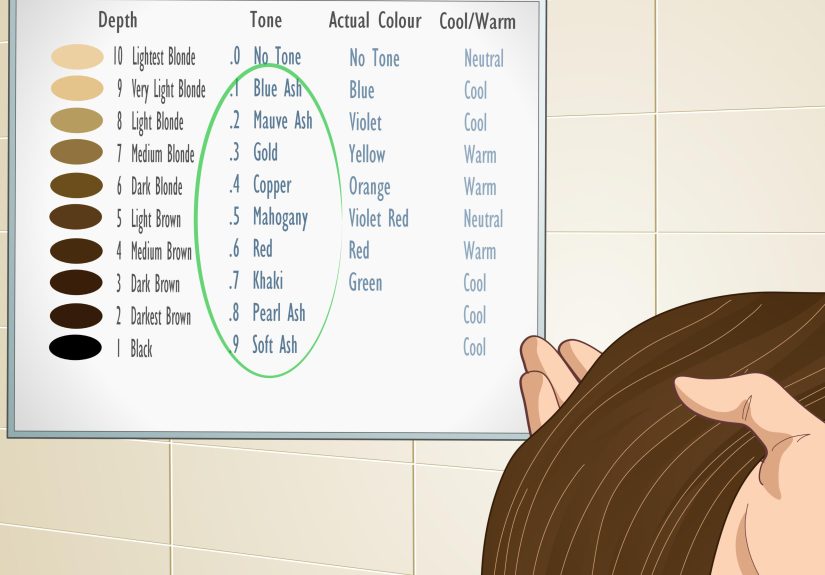
Hair Color Levels 1–10 Explained
Here is the basic level system most color charts follow:
- Level 1: Black
- Level 2: Very dark brown or soft black
- Level 3: Dark brown
- Level 4: Medium brown
- Level 5: Light brown
- Level 6: Dark blonde
- Level 7: Medium blonde
- Level 8: Blonde
- Level 9: Light blonde
- Level 10: Very light blonde or lightest blonde
The lower the number, the darker the color. The higher the number, the lighter the color. Simple enough, right? This is the foundation of every good hair color decision.
Why Level Matters So Much
Your natural or current level affects what a dye can realistically do. If your hair is level 3 dark brown and you want level 9 light blonde, that is not usually a quick one-box transformation. Going dramatically lighter often requires lightening, toning, and sometimes more than one salon session. Hair is not a magic curtain you can simply repaint from espresso to champagne in thirty minutes without consequences.
On the other hand, going darker is usually more straightforward. If you are a level 8 blonde and want a level 5 brown, the chart helps you choose how dark you want to go and what undertone will make the result look natural. Still, even darkening hair can require care, especially if your hair is porous, highlighted, or previously bleached.
How to Find Your Current Level
To find your current level, compare your hair to the chart in natural daylight. Avoid judging your color under yellow bathroom lighting, neon store lighting, or the suspicious glow of your phone screen at 1 a.m. Natural light gives you the most honest view.
Look at the mid-lengths and ends, not just the roots. Your roots may be darker, your ends may be lighter, and old color may create uneven tones. If you have highlights, choose the level that represents most of your hair. When in doubt, go slightly darker in your estimate. Many people think their hair is lighter than it really is, which can lead to choosing a shade that will not show up the way they expect.
Way 2: Decode the Tone, Undertone, Letters, and Numbers
Once you know the level, the next step is reading the tone. Tone describes the color character of the shadewarm, cool, neutral, golden, copper, ash, violet, beige, red, or mahogany. This is where hair color charts get interesting, because tone can completely change the final look.
Warm, Cool, and Neutral Tones
Most hair colors fall into three tone families:
- Warm tones: Gold, copper, red, auburn, caramel, chestnut, and honey shades.
- Cool tones: Ash, blue-violet, pearl, silver, smoky, and cool beige shades.
- Neutral tones: Balanced shades that are not strongly warm or cool.
Warm tones add brightness and richness. They can make hair look glowing, sun-kissed, or spicy in the best way. Cool tones soften orange or yellow warmth and create a more muted, smoky, or refined result. Neutral tones sit in the middle and are often useful when you want a natural-looking shade without a strong undertone.
What Do Hair Color Numbers Mean?
Many hair color brands use a number before and after a dot, slash, or dash. The first number usually tells you the level. The numbers or letters after the separator describe the tone.
For example, a shade labeled 6.1 usually means level 6 with an ash tone. A shade labeled 7G often means level 7 golden blonde. A shade labeled 5N generally means level 5 neutral brown. Different brands may use slightly different coding systems, so always check the brand’s own chart before choosing.
Here are common tone codes you may see:
- N: Natural or neutral
- A: Ash or cool
- G: Gold
- C: Copper
- R: Red
- V: Violet
- B: Beige, brown, or blue depending on the brand
- M: Mahogany or mocha depending on the brand
This is why brand-specific charts matter. One company’s “B” may mean beige, while another may use it for brown or blue-based tones. The chart is not being difficult on purpose; it just has a tiny personality problem.
Primary and Secondary Tones
Some colors have more than one tone. If a shade is labeled 7.13, the first tone after the decimal may be the main tone, while the second tone adds a softer secondary effect. This means the color is not just one flat shade; it has dimension.
For example, a level 7 shade with ash and gold influences may appear beige blonde. A level 5 shade with red and violet tones may look like rich mahogany brown. These combinations explain why two shades with nearly identical names can look different once applied.
Using Tone to Correct Unwanted Color
Tone is also used to balance unwanted warmth. If hair turns too orange, a cool ash or blue-based tone may help soften it. If blonde hair looks too yellow, violet-based toning is often used to reduce that yellow appearance. If brown hair looks too flat or dull, a warm golden or chestnut tone may bring it back to life.
This does not mean you should throw ash dye on every hair color problem and hope for the best. Hair color correction depends on level, porosity, previous dye, and the exact unwanted tone. But understanding the chart gives you a much better starting point.
Way 3: Compare the Chart to Your Hair Goals and Real-Life Conditions
The third way to read a hair color chart is to compare the shade to your actual hair, not just your dream hair. A color chart shows possibilities, but your current hair condition decides the route. The best shade is not simply the prettiest swatch; it is the prettiest swatch that your hair can reasonably achieve.
Consider Your Starting Color
Your starting color is the boss of the process. If your hair is naturally dark, a lighter dye may not create a blonde result without bleach or professional lightening. Permanent hair color can often shift natural hair a little lighter, but it generally cannot lift previously dyed hair lighter in a predictable way. This is one of the most important rules in hair color: color does not reliably lift color.
For example, if your hair was dyed dark brown last month and you apply a light ash blonde box dye, you probably will not get ash blonde. You may get warm roots, muddy ends, or a shade best described as “I need a hat.” A hair color chart helps you choose, but it cannot override chemistry.
Think About Gray Coverage
If you are covering gray hair, pay close attention to neutral or natural shades. Gray hair can be resistant, wiry, or less willing to absorb color evenly. Many professional formulas include neutral shades for better gray coverage, especially when gray is more than a small percentage of the hair.
If you want a fashion tone like copper, red, or ash brown and you also need strong gray coverage, a stylist may mix that target shade with a natural shade at the same level. This helps the result look richer and more even. At home, choosing a shade specifically labeled for gray coverage can make a big difference.
Match the Shade to Your Skin Undertone
Hair color charts are easier to read when you know whether you prefer warm, cool, or neutral colors near your face. People with warm undertones often look great in golden blonde, caramel brown, copper, honey, or chestnut shades. People with cool undertones may prefer ash blonde, cool brown, espresso, burgundy, or pearl tones. Neutral undertones can usually wear a wider range, which is frankly unfair but convenient.
That said, these are guidelines, not strict laws. Personal style matters. If you love copper hair and it makes you feel like the main character in a cozy autumn movie, that confidence counts. The chart is a tool, not a courtroom judge.
Check the Maintenance Level
Before choosing a color, ask yourself how much maintenance you want. A dramatic shift from dark brown to pale blonde requires more upkeep than moving one or two levels away from your natural shade. Red tones can look gorgeous but may fade faster than more neutral browns. Ash blondes may need toning products to stay cool. Very dark shades can create obvious regrowth if your natural hair is much lighter.
A hair color chart helps you choose the look, but maintenance decides whether you will still love it four weeks later. If you want low-maintenance color, stay close to your natural level and choose soft, blended tones.
Specific Examples: How to Read Common Hair Color Shades
Example 1: 5N Light Brown
A shade labeled 5N usually means level 5 natural or neutral brown. It is a balanced light brown without strong red, gold, or ash tones. This is a good choice for someone who wants a classic brunette result or needs reliable gray blending.
Example 2: 6A Dark Ash Blonde
A shade labeled 6A usually means level 6 ash tone. Even though the word “blonde” appears in the name, level 6 often looks like a soft light brown or dark blonde in real life. The ash tone makes it cooler and less golden.
Example 3: 7G Medium Golden Blonde
A shade labeled 7G means level 7 with a golden tone. It will look warmer, sunnier, and more radiant than an ash shade at the same level. This can be beautiful for adding brightness, but it may not be the best choice if your hair already pulls very orange.
Example 4: 4R Medium Reddish Brown
A shade labeled 4R means level 4 with a red tone. This creates a deep brunette shade with visible red warmth. It can look rich and dramatic, especially in sunlight, but red tones require thoughtful upkeep because they may fade or shift over time.
Common Mistakes When Reading a Hair Color Chart
Choosing by the Model Photo Only
The model photo on a box or website can be helpful, but it is not a guarantee. Lighting, starting color, hair texture, and editing can all affect how the shade appears. Always read the level and tone instead of choosing only by the photo.
Ignoring Your Current Hair History
Previously dyed hair behaves differently from natural hair. Bleached ends, old permanent color, henna, highlights, and color buildup can all change the final result. If your hair has a complicated history, a professional consultation is worth it.
Going Too Light Too Fast
Many color mishaps happen when someone tries to jump too many levels at once. If you want a major transformation, especially from dark to blonde, plan it gradually. Your hair will thank you by not staging a rebellion.
Forgetting About Undertones
Two colors at the same level can look completely different because of undertone. If you want a soft, natural brunette, do not accidentally choose a strong red-brown. If you want icy blonde, do not pick golden blonde and then act surprised when it looks warm. Tone matters.
Quick Checklist Before Choosing a Hair Color
- Find your current level in natural light.
- Choose your target level realistically.
- Read the tone code carefully.
- Check whether the shade is warm, cool, or neutral.
- Consider gray coverage if needed.
- Think about maintenance and root grow-out.
- Do a strand test when coloring at home.
- Ask a professional for big color changes or correction work.
Real-Life Experience: What Reading a Hair Color Chart Actually Teaches You
One of the biggest lessons from using hair color charts is that hair color names are often more poetic than precise. “Iced latte brunette” sounds delicious, but the chart tells you what you are really getting. Is it level 5 or level 7? Is the tone ash, beige, gold, or mocha? That information matters more than the pretty name.
Many people learn this the first time they choose a box dye based on the front photo. The shade looks soft and dimensional on the model, but the result at home comes out darker, warmer, or flatter. Usually, the problem is not that the chart lied. The problem is that the starting hair color was different from the model’s starting color. A level 8 dye on level 5 hair will not look the same as level 8 dye on level 7 hair. Charts work best when you compare honestly.
Another useful experience is realizing that “blonde” does not always mean bright blonde. In the level system, dark blonde can look quite close to light brown, especially indoors. Someone who imagines beachy blonde may be disappointed with level 6 dark blonde, while someone who wants a soft brunette may find it perfect. This is why level numbers are more reliable than shade names.
Reading charts also teaches patience. If your goal is a cool beige blonde but your hair naturally pulls orange, you may need lightening and toning in stages. If your dream is rich copper, you may need to think about fading and color-safe care. If you want to cover gray, you may need a neutral base instead of choosing the trendiest fashion shade on the shelf.
One practical trick is to compare three shades before making a decision: your current level, your realistic target level, and the tone you want. For example, if your hair is level 5 brown and you want a warmer result without a huge change, level 5 golden brown or level 6 caramel brown may be more realistic than level 8 honey blonde. If your hair is level 7 and too yellow, a level 7 ash or beige blonde may help create a softer finish without making the hair dramatically darker.
Another experience-based tip: when choosing between two shades, the safer option is often the slightly lighter or more neutral-looking one, especially for at-home color. Hair dye can sometimes process darker than expected, particularly on porous ends. Neutral shades are also more forgiving than intense ash, red, or violet tones. This does not mean bold colors are bad. It simply means they require more intention.
Finally, a hair color chart becomes much easier when you stop treating it like a promise and start treating it like a guide. It shows the color family, depth, and tone direction. Your hair’s history, texture, porosity, and current level still influence the outcome. When you understand that partnership, choosing hair color becomes less stressful and much more fun.
Conclusion
Learning how to read a hair color chart is one of the easiest ways to make smarter color choices. Start with the level to understand how light or dark a shade is. Then decode the tone to see whether the color is warm, cool, neutral, golden, ash, copper, red, or beige. Finally, compare the chart to your real hair condition, current color, gray coverage needs, and maintenance comfort level.
The best hair color is not always the most dramatic shade on the chart. It is the shade that works with your starting point, flatters your features, fits your lifestyle, and does not require a monthly emotional support appointment with your bathroom mirror. Once you understand levels and tones, the chart stops looking like a mystery and starts looking like exactly what it is: a helpful guide to better hair color decisions.
Note: This article is for general hair color education. For major lightening, color correction, damaged hair, or complex gray coverage, a licensed colorist can help you get a safer and more predictable result.