Table of Contents >> Show >> Hide
- Why gasoline smell sticks to your hands
- Before you try any home remedy, do this first
- 1. Dish Soap and Warm Water
- 2. Baking Soda Paste
- 3. Lemon Juice
- 4. White Vinegar
- Which method works best?
- Mistakes to avoid
- How long does gasoline smell last on hands?
- What to do after the smell is gone
- How to prevent gasoline smell next time
- When gasoline smell on your hands is more than a smell
- Conclusion
- Extra Experiences: What This Feels Like in Real Life
Note: This article is for minor gasoline odor on intact skin after brief contact. If gasoline soaked your skin or clothes, splashed into your eyes, or caused dizziness, nausea, trouble breathing, burning, or a rash, call Poison Control or get medical help right away.
You know the smell. You pump gas, top off the lawn mower, wrestle with a generator, or pour fuel into a stubborn little can that somehow leaks even when it looks innocent. Five minutes later, your hands smell like you just shook hands with a gas station. Regular hand soap gives it a polite try, but the odor clings on like it pays rent.
The good news is that getting gasoline smell off your hands is usually pretty simple. The better news is that you do not need to scrub your skin like you are sanding a deck. The smartest approach is to start with what actually removes fuel residue, then use a gentle odor-fighting helper only if the smell hangs around.
In this guide, you will learn why gasoline odor sticks so stubbornly, the safest first step, and four practical ways to remove that fuel smell from your hands without turning your skin into dry, irritated paper. We will also cover what mistakes to avoid, when to worry about real gasoline exposure, and how to prevent the smell next time.
Why gasoline smell sticks to your hands
Gasoline is made of oily chemical compounds called hydrocarbons. That is part of the reason the smell is so strong and why it likes to hang around on your skin. When gasoline touches your hands, it does two annoying things at once: it leaves an odor and it strips away some of your skin’s natural oils. That means your hands can end up smelling bad and feeling dry, tight, or irritated.
Think of it this way: gasoline is not just a smell sitting on top of your skin like perfume. It is more like greasy residue with attitude. If you only try to cover up the odor, your hands may still smell like fuel an hour later. That is why the best remedies focus on breaking up the residue first, then neutralizing or lifting whatever smell remains.
Before you try any home remedy, do this first
Before using any deodorizing trick, wash your hands thoroughly with soap and water. This is the non-negotiable first move. If you wear rings, take them off. Fuel can hide underneath them, and nothing is more annoying than “clean” hands that still smell like gasoline because your wedding ring is holding a secret reserve.
Use warm water rather than very hot water. Warm water helps with comfort and cleanup, but scalding hot water can dry out your skin even more. Lather well, wash between your fingers, around your nails, and across the backs of your hands, then rinse thoroughly. If the smell is still there, move on to one of the methods below.
1. Dish Soap and Warm Water
Why it works
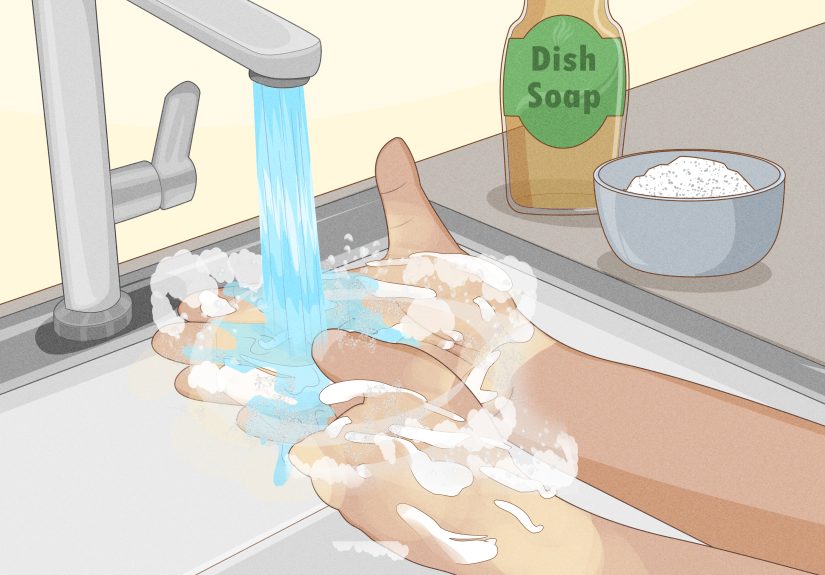
If you only try one method, make it this one. Dish soap is designed to cut grease and oil, which is exactly what gasoline behaves like on your skin. In other words, it does not just make your hands smell more “clean”; it helps break up the actual residue causing the odor.
How to do it
- Wet your hands with warm water.
- Add a small amount of dish soap.
- Rub your palms, fingers, fingertips, and backs of hands thoroughly.
- Pay extra attention to cuticles, knuckles, and under nails.
- Rinse well and repeat once if needed.
- Dry your hands completely with a clean towel.
Best for
Fresh gasoline odor, oily residue, and quick cleanup right after pumping gas or handling fuel cans.
Pro tip
If you have sensitive skin, follow up with a fragrance-free hand cream or ointment. Dish soap is effective, but it is not exactly famous for being spa treatment material.
2. Baking Soda Paste
Why it works
Baking soda is a classic odor absorber. It also has a mild scrubbing texture, which can help lift stubborn residue that survived the first wash. This makes it a good second step when your hands are clean but still smell like you just lost an argument with a gas nozzle.
How to do it
- Start with damp hands.
- Sprinkle a small amount of baking soda into your palms.
- Add a few drops of water to form a loose paste.
- Rub gently over your hands for 20 to 30 seconds.
- Rinse thoroughly with warm water.
- Wash once more with mild soap if any residue remains.
Best for
Lingering gasoline smell after you have already washed with soap and water.
Use caution
Do not scrub hard. More force does not equal more science. If your skin is cracked, irritated, or freshly nicked, skip this method or keep it very gentle.
3. Lemon Juice
Why it works
Lemon juice contains citric acid, which can help cut stubborn odors and leave hands smelling fresher. It is one of those kitchen fixes people reach for because it is simple, cheap, and already sitting in the fridge pretending to be useful.
How to do it
- Wash your hands with soap and water first.
- Squeeze a small amount of lemon juice into your palms.
- Rub it gently over your hands for several seconds.
- Rinse well with water.
- Wash once more with mild soap if desired, then moisturize.
Best for
Mild to moderate lingering odor when you want a quick deodorizing finish after the main wash.
Use caution
Do not use lemon juice on cuts, cracked skin, or irritated hands unless you enjoy the sensation of tiny flaming violins. It can sting. If your skin is dry or sensitive, choose baking soda or just repeat the dish soap method instead.
4. White Vinegar
Why it works
White vinegar is another pantry staple that can help tackle strong smells. It is often used for odor control around the house, and a small amount can help take the edge off gasoline odor on clean hands.
How to do it
- After washing your hands with soap and water, pour a small splash of white vinegar onto your palms.
- Rub your hands together briefly.
- Rinse thoroughly with water.
- Wash again with mild soap if the vinegar smell bothers you.
- Apply moisturizer once your hands are dry.
Best for
Persistent odor that survives a standard wash and needs a deodorizing backup plan.
Use caution
Like lemon juice, vinegar can irritate already damaged skin. Use a small amount, rinse well, and skip it entirely if your hands are red, cracked, or sensitive.
Which method works best?
For most people, the best method is not mysterious at all: dish soap and warm water. That is your first-line fix because it removes the oily gasoline residue instead of just masking the smell. If the odor lingers, the most useful follow-up is usually baking soda. Lemon juice and white vinegar can also help, but they are better treated as optional finishing moves rather than the main event.
If you are deciding what to try based on what is sitting in your kitchen right now, here is the easy version:
- Best overall: dish soap and warm water
- Best second step: baking soda paste
- Best quick deodorizer: lemon juice
- Best pantry backup: white vinegar
Mistakes to avoid
Do not skip the soap-and-water step
If you go straight to lemon juice or vinegar without first removing the fuel residue, you are trying to deodorize an oily mess instead of actually cleaning it. That is like spraying air freshener in a car with a gym bag in the trunk and hoping for character growth.
Do not use harsh cleaners on your skin
Bleach, strong degreasers, paint thinner, or other aggressive chemicals do not belong on your hands. Gasoline already strips the skin barrier. Piling another irritant on top is a terrible trade.
Do not scrub until your hands are raw
Gentle and thorough beats intense and dramatic. Over-scrubbing can leave your skin dry, red, and more uncomfortable than the original smell.
Do not ignore skin irritation
If your hands become red, swollen, painful, or blistered, stop experimenting with home remedies. At that point, the issue is not just odor. Your skin may be reacting to the exposure.
How long does gasoline smell last on hands?
That depends on how much gasoline touched your skin, how long it sat there, and whether you washed promptly. A small amount from routine pumping may come off quickly. A splash from filling equipment, handling a leaking can, or cleaning fuel off a part can linger longer because more residue soaked into the oils on your skin.
In many cases, one or two good washes plus a deodorizing helper are enough. If your hands still smell strongly after repeated careful washing, inspect your clothing, watchband, rings, or sleeves. Sometimes the smell is coming from something else that touched the fuel and keeps re-contaminating your hands.
What to do after the smell is gone
Once the odor is gone, your skin may still need a little peace treaty. Gasoline and repeated washing can leave hands dry. Apply a fragrance-free cream, ointment, or barrier-style moisturizer after your hands are dry or slightly damp. This helps reduce tightness, flaking, and irritation.
If you already have sensitive skin, eczema, or a history of contact dermatitis, this matters even more. Your goal is not just odor removal. It is odor removal without turning your hands into a cracked winter map.
How to prevent gasoline smell next time
- Wear disposable nitrile gloves when filling lawn tools, generators, or fuel containers.
- Use a funnel that actually fits instead of trusting gravity and optimism.
- Wipe drips off containers and nozzles immediately.
- Remove rings before handling fuel.
- Keep dish soap or hand-cleaning supplies nearby if you work in a garage or shop.
- Wash exposed skin promptly instead of waiting for the smell to “wear off.”
When gasoline smell on your hands is more than a smell
Most minor gasoline odor on the hands is a cleanup issue, not an emergency. But there are times when the smell is a clue that you need more than a home remedy. Get help if you have:
- Eye exposure
- Large-area skin exposure
- Burning, blistering, or a spreading rash
- Dizziness, headache, nausea, or trouble breathing
- Gasoline-soaked clothing that stayed against your skin
- Any exposure in a child that seems significant or concerning
In those cases, this is not a “try lemon juice and see what happens” moment. Get expert guidance.
Conclusion
If you want to get the smell of gasoline off your hands, the smartest fix is also the least glamorous: wash first with dish soap and warm water. That is the step that actually removes the residue. If the odor sticks around, baking soda, lemon juice, or white vinegar can help as follow-up options, as long as your skin is intact and you rinse well afterward.
The real secret is not some magical internet trick. It is using the right order: clean, deodorize if needed, then moisturize. Do that, and your hands can stop smelling like a pit stop and start smelling like absolutely nothing at all, which is honestly one of life’s underrated luxuries.
Extra Experiences: What This Feels Like in Real Life
If you have ever gotten gasoline on your hands, you already know the weird part is not always the spill itself. It is the moment later when you are inside, you reach for your phone, a coffee mug, or the steering wheel, and there it is again: that sharp fuel smell reminding you that your hands are still carrying the memory of the gas can. A lot of people notice that regular hand soap makes their hands look clean, but the odor lingers just enough to be annoying. It is one of those smells that seems to live in your fingertips.
A common experience happens at the pump. You finish filling the tank, grab the nozzle, and maybe brush against a damp handle or drip near the cap. It does not feel like much, but ten minutes later your hands smell like you moonlight as a race car mechanic. In that situation, dish soap usually works best because the contact was fresh and light. People often find that one thorough wash removes most of the smell, while a second wash gets rid of the last stubborn trace.
Another very relatable scenario is filling lawn equipment. This is where the gasoline smell tends to get worse. A mower, trimmer, leaf blower, or generator often means small openings, awkward angles, and at least one tiny betrayal by a funnel. The spill may be minor, but the fuel sits on your skin longer because you are still trying to finish the job. In these cases, people often say the smell hangs on after the first wash, especially around the nails and knuckles. That is where baking soda as a second step can make a noticeable difference.
There is also the “mystery smell” experience. You wash your hands several times and still catch a whiff of gasoline, only to discover the real culprit is your ring, watchband, sleeve cuff, or the outside of the fuel can. It can feel like the odor is haunting you when really it is just reappearing from something nearby. Many people solve the problem only after wiping down the item they touched, changing clothes, or removing jewelry before washing again.
Some people try lemon juice because they want their hands to smell fresh fast. And yes, it can help, especially when the odor is faint but persistent. The experience tends to be good when the skin is intact and not overly dry. On the other hand, if your hands are already chapped from weather, work, or repeated washing, lemon juice can make you regret your choices immediately. Vinegar can be the same story: helpful for odor, less helpful for comfort if your skin is already irritated.
One thing many people do not expect is how dry their hands can feel after gasoline exposure. Even after the smell is gone, the skin may feel tight, dull, or rough. That is why moisturizer matters more than most people think. The best outcome is not just “my hands do not smell like gas anymore.” It is “my hands do not smell like gas and also do not feel like cardboard.”
The overall pattern is pretty consistent. People get the best results when they act quickly, wash thoroughly, use a gentle deodorizing follow-up only if necessary, and finish with a good hand cream. In real life, that simple routine works better than dramatic scrubbing, random chemical experiments, or hoping the smell will just magically disappear while you pretend not to notice it during dinner.