Table of Contents >> Show >> Hide
- Before You Start: Set Yourself Up for Success
- Way #1: The Drip Method for Fresh, Creepy Realism
- Way #2: The Splatter Method for Chaos and Impact
- Way #3: The Smear Method for Handprints, Drag Marks, and Panic Energy
- Way #4: The Sponge-and-Layer Method for Dried or Aged Blood
- How to Make the Fake Blood Look More Realistic
- Common Mistakes to Avoid
- Washable vs. Permanent: Pick Your Blood Commitment Level
- Final Thoughts
- Experiences and Lessons Learned From Making a Bloody Shirt
- SEO Tags
If you have ever looked at a plain shirt and thought, “This would really shine with a little tasteful fake trauma,” congratulations: you are either planning a Halloween costume, a theater effect, a haunted-house outfit, or a very dramatic short film. Whatever the reason, putting fake blood on a shirt is one of those DIY jobs that sounds ridiculously simple until you actually do it. Then suddenly the shirt looks less like “final girl survivor” and more like “someone dropped spaghetti sauce while running.”
The secret is not just the fake blood itself. It is how you apply it. A good bloody shirt has placement, texture, direction, and a little storytelling. Was the character splattered? Grabbed? Stabbed? Bitten? Crawled dramatically through a horror movie hallway? The best results come from matching the stain pattern to the scene you are trying to create.
In this guide, you will learn four easy ways to put fake blood on a shirt, plus tips to make the effect look more realistic, less random, and way more convincing in photos. I will also cover what to do if you want the shirt to be temporary, semi-permanent, or “this shirt now belongs to the undead forever.”
Before You Start: Set Yourself Up for Success
Before you start flinging red liquid like a low-budget special effects genius, do a little prep work. It will save you from ruining the back of the shirt, the kitchen table, and possibly your mood.
Choose the right shirt
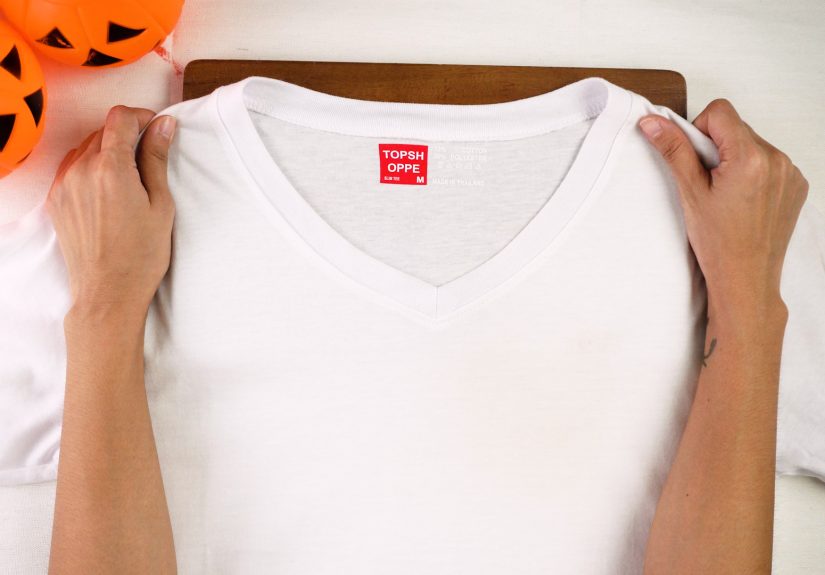
White, off-white, pale gray, and light beige shirts usually give the strongest fake blood effect. The contrast makes every drip, smear, and splatter stand out. Dark shirts can still work, but the blood often needs to be thicker, darker, or more layered to show up well.
Decide whether you want washable or permanent results
If this is for a one-night costume, use a washable fake blood or a homemade mix that is easier to rinse out later. If you want a long-lasting prop shirt, use fabric paint, fabric ink, or a blood effect product intended to stay put. Translation: decide now whether this shirt has a future or a funeral.
Protect the shirt and your workspace
Slide a piece of cardboard, plastic, or wax paper inside the shirt before applying anything. This keeps the fake blood from soaking through to the other side and turning your front-only design into a surprise back print. Cover your work area with a trash bag, old towel, or plastic tablecloth.
Gather basic tools
- Fake blood or blood-colored fabric paint
- Small bowl or cup
- Paintbrush
- Sponge or paper towel
- Old toothbrush or stiff brush
- Squeeze bottle or spoon
- Spray bottle, if you want misted splatter
- Gloves, unless you want your hands to look suspicious for the rest of the afternoon
Way #1: The Drip Method for Fresh, Creepy Realism
If you want the shirt to look like the blood is still moving, the drip method is your best friend. This technique works especially well for zombie costumes, horror cosplay, and any design where gravity should be part of the story.
How to do it
- Lay the shirt flat or place it on a hanger if you want natural downward movement.
- Pour fake blood into a squeeze bottle, spoon, or cup with a narrow lip.
- Start near the collar, shoulder, chest, or “injury point.”
- Let small amounts fall and run downward on their own.
- Tilt the shirt slightly if you want longer trails or angled drips.
- Add a few thicker drops at the top so the effect looks intentional.
This method looks best when you resist the urge to overdo it. A few long drips usually look more realistic than turning the entire front into a red waterfall. Realistic fake blood placement often has a source point, some heavier buildup, and then thinner trails as the liquid runs down the fabric.
Best use cases
This is ideal for vampire bites, chest wounds, neck injuries, or any costume where the blood would naturally flow downward. It also photographs beautifully because the vertical lines add drama and movement.
Pro tip
Mix two shades if possible: a brighter red for fresher-looking drips and a darker red-brown for depth. Layering colors keeps the shirt from looking flat or cartoonish. Fake blood is not ketchup, and your costume deserves better.
Way #2: The Splatter Method for Chaos and Impact
The splatter method is perfect when you want the shirt to look like the wearer was near the action rather than directly bleeding from one neat little spot. This effect feels messy, energetic, and slightly unhinged in the best possible way.
How to do it
- Dip an old toothbrush or stiff paintbrush into fake blood.
- Hold it a few inches above the shirt.
- Use your finger to flick the bristles so small droplets spray outward.
- Repeat in controlled passes rather than soaking one area all at once.
- For larger droplets, tap a loaded brush against another tool or your gloved hand.
You can also use a spray bottle or gently shake a squeeze bottle for a broader spatter effect. The key word here is controlled. Good splatter is irregular, but it is not random. Concentrate most of the droplets in one zone and let the pattern fade outward naturally.
Best use cases
This works well for slasher costumes, haunted-house actors, “crime scene survivor” looks, butcher aprons, and distressed horror props. It is especially effective on sleeves and upper chest areas, where splatter tends to look cinematic.
Pro tip
Practice on paper towels or scrap fabric first. Splatter technique is one of those things that goes from “amazing” to “why is the ceiling involved?” in about two seconds.
Way #3: The Smear Method for Handprints, Drag Marks, and Panic Energy
If you want your shirt to tell a story, the smear method is where the fun begins. Smears look human. They suggest contact. They imply struggle. And they are wonderfully forgiving, which is great news if precision is not your love language.
How to do it
- Apply fake blood directly to your gloved fingers, palm, sponge, or folded paper towel.
- Press and drag across the shirt in short or long motions.
- Vary the pressure so some sections look heavier and others look streaky.
- Add one or two partial handprints if that fits the costume concept.
- Layer a darker tone in the center of the smear for depth.
This method looks especially convincing when the motion feels natural. A hand dragged across the ribs, a palm print on the shoulder, or smeared fingertips near the hem can suggest that the wearer tried to stop bleeding, was grabbed, or stumbled through a bad decision.
Best use cases
Use this technique for zombie attack costumes, haunted asylum outfits, ripped survivor shirts, or theatrical pieces where the wearer has clearly had an exhausting day. In horror terms, this is what we call “character development.”
Pro tip
Do not place handprints in perfect symmetry unless you are deliberately going for a stylized effect. Realistic smears usually land unevenly and with different pressure. A little imperfection makes the shirt look far more believable.
Way #4: The Sponge-and-Layer Method for Dried or Aged Blood
Not every bloody shirt should look wet and fresh. Sometimes you want the stain to look older, darker, and worked into the fabric. That is where the sponge-and-layer method comes in.
How to do it
- Pour a dark red or reddish-brown fake blood mixture into a bowl.
- Dip a sponge lightly into the mixture.
- Blot the shirt instead of brushing it.
- Build the stain gradually in uneven layers.
- Let one layer dry a bit, then add another darker layer in the center.
- Finish with a few small fresh-looking drips if you want contrast.
Blotting creates a more fabric-soaked appearance, which is great for old wounds, dried stains, and clothing that is supposed to look worn over time. This technique also helps if you want a grittier movie-style finish rather than a glossy Halloween-store look.
Best use cases
This method works beautifully for apocalypse costumes, old hospital gowns, ghostly historical outfits, and distressed uniforms. It is also useful when you want fake blood on a shirt without the shine of a syrupy wet finish.
Pro tip
Add small patches of thinned brown or burgundy around the edges of the main stain. Fresh blood is bright, but older stains usually darken and mute over time. That little color variation makes a huge difference.
How to Make the Fake Blood Look More Realistic
No matter which method you use, realism comes down to restraint and placement. Here are a few easy ways to improve the final result:
- Think about gravity: Drips usually move downward unless the fabric was twisted or the body was angled.
- Create a source point: Most convincing blood effects begin with one heavier area and spread from there.
- Mix textures: Combine wet-looking drips, fine splatter, and darker blotted patches for depth.
- Work in layers: One solid red patch can look flat. Layering adds dimension.
- Use less than you think: The eye fills in a lot. Too much fake blood can make the shirt look theatrical in the wrong way.
Also remember that ripped fabric, dirt smudges, and wrinkling can make the blood effect more believable. A perfectly pressed shirt covered in blood can work for certain concepts, but in many cases a little distressing helps sell the illusion.
Common Mistakes to Avoid
Even the best costume idea can go off the rails if the execution is sloppy. Here are the mistakes most people make:
- Applying too much too fast: This often turns into a giant red blob.
- Forgetting the barrier inside the shirt: Then the back gets stained too.
- Using only one color: Realistic effects usually need some variation.
- Ignoring fabric type: Cotton, polyester, satin, and blends all absorb differently.
- Skipping a test spot: The shirt may react differently than expected.
- Drying or heat-setting too soon: Make sure you are happy with the pattern first.
Washable vs. Permanent: Pick Your Blood Commitment Level
Some people want a shirt they can wash and wear again. Others are creating a permanent costume prop and are fully prepared to dedicate that shirt to the spooky arts. Both are valid life choices.
If you want it washable
Choose a washable or water-based fake blood and avoid over-saturating the fabric. Keep cleanup in mind from the beginning. After use, rinse the shirt in cold water, pretreat if needed, and do not toss it into high heat until you know the stain is gone. Hot water and heat can make cleanup much harder.
If you want it semi-permanent or permanent
Use fabric paint, fabric ink, or a product designed to cure on fabric. Apply in layers, let each layer dry thoroughly, and follow the product instructions for curing or heat-setting if required. This is the best route for stage costumes, haunted attractions, themed photo shoots, or a shirt you want to reuse all season.
Final Thoughts
The best way to put fake blood on a shirt depends on the story you want the shirt to tell. For fresh, flowing drama, use the drip method. For impact and chaos, go with splatter. For contact and struggle, use smears. For old, soaked-in horror, sponge and layer your way to greatness.
You do not need expensive movie effects to make a bloody shirt look convincing. You just need a plan, a little patience, and the emotional strength to accept that one practice attempt may look like an unfortunate marinara accident. Once you get the hang of it, though, you can turn the simplest shirt into something creepy, theatrical, and ridiculously effective.
And that, dear reader, is a beautiful thing.
Experiences and Lessons Learned From Making a Bloody Shirt
Anyone who has ever tried to make a fake-blood shirt for the first time usually learns the same lesson almost immediately: the idea in your head is elegant, cinematic, and deeply artistic, while the first draft on fabric can look like a sandwich emergency. That gap between imagination and execution is completely normal. In fact, it is part of the process.
One of the most common experiences people have is underestimating how much the fabric changes everything. A blood effect that looks amazing in a bowl can behave very differently on cotton versus polyester. Cotton tends to soak things up quickly, which can be great for old or dried blood effects, but it can also make drips spread wider than expected. Smoother synthetic fabrics may let the blood sit more on the surface, which is useful if you want glossy trails. The lesson here is simple: the shirt is not just a background. It is part of the special effect.
Another big realization comes from placement. Many beginners start by putting blood in the dead center of the shirt because it feels obvious. But once they step back, the design can look oddly flat or staged. More experienced DIY costume makers often find that fake blood looks better when it has context: near a torn seam, under the collar, across one shoulder, around the sleeve, or off to one side of the chest. Even when the viewer does not consciously notice the storytelling, they feel it. The shirt starts to look like something happened rather than like someone decorated it.
People also discover that layering is where the magic lives. At first, it is tempting to apply one thick coat and call it a day. But shirts that look especially convincing usually build the effect in stages. A dark base blotch, a few brighter wet-looking drips, and a small spray of fine splatter can do more than one giant red patch ever could. That extra five or ten minutes of layering often makes the difference between “nice costume” and “wait, that looks disturbingly real.” Exactly the reaction you want, within reason.
There is also the emotional journey of overconfidence. Many people think, “I have seen horror movies. I know what blood looks like.” Then they start applying it and realize that realism is less about quantity and more about direction, variation, and restraint. This is why practice on scrap fabric is such a game changer. Once you test a drip, flick a toothbrush, or blot with a sponge on something unimportant, your brain suddenly understands how the technique behaves. It is like a tiny costume revelation.
Perhaps the funniest shared experience is cleanup panic. The person making the shirt is calm and creative right up until a drop lands on the table, the floor, or the only pair of pants they were not planning to sacrifice. That moment tends to convert even the most carefree crafter into a protective-workspace enthusiast. After one or two messy sessions, people become religious about cardboard inserts, gloves, and table covers. Growth happens in mysterious ways.
Over time, many creators develop their own favorite style. Some love fresh, glossy, dramatic drips because they look bold in photographs. Others prefer darker, dried-in stains because they feel moodier and more realistic in person. Some want a theatrical look that reads from far away on stage. Others want close-up detail for film or cosplay. The good news is that there is no single correct version of a fake-blood shirt. The best one is the one that fits your costume, your setting, and your story.
In the end, making fake blood look good on a shirt is one of those rare DIY projects that rewards experimentation. Even mistakes teach you something useful. Maybe you discover that a sponge creates better texture than a brush. Maybe a partial handprint ends up looking cooler than the neat design you originally planned. Maybe your “backup shirt” becomes the star of the whole costume. That happens more often than people admit.
So if your first attempt is imperfect, welcome to the club. The most memorable costume pieces usually come from trial, layering, adjustment, and a little creative chaos. Once you lean into that process, making a bloody shirt becomes less stressful and a lot more fun. Slightly creepy fun, yes, but still fun.
SEO Tags
: