Table of Contents >> Show >> Hide
- Why a 1942 lathe deserves saving
- Start with a historian’s eye, not a grinder’s hand
- Cleaning years of grime without erasing character
- Restoring function: the machine must still be a machine
- Refinishing the lathe without making it look fake
- Design ideas that turn restoration into art
- Controlling moisture so the restoration lasts
- When the project is done, what do you really have?
- Experience: what it feels like to live with a restored 1942 lathe
- Conclusion
Some machines earn retirement. Others absolutely refuse it.
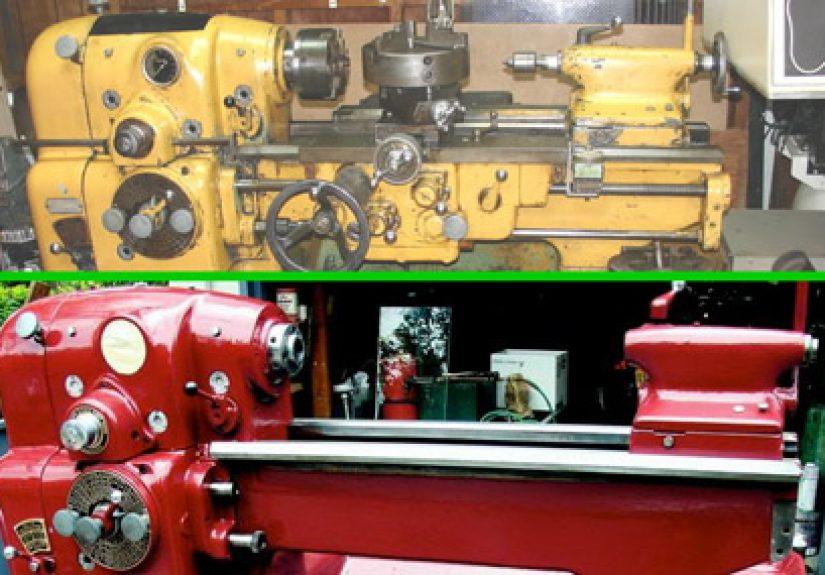
A 1942 lathe is one of those stubborn old legends that can still command a workshop, a studio, or even a living space with the confidence of a tool that remembers when things were made to last longer than a loaf of bread. Restoring one is not just a repair project. It is part preservation, part engineering, part interior design, and part love letter to American industrial history. When done well, the result is more than a cleaned-up relic. It becomes a functional piece of art: something that still cuts metal, still turns stock, and still tells a story every time the light hits its polished handwheels.
That mix of beauty and utility is what makes a vintage lathe restoration so compelling. The machine already has everything modern decor wants to fake: age, character, honest wear, heavy materials, and that hard-to-define quality people call “presence.” A 1942 lathe does not need to pretend to be industrial chic. It was there when industrial was just called “Tuesday.”
Still, romance alone will not bring an old lathe back to life. Rust, dried lubrication, worn belts, damaged wiring, chipped paint, and neglected ways can turn a dream project into a giant cast-iron paperweight. The trick is knowing where to preserve history, where to restore function, and where to lean into artistry without compromising safety.
Why a 1942 lathe deserves saving
Machines built in the early 1940s were designed with serviceability in mind. Many American lathes from that era used cast-iron beds, simple mechanical systems, rebuildable assemblies, and standardized parts that helped them survive for decades. Some brands, including South Bend, still maintain historical production information and parts guidance for older machines, which is one reason so many wartime-era lathes remain in use today. A machine from 1942 is not automatically precise just because it is old, but it was often built to be repaired rather than discarded.
That durability is the first reason to restore one. The second is visual impact. A long bed, elegant handwheels, exposed gears, stamped plates, and aged castings create the kind of texture modern furniture makers spend a lot of money trying to imitate. The third reason is emotional. A restored lathe bridges generations. It can honor a family workshop, a former tradesperson, or an era when practical objects were shaped with a little more pride and a lot more iron.
Start with a historian’s eye, not a grinder’s hand
Before you grab a wire wheel and go full action movie, slow down. The smartest restorations begin with documentation. Photograph everything. Record serial numbers. Identify missing parts. Note cracked castings, replaced fasteners, modifications, and paint traces. If the lathe has badges, maker’s plates, or original striping, those details matter. On old machinery, history lives in the little things.
This is also the stage where you decide what kind of restoration you want. There are generally three paths. The first is a strict preservation approach, where you stabilize the machine and protect as much original finish as possible. The second is a sympathetic functional restoration, where you clean, repair, repaint, rewire, and tune it for actual use while respecting its period look. The third is an artistic reinterpretation, where the lathe becomes a centerpiece and some visual choices become more expressive. The sweet spot for most people is the second path with a tasteful wink toward the third.
Questions to answer before disassembly
Does the spindle turn freely? Are the bed ways deeply worn near the headstock? Is the lead screw intact? Are the gears chipped? Has someone added unsafe electrical components? Is the machine complete enough to justify restoration? You do not need perfection, but you do need a realistic roadmap. A lathe with cosmetic damage and surface rust may be a jewel in disguise. A lathe with broken castings and badly worn bearing surfaces may be better suited as static art unless you have a serious machining budget.
Cleaning years of grime without erasing character
Old machines usually arrive wearing a crusty overcoat of oil, dust, oxidized grease, mystery residue, and what can only be described as “shop archaeology.” Cleaning should be progressive and gentle at first. Historic preservation guidance consistently recommends using the least aggressive method that will do the job, and that advice translates beautifully to vintage machinery. Start with dry brushing, vacuuming, rags, and a mild degreaser. Move to more targeted rust removal only where needed.
Loose paint and flaky rust can often be removed with hand tools, abrasive pads, or careful wire brushing. Heavy-handed blasting may seem efficient, but it can destroy crisp edges, remove surviving original finishes, and leave the machine looking less “restored heirloom” and more “overcooked prop.” On delicate details, patience beats horsepower.
For removable small parts, rust treatment can be surprisingly low drama. Depending on severity, restorers often use mechanical abrasion, rust removers, or electrolysis on detached components. Flat machined surfaces demand extra care. You want to remove oxidation without changing geometry. That means no wild sanding marathons on the bed ways. The goal is clean metal, not accidental sculpture.
What to clean and what to preserve
Preserve maker’s plates, stamped markings, original oil labels, and any decorative details that still survive. Clean noncritical painted surfaces more assertively than precision surfaces. The bed ways, spindle tapers, mating fits, and bearing areas should be treated like the machine’s nervous system. They can tolerate neglect better than abuse, but only just.
Restoring function: the machine must still be a machine
A lathe becomes art the moment people admire it. It becomes functional art when it can still do its job. That means restoration cannot stop at cosmetics.
Begin with the moving systems. Old lubrication dries out, hardens, or disappears, and neglected ways can develop stick-slip behavior that ruins smooth carriage travel. Proper machine-tool lubricants matter here. Way lubricants are designed specifically to help sliding surfaces move smoothly at slow speeds. Once cleaned, the carriage, cross slide, compound, lead screw, tailstock, and other moving assemblies should be inspected, lubricated correctly, and adjusted with restraint. Vintage machinery likes thoughtful tuning, not brute-force tightening.
Next, inspect belts, bearings, gears, wicks, oil ports, and fasteners. Replace cracked belts. Repair damaged wiring. If the motor setup is questionable, rebuild it properly or have a qualified professional handle the electrical work. A machine can look gorgeous in satin black and polished nickel, but if the switchgear is sketchy enough to make your eyebrows nervous, the restoration is not finished.
Safety is not optional just because the machine is beautiful
Machine-shop safety guidance remains clear on a few timeless points: keep guards in place where possible, never leave the chuck key in the chuck, stop the machine before measuring or cleaning, secure work properly, and treat loose clothing and gloves around rotating machinery like sworn enemies. A restored 1942 lathe is charming. Entanglement is not. If the machine will actually run, preserve its dignity and your fingers by respecting modern safety practice.
Refinishing the lathe without making it look fake
This is where many restorations either become gorgeous or wander into “theme restaurant prop” territory. The best finish choices respect the machine’s age while improving durability.
After cleaning and rust stabilization, exposed bare steel should be primed quickly with a rust-inhibiting metal primer. That step matters because fresh bare metal is basically a standing invitation for moisture to cause trouble again. For painted areas, many restorers choose durable enamel finishes in subdued industrial colors: charcoal, machine gray, deep green, black, or period-inspired tones. Bright candy colors can work in artistic spaces, but they shift the story from restoration to reinvention.
Polished accents provide contrast and help elevate the machine from heavy equipment to display-worthy object. Handwheels, levers, oil caps, and badges can be cleaned and highlighted without turning the entire lathe into a chrome banana. The right amount of gleam makes the cast iron feel intentional. Too much polish makes the machine look like it is auditioning for a steampunk reboot.
How to preserve the soul of old metal
Not every scar should disappear. Small dings, softened corners, darkened handles, and honest wear patterns are part of the machine’s biography. Functional piece of art is the key phrase here. The objective is not to erase time; it is to curate it. Leave enough age visible that the lathe still feels earned.
Design ideas that turn restoration into art
Once the machine is mechanically sound, design choices decide whether it remains “old equipment in a room” or becomes a true centerpiece.
1. Build a stage for it
A restored lathe deserves a base that matches its authority. If the original cabinet or legs survive, restore them. If not, create a custom platform in hardwood, steel, or concrete. Good lighting underneath or behind the machine can emphasize the geometry of the bed and the silhouette of the headstock without turning the room into a nightclub for machinists.
2. Use contrast wisely
Cast iron looks especially dramatic against warm materials like walnut, maple, leather, or aged brick. In a studio or showroom, a 1942 lathe can sit beside framed technical drawings, vintage calipers, or finished metalwork it helped create. That pairing tells viewers the machine is not decoration alone; it still belongs to a craft lineage.
3. Keep the controls visually honest
One of the most satisfying things about an old lathe is that its controls actually look like controls. Don’t hide that. Highlight the handwheels, feed controls, threading chart, and tailstock details. These features are the machine’s face.
4. Let utility remain visible
Display a beautifully machined part nearby. Leave a precision tool on a wall rack. Show a few carefully chosen accessories. A functional lathe becomes art partly because people understand it can still create. Utility is not the opposite of beauty here. Utility is the beauty.
Controlling moisture so the restoration lasts
The enemy of a restored lathe is not age. It is damp air with bad intentions. Humidity control matters, especially if the machine lives in a garage, basement, or garden studio. Clean cast-iron and steel surfaces should be protected with suitable rust inhibitors, waxes, or other shop-safe barriers. The surrounding space should also be kept dry and ventilated. A dehumidifier, moisture control, and regular wipe-downs are much cheaper than repeating a rust-removal project you already finished once while muttering words not fit for publication.
When the project is done, what do you really have?
If the restoration is successful, you do not just have a machine. You have a story rendered in iron, paint, oil, and patience. You have an object that can still turn metal while anchoring a room like sculpture. You have proof that craftsmanship ages better than trends. And you have one of the rare household or studio objects that can legitimately answer both of these questions with confidence: “Does it work?” and “Is it beautiful?”
That is the magic of turning a 1942 lathe into a functional piece of art. It is not about making the machine precious. It is about making it meaningful. Restore the mechanics so it can still earn its keep. Preserve the age so it still tells the truth. Add just enough design intention so people stop, stare, and smile. Then stand back and enjoy the impossible little miracle of a wartime workhorse becoming the most interesting thing in the room.
Experience: what it feels like to live with a restored 1942 lathe
The real surprise of restoring a 1942 lathe is that the project changes mood as much as metal. At the beginning, the machine usually feels intimidating. It is heavy, dirty, complicated, and more than a little dramatic. It looks like something that should either be in a museum or in the corner of a shop run by a person named Frank who drinks coffee from a thermos older than your car. But once the teardown begins, the fear turns into curiosity. Every handle removed, every gear inspected, and every old fastener loosened reveals another clue about how the machine lived before it came to you.
There is also a strange intimacy to cleaning a tool that old. You notice where decades of hands touched the same wheel. You see the polished wear on one lever and realize that somebody favored that control thousands of times. You find layers of grime packed into corners that could only have come from years of actual work, not staged distressing from a catalog photo shoot. The machine starts to feel less like an object and more like a record of motion.
Then comes the emotional high point: reassembly. Parts that looked tired on the bench suddenly regain dignity when cleaned, lubricated, and fitted back into place. The carriage slides better. The handwheels feel deliberate. The motor hums instead of groans. Even the smell changes, from old oil and neglect to clean metal and fresh finish. It is one of the most satisfying transformations in any restoration project because the improvement is tactile. You can literally feel the machine come back to life through your fingertips.
And once it is finished, the lathe changes the room around it. People who know machining admire the details. People who know nothing about machining still walk over to it. They ask what it is, what it did, and whether it still works. When you say, “Yes, it still runs,” the conversation shifts instantly. Suddenly the piece is not just decorative. It has authority. It has purpose. It becomes the rare artifact that earns admiration from both tool lovers and design lovers without needing to flatter either camp.
Living with a restored lathe also creates a different relationship with making things. Even if you only use it occasionally, it encourages a slower, more intentional kind of work. It asks you to measure twice, oil the ways, think about feed, and respect process. In a world full of disposable objects and touchscreen everything, that feels almost rebellious. A 1942 lathe reminds you that precision used to be mechanical, visible, and unapologetically physical.
Most of all, the experience leaves you with gratitude. Gratitude for the people who designed such durable tools. Gratitude for the hands that kept them running across the decades. Gratitude that cast iron, steel, patience, and good judgment can still beat planned obsolescence. A restored 1942 lathe is beautiful, yes. But the deeper reward is this: it proves that usefulness and beauty were never meant to be rivals. On the best days, they are the same thing wearing different work clothes.
Conclusion
Turning a 1942 lathe into a functional piece of art is not about polishing the past until it forgets who it is. It is about honoring a machine’s original purpose while giving it a second life that fits the present. Clean it carefully. Repair it honestly. Finish it with restraint. Preserve the details that tell its story. And if it still turns true when the switch flips, even better. That is when restoration stops being cosmetic and becomes something richer: a conversation between craftsmanship, history, and design.