Table of Contents >> Show >> Hide
- Understanding PMS: More Than a Monthly Mood Plot Twist
- What Counts as Low Blood Sugar?
- Why PMS and Low Blood Sugar Can Feel So Similar
- Can PMS Cause Low Blood Sugar?
- PMS Cravings: Your Body Is Not “Weak,” It Is Communicating
- What to Do If You Think Your Blood Sugar Is Low
- How to Support Steadier Blood Sugar During PMS
- When to Talk With a Doctor
- Real-Life Experiences: What Low Blood Sugar and PMS Can Feel Like
- Conclusion
Premenstrual syndrome, better known as PMS, already has quite the résumé: mood swings, bloating, food cravings, fatigue, headaches, and the occasional urge to glare at an innocent bag of chips. Add low blood sugar symptoms into the mix, and the whole week before your period can feel like your body is running a badly managed group project.
But here is the important question: can PMS actually cause low blood sugar levels, or do PMS symptoms simply feel a lot like hypoglycemia? The answer is a little more nuanced than a simple yes or no. PMS does not automatically mean your blood glucose has dropped to a medically low level. However, hormonal shifts, changes in appetite, skipped meals, cravings, sleep disruption, stress, diabetes medications, and exercise habits can all affect how steady your blood sugar feels during the days before your period.
This guide explains the connection between low blood sugar levels and PMS, what symptoms to watch for, when to test your blood glucose, what to eat, and when it is time to call a healthcare professional instead of blaming everything on “just hormones.”
Understanding PMS: More Than a Monthly Mood Plot Twist
PMS refers to a group of physical, emotional, and behavioral symptoms that usually appear during the luteal phase of the menstrual cyclethe week or two before bleeding begins. Symptoms often improve once a period starts or shortly after.
Common PMS symptoms include irritability, sadness, anxiety, fatigue, breast tenderness, bloating, headaches, trouble sleeping, appetite changes, and food cravings. Some people notice mild discomfort. Others feel as if their body has switched operating systems without permission.
The exact cause of PMS is not fully understood, but shifting estrogen and progesterone levels appear to play a major role. These hormone changes may influence brain chemicals such as serotonin, which is involved in mood, appetite, sleep, and energy. That is one reason PMS can affect both emotions and eating patterns.
What Counts as Low Blood Sugar?
Low blood sugar, or hypoglycemia, happens when blood glucose drops below a healthy range. For many people with diabetes, a blood glucose reading below 70 mg/dL is considered low. Severe low blood sugar is often considered below 54 mg/dL and can become dangerous quickly.
Glucose is the body’s main fuel source, especially for the brain. When levels fall too low, the body releases stress hormones such as adrenaline to push glucose back up. That emergency response can cause symptoms that feel dramatic, uncomfortable, and very similar to anxiety or PMS.
Common symptoms of low blood sugar
- Shakiness or trembling
- Sweating
- Fast heartbeat
- Sudden hunger
- Dizziness or lightheadedness
- Headache
- Irritability or anxiety
- Fatigue or weakness
- Confusion or trouble concentrating
- Blurred vision
Severe hypoglycemia may cause seizures, fainting, difficulty speaking, loss of coordination, or loss of consciousness. Those symptoms are medical red flags and should never be brushed off as PMS.
Why PMS and Low Blood Sugar Can Feel So Similar
PMS and low blood sugar overlap in several frustrating ways. Both can make you feel tired, hungry, foggy, shaky, cranky, anxious, or desperate for carbohydrates. That overlap can make it difficult to know whether your blood sugar is truly low or whether your premenstrual symptoms are creating a similar sensation.
For example, imagine you are a few days away from your period. You slept poorly, skipped breakfast, drank coffee, and then tried to power through work until lunch. By 11 a.m., you feel irritable, weak, hungry, and slightly dramatic about a spreadsheet. Is it PMS? Is it low blood sugar? Is it the spreadsheet’s fault? Possibly all three.
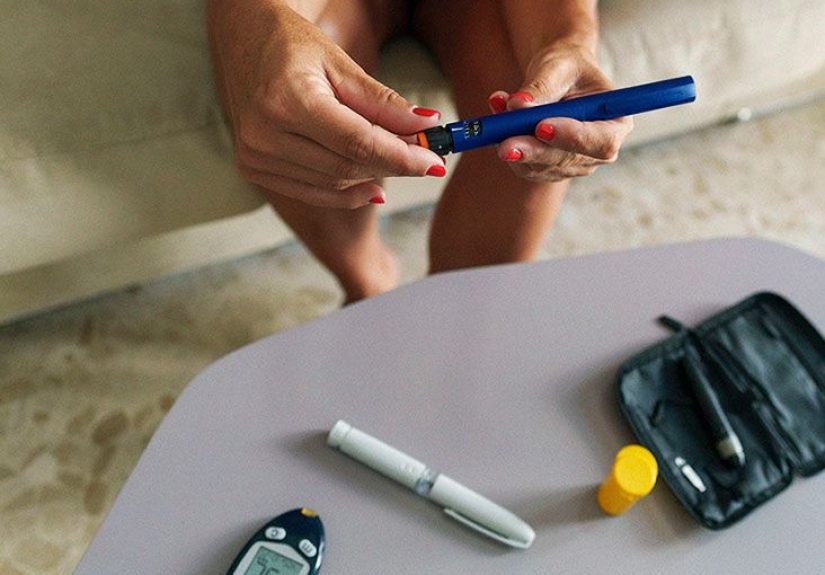
The best way to know whether blood sugar is actually low is to check with a glucose meter or continuous glucose monitor if you use one. Symptoms alone are useful clues, but they are not perfect proof.
Can PMS Cause Low Blood Sugar?
PMS itself is not usually described as a direct cause of clinically confirmed hypoglycemia in healthy people without diabetes. However, the menstrual cycle can influence appetite, insulin sensitivity, energy use, sleep, and cravings. These changes may make some people feel more vulnerable to blood sugar dips, especially if they go too long without eating or rely heavily on sugary foods followed by long gaps between meals.
People with diabetes may notice stronger glucose changes around menstruation. Hormonal fluctuations can affect insulin sensitivity differently from person to person. Some may see higher blood sugar before their period, while others may experience lower readings at certain points in the cycle. This variability is why tracking patterns is so useful.
Why symptoms may spike before your period
Several PMS-related habits and body changes can indirectly affect blood sugar stability:
- Increased cravings: Many people crave sweets or refined carbohydrates before their period. A sugary snack may give quick energy, but it may not keep you full for long.
- Skipped meals: Nausea, bloating, mood changes, or a busy schedule can lead to delayed eating, which may trigger low blood sugar symptoms.
- Poor sleep: PMS-related insomnia or restless sleep may affect appetite and glucose regulation the next day.
- Stress: Emotional stress can change hunger cues and may affect blood glucose patterns.
- Exercise changes: Working out harder than usual, especially without enough food, may lower blood sugar in some people.
- Diabetes medications: Insulin and some diabetes medicines can increase the risk of hypoglycemia, particularly if meals, activity, or hormone patterns shift.
PMS Cravings: Your Body Is Not “Weak,” It Is Communicating
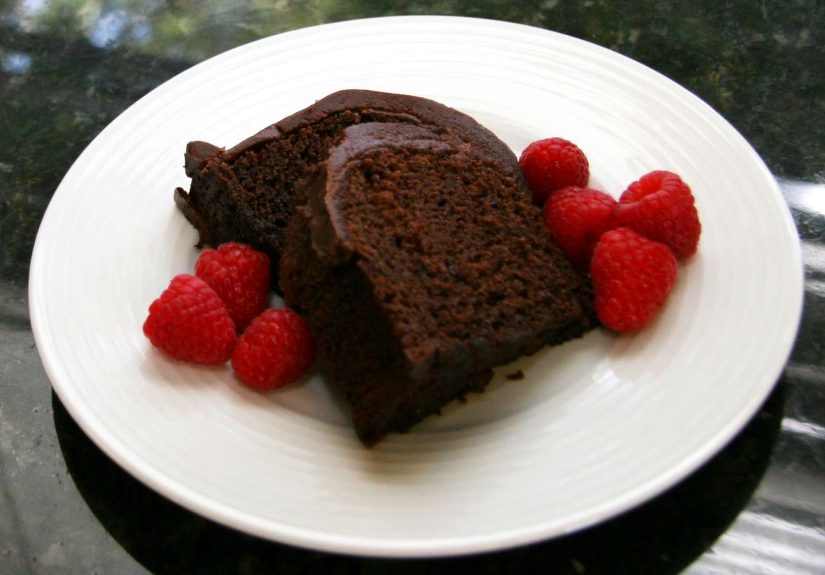
Food cravings before a period are common, and they do not mean you lack discipline. Hormonal changes may affect serotonin, appetite, and reward pathways in the brain. Translation: your body may suddenly believe chocolate is not a snack but a spiritual support system.
The problem is not craving carbohydrates. Carbohydrates are not villains wearing tiny capes. The issue is relying only on fast-digesting carbs, such as candy, pastries, sweet drinks, or white bread, without enough protein, fiber, or healthy fat to slow digestion and support steady energy.
A more blood-sugar-friendly PMS snack might include Greek yogurt with berries, whole-grain toast with peanut butter, apple slices with cheese, hummus with whole-grain crackers, or oatmeal with nuts. These options still give your body carbohydrates, but they come with staying power.
What to Do If You Think Your Blood Sugar Is Low
If you have diabetes or have been told to monitor your blood sugar, check your level when symptoms appear. If your blood glucose is below your personal low threshold, follow your healthcare team’s instructions. A common approach is the 15-15 rule: take 15 grams of fast-acting carbohydrates, wait 15 minutes, then recheck your blood sugar.
Examples of about 15 grams of fast-acting carbohydrates
- Glucose tablets, according to the package directions
- 4 ounces of regular soda, not diet soda
- 4 ounces of fruit juice
- 1 tablespoon of sugar, honey, or syrup
- Hard candies, according to the carbohydrate count on the label
Once blood sugar returns to a safer range, eat a balanced snack or meal if your next meal is not soon. Pairing carbohydrates with protein can help prevent another dip. Think crackers and cheese, toast with egg, or a small sandwichnot a lonely cookie trying to do the work of an entire meal.
If symptoms are severe, if someone cannot swallow, or if they lose consciousness, emergency help is needed. Severe hypoglycemia may require glucagon treatment if prescribed.
How to Support Steadier Blood Sugar During PMS
You do not need a perfect diet to support better energy before your period. In fact, perfection is usually where good intentions go to become exhausted. The goal is consistency, not culinary sainthood.
Eat regular meals
Long gaps between meals can make PMS hunger and low blood sugar symptoms worse. Try not to wait until you are shaky, annoyed, and ready to negotiate with a vending machine. Eating every three to five hours works well for many people, though individual needs vary.
Build meals with protein, fiber, and complex carbohydrates
Balanced meals help glucose enter the bloodstream more gradually. Good options include eggs with whole-grain toast, chicken with brown rice and vegetables, tofu stir-fry, bean soup, oatmeal with nuts, or a turkey and avocado wrap.
Be careful with caffeine on an empty stomach
Coffee can be a beloved morning ritual, but caffeine may intensify shakiness, anxiety, and a racing heartbeat. If those symptoms already show up before your period, drinking coffee without food can make it harder to tell whether you are experiencing PMS, stress, or low blood sugar.
Keep quick carbs nearby if you are at risk
If you have diabetes or a history of hypoglycemia, carry fast-acting carbohydrates. Keep them in your bag, desk, gym locker, or car. Your future self may thank you with great enthusiasm.
Track symptoms for two to three cycles
A simple cycle log can reveal patterns. Note your period dates, PMS symptoms, meals, exercise, sleep, stress, and blood glucose readings if available. You may discover that symptoms appear predictably three days before bleeding starts, after intense workouts, or when breakfast is skipped.
When to Talk With a Doctor
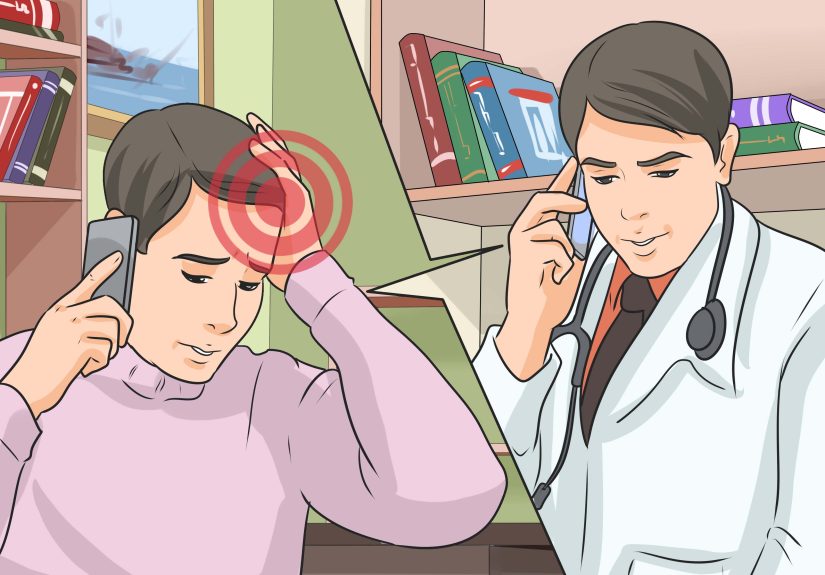
Speak with a healthcare professional if you have repeated low blood sugar readings, severe PMS, fainting, confusion, symptoms that wake you at night, or symptoms that interfere with daily life. You should also seek medical advice if you do not have diabetes but frequently feel shaky, sweaty, weak, or intensely hungry.
Severe mood symptoms before your period may point to premenstrual dysphoric disorder, or PMDD, which is more intense than typical PMS. PMDD can cause severe depression, anxiety, irritability, or hopelessness. If you ever have thoughts of self-harm, seek urgent help immediately.
People with diabetes should discuss cycle-related glucose changes with their diabetes care team. Adjustments to meal timing, insulin dosing, exercise plans, or monitoring may be helpful, but medication changes should be made with professional guidance.
Real-Life Experiences: What Low Blood Sugar and PMS Can Feel Like
Many people describe the week before their period as a time when their body becomes harder to predict. One month, they may feel mostly fine. The next month, they may feel hungry every two hours, exhausted after normal errands, or suddenly shaky after a workout that usually feels easy. That inconsistency can be confusing, especially when symptoms look like both PMS and low blood sugar.
A common experience is the “late breakfast crash.” Someone wakes up bloated and not very hungry, drinks coffee, answers emails, and delays eating until midmorning. Then the body protests. Hands feel shaky, patience disappears, and concentration packs a tiny suitcase. Eating something balancedsuch as toast with peanut butter or eggs with fruitoften helps more than grabbing only a sweet snack. The lesson is not “never drink coffee” or “never crave sugar.” The lesson is that PMS week may require a little more planning.
Another familiar situation happens after exercise. A person may take a brisk walk, do a fitness class, or lift weights during the premenstrual phase and then feel unusually weak afterward. If they have not eaten enough beforehand, the combination of physical activity, hormone shifts, and delayed refueling can leave them feeling drained. A snack with carbohydrates and protein before or after exercise may make a noticeable difference.
Some people also notice emotional hunger. They may not be physically starving, but PMS makes comfort foods louder. This is not a moral failure. Food is tied to memory, comfort, culture, and stress relief. The practical move is to honor the craving while adding support. Want chocolate? Pair it with yogurt, nuts, or fruit. Want salty snacks? Add a protein source and water. Want a full bowl of pasta? Enjoy it with vegetables and chicken, beans, tofu, or seafood. Balance is not punishment; it is a way of helping tomorrow-you feel less like a deflated balloon.
For people with diabetes, the experience can be more technical. Some notice glucose readings drift higher before their period; others see more lows, especially if insulin sensitivity changes or appetite drops. Continuous glucose monitor alerts may become more frequent. This can feel frustrating, but the data can be useful. After a few cycles, patterns may appear, making it easier to plan with a clinician.
The most reassuring takeaway is that these experiences are common and manageable. PMS may make your body feel temporarily unpredictable, but careful tracking, regular meals, smart snacks, sleep support, and medical guidance can make the pattern easier to understand. Your body is not betraying you; it may simply be asking for steadier fuel and a little less chaos.
Conclusion
Low blood sugar levels and PMS can be tricky to untangle because they share several symptoms, including fatigue, hunger, irritability, shakiness, anxiety, and brain fog. PMS does not automatically mean your blood sugar is dangerously low, but hormone changes, cravings, skipped meals, poor sleep, exercise, stress, and diabetes medications can all influence how steady your energy feels before your period.
The smartest approach is to pay attention to patterns. Eat regular meals, include protein and fiber, avoid long stretches without food, and check your blood glucose if you monitor it. If symptoms are severe, frequent, or confusing, talk with a healthcare professional. Your menstrual cycle can provide valuable clues about your healthand yes, sometimes those clues arrive while demanding snacks.