Table of Contents >> Show >> Hide
- What Is a Catecholamine Urine Test?
- Why Doctors Order a Catecholamine Urine Test
- Common Symptoms That May Lead to Testing
- How to Prepare for a Catecholamine Urine Test
- The 24-Hour Urine Collection Procedure
- What Results May Mean
- Catecholamines vs. Metanephrines: Why the Difference Matters
- Risks and Discomfort
- Tips for a Smoother Test Day
- Patient Experience: What the Catecholamine Urine Test Feels Like in Real Life
- Conclusion
A catecholamine urine test may sound like something invented by a medical dictionary after too much coffee, but the idea is actually straightforward: it measures stress-related hormones and their breakdown products in urine. These hormonesmainly epinephrine, norepinephrine, and dopaminehelp your body respond to stress, exercise, low blood sugar, and sudden “uh-oh” moments, such as almost dropping your phone into a sink.
In everyday life, catecholamines rise and fall naturally. That is normal. The concern begins when levels stay unusually high or spike in patterns that suggest a medical condition. Doctors may order a 24-hour urine catecholamine test to help evaluate symptoms such as episodes of high blood pressure, pounding heartbeat, sweating, headaches, tremors, or anxiety-like spells that seem to arrive without an invitation.
This guide explains the purpose, preparation, and procedure for the test in plain American English, with enough detail to make the lab instructions feel less like ancient scrolls and more like something a normal human can follow.
What Is a Catecholamine Urine Test?
A catecholamine urine test measures the amount of catecholamines released into your urine over a set period, usually 24 hours. Because hormone levels can change throughout the day, a 24-hour collection gives the lab a broader picture than a single random sample.
Catecholamines are chemical messengers made mostly by the adrenal glands, which sit on top of the kidneys, and by certain nerve tissues. They help regulate heart rate, blood pressure, breathing, alertness, and the body’s classic “fight-or-flight” response. When you need quick energy, your body opens the hormonal toolbox. Catecholamines are some of the tools.
The Main Catecholamines Measured
The test commonly looks at:
- Epinephrine: Often called adrenaline, it helps increase heart rate and blood flow during stress.
- Norepinephrine: Helps tighten blood vessels and raise blood pressure when needed.
- Dopamine: Plays roles in movement, motivation, mood, and nervous system signaling.
Some related urine tests may measure catecholamine metabolites, such as metanephrines, vanillylmandelic acid, or homovanillic acid. These are substances created when the body breaks catecholamines down. Depending on your symptoms, your doctor may order one or more of these tests together.
Why Doctors Order a Catecholamine Urine Test
The main purpose of a catecholamine urine test is to help detect or monitor conditions that cause the body to make too many catecholamines. The test is not usually ordered as part of routine screening. In other words, it is not the kind of test you get just because you walked past a clinic and looked mildly suspicious.
To Check for Pheochromocytoma
One important reason for testing is to evaluate for pheochromocytoma, a rare tumor that usually develops in the adrenal gland. These tumors can release excess catecholamines, causing episodes of high blood pressure, severe headaches, sweating, rapid heartbeat, shakiness, and a feeling of intense nervousness.
Not every person with these symptoms has a tumor. Far from it. Stress, panic attacks, thyroid problems, medication effects, sleep issues, and many other conditions can cause similar symptoms. That is why test results must be interpreted carefully by a healthcare provider.
To Evaluate Paraganglioma
A paraganglioma is another rare tumor that can produce catecholamines. Unlike pheochromocytomas, paragangliomas may occur outside the adrenal glands. If a healthcare provider suspects this condition, urine or blood testing for catecholamines and related metabolites may be part of the workup.
To Support Testing for Neuroblastoma
In children, urine catecholamine studies may help evaluate neuroblastoma, a cancer that develops from immature nerve cells. Pediatric testing often focuses on catecholamine breakdown products such as VMA and HVA. Parents should follow the child’s medical team closely because collection instructions for children can be more specific.
To Monitor Treatment or Recurrence
If a person has already been treated for a catecholamine-producing tumor, urine testing may help monitor whether hormone levels return to normal or rise again later. In this setting, the test is less about discovering a mystery and more about keeping an eye on the dashboard.
Common Symptoms That May Lead to Testing
A healthcare provider may consider a catecholamine urine test if someone has repeated episodes of symptoms such as:
- Sudden or difficult-to-control high blood pressure
- Fast or pounding heartbeat
- Severe headaches
- Heavy sweating without a clear reason
- Tremors or shakiness
- Pale skin during attacks
- Anxiety-like episodes that appear suddenly
- Chest discomfort or shortness of breath during spells
These symptoms can feel dramatic, but they are not specific to one disease. That is one reason the catecholamine urine test is only one piece of the diagnostic puzzle. It helps point the investigation in the right direction, but it does not replace a full medical evaluation.
How to Prepare for a Catecholamine Urine Test
Preparation matters because catecholamine levels are easily influenced by food, drinks, exercise, stress, and medications. This is one lab test where your body can be a little theatrical. A hard workout, several coffees, and a stressful day may make the results harder to interpret.
Foods and Drinks You May Need to Avoid
Your healthcare provider or lab may ask you to avoid certain foods and beverages for two to three days before and during the test. Common examples include:
- Coffee and caffeinated tea
- Energy drinks
- Chocolate and cocoa
- Bananas
- Citrus fruits
- Vanilla-containing foods
- Licorice
- Alcohol
Not every lab uses the exact same restrictions, so follow the instructions you receive. If the lab says avoid vanilla, yes, that includes your innocent-looking vanilla latte. The latte did nothing wrong, but the test is picky.
Medications and Supplements
Some prescription medicines, over-the-counter drugs, and supplements can interfere with results. These may include certain antidepressants, decongestants, stimulants, blood pressure medicines, asthma medications, and medications that affect dopamine or the nervous system.
Never stop a medication on your own just to “help” the test. That is a classic example of good intentions wearing bad shoes. Ask your healthcare provider which medicines you should continue and whether anything should be paused safely before collection.
Exercise, Stress, Tobacco, and Caffeine
Strenuous exercise can increase catecholamine levels, so you may be asked to avoid heavy workouts before and during the collection period. Tobacco and nicotine products may also affect results and are often restricted during the test window.
Stress can influence catecholamine levels, too. You cannot always schedule life to behave itself for 24 hours, but try to keep the collection day as calm and routine as possible. Save the dramatic group text argument for another day if you can.
The 24-Hour Urine Collection Procedure
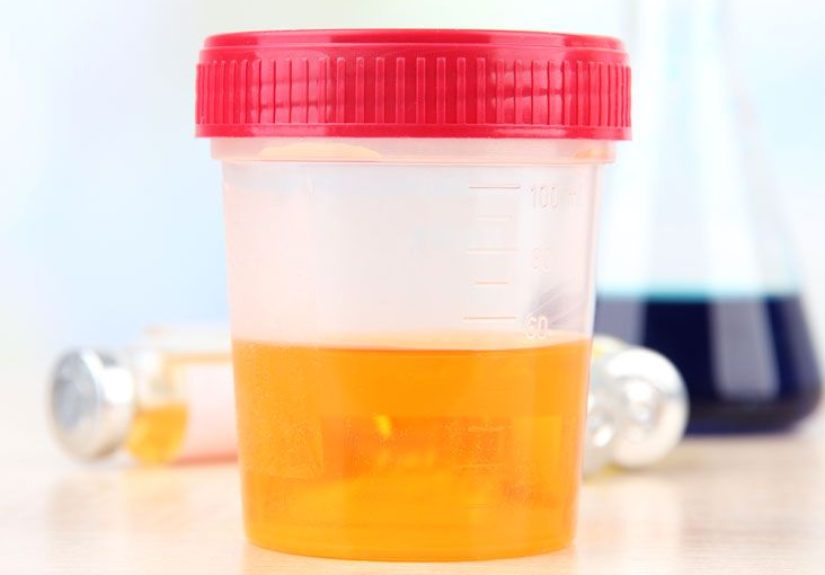
The most common version of the catecholamine urine test requires collecting all urine over 24 hours. The lab will provide a special container. Some containers include a preservative, which may be acidic. Do not touch, spill, or remove it. If you have questions about the container, call the lab before starting.
Step-by-Step Collection
- Choose a start time. Many people start first thing in the morning.
- Empty your bladder and discard that first urine. This marks the start of the 24-hour period.
- Write down the start time. Accuracy matters.
- Collect every urine sample after that. Each time you urinate, add it to the collection container as instructed.
- Keep the container cold. Most labs instruct patients to refrigerate the container or keep it on ice.
- At the same time the next day, urinate one final time and add it to the container. This completes the 24-hour collection.
- Return the sample promptly. Follow the lab’s timing and transport instructions.
The key rule is simple: collect all urine during the 24-hour period. Missing even one sample can make the result unreliable. Think of it like baking: if the recipe asks for flour and you forget the flour, the cake may still exist, but nobody should trust it.
What If You Miss a Sample?
If you forget to collect one urine sample, contact the lab or your healthcare provider. In many cases, you may need to restart the collection. That may feel annoying, but an accurate result is better than a convenient result that sends everyone chasing the wrong medical squirrel.
What Results May Mean
Catecholamine urine test results are usually reported in micrograms per 24 hours, but normal ranges vary by lab, age, sex, and testing method. Your report may list epinephrine, norepinephrine, dopamine, and sometimes related metabolites.
High levels may suggest excess catecholamine production, but an abnormal result does not automatically mean cancer or a tumor. False positives can happen because of stress, diet, exercise, medications, collection problems, or other medical conditions.
Possible Reasons for High Catecholamines
- Pheochromocytoma
- Paraganglioma
- Neuroblastoma, especially in children
- Severe stress or illness
- Strenuous exercise before or during collection
- Certain medications or stimulants
- Incomplete or incorrectly handled urine collection
If results are clearly elevated, your healthcare provider may order follow-up testing, such as plasma free metanephrines, urine fractionated metanephrines, imaging studies, or referral to an endocrinologist. The exact next step depends on your symptoms, medical history, and how abnormal the results are.
Catecholamines vs. Metanephrines: Why the Difference Matters
Many modern guidelines emphasize plasma free metanephrines or urinary fractionated metanephrines as preferred initial tests for suspected pheochromocytoma or paraganglioma. That does not make catecholamine urine testing useless. It simply means the best test depends on the clinical question.
Catecholamines can surge and fall quickly, while metanephrines are produced more continuously when certain tumors are present. Because of this, metanephrine testing may be more sensitive in many situations. Still, catecholamine urine testing may be used as an additional test, for monitoring, or as part of a broader endocrine evaluation.
Risks and Discomfort
The catecholamine urine test is noninvasive and generally safe. There are no needles unless your provider also orders blood work. The biggest challenges are practical: collecting every sample, storing the container correctly, avoiding restricted foods, and returning the specimen on time.
If the collection jug contains preservative, handle it carefully and keep it away from children and pets. If preservative spills on your skin, follow the lab’s safety instructions and contact the lab if needed.
Tips for a Smoother Test Day
A little planning can make the 24-hour urine test much easier. Keep the container somewhere safe and cold, set reminders on your phone, and avoid scheduling the test on a day packed with travel, sports, parties, or chaos. This is not the ideal test to start before a road trip unless you enjoy turning rest stops into laboratory logistics.
- Read all instructions before starting.
- Ask the lab where and how to store the container.
- Keep a written note of the start and stop times.
- Use phone alarms so you do not forget the final sample.
- Avoid restricted foods and drinks exactly as instructed.
- Call your provider before changing medications.
- Return the container promptly after collection.
Patient Experience: What the Catecholamine Urine Test Feels Like in Real Life
The experience of doing a catecholamine urine test is usually less scary than people imagine, but slightly more awkward than anyone would choose for a hobby. Most patients are not worried about pain, because there usually is none. The real challenge is remembering that, for one full day, every bathroom visit has become part of a medical mission.
A common experience is feeling nervous before starting. The container may look large, official, and a little intimidating. Some people wonder whether they will do it wrong. Others worry about keeping the sample cold, especially if they share a refrigerator with family members who are not emotionally prepared to see a medical collection jug beside the orange juice. A simple solution is to place the container inside a clean bag or cooler, following lab instructions, and label it clearly.
Many patients find that the hardest part is changing their routine. Skipping coffee can feel like a personal betrayal, especially for people who consider caffeine a breakfast group. Avoiding chocolate, bananas, citrus, vanilla, alcohol, tobacco, and heavy exercise may also require planning. The best strategy is to prepare meals and drinks ahead of time so you are not standing in the kitchen at 7 a.m. negotiating with a banana like it has legal representation.
Another real-life issue is timing. Starting the test on a quiet morning is usually easier than beginning during a school day, work shift, sports event, or travel day. If you must leave home, ask the lab how to handle collection safely and discreetly. Some people prefer to choose a weekend or a day when they can stay near home. Convenience matters because a complete collection is essential for a useful result.
Emotionally, waiting for results can be stressful. Because the test is often ordered after symptoms like high blood pressure attacks, sweating, headaches, or rapid heartbeat, it is natural to worry. But abnormal symptoms do not automatically mean a rare tumor. Many conditions can mimic catecholamine surges. Even if the result is high, your provider will usually confirm it with additional testing before making a diagnosis.
Patients often say the test becomes easier once they understand the “why.” The purpose is not to make your day weird for no reason. The goal is to capture a full-day hormone pattern and help your healthcare team decide whether more evaluation is needed. When viewed that way, the container becomes less of an inconvenience and more of a data collector with terrible social skills.
After the test, most people are relieved to return the sample and resume normal habits, including coffee if allowed. The best advice is simple: follow the instructions, ask questions early, and do not panic over the process. It is a temporary inconvenience that can provide valuable clues about what your body is doing behind the scenes.
Conclusion
The catecholamine urine test is a valuable tool for measuring stress-related hormones over a 24-hour period. It may help healthcare providers evaluate rare but important conditions such as pheochromocytoma, paraganglioma, and neuroblastoma. Preparation is crucial because foods, caffeine, tobacco, medications, exercise, and stress can affect results.
The procedure itself is simple: collect every urine sample for 24 hours, keep the container cold, and return it as directed. The tricky part is accuracy. A complete collection gives your provider better information, while a missed sample can make the test less reliable.
If your result is abnormal, do not jump to the worst conclusion. Catecholamine levels can rise for several reasons, and follow-up testing is often needed. Work with your healthcare provider, follow preparation instructions carefully, and treat the test as one useful clue in a larger medical investigation.