Table of Contents >> Show >> Hide
- The Short Answer: What Temperature Should a Baby’s Room Be?
- Why Room Temperature Matters for Babies
- How to Tell If Your Baby Is Comfortable
- How to Dress Baby for Sleep
- Best Room Temperature for Newborns vs. Older Babies
- Season-by-Season Tips for Keeping Baby Comfortable
- Common Mistakes Parents Make
- When to Call the Pediatrician
- Practical Nursery Setup Tips That Actually Help
- Real-Life Experiences With Baby Room Temperature
- Final Thoughts
If you have ever stood in the nursery at 2:14 a.m. wondering whether your baby is chilly, sweaty, cozy, or plotting to overthrow your sleep schedule, welcome to the club. One of the most common questions new parents ask is simple: What is the best room temperature for baby? It sounds like there should be one magical number, preferably printed on the thermostat in glowing gold. Real life, of course, is a little messier.
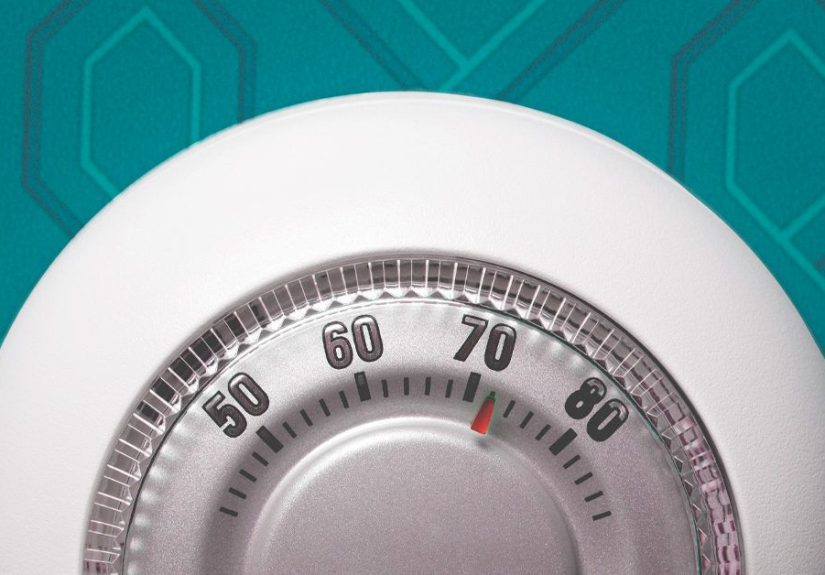
For most healthy babies, a room temperature of 68 to 72 degrees Fahrenheit is a smart, practical target. Some experts and hospital systems describe a slightly broader comfort zone, but the general theme is remarkably consistent: your baby’s room should feel comfortably cool, not warm and stuffy. In other words, think “pleasant bedroom,” not “mini tropical resort.”
That matters because overheating is a bigger concern than many parents realize. A baby who gets too warm during sleep may be less safe and less comfortable. On the other hand, you do not need to turn the nursery into a meat locker just to prove your dedication to safe sleep. The goal is balance: a cool, calm room, sensible clothing, and regular observation of your baby’s comfort cues.
In this guide, we will break down the best nursery temperature, explain why it matters, show you how to dress a baby for sleep, and walk through common mistakes that can make parents second-guess themselves. We will also cover real-world experiences that make this topic feel a lot less theoretical and a lot more useful.
The Short Answer: What Temperature Should a Baby’s Room Be?
If you want the quick takeaway, here it is: aim for 68 to 72 degrees Fahrenheit (about 20 to 22 degrees Celsius) for a healthy baby’s room. That range works well for many homes because it supports safe, comfortable sleep without making the room too warm.
Still, it helps to understand that there is no single perfect thermostat setting for every house. A room with direct afternoon sun feels different from a shaded room. A nursery on the second floor may run warmer than the rest of the home. Humidity, pajamas, swaddles, sleep sacks, airflow, and even your baby’s age can make a difference. So while 68 to 72 degrees is an excellent starting point, the best room temperature for baby is really the temperature at which your baby sleeps comfortably without overheating.
A good rule of thumb is this: if the room feels comfortable for a lightly clothed adult, you are probably in the right neighborhood. If the room feels hot, stuffy, or overly heated, your baby may be too warm. If it feels brisk enough that you immediately want three blankets and a life coach, it may be too cold.
Why Room Temperature Matters for Babies
Adults are pretty good at ignoring minor discomfort. Babies are not. They are still learning how to regulate their body temperature, especially in the newborn months. That means they can be more sensitive to heat and cold than older children and adults.
The main issue, though, is not just comfort. It is safe sleep. Pediatric guidance consistently warns against overheating and over-bundling. A baby who is dressed too warmly or sleeping in a room that is too hot may be at higher risk during sleep. That is why safe sleep advice often pairs room temperature guidance with other recommendations such as placing baby on their back, using a firm sleep surface, keeping the crib bare, and avoiding hats indoors during sleep.
Put simply, temperature is part of the bigger safe-sleep picture. A room that is too warm can turn a peaceful bedtime setup into an accidental bundle-fest. One blanket becomes two, pajamas become fleece pajamas, then a hat appears, and suddenly your baby is dressed like they are camping in January while the room itself feels like late July.
How to Tell If Your Baby Is Comfortable
The thermostat is helpful, but it is not the whole story. The more important question is whether your baby seems comfortably warm without looking overheated.
Signs your baby may be too warm
Watch for clues such as sweating, flushed or red skin, hot skin, or a chest that feels hot to the touch. If your baby seems unusually warm, restless, or clammy, remove a layer and reassess the room.
Signs you may need to adjust the room
If the room feels stuffy, if your baby is wearing multiple layers, or if you keep adding clothing because the house is drafty, it is time to rethink the setup. Sometimes the fix is not another layer on the baby. Sometimes it is closing curtains, moving the crib away from a heating vent, or making the room temperature more stable.
Where to check your baby’s temperature by touch
A practical way to assess comfort is to check your baby’s chest or back, not just their overall appearance from three feet away while you panic softly in the doorway. The chest gives you a better sense of core warmth than guessing based on the nursery decor, the weather app, or your grandparent’s insistence that “babies are always cold.”
How to Dress Baby for Sleep
If you remember only one clothing rule, make it this one: babies usually need just one more layer than an adult would wear in the same room. That advice is wonderfully unglamorous and incredibly useful.
For a room in the 68 to 72 degree range, many babies do well in a cotton footed sleeper or a onesie plus pajamas, with a sleep sack if needed. The exact combination depends on the fabric weight and how warm your home runs at night. The goal is not maximum fluff. The goal is comfortable, breathable sleep clothing.
Smart sleep clothing choices
Choose lightweight, breathable fabrics when possible. Cotton is a favorite because it is simple, soft, and less likely to trap excess heat than heavier materials. If your home runs cool, a wearable blanket or sleep sack is a better option than loose blankets in the crib.
What to avoid
Avoid loose blankets, pillows, crib bumpers, and thick bedding in the sleep space. Avoid indoor hats during sleep. Avoid over-bundling. And if you swaddle a young newborn, make sure it is done safely and stop once your baby shows signs of rolling. At that point, a sleep sack is the better move.
Yes, babies look adorable in tiny hats. No, bedtime is not the place to indulge that fashion dream indoors.
Best Room Temperature for Newborns vs. Older Babies
Parents often ask whether newborns need a warmer room than older babies. For most healthy full-term newborns at home, the same general principle applies: keep the room comfortably cool and stable, then dress baby appropriately. You do not need to crank the heat just because your baby is brand-new and looks like a warm cinnamon roll.
That said, newborns are more sensitive to temperature changes, so they need thoughtful monitoring. Premature babies, low-birth-weight infants, or babies with medical conditions may have different temperature needs, especially if they recently left the NICU. In those situations, your pediatrician or neonatal team should guide you. Medical babies do not always follow the same at-home rules as healthy term infants.
Older babies may also run into different problems once they become more active sleepers. Rolling, scooting, getting one leg stuck in the sleep sack zipper zone, and staging a tiny midnight gymnastic routine can all change how warm they feel. So age matters a little, but not as much as your baby’s actual sleep environment.
Season-by-Season Tips for Keeping Baby Comfortable
In summer
Warm-weather sleep can be tricky because babies can overheat quickly. Keep the room cool with air conditioning if possible, close blinds or curtains during the hottest part of the day, and use lighter sleepwear. Resist the urge to add extra layers just because bedtime feels official and ceremonial.
In winter
Cold-weather parenting often inspires overcorrection. It is natural to worry your baby is freezing, especially if the air feels dry or the floor feels chilly. But instead of piling on heavy blankets, keep the room at a stable temperature and use a sleep sack or one extra clothing layer. Space heaters, heating vents, fireplaces, and direct heat sources can create hot spots, so baby’s crib should not be placed right next to them.
In spring and fall
These are the sneaky seasons. Temperature swings can be dramatic between bedtime and early morning. This is when checking the nursery before you go to sleep can really help. A room that felt perfect at 7:30 p.m. may feel wildly different at 3:00 a.m.
Common Mistakes Parents Make
Chasing one exact thermostat number
Parents sometimes become laser-focused on finding one perfect number, as if the baby will only sleep if the room is exactly 70.4 degrees. In reality, comfort is shaped by layers, airflow, humidity, and the baby’s own cues. Start with the recommended range, then adjust sensibly.
Using too many layers
Over-bundling is one of the most common mistakes. A onesie, pajamas, a fleece swaddle, socks, mittens, and a heavy blanket may feel loving, but it can also be too much. Safe sleep and simple sleepwear usually go together.
Assuming warmer is always better
Adults often associate warmth with comfort, but for babies during sleep, warmer is not automatically safer. In fact, a slightly cool, breathable environment is usually better than a warm, stuffy one.
Ignoring the room itself
Sometimes the issue is not the baby’s clothing at all. It is the room. A crib placed near a sunny window, heating vent, or drafty wall may create an uneven sleep environment even if the thermostat looks fine.
When to Call the Pediatrician
If your baby feels unusually hot, seems lethargic, has trouble feeding, is breathing oddly, or just seems off, do not assume it is only a room-temperature issue. Babies can get sick quickly, and it is always better to call than to guess.
For young infants, especially those under 3 months old, a fever deserves prompt medical attention. Likewise, a very low temperature in a newborn can also be a sign that something is wrong. Room comfort matters, but a baby’s physical symptoms matter more.
Practical Nursery Setup Tips That Actually Help
Here are the habits that make the biggest difference in real homes:
Use a room thermometer
Do not rely on guesswork, especially if the nursery runs warmer or cooler than the rest of the house. A simple room thermometer can save you from a lot of unnecessary wardrobe changes at midnight.
Keep the crib bare
A firm mattress, fitted sheet, and baby on their back. That is the core setup. Minimalism has never looked so responsible.
Dress for the room, not the season on the calendar
A January baby in a warm apartment may need less clothing than an October baby in a drafty older home. Follow the environment, not just the month.
Check on baby, but do not obsess over every tiny variation
Parents can spiral quickly here. One cool hand, one warm cheek, one dramatic grunt, and suddenly you are researching polar survival gear. Start with the room, check your baby’s chest, adjust one layer if needed, and move on. Consistency beats panic.
Real-Life Experiences With Baby Room Temperature
In real homes, the “best room temperature for baby” question usually shows up as a series of small nightly debates rather than one grand medical mystery. One parent says the nursery feels fine. The other says the baby’s toes look cold. Grandparents enter the chat and recommend socks, a hat, maybe a blanket, perhaps a quilt, and possibly the thermal technology used on mountain expeditions. Meanwhile, the baby is asleep, blissfully unaware of the committee meeting.
Many parents discover that room temperature becomes easier to manage once they stop thinking in extremes. One common experience is learning that a baby who wakes often is not always cold. Sometimes the room is actually too warm, especially in homes where the heat kicks on aggressively overnight. Parents lower the thermostat a couple of degrees, switch from heavy fleece to lighter cotton sleepwear, and suddenly bedtime gets less sweaty and less chaotic.
Another common experience happens during summer. The nursery may feel fine at bedtime, but after a day of sun hitting the windows, the room keeps warming up long after dark. Parents often solve this by closing blackout curtains in the afternoon, checking the room before bedtime, and dressing baby more lightly than they would have in spring. This is where a small room thermometer becomes unexpectedly heroic.
Older homes create their own adventure. In houses with drafts, one side of the nursery can feel comfortable while the crib corner feels cooler. Parents often learn that the answer is not always more layers on the baby. Sometimes the better fix is moving the crib away from a vent, sealing a draft, or making the room more temperature-stable overall. It is less cute than buying another tiny pajama set, but it works better.
Parents also talk a lot about the mental side of this issue. There is a particular kind of new-parent stress that comes from checking the baby every ten minutes because you are convinced the room is either arctic or tropical. Over time, most caregivers become more confident. They learn their baby’s normal cues. They notice whether the chest feels warm, whether the skin looks flushed, whether the baby seems comfortable, and whether the current clothing setup usually works. Confidence grows with repetition, not perfection.
Families with more than one child often laugh about how much simpler the second round feels. With the first baby, the thermostat becomes a spiritual experience. With the second, parents usually think, “The room feels cool, the baby has one extra layer, the crib is safe, we are good.” That calmer approach is often the result of hard-earned experience rather than carelessness.
And then there are the babies who just seem to run warm. Every family knows one. While everyone else’s infant is bundled like a cozy burrito, this baby acts personally offended by long sleeves. Parents of these babies usually figure out pretty quickly that safe sleep guidance matters more than the urge to dress for aesthetics. Adorable? Yes. Overheated? No thanks.
The biggest real-life lesson is this: parents do best when they combine guidance with observation. The recommended room range gives you a reliable starting point. Your baby’s comfort cues help you fine-tune from there. That is how the theory becomes practical, and how bedtime becomes a little less guessy and a lot more peaceful.
Final Thoughts
So, what is the best room temperature for baby? For most healthy babies, 68 to 72 degrees Fahrenheit is a strong target, with the larger goal being a room that feels comfortably cool, not overly warm. Pair that with safe sleep basics, breathable clothing, one extra layer at most, and regular check-ins on your baby’s comfort.
You do not need a perfect nursery. You need a sensible one. A cool room, a safe crib, a lightly dressed baby, and a parent who is paying attention will get you much farther than a thermostat obsession ever will. And that is good news, because parents already have enough things to overthink before midnight.