Table of Contents >> Show >> Hide
Stevia has become the overachiever of the sweetener aisle. It promises sweetness without sugar, calories without the calorie part, and a “better choice” halo that makes people feel slightly more virtuous about their iced coffee. But as with most foods wearing a health cape, the real story is a little more interesting than the label.
If you have been wondering whether stevia is actually good for you, whether it can upset your stomach, whether it is safe for people with diabetes, or whether it deserves the hype it gets in wellness circles, the answer is not a dramatic yes-or-no soap opera. It is more like this: stevia can be a useful tool, but it is not a miracle leaf that swoops in and fixes your diet while you continue treating your body like a theme park.
Understanding stevia starts with one important detail: not every product called “stevia” is the same thing. Some are made with highly purified compounds from the stevia plant, while others are blended with ingredients like erythritol, dextrose, or “natural flavors” that can change both the taste and the side effects. That is why one person says stevia is a lifesaver and another says it made their smoothie taste like sweetened lawn clippings.
This guide breaks down the benefits of stevia, the possible side effects, who should be cautious, and how to choose a product that does not play label hide-and-seek. We will also look at what real-life stevia use often feels like, because nutrition advice sounds very tidy on paper and much messier in an actual kitchen.
What Is Stevia, Exactly?
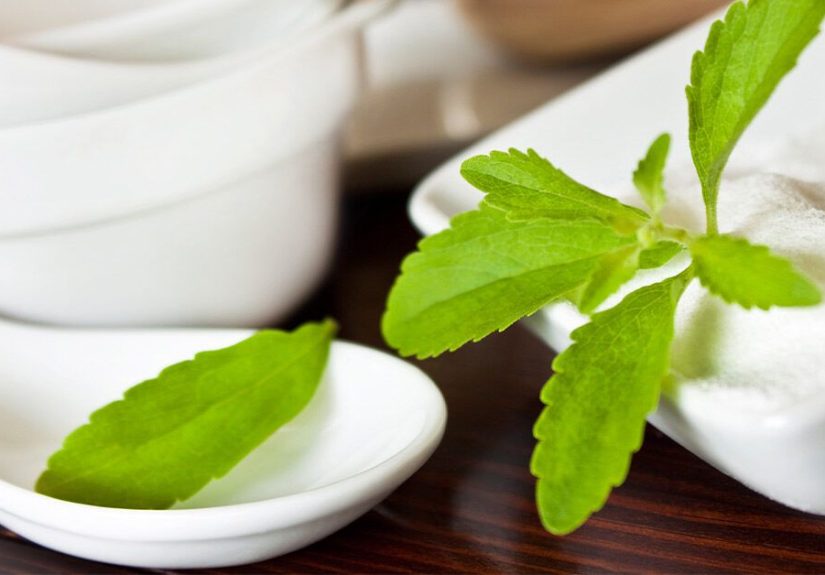
Stevia comes from Stevia rebaudiana, a plant native to South America. The sweet taste comes from compounds called steviol glycosides, especially rebaudioside A and related extracts. These compounds are much sweeter than regular sugar, so only a very small amount is needed.
In the United States, the stevia used in packaged foods and tabletop sweeteners is usually a highly refined extract, not a scoop of crushed green leaves. That distinction matters. The purified forms used in foods are the ones generally recognized as safe for specific uses. Whole-leaf stevia and crude stevia extracts are a different story and are not approved for use as sweeteners in conventional foods.
Translation: the stevia packet in your coffee and the raw stevia supplement promoted by someone with a ring light and excessive confidence are not nutritionally identical twins.
Potential Benefits of Stevia
1. It can help reduce added sugar intake
The biggest advantage of stevia is simple: it provides sweetness with few or no calories. For people trying to cut back on added sugar, that can be genuinely useful. Swapping sugar-sweetened drinks or desserts for versions sweetened with stevia may reduce total calorie intake, especially in the short term.
This can be helpful for people who are working on weight management, trying to lower their intake of sugary beverages, or simply attempting to stop their daily coffee order from becoming a liquid cupcake. If your usual morning drink contains several teaspoons of sugar, replacing some or all of that sweetness with stevia can make a meaningful difference over time.
2. It usually has little effect on blood sugar
Because purified stevia sweeteners are not digested the same way as table sugar, they generally do not cause the same rise in blood glucose. That is one reason stevia is often used by people with diabetes or prediabetes.
That said, “sugar-free” does not always mean “glucose-proof.” Some products marketed as stevia contain added carbohydrates, fillers, or sugar alcohols. If you are managing diabetes, the full ingredient list and total carbohydrate count still matter. The front of the package may be smiling angelically while the nutrition facts are quietly starting trouble.
3. It may support lower-calorie eating patterns
Some human studies suggest that stevia can help reduce overall energy intake when it replaces sugar, especially in beverages and snacks. In real life, this works best when stevia is used as a replacement, not as a license to add extra treats elsewhere. A stevia-sweetened yogurt can help lower sugar intake. A stevia-sweetened yogurt eaten with three frosted pastries is just a very optimistic side quest.
4. It may be better for dental health than sugar
Replacing regular sugar with non-sugar sweeteners can reduce the risk of tooth decay. Sugar feeds cavity-causing bacteria; stevia does not do that in the same way. So if you swap a sugar-heavy beverage for a stevia-sweetened version, your teeth are unlikely to file a formal complaint.
5. It can be useful for people who want sweetness without artificial sweeteners
Some consumers prefer stevia because it is plant-derived rather than fully synthetic. That does not automatically make it superior in every situation, but it can be appealing to people who want a low- or no-calorie sweetener that feels less lab-coat and more leaf-adjacent.
Possible Side Effects of Stevia
Digestive discomfort
One of the most common complaints linked to stevia products is bloating, gas, nausea, or loose stools. In many cases, the real culprit is not the stevia itself but the ingredients blended with it, especially sugar alcohols such as erythritol. These blends are common because pure stevia is intensely sweet and needs bulking agents to behave more like sugar in packets and baking mixes.
If a stevia product makes your stomach feel like it is hosting a marching band, check the label before blaming the plant. A lot of “stevia” products are really a team project.
Aftertaste
Stevia has a flavor profile many people describe as slightly bitter, licorice-like, cooling, or metallic, especially in large amounts. Taste varies wildly from person to person. Some people barely notice it. Others detect it from across the room like a bloodhound with trust issues.
This aftertaste is one reason stevia works better in some foods than others. It often blends well in flavored drinks, yogurt, oatmeal, and smoothies. It can be more obvious in plain coffee, delicate desserts, or recipes where sugar contributes texture as well as sweetness.
Possible interactions with medications or supplements
Stevia may affect blood sugar and blood pressure in ways that matter for some people, especially in supplement form rather than ordinary food use. If you take medication for diabetes or high blood pressure, or you use concentrated herbal supplements, it is wise to talk with a healthcare professional before going all-in on stevia products. Moderate food use is one thing. Capsules, powders, and “detox drops” are another universe entirely.
Overreliance on very sweet foods
Stevia can help people cut added sugar, but it does not automatically retrain the palate. If every yogurt, soda, protein bar, coffee, and “healthy dessert” is still intensely sweet, you may still be reinforcing a strong preference for sweetness. That matters because improving diet quality often involves learning to enjoy foods that are less sweet overall, not just sweetened differently.
Is Stevia Safe?
For most healthy adults, purified steviol glycosides used within normal dietary amounts are considered safe. Regulatory agencies have evaluated these highly purified forms and allowed them in foods and beverages. The acceptable daily intake for steviol glycosides is generally set at 4 milligrams per kilogram of body weight per day, expressed as steviol equivalents.
That sounds technical because it is technical, but for the average person, ordinary use in coffee, tea, yogurt, or a few packaged foods usually stays comfortably below that level. You would generally need a fairly aggressive habit to approach the upper limit daily.
The larger safety caveat is this: whole-leaf stevia and crude extracts are not the same as the purified versions commonly used in foods. Supplements may vary in quality, concentration, and effects. So the answer to “Is stevia safe?” is really “Which stevia are we talking about?”
Who Should Be More Careful With Stevia?
People using diabetes medication
If you are actively managing blood glucose with medication, a lower-sugar diet can change how your body responds over time. Stevia itself is not usually the problem, but your broader dietary pattern matters. Monitoring remains important.
People taking blood pressure medication
Some evidence suggests stevia may have mild blood pressure effects in certain contexts. That does not mean a packet in iced tea will send your numbers into the basement, but people with low blood pressure or those taking antihypertensive drugs should be cautious with concentrated supplements.
People with sensitive digestion
If sugar alcohols bother your stomach, many stevia blends may bother you too. Look for ingredient lists that are short and straightforward.
Parents shopping for children
Using stevia occasionally is one thing; building a child’s diet around highly sweetened “better-for-you” processed snacks is another. Children benefit from learning to enjoy water, fruit, plain yogurt, and less-sweet foods, not just from swapping sugar for a sweeter substitute with a wellness sticker.
How to Choose a Better Stevia Product
If you want to use stevia without disappointment, label reading is your best friend. Look for products that clearly list stevia extract or steviol glycosides and pay attention to what else is included.
- Check for erythritol or other sugar alcohols if you are prone to bloating.
- Watch for dextrose or maltodextrin if you are using stevia to reduce carbohydrate intake.
- Try small amounts first because taste tolerance varies.
- Use it where it works best, such as drinks, oatmeal, yogurt, or recipes with stronger flavors.
- Do not assume “natural” means unlimited. Sweet is still sweet, even when it arrives wearing hiking boots.
Stevia vs. Sugar and Other Sweeteners
Compared with sugar: stevia usually wins on calories and blood sugar impact. Sugar still performs better in baking texture and caramelization.
Compared with honey or maple syrup: stevia has fewer calories and less effect on blood glucose, but honey and maple syrup are often easier to cook with and taste more familiar.
Compared with artificial sweeteners: stevia has the advantage of being plant-derived, but that does not automatically make it healthier in every context. The broader diet matters more than winning the sweetener identity contest.
Compared with monk fruit: both are low- or no-calorie options, though taste preferences differ. Some people find monk fruit smoother; others prefer stevia’s cleaner finish in drinks.
The Bottom Line
Stevia can be a helpful sugar substitute, especially for people trying to cut added sugar, reduce calorie intake, or choose a sweetener with little effect on blood glucose. For most adults, purified stevia products are considered safe when used in moderation. The main drawbacks are digestive issues from blended ingredients, taste complaints, and the tendency for marketing to overpromise what is really just a sweetener.
Used thoughtfully, stevia can make healthier choices easier. Used carelessly, it can become another excuse to keep a hyper-sweet diet in a different costume. The smartest approach is not to worship stevia or fear it. It is to use it as one tool among many in a diet built around whole foods, fewer sugary drinks, and a palate that does not require everything to taste like dessert.
What Real-Life Stevia Use Often Feels Like
Here is the part nutrition labels rarely tell you: the “experience” of using stevia is often less about science and more about habits, expectations, and whether you just dumped two heroic spoonfuls into black coffee at 6:45 a.m.
For many people, the first experience with stevia is surprisingly dramatic. They expect it to taste exactly like sugar, discover that it does not, and immediately decide either that it is genius or that civilization has gone too far. In reality, there is usually an adjustment period. A person who is used to very sweet foods may notice the aftertaste more strongly at first. Someone already cutting back on sugar may find the transition much easier.
Coffee is often the battlefield. In flavored lattes or iced drinks, stevia can work pretty well. In plain hot coffee, especially dark roast, people tend to notice the bitter or slightly metallic edge more. Tea is usually easier. Yogurt is easier still. Smoothies are the diplomatic peace treaty of stevia use because fruit, cinnamon, cocoa, or vanilla can help cover the aftertaste.
Then there is the label-reading phase, where many people realize their “stevia product” is not just stevia. It may include erythritol for bulk, dextrose for texture, or flavorings that make the product behave more like sugar. This is often the moment when someone connects the dots between “I used stevia” and “Why does my stomach sound like a haunted accordion?” Once they switch to a different formula, the experience often improves.
Baking with stevia is another very real learning curve. Sugar does more than sweeten. It adds bulk, moisture, browning, and structure. So when people try to replace sugar one-for-one with stevia in cakes or cookies, the result can be… educational. Sometimes the dessert is fine. Sometimes it tastes like ambition and drywall. The most successful home cooks usually use stevia in recipes designed specifically for it or combine it with other ingredients instead of forcing it to play every role sugar used to play.
People using stevia for blood sugar management often describe the biggest benefit as convenience. They can sweeten coffee, oatmeal, or plain yogurt without feeling like they are pouring glucose straight into the day. But experienced users usually become label detectives. They know that “no sugar added” and “sweetened with stevia” are not magic phrases. A protein bar can still be calorie-dense. A flavored drink can still train your taste buds to expect sweetness every hour on the hour.
Another common experience is that stevia becomes more tolerable as the rest of the diet becomes less sweet. This is a big one. When people reduce sugary sodas, candy, syrupy creamers, and ultra-sweet snacks, their taste buds often calm down. Foods that once seemed bland start tasting normal. Fruit tastes sweeter. Unsweetened yogurt becomes less shocking. In that context, stevia often works better because it is no longer competing with a daily sugar parade.
There is also a psychological side. Some people use stevia as a smart substitution and move on with their lives. Others accidentally turn it into a “health pass,” thinking that a zero-sugar label means unlimited intake. That is usually when disappointment arrives wearing yoga pants. Stevia can help lower sugar intake, but it cannot cancel out an otherwise chaotic eating pattern.
In the best real-life scenarios, stevia is boring in the best way. It quietly helps someone drink less sugar, enjoy plain foods a little more, and make a few easier choices each day. No miracle. No meltdown. Just fewer sugar crashes, fewer liquid calories, and a little less drama in the grocery cart.
Note: This article is for general informational purposes only and is not medical advice. For personalized guidance, especially if you have diabetes, digestive issues, low blood pressure, or take prescription medications, speak with a licensed healthcare professional.