Table of Contents >> Show >> Hide
- What Is a Urine pH Level Test?
- Purpose of the Urine pH Test
- How the Procedure Works
- How to Prepare for a Urine pH Test
- Understanding Urine pH Results
- Common Factors That Can Affect Urine pH
- Urine pH and Kidney Stones
- Urine pH and UTIs
- When Should You Call a Doctor?
- Practical Tips for More Accurate Testing
- What Happens After an Abnormal Result?
- Experiences Related to Urine pH Testing
- Conclusion
Medical note: This article is for general educational purposes and does not replace medical advice. Urine pH is only one part of a urinalysis, so always review abnormal or confusing results with a qualified health care provider.
Your urine may not seem like the most glamorous messenger in the body, but it is surprisingly chatty. A urine pH level test checks how acidic or alkaline your urine is, giving doctors clues about hydration, diet, kidney function, urinary tract infections, kidney stones, and certain metabolic conditions. In other words, a tiny cup of pee can sometimes say, “Hey, something deserves a closer look.”
A urine pH test is usually done as part of a urinalysis, a common lab test that examines the color, appearance, chemical makeup, and microscopic contents of urine. The pH portion focuses on acid-base balance. A lower number means more acidic urine; a higher number means more alkaline urine. While one result rarely tells the whole story, it can help guide the next smart question: Is this normal for you, or is your urinary system waving a small yellow flag?
What Is a Urine pH Level Test?
A urine pH level test measures the acidity or alkalinity of urine on the pH scale, which runs from 0 to 14. A pH of 7 is neutral. Numbers below 7 are acidic, and numbers above 7 are alkaline, also called basic. Urine is often slightly acidic because the kidneys help remove excess acids produced by normal metabolism.
Most laboratories consider a urine pH around 5.0 to 8.0 to be within a typical range, although reference ranges can vary slightly. A single urine pH result can shift after meals, exercise, medications, supplements, hydration changes, and even how long the sample sits before testing. That is why doctors interpret urine pH alongside symptoms and other urinalysis findings, such as protein, blood, glucose, ketones, leukocyte esterase, nitrites, crystals, and specific gravity.
Purpose of the Urine pH Test
The purpose of a urine pH test is not to judge whether your body is “too acidic” in a trendy wellness sense. Your blood pH is tightly controlled by the lungs and kidneys, and urine pH naturally changes as the kidneys do their job. The test is useful because unusual urine acidity may support diagnosis, treatment planning, or monitoring.
1. Screening during a routine urinalysis
Many people first see urine pH on a routine lab report. A doctor may order a urinalysis during an annual checkup, before surgery, during pregnancy care, or when evaluating symptoms such as painful urination, frequent urination, abdominal pain, flank pain, fever, cloudy urine, or blood in the urine.
2. Evaluating kidney stones
Urine pH can influence which crystals and stones are more likely to form. Very acidic urine may be associated with uric acid stones or cystine stones in susceptible people. More alkaline urine may be linked with certain infection-related stones, such as struvite stones. A person with repeated kidney stones may need a 24-hour urine collection, which can measure urine pH, total urine volume, calcium, oxalate, citrate, uric acid, sodium, and other factors.
3. Looking for urinary tract infection clues
Urine pH alone cannot diagnose a urinary tract infection, but it can add context. Some bacteria can make urine more alkaline. If alkaline urine appears together with symptoms, nitrites, white blood cells, leukocyte esterase, bacteria, or a positive urine culture, a clinician may suspect infection. The key phrase is “together with.” A lonely pH number is not enough evidence to start a medical drama.
4. Checking kidney acid-handling problems
The kidneys help remove acids from the blood and excrete them in urine. Certain kidney tubule disorders, such as renal tubular acidosis, can affect this process. When doctors suspect an acid-base disorder, urine pH may be reviewed with blood electrolytes, bicarbonate, kidney function tests, and sometimes specialized urine testing.
5. Monitoring treatment
In specific situations, doctors may intentionally adjust urine pH. For example, some patients with uric acid stones may be prescribed potassium citrate or another alkalinizing therapy to make urine less acidic. Certain medications also work best within a specific urine pH range. Patients should never try to force urine pH up or down without medical guidance, because the “right” pH depends on the condition being treated.
How the Procedure Works
The urine pH test is simple, quick, and usually painless unless your pride is injured by having to carry a little specimen cup through a hallway. The test may be done in a clinic, hospital, urgent care center, or laboratory. In some cases, home dipstick testing may be recommended by a clinician, but lab testing is more reliable when diagnosis matters.
Step 1: You receive a collection cup
A staff member gives you a sterile container and instructions. For a routine urinalysis, you usually provide a random urine sample. For stone evaluation or certain metabolic concerns, you may be asked to collect urine over 24 hours.
Step 2: You collect a clean-catch sample
For many urine tests, a clean-catch midstream sample is preferred. This means you clean the genital area, begin urinating into the toilet, then collect urine midstream in the cup. This method helps reduce contamination from skin cells, bacteria, or discharge.
Step 3: The sample is tested
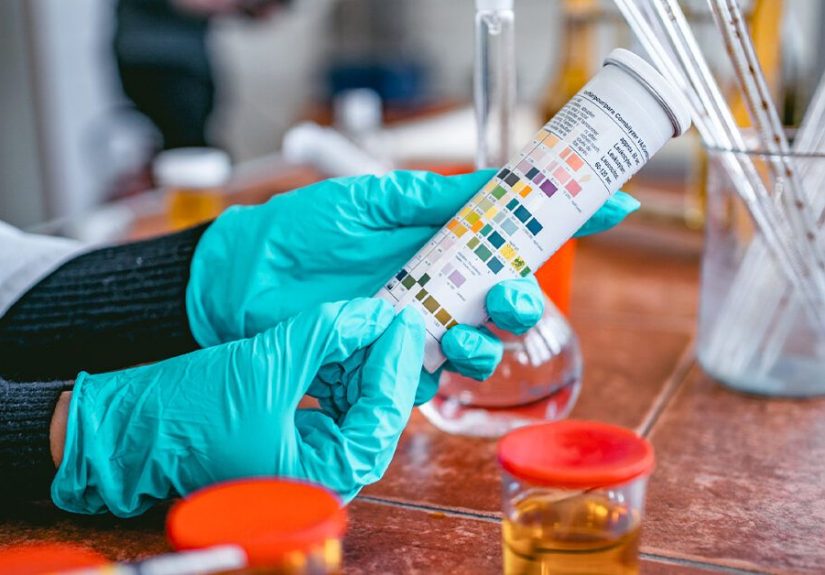
The lab or clinic may test the urine with a dipstick, which has small chemical pads that change color when exposed to different urine components. The pH pad changes color according to acidity or alkalinity. Some laboratories may use more precise instruments depending on the type of test ordered.
Step 4: Results are interpreted with the full urinalysis
Your provider reviews the pH result with other findings. For example, a pH of 8.0 might be less concerning in someone without symptoms and with an otherwise normal urinalysis. The same pH could matter more in someone with burning urination, nitrites, white blood cells, and bacteria.
How to Prepare for a Urine pH Test
For a basic urine pH test, preparation is usually minimal. Drink fluids normally unless your doctor gives different instructions. Do not suddenly chug water like you are training for the Hydration Olympics, because an overly diluted sample may affect other parts of the urinalysis.
Tell your health care provider about prescription medications, over-the-counter drugs, vitamins, and supplements. Some products can affect urine chemistry or urine color. Also mention recent dietary changes, vomiting, diarrhea, fever, intense exercise, urinary symptoms, or a history of kidney stones.
If your doctor orders a 24-hour urine test, follow the instructions carefully. You may need to discard the first urine of the day, then collect all urine for the next 24 hours in a special container. Missing even one bathroom trip can make the results less accurate. Yes, the container may become your temporary bathroom buddy. No, it is not glamorous. Yes, it is useful.
Understanding Urine pH Results
Urine pH results are usually reported as a number, such as 5.5, 6.0, 6.5, 7.0, or 8.0. A typical result often falls between 5.0 and 8.0, but the meaning depends on the laboratory range and the clinical situation.
Acidic urine
Acidic urine generally means the pH is below 7. It may occur after eating more animal protein, during fasting, with dehydration, with diarrhea, or in people prone to certain stones. Very acidic urine may increase the risk of uric acid stone formation in susceptible individuals. It may also appear in some metabolic conditions, but pH alone does not diagnose them.
Alkaline urine
Alkaline urine generally means the pH is above 7. It may occur after a diet high in fruits and vegetables, after vomiting, with some medications, or when a urine sample is old and bacteria have changed its chemistry. Alkaline urine may also be seen with some urinary tract infections, especially those involving bacteria that split urea, and it can be associated with certain types of stones.
Normal does not always mean “nothing is happening”
A normal urine pH is reassuring, but it does not rule out every urinary or kidney condition. Someone can have kidney disease, infection, diabetes-related urine changes, or stones with a pH that still lands inside the reference range. That is why the full urinalysis matters.
Common Factors That Can Affect Urine pH
Urine pH changes throughout the day. This is normal. Your kidneys are not lazy; they are constantly adjusting what leaves the body.
Diet
Food patterns can influence urine pH. Diets higher in animal proteins may make urine more acidic. Diets rich in fruits and vegetables may make urine more alkaline. This does not mean one diet is automatically good or bad. The best eating pattern depends on the person’s health, kidney stone history, medical conditions, and nutritional needs.
Hydration
Hydration affects urine concentration more directly than pH, but concentrated urine can make crystals more likely to form. For many people with kidney stone risk, clinicians emphasize producing enough urine each day, not simply chasing a certain pH number.
Medications and supplements
Some medicines can affect urine pH or require a certain urine pH to work properly. Examples include alkalinizing agents, acidifying agents, and certain medications used for urinary conditions. Because supplements can also alter urine chemistry, it is wise to mention them during medical visits.
Sample handling
A urine sample should usually be tested promptly. If it sits too long, bacterial growth can alter the pH and make results less trustworthy. This is one reason lab instructions matter more than people expect.
Urine pH and Kidney Stones
Kidney stones are solid masses that can form when minerals and salts crystallize in the urinary tract. Urine pH is one piece of the stone puzzle. Uric acid stones tend to form in persistently acidic urine. Struvite stones often develop in alkaline urine associated with certain infections. Cystine stones are more likely in acidic urine in people with cystinuria, a rare inherited condition.
However, the pH number is not the whole story. Stone risk also depends on urine volume, calcium, oxalate, citrate, uric acid, sodium intake, medical history, family history, and medications. A person with recurrent stones may benefit from a stone analysis and a 24-hour urine test. This personalized information helps clinicians recommend targeted prevention instead of generic advice that may or may not fit.
Urine pH and UTIs
A urinary tract infection happens when germs grow in the urinary system. Symptoms may include burning during urination, urgency, frequent urination, pelvic discomfort, cloudy urine, strong-smelling urine, fever, or flank pain. A urine pH result may support the overall picture, but it cannot confirm or rule out a UTI by itself.
Clinicians often look for nitrites, leukocyte esterase, white blood cells, bacteria, and sometimes a urine culture. A culture can identify the bacteria and help guide antibiotic selection. If you have symptoms of a UTI, especially fever, back pain, pregnancy, kidney disease, diabetes, or recurrent infections, medical care is important. Cranberry juice may have a charming reputation, but it is not a substitute for proper evaluation when symptoms are significant.
When Should You Call a Doctor?
Contact a health care provider if your urine pH result is abnormal and you have symptoms, a history of kidney stones, recurrent UTIs, known kidney disease, or confusing lab results. Seek prompt care for fever, chills, severe flank pain, vomiting, blood in the urine, inability to urinate, symptoms during pregnancy, or signs of dehydration.
Also call your provider if you are using home urine pH strips and repeatedly getting unusual readings. Home strips can be useful in selected cases, but they are not a crystal ball. They can be affected by timing, storage, lighting, contamination, and interpretation errors. The human eye is not always a laboratory instrument, even if it has confidence.
Practical Tips for More Accurate Testing
- Follow the collection instructions exactly.
- Use the sterile cup provided by the clinic or lab.
- Collect a midstream clean-catch sample when instructed.
- Deliver the sample quickly or store it as directed.
- Tell your provider about medications, supplements, diet changes, and symptoms.
- Do not try to “fix” your urine pH before testing unless your clinician tells you to.
What Happens After an Abnormal Result?
An abnormal urine pH result may lead to simple follow-up or additional testing. Your doctor may repeat the urinalysis, order a urine culture, check kidney function with blood tests, review electrolytes, request imaging for suspected stones, or order a 24-hour urine collection. The next step depends on the pattern of results and your symptoms.
For example, a patient with alkaline urine, fever, flank pain, and bacteria in the urine may need evaluation for infection. A patient with repeated uric acid stones and acidic urine may need a prevention plan involving fluids, diet changes, and medication. A patient with mild pH variation and no symptoms may simply need no treatment at all. Context is the boss.
Experiences Related to Urine pH Testing
People often discover urine pH testing in one of three ways: a routine checkup, a UTI scare, or a kidney stone episode that immediately earns a permanent spot in their memory. The routine-checkup crowd usually feels surprised. They expected cholesterol numbers and maybe a lecture about vegetables, not a urine report with pH, specific gravity, nitrites, protein, and enough abbreviations to look like a tiny science exam.
A common experience is seeing a result like “pH 8.0” or “pH 5.0” and immediately searching online with mild panic. The tricky part is that both numbers can be normal in the right context. One person may have alkaline urine after a vegetable-heavy dinner. Another may have acidic urine after eating more protein or being slightly dehydrated. Without symptoms or other abnormal findings, a single number often matters less than people fear.
For people with kidney stones, urine pH testing can feel more personal. Someone who has passed a stone may become highly motivated to prevent another one. Suddenly, water bottles become emotional support objects, and the phrase “24-hour urine collection” enters the household vocabulary. In this setting, pH can help the clinician understand whether urine is too acidic or too alkaline for that person’s stone type. The experience can be annoying, but it can also be empowering because it turns prevention into a plan rather than guesswork.
Patients dealing with recurrent UTIs may also encounter urine pH on lab reports. They may notice that pH changes from one test to another and wonder whether they can control it with food, supplements, or drinks. The safer lesson is this: symptoms and culture results matter more than pH alone. If burning, urgency, fever, or back pain shows up, the priority is proper medical evaluation, not trying to outsmart bacteria with a kitchen experiment.
Home urine pH strips create another familiar experience. They look simple, but using them well requires consistency. Testing at random times, reading colors under poor lighting, or comparing the strip too late can lead to unreliable results. Some people become overly focused on “perfect” pH and forget that normal urine changes throughout the day. The goal is not to micromanage every bathroom trip. The goal is to follow a clinician’s plan when monitoring is medically useful.
The best patient experience usually comes from asking practical questions: Why was this test ordered? Is my result concerning with the rest of my urinalysis? Do I need repeat testing? Should I change anything, or should I leave it alone? These questions turn a confusing lab number into a useful conversation. Urine pH may not be glamorous, but it can be helpful when interpreted calmly, accurately, and without treating the internet as your primary care provider.
Conclusion
A urine pH level test is a small part of a larger health picture. It measures how acidic or alkaline your urine is and may help evaluate kidney stones, urinary tract infections, kidney acid-handling problems, medication effects, and overall urine chemistry. The test is simple, but interpretation is not always simple. A result that looks unusual may be harmless in one person and meaningful in another.
The smartest approach is to look at urine pH together with symptoms, medical history, and the rest of the urinalysis. Drink fluids normally, follow collection instructions, avoid self-treating based on one number, and ask your health care provider what your results mean for you. Your urine may be humble, but when tested correctly, it can provide useful clues your body has been quietly sending downstream.