Table of Contents >> Show >> Hide
- Why DIY Statement Wall Paneling Works So Well
- Pick the Right Style Before You Buy Anything
- How to Plan a Statement Wall That Looks Custom
- Best Materials for DIY Wall Paneling
- Step-by-Step: How to Build DIY Statement Wall Paneling
- Common Mistakes That Can Ruin the Look
- Design Ideas That Make Statement Wall Paneling Look Even Better
- How Much Does DIY Statement Wall Paneling Cost?
- Where Statement Wall Paneling Works Best
- Extra Experience: What DIY Statement Wall Paneling Actually Feels Like in Real Life
- Final Thoughts
If your room feels a little too polite, a statement wall is the design equivalent of giving it a strong cup of coffee. Suddenly the space has energy, texture, and just enough attitude to make guests say, “Wait, did you hire someone?” That is the magic of DIY wall paneling. It looks custom, feels high-end, and can be surprisingly achievable for a motivated weekend warrior with a tape measure, a level, and a healthy fear of cutting the wrong board.
Whether you love classic board-and-batten, sleek wood slats, picture-frame molding, or a shiplap-inspired look, statement wall paneling adds depth that paint alone simply cannot fake. It turns a flat surface into an architectural feature, gives small rooms more personality, and helps builder-grade spaces stop looking like they came straight out of a giant beige vending machine.
In this guide, you will learn how to plan, design, build, and finish a DIY statement wall paneling project that actually looks intentional. We will cover materials, layout, style options, paint choices, common mistakes, and real-life lessons from people who learned the hard way that walls are rarely as straight as their optimism.
Why DIY Statement Wall Paneling Works So Well
Good wall paneling does three things at once. First, it adds visual texture. Second, it creates a focal point without filling the room with extra furniture or clutter. Third, it gives a space a more finished, architectural look. In other words, it is the home improvement version of putting on a blazer. Same room, suddenly more important.
A statement wall can work in bedrooms behind the bed, dining rooms, entryways, living rooms, hallways, home offices, and even bathrooms if you use the right materials and moisture-aware paint strategy. It can also help define a zone inside an open room. A slat wall behind a desk makes a work corner feel intentional. A paneled wall behind a sofa makes the seating area look styled instead of merely occupied.
The beauty of DIY wall paneling is range. You can create a traditional look with rectangular molding boxes, a modern feel with evenly spaced vertical slats, a farmhouse-inspired board-and-batten wall, or a subtle half-wall treatment that adds charm without swallowing the whole room.
Pick the Right Style Before You Buy Anything
Board-and-Batten
This is one of the most popular choices for a reason. Board-and-batten uses vertical strips over a flat wall or backing panel to create depth and rhythm. It works beautifully in bedrooms, entryways, and dining rooms. If you want timeless without feeling stuffy, this is your friend.
Picture-Frame Molding
This style creates elegant rectangular frames directly on the wall. It is ideal for formal spaces, offices, and living rooms that want a polished, tailored look. It can be painted the same color as the wall for subtle dimension or in a contrasting color if you enjoy drama and compliments.
Wood Slat Wall
Vertical slats bring a more contemporary, boutique-hotel vibe. They look especially strong in media rooms, bedrooms, and minimalist spaces. This style can also visually stretch a room upward, which is helpful when your ceiling height is trying its best but is not fooling anyone.
Shiplap or Plank Wall
Shiplap is still popular when used thoughtfully. It adds texture and character, especially in coastal, cottage, farmhouse, or casual interiors. Just avoid turning every wall in the house into a rustic tribute band.
Beadboard or Half-Wall Paneling
Perfect for bathrooms, mudrooms, breakfast nooks, and cottage-inspired rooms, beadboard and half-wall paneling add charm without taking over. It is a softer, quieter statement wall option that still earns its keep.
How to Plan a Statement Wall That Looks Custom
The difference between a stunning DIY statement wall and a suspicious wall experiment is almost always the layout. Do not skip the planning stage. This is where the project either becomes gorgeous or becomes a very expensive lesson in geometry.
Start with the Right Wall
Pick a wall that naturally wants to be noticed. Behind a bed, behind a sofa, around a fireplace, or at the end of a hallway are all strong choices. Avoid walls that are interrupted by too many doors, vents, switches, or random obstacles unless you truly enjoy design puzzles.
Measure Everything Twice
Measure the full width and height of the wall. Then measure again around outlets, windows, trim, and any permanent features. Sketch the wall on paper or use a simple design app. The goal is to balance the pattern so the wall looks intentional from edge to edge.
Use Spacing That Feels Even
For symmetrical designs, work out the spacing before you cut any trim. Many DIYers use spacer blocks or mark the full wall in painter’s tape first. That lets you step back and check proportions before the nail gun gets involved and starts making permanent decisions.
Test the Design with Tape
This step is annoyingly helpful. Painter’s tape lets you preview the pattern, adjust spacing, and see whether the design feels too busy, too sparse, or just right. A design that looked fabulous in your head may suddenly appear as if your wall is wearing suspenders. Better to learn that now.
Best Materials for DIY Wall Paneling
- Pre-primed MDF trim for paint-grade projects on smooth interior walls
- Pine or poplar boards if you prefer real wood
- Construction adhesive for extra hold
- Finish nails or brad nails for fastening trim
- Wood filler or spackle for nail holes
- Paintable latex caulk for seams and edges
- Primer for bare wood, repaired areas, or surfaces that need better adhesion
- Interior wall paint or trim enamel depending on your finish goals
- Level, tape measure, pencil, stud finder, miter saw, and nail gun
MDF is often the budget-friendly favorite because it is smooth, consistent, and ideal for painted projects. The trade-off is that it can reveal wall unevenness, so older walls may need a bit of shimming, sanding, or patience. Real wood can be more forgiving visually, but usually costs more and may need extra prep.
Step-by-Step: How to Build DIY Statement Wall Paneling
1. Prep the Wall
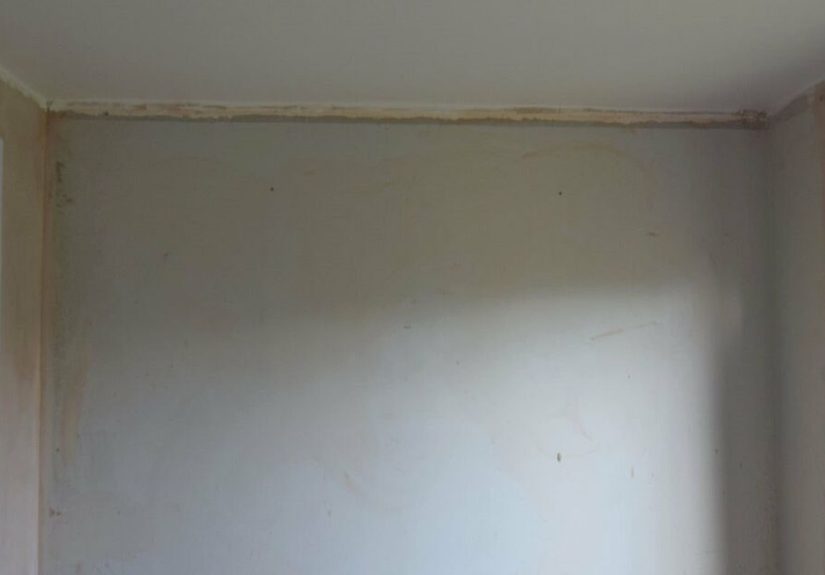
Remove wall decor, outlet covers, nails, and anything else in the way. Clean the surface and patch dents or holes. If the existing wall is textured, think through whether that texture will show between the trim pieces. In some cases, the look is fine. In others, it ruins the crisp finish you were after.
2. Mark Studs and Reference Lines
Use a stud finder and mark the studs lightly. Then use a level or laser level to draw your first reference lines. For symmetrical designs, many people start from the center and work outward. That helps prevent awkward tiny sections at the edges.
3. Install the Main Horizontal Boards First
If your design includes a top rail or lower ledge, install those first. They help anchor the whole pattern and make the vertical pieces easier to place consistently. Check for level even if your ceiling or baseboard insists on being emotionally unpredictable.
4. Cut and Dry-Fit Your Vertical or Framed Pieces
Measure each board individually before cutting, especially in older homes. Walls and floors are not always perfectly square, and pretending they are can lead to gaps large enough to host a family of dust bunnies. Dry-fit the pieces before attaching them.
5. Attach with Adhesive and Nails
Apply a small amount of construction adhesive to the back of each piece, then secure it with finish nails. Adhesive helps with long-term hold, while nails keep everything in place as it cures. If you are installing a slat wall, keep spacers nearby so the gaps remain consistent all the way across.
6. Work Slowly Around Outlets and Switches
Nothing says “weekend project” quite like cutting one board three times because an outlet was slightly off. Measure carefully and use a jigsaw or multi-tool when needed. Keep outlet covers off until paint is fully dry for a cleaner finish.
7. Fill Nail Holes and Seams
Once the boards are installed, fill nail holes with wood filler or spackle. After it dries, sand it smooth. Then caulk the seams where the trim meets the wall. This is the moment when the project stops looking like separate pieces of wood and starts looking built-in.
8. Prime and Paint
Prime any bare wood, repaired areas, and spots that need a more even base. After primer dries, lightly sand for a smoother result and wipe away dust. Then paint the wall. Many people paint the entire feature wall, trim included, in one color for a cohesive designer look. A satin or eggshell finish often works well on walls, while trim enamel can add extra durability on high-contact details.
Common Mistakes That Can Ruin the Look
Ignoring Wall Imperfections
Paneling can highlight flaws instead of hiding them. If your wall bows, waves, or leans into chaos, plan for shims, strategic caulk, or a simpler design.
Choosing a Pattern That Is Too Busy
Not every wall needs a thousand intersecting lines. Sometimes a cleaner pattern looks more expensive. When in doubt, simplify.
Skipping the Caulk
A beautifully installed wall without caulk can still look unfinished. Caulk softens seams, hides minor inconsistencies, and gives the final result that custom, professional feel.
Using the Wrong Paint Strategy
If you paint raw wood or patched areas without proper prep, the finish may look blotchy or uneven. If you use a flimsy paint in a high-traffic area, your gorgeous wall may start wearing fingerprints like an unfortunate accessory.
Forgetting the Room Around the Wall
A statement wall should support the room, not wrestle it to the ground. Think about furniture placement, art, lighting, and scale. A bold slat wall behind a tiny side table can feel mismatched. A large board-and-batten wall behind a bed, on the other hand, often looks strong and balanced.
Design Ideas That Make Statement Wall Paneling Look Even Better
Monochromatic paneling is one of the easiest ways to get a high-end result. Paint the trim and wall the same color so the texture becomes the star. This works beautifully with warm whites, greige, soft sage, dusty blue, charcoal, and muted black.
If you want contrast, pair a darker paneled wall with lighter surrounding walls. This works especially well in dining rooms, offices, and bedrooms where you want the statement wall to feel intentional and cozy.
You can also use lighting to make the paneling do more work. Wall sconces, picture lights, or directional lamps can highlight the texture at night and turn the wall into a feature even when the rest of the room is off duty.
For modern homes, vertical slats in a medium wood tone or painted black can create a sleek, sculptural look. For traditional spaces, picture-frame molding in a rich neutral adds timeless polish. For cottage or farmhouse rooms, board-and-batten or shiplap still look great when paired with updated furnishings and not too many roosters.
How Much Does DIY Statement Wall Paneling Cost?
The cost depends on the style, material, wall size, and whether you already own tools. A simple picture-frame molding wall using MDF trim can be fairly affordable. A full slat wall with premium wood and specialty paint will cost more. In general, you can save a significant amount by doing the labor yourself, especially for walls that are mostly trim, careful measuring, and paint.
The smartest way to protect your budget is to finalize the design before shopping. Wandering into a home improvement store without a cut list is how you end up buying six extra boards, three mystery trim profiles, and a storage bin you did not need but somehow now own forever.
Where Statement Wall Paneling Works Best
- Bedroom: Behind the bed to create a headboard effect
- Living room: Behind a sofa or fireplace wall
- Dining room: Full wall or lower-wall treatment for elegance
- Entryway: A practical and stylish first impression
- Home office: A polished backdrop for meetings and focus
- Bathroom: Half-wall paneling with moisture-conscious materials and paint
- Hallway: Subtle paneling to add architectural interest
Extra Experience: What DIY Statement Wall Paneling Actually Feels Like in Real Life
There is a very specific moment in every wall paneling project when confidence leaves the room. It usually happens right after the first board goes up. Before that moment, everything feels cinematic. You have a mood board. You have coffee. You have trim stacked nearby in a way that suggests competence. Then the first piece hits the wall, and suddenly you are wondering whether you have accidentally started building a giant indoor picture frame for no reason.
But that wobble is part of the process. People who tackle DIY statement wall paneling often discover that the real transformation happens in stages. First it looks weird. Then it looks messy. Then it looks suspiciously homemade. And then, almost magically, the filler gets sanded, the seams get caulked, the paint goes on, and the wall pulls itself together like a miracle in satin finish.
One of the most common experiences with this kind of project is learning just how un-straight a supposedly normal wall can be. You start with optimism and a level, and by the end you are having a respectful but tense relationship with your baseboard. Tiny gaps appear where no gap should exist. Measurements change by a fraction from one side to the other. That is when patience matters more than perfection. The best DIYers are not people who never make mistakes. They are people who know how to hide them elegantly with caulk, filler, and smart paint choices.
Another real-world lesson is how much paint matters. Fresh paint is not the side dish in this project. It is the closer, the referee, and sometimes the therapist. A wall that looks choppy before paint can look custom after two smooth coats. A bold color can make simple trim look expensive. A soft neutral can make a busy room feel calmer. And choosing one unified color for both the wall and the trim often creates that professionally designed look people chase online.
There is also the emotional reward. A finished statement wall changes the feeling of a room fast. Bedrooms feel calmer and more intentional. Home offices feel less temporary. Dining rooms feel like places where adults might serve a meal on purpose instead of eating over the sink. Even renters and first-time DIYers often say a wall treatment makes the space feel more like theirs. It is not just decoration. It is ownership with a nail gun.
Maybe the best part is that statement wall paneling teaches useful confidence. After you cut trim, work around outlets, fix bad measurements, and still end up with a wall you are proud of, regular paint projects stop feeling scary. You start seeing blank walls as possibilities. Dangerous? Possibly. Empowering? Absolutely.
Final Thoughts
DIY statement wall paneling is one of the most effective ways to make a room look more custom, more polished, and more expensive than it really was. The secret is not buying the fanciest material. It is planning the layout, choosing the right style for the room, taking your time on prep, and finishing every seam like it matters. Because it does.
If you want the biggest visual return for your effort, start with one wall, keep the design clean, and commit to a finish that suits the space. Done well, a paneled feature wall does not just decorate a room. It gives the room a point of view. And that is a lot more memorable than another plain painted rectangle pretending to have personality.