Table of Contents >> Show >> Hide
- Why Tile Samples Make Excellent DIY Trivets
- What Kind of Tile Works Best for Trivets?
- Supplies You Need
- How to Turn Tile Samples Into Pretty Trivets
- Design Ideas for Beautiful Tile Trivets
- Safety Tips Before You Put Hot Dishes on Tile Trivets
- How to Clean and Care for Tile Trivets
- Why This DIY Project Is Budget-Friendly and Sustainable
- Common Mistakes to Avoid
- Creative Ways to Use Your Tile Trivets Beyond Hot Dishes
- Experience: What I Learned Turning Tile Samples Into Pretty Trivets
- Conclusion
Some home projects start with a grand vision. Others start with a tiny tile sample you forgot you ordered, discovered weeks later in a junk drawer next to a mystery screw, two dead batteries, and a pen that has emotionally retired. The good news? Those small ceramic, porcelain, stone, or glass tile samples can become something far more useful than “future decision clutter.” They can become pretty trivets: stylish little heat-safe landing pads for hot mugs, serving bowls, teapots, casseroles, and kitchen moments that deserve a bit of flair.
Turning tile samples into pretty trivets is one of those DIY home decor projects that feels almost suspiciously easy. You do not need a garage full of power tools, a design degree, or the patience of a saint. With the right tile, a few felt or cork pads, a clean work surface, and a little creative confidence, you can create handmade trivets that look boutique-worthy without asking your wallet to perform gymnastics.
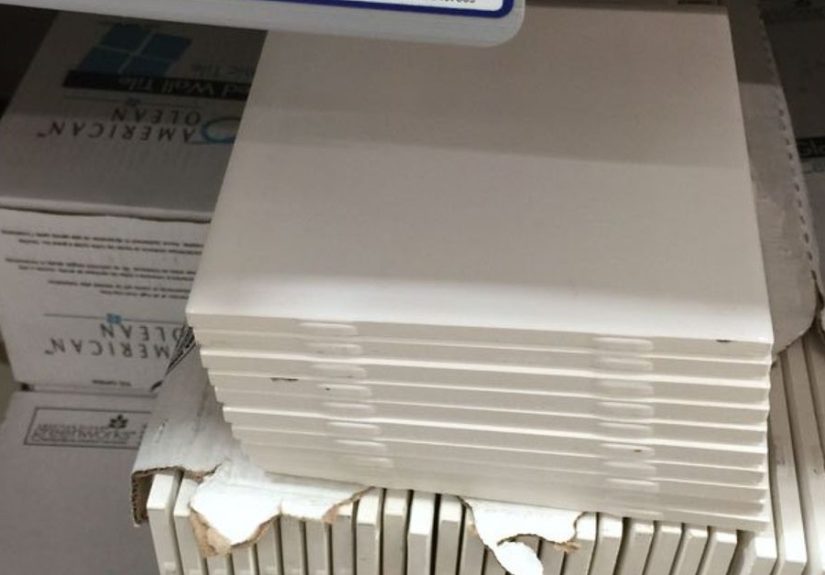
Better yet, this project is practical. Ceramic and porcelain tiles are commonly used in kitchens because they are durable, easy to clean, moisture-resistant, stain-resistant, and flame-resistant. Tile samples are also widely available from home improvement retailers, tile showrooms, and online sample programs, making them perfect for small craft projects. In short: your “I might use this someday” tile has finally met its destiny.
Why Tile Samples Make Excellent DIY Trivets
A trivet has one main job: protect your table or countertop from heat, scratches, and moisture. A tile sample is already built for a tougher life than sitting under a teapot. Many ceramic and porcelain tiles are made to handle floors, walls, backsplashes, bathrooms, kitchens, and even outdoor spaces. That means they bring durability to the tableliterally.
Tile samples are especially useful because they come in manageable sizes. A 4-inch square tile can become a coaster or mini trivet for a mug. A 6-inch tile works beautifully for a teapot, small saucepan, or serving dish. Larger 8-inch or 12-inch samples can become statement trivets for casseroles, Dutch ovens, or a dramatic loaf of sourdough that insists on being admired.
Another major advantage is design variety. Tile samples come in marble looks, terrazzo looks, handmade-look zellige styles, patterned encaustic-inspired designs, subway shapes, hexagons, mosaics, slate, travertine, and glossy ceramic finishes. One sample can look clean and modern; another can feel farmhouse, Mediterranean, coastal, vintage, boho, or “I found this in a tiny shop in Santa Fe,” even if you actually found it online at 11:42 p.m.
What Kind of Tile Works Best for Trivets?
Not every tile sample is ideal for every kind of trivet. The best option depends on how you plan to use it. For everyday kitchen use, ceramic and porcelain tiles are usually the easiest winners. They are durable, widely available, simple to clean, and come in endless designs. Porcelain is dense and often less porous than standard ceramic, while glazed ceramic offers a smooth surface that wipes clean quickly.
Ceramic and Porcelain Tile Samples
Ceramic and porcelain tile samples are excellent for simple DIY trivets because they resist stains and moisture and offer a hard surface for hot dishes. Choose a tile with a flat back so the felt or cork pads adhere evenly. A slightly textured face can look beautiful, but avoid deep grooves if you want an easy-clean surface. Tomato sauce has a talent for finding tiny crevices. It should not be encouraged.
Natural Stone Tile Samples
Natural stone samples, such as marble, slate, travertine, or granite, can make elegant trivets. Granite and slate are especially attractive for a rustic or modern kitchen. However, stone can be porous, so it may stain more easily unless sealed. If you choose natural stone, keep it mostly decorative or use it under dry dishes. For saucy casseroles, glazed ceramic may be the less dramatic roommate.
Glass and Mosaic Tile Samples
Glass mosaic tile samples can be gorgeous, especially for decorative trivets, candle bases, or coffee table accents. For hot pots and heavy cookware, however, choose carefully. Some mosaic sheets are flexible, uneven, or backed with mesh that may not feel stable. If you love mosaic tile, mount it securely to a rigid base or use it for lighter-duty purposes such as a plant stand, vase base, or serving display.
Supplies You Need
The basic version of this project is wonderfully short. You need one tile sample, felt pads or cork backing, a cloth, and possibly a strong adhesive. That is it. This is the kind of supply list that makes overcomplicated crafts look nervous.
- One ceramic, porcelain, stone, or sturdy tile sample
- Self-adhesive felt furniture pads or cork sheet
- Rubbing alcohol or mild soap and water for cleaning
- Strong craft adhesive, E6000, or hot glue for extra hold
- Scissors or utility knife if cutting cork
- Fine-grit sandpaper for smoothing rough edges, if needed
- Optional: paint pens, stencil, decals, clear sealant, or polyurethane
If your tile has sharp or unfinished edges, lightly smooth them with fine-grit sandpaper. Wipe away dust before attaching the backing. If the tile is glossy, clean the back thoroughly so pads or adhesive can grip properly. Dust is the tiny villain of many craft projects.
How to Turn Tile Samples Into Pretty Trivets
The simplest tile trivet takes only a few minutes. More decorated versions take longer, especially if you use paint, decals, or sealers. Below is a beginner-friendly method that works for most square or rectangular tile samples.
Step 1: Choose the Right Tile
Start with a tile that is flat, sturdy, and large enough for your intended use. A 6-inch square tile is a practical all-purpose trivet. A patterned 8-inch porcelain tile makes a lovely centerpiece trivet for serving bowls. If you want a matching set, choose four tiles in the same color family or mix coordinating patterns for a collected look.
Step 2: Clean the Tile
Wipe the front and back of the tile with a damp cloth. If it has sticker residue, dust, or showroom grime, use rubbing alcohol on the back before attaching pads. Let it dry completely. Adhesive sticks best to a clean, dry surface, not to a film of renovation dust and optimism.
Step 3: Add Felt Pads or Cork
Turn the tile face down and place felt pads at the corners. Felt pads protect your table from scratches and help keep the trivet from sliding. If your tile is larger or heavier, use a full cork backing instead. Trace the tile onto a cork sheet, cut it slightly smaller than the tile, and glue it to the back. Let it dry according to the adhesive instructions.
Step 4: Check for Balance
Set the trivet on a flat surface and gently press each corner. If it rocks, add a thinner felt pad or adjust the backing. A good trivet should sit level. A wobbly trivet under a hot casserole is not rustic charm; it is dinner theater with consequences.
Step 5: Decorate, If Desired
If your tile is already patterned, you may not need decoration. A pretty sample can shine on its own. For plain white tiles, try paint pens, ceramic markers, rub-on transfers, stencils, or decoupage. If you use paper, fabric, or ink on the top surface, seal it well and treat the trivet as decorative or light-duty. High heat can affect paints, sealers, adhesives, and finishes, so keep decorated tops away from extremely hot cookware unless the products are rated for heat.
Design Ideas for Beautiful Tile Trivets
The best thing about DIY tile trivets is that they can match almost any home style. You can make them polished, playful, minimalist, vintage, or wonderfully weird. A tile sample is basically a tiny blank stage. Let it perform.
1. The Marble-Look Porcelain Trivet
Choose a white or gray marble-look porcelain tile and add a cork backing. This creates a clean, elegant trivet that works in modern, transitional, or classic kitchens. Pair it with brass utensils or a wood serving board for a warm, high-end look.
2. The Patterned Café Trivet
Use an encaustic-style patterned tile in blue, black, terracotta, or green. These tiles look fantastic under a French press, teapot, or small breakfast dish. They bring café energy to the kitchen without requiring you to learn latte art.
3. The Farmhouse Subway Tile Set
Use several rectangular subway tile samples and mount them together on a thin cork or wood base. Choose white, cream, soft gray, or handmade-look glazed tiles. This makes a charming long trivet for a narrow serving platter or bread basket.
4. The Boho Mosaic Accent
Use small mosaic tiles in earthy tones, blues, or mixed neutrals. If the sample is on mesh, attach the whole sheet to a rigid backing and finish the edges neatly. This works beautifully as a decorative base for candles, vases, or a small planter.
5. The Personalized Gift Trivet
Add a family name, short quote, small painted herb illustration, or simple monogram to a plain ceramic tile. Seal the decoration if needed and add a full cork backing. Tie the finished trivet with twine and include a handwritten recipe card. Suddenly, you are the thoughtful gift person. Congratulations. It is a powerful title.
Safety Tips Before You Put Hot Dishes on Tile Trivets
Tile is tough, but your DIY trivet is a combination of tile, adhesive, felt, cork, and possibly decorative coatings. That means it deserves a little common sense. Do not place a DIY tile trivet directly on a stovetop burner, in an oven, under a broiler, or over open flame. It is a table protector, not a superhero cape.
Also, avoid sudden temperature shock. A very cold tile and a blazing hot cast-iron skillet may not become best friends. Let extremely hot cookware cool for a moment before placing it on any handmade trivet, especially if the tile is natural stone, glass, or decorated. When in doubt, use the trivet for serving dishes, teapots, mugs, warm bowls, and pans that are hot but not lava-level dramatic.
Finally, remember that cork and felt pads are on the underside to protect furniture. They should not touch the hot pan. If the tile is thin, heat may transfer through it, so test your trivet on a heat-safe surface before using it on a beloved wooden dining table inherited from your grandmother or purchased after three months of comparison shopping.
How to Clean and Care for Tile Trivets
For glazed ceramic and porcelain trivets, cleaning is easy. Wipe the top with a damp cloth and mild dish soap. Dry it before storing. Avoid soaking the trivet if it has cork backing, felt pads, paint, paper, or adhesive decorations. Water can loosen backing materials over time.
For natural stone, use a gentle cleaner and avoid acidic products such as vinegar or lemon juice, especially on marble or travertine. Acid can etch stone surfaces. If your stone trivet begins to absorb oil or moisture, consider sealing it with a stone-safe sealer.
Store tile trivets flat or stacked with a soft cloth between them. If they have raised decorations, do not pile heavy objects on top. A trivet should live a long, helpful life, not become the bottom pancake in a kitchen cabinet avalanche.
Why This DIY Project Is Budget-Friendly and Sustainable
Tile samples are often inexpensive and sometimes already sitting around after a renovation. Reusing them keeps useful material out of the trash and gives your kitchen a custom accent. Many tile brands and retailers encourage samples so homeowners can test colors, textures, lighting, and finishes before buying full quantities. Once that decision is made, the leftover sample still has value.
This project also makes sense for renters. You may not be able to retile your kitchen backsplash, but you can still bring that dream tile into your space as a trivet, coaster, candle base, or mini serving board. It is a low-commitment way to enjoy a style you love. Think of it as dating a tile before marrying an entire wall of it.
DIY tile trivets are also great for gift-making. A set of four coordinating trivets or coasters can become a housewarming gift, hostess gift, holiday present, teacher gift, or wedding shower extra. They are useful, personal, and small enough to wrap without wrestling a roll of paper across the living room floor.
Common Mistakes to Avoid
The first mistake is choosing a tile only because it looks pretty. Beauty matters, but function matters too. Make sure the tile is flat, stable, and easy to clean. Highly uneven surfaces can make glasses wobble or serving dishes sit awkwardly.
The second mistake is skipping the backing. A bare tile can scratch wood, stone, laminate, or painted surfaces. Felt pads or cork backing are not optional if you care about your furniture. They are the polite little shoes your tile wears indoors.
The third mistake is decorating the top with materials that cannot handle heat or moisture. Paper, fabric, stickers, and some sealers are better for coasters or decorative trays than heavy-duty hot pot trivets. If you want a truly practical trivet, let the tile itself be the star and keep decoration minimal.
The fourth mistake is using too much glue. Extra adhesive can ooze from the cork, dry unevenly, or create bumps. Apply a thin, even layer and press firmly. If glue escapes the edges, wipe it before it cures.
Creative Ways to Use Your Tile Trivets Beyond Hot Dishes
Pretty tile trivets can do more than guard your table from hot cookware. Use one under a soap dispenser in the kitchen to catch drips. Place one beneath a plant pot to protect a windowsill. Use a patterned tile under a candle to create an instant vignette. Put a marble-look tile beside your coffee maker for a spoon rest, syrup station, or tiny pastry landing zone. No judgment.
In the dining room, tile trivets can add color and texture to a tablescape. Mix them with linen napkins, wood boards, ceramic bowls, and fresh herbs for a relaxed dinner party setting. In a home office, a tile trivet can become a stylish base for a mug, pencil cup, or small lamp. In the bathroom, a tile sample can hold perfume bottles, jewelry, or a small vase.
Because tile is visually strong, one small piece can make a space feel more intentional. That is the secret sauce of good decorating: repeat colors, textures, and materials in small doses. A green tile trivet can echo green cabinet hardware. A terracotta tile can warm up a white kitchen. A blue patterned tile can make plain dishes look suddenly vacation-ready.
Experience: What I Learned Turning Tile Samples Into Pretty Trivets
The first time I made a tile sample trivet, I treated it like a five-minute project. Technically, it was. Emotionally, it became an entire afternoon of me holding tiles up to the light and saying, “Oh, this one has personality.” That is how tile gets you. One minute you are making a trivet; the next minute you are considering whether your kitchen needs a Mediterranean moment.
My best result came from a 6-inch patterned porcelain sample in blue and ivory. It had enough visual detail to look intentional but not so much texture that crumbs could move in and start a family. I cleaned the back with rubbing alcohol, added four thick felt pads, and used a tiny dab of strong adhesive under each pad. The trivet sat flat, protected the table, and looked far more expensive than it was. It also made a plain white teapot look like it had hired a stylist.
The second experiment was a marble-look tile. This one felt more elegant, but the corners were slightly sharp. I used fine-grit sandpaper to soften them, wiped away the dust, and added a cork backing cut just smaller than the tile. That full cork backing made the trivet feel finished and stable. It also prevented the tile from clacking against the table, which is nice if you prefer dinner without sound effects.
Not every attempt was perfect. A glass mosaic sample looked beautiful, but it was too flexible on its mesh backing. When I placed a bowl on it, the surface felt uneven. Instead of forcing it to become a trivet, I repurposed it as a candle base. That was the lesson: let the material tell you what job it wants. Some tiles are born to hold casseroles. Others are born to stand under a vanilla candle and look mysterious.
I also learned that decoration should match the purpose. A hand-painted tile can be adorable, especially as a gift, but if the paint and sealer are not heat-rated, it is better for mugs, plants, or decor than hot pans. For hard-working kitchen trivets, the most durable design is often the original tile surface. Choose a tile you already love, add a protective backing, and resist the urge to overcomplicate it. Sometimes the fanciest move is knowing when to stop.
The biggest surprise was how giftable these trivets became. A stack of two or four tiles tied with cotton ribbon looked polished, useful, and personal. I paired one set with a jar of homemade cocoa mix and another with a printed soup recipe. People love gifts that feel handmade but not fragile. A tile trivet says, “I made this for you,” while also saying, “Please put a hot dish on me; I can handle responsibility.”
If you are new to DIY, start with one square ceramic or porcelain tile and four felt pads. Do not buy every supply in the craft aisle. Do not attempt a twelve-piece mosaic masterpiece before lunch. Make one simple trivet first. Use it for a week. See how it cleans, how it sits, and how it looks on your table. Then make more. This project is wonderfully repeatable, and each tile sample gives you a different style without requiring a full renovation.
In the end, the charm of tile sample trivets is not just that they are easy. It is that they turn leftover design decisions into daily objects. They make a cup of tea feel prettier, a dinner table feel layered, and a forgotten sample feel useful again. For a small DIY project, that is a pretty satisfying transformation.
Conclusion
Tile samples to pretty trivets is the kind of DIY idea that proves small projects can still make a big difference. With one tile, a few felt pads or a cork backing, and a little creativity, you can create a durable, stylish, budget-friendly kitchen accessory in minutes. Ceramic and porcelain samples are especially practical because they are easy to clean, attractive, and strong enough for everyday use when handled sensibly.
Whether you prefer marble-look porcelain, colorful patterned tile, rustic slate, or glossy handmade-look ceramic, your tile trivet can match your home and your personality. Keep it simple for heavy use, decorate it for gifting, and always add a protective backing. The next time you find a lonely tile sample, do not toss it. Give it a job, a glow-up, and maybe a place of honor under your favorite casserole.