Table of Contents >> Show >> Hide
- Why Diarrhea Can Happen During Pregnancy
- 10 Natural Ways to Treat Diarrhea During Pregnancy
- 1. Prioritize Fluids Before Food
- 2. Replace Electrolytes With an Oral Rehydration Solution
- 3. Try Bland, Low-Fiber Foods for a Short Time
- 4. Eat Small, Frequent Meals
- 5. Choose Gentle Potassium-Rich Foods
- 6. Avoid Foods That Commonly Make Diarrhea Worse
- 7. Consider Probiotic Foods, But Be Smart About Supplements
- 8. Rest and Reduce Digestive Stress
- 9. Practice Pregnancy-Safe Food Safety
- 10. Know When Natural Care Is Not Enough
- What to Drink When You Have Diarrhea During Pregnancy
- What to Eat: A Simple Pregnancy-Friendly Recovery Menu
- What Not to Do
- Experience-Based Tips: Real-Life Comfort Strategies for Diarrhea During Pregnancy
- Conclusion
- SEO Tags
Diarrhea during pregnancy is nobody’s dream maternity photo moment. One minute you are debating nursery colors; the next, your digestive system is sprinting like it accidentally joined a 5K. The good news: mild diarrhea often improves with simple, pregnancy-safe home care. The not-so-fun but very important news: pregnancy changes the rules, because dehydration, foodborne illness, and certain warning signs deserve quick attention.
This guide covers 10 natural ways to treat diarrhea during pregnancy, what to eat, what to avoid, when to call your doctor, and how to stay calm when your stomach is acting like it has its own calendar invite. The goal is not to “tough it out.” The goal is to support your body, protect hydration, and know when professional help is the smartest move.
Why Diarrhea Can Happen During Pregnancy
Loose stools during pregnancy can show up for many reasons. Hormonal shifts may change digestion. Prenatal vitamins, iron supplements, magnesium, dietary changes, food sensitivities, stress, viral stomach bugs, or foodborne illness can all play a role. Some people also notice diarrhea after suddenly eating more fruit, drinking smoothies, switching to “healthier” high-fiber meals, or taking a new supplement. Your intestines may appreciate good intentions, but they still prefer a polite introduction.
Most mild cases are short-lived. However, diarrhea can cause fluid and electrolyte loss, and during pregnancy dehydration can become a bigger concern. That is why the first “natural remedy” is not exotic tea from a mountain goat’s cookbook. It is fluids, electrolytes, and common sense.
10 Natural Ways to Treat Diarrhea During Pregnancy
1. Prioritize Fluids Before Food
When diarrhea hits, hydration is the main event. Food can wait a little; fluids should not. Sip water frequently throughout the day, especially after each loose stool. Small sips are often easier than chugging a giant glass, which can upset your stomach even more.
Helpful options include water, clear broth, diluted juice if tolerated, caffeine-free drinks, and pregnancy-safe electrolyte beverages. If you are also nauseated, try sipping slowly through a straw or taking a spoonful every few minutes. It may feel ridiculously tiny, but tiny sips add up like coins in a jar.
2. Replace Electrolytes With an Oral Rehydration Solution
Diarrhea does not just remove water; it can also drain electrolytes such as sodium and potassium. An oral rehydration solution, often called ORS, is designed to help your body absorb fluid more effectively because it contains a careful balance of salt and sugar.
You can buy oral rehydration packets or ready-to-drink solutions at many pharmacies. Sports drinks may help in mild cases, but they are not always balanced like ORS and can be high in sugar. If sugary drinks make diarrhea worse, choose a lower-sugar electrolyte option or ask your healthcare provider what is best for you.
3. Try Bland, Low-Fiber Foods for a Short Time
When your gut is irritated, give it the food equivalent of a quiet library. Bland foods are easier to digest and may help firm stools. Classic choices include bananas, white rice, applesauce, toast, crackers, plain pasta, potatoes, and broth-based soups.
The BRAT dietbananas, rice, applesauce, and toastcan be useful for a day or so, but it is not nutritionally complete. During pregnancy, you need calories, protein, vitamins, minerals, and steady nourishment. So think of BRAT foods as a short-term comfort crew, not your entire meal plan for the week.
4. Eat Small, Frequent Meals
Large meals can make an already grumpy digestive system even louder. Instead of three full meals, try smaller portions every few hours. For example, start with toast and banana, then later try rice with a little broth, then a small serving of plain chicken or scrambled egg if you tolerate it.
This approach helps you keep energy up without asking your stomach to host a banquet. It is especially useful if diarrhea comes with nausea, bloating, or that “I want food but also absolutely do not” pregnancy feeling.
5. Choose Gentle Potassium-Rich Foods
Potassium is an important electrolyte, and diarrhea can reduce your supply. Bananas are the famous option, but they are not the only one. Plain potatoes, sweet potatoes, and certain mild fruit juices may also provide potassium if tolerated.
Keep preparation simple. A baked potato with a little salt is often easier on the stomach than loaded fries with cheese, chili, jalapeños, and regret. If you have kidney disease, blood pressure problems, or a medical condition requiring potassium restriction, ask your provider before intentionally increasing potassium-rich foods.
6. Avoid Foods That Commonly Make Diarrhea Worse
Some foods act like they were hired to stir up drama. While symptoms are active, consider avoiding fried foods, greasy meals, spicy dishes, heavy sauces, high-fiber raw vegetables, beans, cabbage, onions, garlic, and very sweet drinks. Artificial sweeteners such as sorbitol and xylitol can also worsen loose stools for some people.
Dairy can be tricky. Some people tolerate yogurt with live cultures, while milk, ice cream, and creamy foods may make diarrhea worse temporarily. Listen to your body. Pregnancy already comes with enough unsolicited opinions; your gut gets one vote here.
7. Consider Probiotic Foods, But Be Smart About Supplements
Probiotics are beneficial microorganisms that may support gut balance. Some evidence suggests certain probiotics may help with some types of diarrhea, including antibiotic-associated diarrhea, but results vary depending on the strain, dose, and person.
Food-based options such as pasteurized yogurt with live and active cultures may be gentle for some pregnant people. Avoid unpasteurized dairy products during pregnancy because of foodborne illness risks. Before taking probiotic capsules, powders, or high-dose supplements, check with your OB-GYN or midwife, especially if you have immune system concerns, a high-risk pregnancy, or are taking antibiotics.
8. Rest and Reduce Digestive Stress
Rest is not laziness; it is repair mode. Diarrhea can leave you tired, shaky, and irritated. Pregnancy can already make walking from the couch to the kitchen feel like crossing a dramatic movie landscape. Add diarrhea, and your body deserves a break.
Try lying on your left side, keeping fluids nearby, and avoiding unnecessary errands until symptoms improve. Gentle breathing, quiet time, and warmnot hotcomfort measures may help you feel more settled. Avoid strenuous workouts until you are rehydrated and eating normally again.
9. Practice Pregnancy-Safe Food Safety
Foodborne illness matters more during pregnancy because some infections can be more serious for pregnant people and babies. To lower risk, wash hands before preparing food, keep raw meat separate from ready-to-eat foods, cook meat and eggs thoroughly, refrigerate leftovers promptly, and avoid unpasteurized milk, unpasteurized cheeses, raw sprouts, undercooked seafood, and risky deli items unless heated properly.
If your diarrhea started after eating suspicious leftovers, undercooked food, unpasteurized dairy, or food from a questionable source, call your healthcare providerespecially if you also have fever, vomiting, severe cramps, or feel weak. Your stomach may forgive the leftovers, but pregnancy food safety is not the place to freestyle.
10. Know When Natural Care Is Not Enough
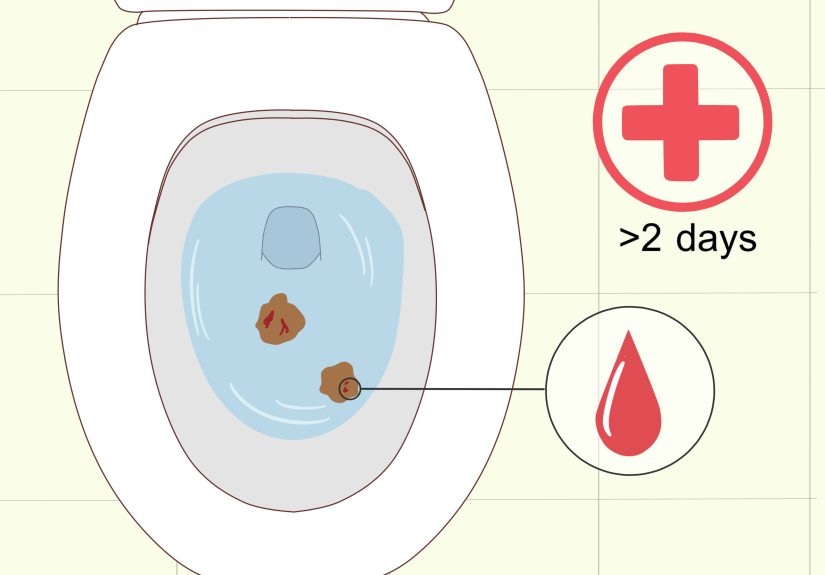
Natural remedies are helpful for mild diarrhea, but they are not a substitute for medical care when warning signs appear. Contact your healthcare provider if diarrhea lasts more than 24 to 48 hours, is severe, keeps returning, or is accompanied by fever, blood or mucus in stool, severe abdominal pain, dizziness, fainting, decreased urination, dark urine, persistent vomiting, or signs of dehydration.
Call promptly if diarrhea comes with contractions, low back pain, pelvic pressure, leaking fluid, decreased fetal movement, or unusual vaginal discharge. These symptoms do not automatically mean something dangerous is happening, but they deserve professional guidance. In pregnancy, the safest plan is often the least dramatic one: call, ask, and get clear instructions.
What to Drink When You Have Diarrhea During Pregnancy
Fluids should be steady, simple, and gentle. Water is a great baseline, but if stools are frequent or watery, add electrolytes. Broth can provide sodium. ORS can replace both fluid and electrolytes efficiently. Coconut water may be tolerated by some people, but it is not a complete rehydration solution and can be high in natural sugars.
A practical hydration rhythm looks like this: take a few sips every five to ten minutes, drink extra after each bathroom trip, and monitor urine color. Pale yellow usually suggests better hydration; dark yellow, strong-smelling urine, dizziness, dry mouth, or peeing less often may suggest dehydration.
What to Eat: A Simple Pregnancy-Friendly Recovery Menu
First 12 Hours
Focus on fluids and very bland foods. Try water, ORS, broth, crackers, toast, banana, applesauce, or rice. Do not force a full meal if your stomach is not ready.
After Symptoms Start Improving
Add gentle protein and more filling foods. Try plain chicken, scrambled egg, oatmeal, potatoes, noodles, rice soup, or low-fat yogurt with live cultures if dairy agrees with you. Keep portions small and avoid heavy seasoning.
When You Feel Normal Again
Return gradually to your usual pregnancy diet. Add vegetables, whole grains, healthy fats, and proteins slowly. Your digestive system has just been through a tiny thunderstorm; do not greet it with a taco buffet on day one.
What Not to Do
Do not take anti-diarrhea medicine, herbal remedies, detox drinks, activated charcoal, essential oils, or strong supplements during pregnancy unless your healthcare provider says they are safe for your situation. “Natural” does not always mean pregnancy-safe. Poison ivy is natural too, and nobody is inviting it to brunch.
Also avoid fasting for long periods unless your provider instructs you to do so. If you cannot keep fluids down, feel weak, or have ongoing watery diarrhea, medical advice is important. Sometimes IV fluids or testing may be needed, especially if infection or dehydration is suspected.
Experience-Based Tips: Real-Life Comfort Strategies for Diarrhea During Pregnancy
When diarrhea happens during pregnancy, the experience can feel bigger than the symptom itself. You may worry about the baby, feel embarrassed, lose sleep, or become anxious every time your stomach makes a suspicious noise. The emotional side is real. Pregnancy already turns the body into a full-time science project; diarrhea simply adds a chaotic lab assistant.
Keep a “Bathroom-Day Kit” Nearby
One useful strategy is to prepare a small kit for the day. Keep a water bottle, electrolyte solution, crackers, soft toilet paper, fragrance-free wipes, clean underwear, comfortable pants, and your provider’s phone number nearby. This is not dramatic. This is logistics. When your digestive system is unpredictable, convenience can reduce stress.
Track Triggers Without Obsessing
Write down what you ate, any new vitamins or supplements, recent restaurant meals, stress levels, and when symptoms started. A simple note in your phone is enough. For example: “Loose stools started after lunch; had spicy noodles, new magnesium supplement, and iced coffee.” Patterns can help your provider determine whether the cause may be dietary, supplement-related, viral, or something that needs testing.
Use the “Gentle Plate” Method
Many pregnant people find it easier to build a gentle plate instead of following strict rules. Choose one bland carbohydrate, one mild protein if tolerated, and one fluid. A sample plate could be rice, plain chicken, and broth. Another could be toast, scrambled egg, and ORS. This keeps food simple while still offering more nutrition than plain toast alone.
Protect Your Skin
Frequent bathroom trips can irritate the skin. Use soft toilet paper, rinse with water if available, pat dry instead of rubbing, and consider a pregnancy-safe barrier ointment if your provider approves. It is not glamorous, but comfort matters. Nobody gets bonus points for suffering through bathroom sandpaper.
Plan Around Rest, Not Productivity
If possible, lower expectations for the day. This is not the ideal moment to reorganize the garage, deep-clean the fridge, or become the hero of every group chat. Your job is hydration, rest, and monitoring symptoms. If you have work, school, childcare, or household responsibilities, ask for help early rather than waiting until you are exhausted.
Know Your Personal “Call Now” Line
Before symptoms become intense, decide what would make you call your provider. For many pregnant people, that line includes diarrhea that continues beyond a day or two, inability to keep fluids down, fever, blood in stool, strong abdominal pain, reduced urination, dizziness, or any signs that feel connected to contractions or preterm labor symptoms. Having the line decided ahead of time prevents the classic late-night debate: “Is this fine, or am I pretending it is fine because I do not want to bother anyone?”
Be Kind to Yourself
Digestive problems during pregnancy can feel embarrassing, but they are common human-body events. You did not fail pregnancy because your intestines staged a protest. Keep the plan simple: hydrate, replace electrolytes, eat bland foods briefly, avoid trigger foods, rest, practice food safety, and call your provider when symptoms are severe, persistent, or worrying.
Conclusion
Diarrhea during pregnancy is uncomfortable, inconvenient, and deeply rudebut mild cases can often be managed with natural, supportive steps. Start with hydration, add electrolytes, choose bland foods temporarily, eat smaller meals, rest, and avoid foods that worsen symptoms. Be cautious with supplements and medications, even “natural” ones, because pregnancy changes what is safe.
Most importantly, trust your instincts and contact your healthcare provider when symptoms are severe, persistent, or paired with warning signs. The best treatment plan is not the fanciest one. It is the one that keeps you hydrated, nourished, informed, and safe.