Table of Contents >> Show >> Hide
- What Are The Utility Collective Mix Boxes?
- Why These Boxes Matter in a Small-Space World
- The Design Language: Simple, Warm, and Smart
- The Utility Collective’s Bigger Idea
- How Mix Boxes Work in Real Rooms
- What Makes Mix Boxes Different From Ordinary Storage Cubes?
- Potential Drawbacks to Consider
- Why The Utility Collective Mix Boxes Still Feel Fresh
- Experiences Related to The Utility Collective Mix Boxes
- Final Thoughts
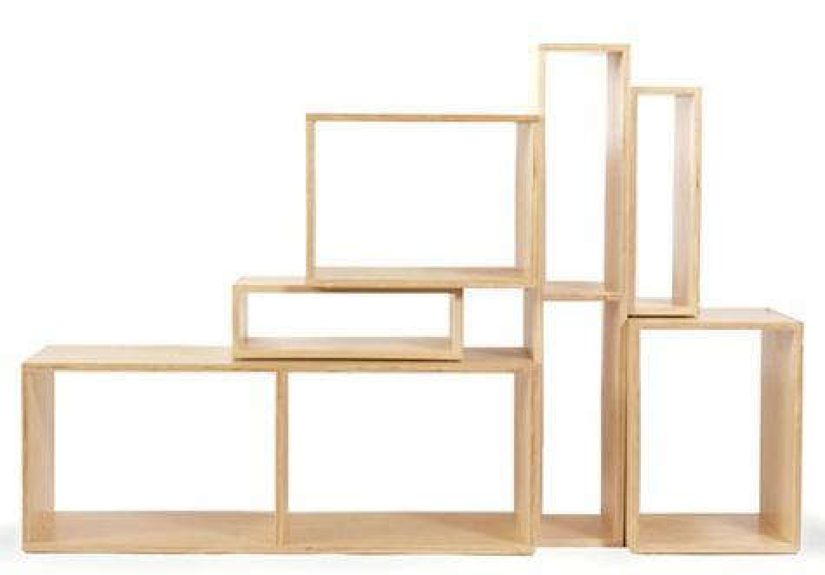
The best storage pieces do something magical: they hide chaos without looking like they were designed by chaos. That is exactly why The Utility Collective Mix Boxes still feel interesting years after they first caught the design world’s eye. At a glance, they are simple wooden boxes. Look again, though, and they become a modular shelving system, a room divider, a side table, a display platform, and a small-space survival strategy wrapped in warm birch veneer.
That flexibility is the real charm. In a world stuffed with overcomplicated furniture, Mix Boxes make a persuasive case for the humble box. No apps. No mystery hardware. No instruction manual that reads like it was translated by a very stressed robot. Just six well-made boxes in different sizes that can be rearranged depending on what your room, your stuff, and your life happen to need.
For homeowners, renters, design enthusiasts, and anyone who has ever stared at a cluttered corner and whispered, “Well, that got out of hand fast,” Mix Boxes represent something bigger than storage. They represent modular design at its most approachable: practical, sculptural, adaptable, and refreshingly human.
What Are The Utility Collective Mix Boxes?
The Utility Collective Mix Boxes are a set of six wooden boxes in varying sizes designed to be stacked, grouped, separated, and reconfigured in multiple ways. Instead of forcing users into one fixed arrangement, the system invites experimentation. One day, the boxes can function as a low bookshelf. The next day, they can become a bedside setup, toy storage in a family room, or a flexible divider in a studio apartment.
That idea may sound obvious now, but that is part of what makes the design clever. Mix Boxes anticipated a shift in how people wanted furniture to behave. Rather than buying a single-purpose object and living around it forever, more consumers began favoring pieces that could move with them, adapt to smaller homes, and change function as life changed. In other words, furniture had to earn its footprint.
The design also stands out because it avoids the cold, clinical vibe that sometimes comes with modular systems. The birch construction gives it warmth, while the visible joinery adds a sense of craft. It looks clean without looking sterile, minimal without looking severe, and practical without looking like it belongs in a warehouse break room. That is a very fine line, and Mix Boxes tiptoe across it beautifully.
Why These Boxes Matter in a Small-Space World
One reason Mix Boxes continue to feel relevant is that modern homes are expected to do more than ever. A living room is often also a reading nook, Zoom station, media room, and unofficial package-receiving department. Bedrooms moonlight as offices. Entryways become mini command centers for keys, shoes, bags, dog leashes, and the emotional residue of a long Tuesday.
That is where modular storage earns its keep. Instead of committing to one oversized bookcase or one bulky cabinet, a system like Mix Boxes lets users create storage that fits the room they actually have. A narrow wall can get a compact stacked arrangement. An open loft can use the boxes as a partial divider. A home office can separate work tools from decorative objects. In a child’s room, the layout can change as toys, books, and habits change. It is storage with a little empathy.
Design experts have spent years pointing out the value of multifunctional furniture, vertical storage, and adaptable shelving in small homes, apartments, and multipurpose rooms. Mix Boxes fit that logic almost suspiciously well. They do not just hold things; they help a room breathe. And when a storage piece can make your home look calmer without yelling “I AM STORAGE,” that is a win.
The Design Language: Simple, Warm, and Smart
1. A box is never just a box
The brilliance of Mix Boxes lies in restraint. The system does not depend on flashy gimmicks. It uses one of the oldest forms in furniture designthe boxand turns repetition into flexibility. Different dimensions create rhythm. Open faces create lightness. Stackability creates possibility.
2. Birch keeps it approachable
Birch veneer has long been a favorite in modern interiors because it brings brightness without fuss. It softens a room, works with both minimal and eclectic styling, and makes even practical storage feel intentional. With Mix Boxes, the wood grain does part of the decorating for you. The result is organized space that still feels lived in, not staged for a furniture catalog where no one is allowed to own a phone charger.
3. Joinery adds credibility
Visible box-joint construction gives the design substance. It suggests durability, craft, and material honesty. In an era of disposable furniture and suspiciously optimistic flat-pack promises, that matters. People increasingly want pieces that look like they were actually made by someone who expected them to be used.
The Utility Collective’s Bigger Idea
Mix Boxes make more sense when you understand the philosophy behind The Utility Collective. The brand emerged from a design-minded partnership that cared not only about how products looked, but also how they were made and where they came from. That origin story matters because it separates Mix Boxes from generic storage cubes that could have been dreamed up by an algorithm trained exclusively on “acceptable shelving.”
The company’s identity leaned into usefulness, transparency, and thoughtful production. That approach gave the Mix Boxes a stronger point of view. They were not trying to be luxury for luxury’s sake, nor were they trying to win the race to the cheapest possible price. Instead, they occupied a sweet spot between craftsmanship and utility.
That emphasis on materials and manufacturing also helped the boxes appeal to buyers who cared about domestic production and smarter wood choices. In furniture, the conversation around composite wood, emissions, and material safety has only become more important over time. Today’s shoppers ask harder questions about what is inside a product, not just what color it comes in. Mix Boxes feel aligned with that more informed, more demanding buyer.
How Mix Boxes Work in Real Rooms
Living room
In a living room, Mix Boxes can act as a low shelving arrangement that stores books, records, baskets, and objects collected over time. Because the boxes are open, the look stays lighter than a solid cabinet. That makes them especially useful in apartments where heavy furniture can visually shrink the room.
Entryway
An entryway is where most homes begin losing the fight against clutter. Mix Boxes can create a landing zone for shoes, bags, hats, baskets, and the tiny daily essentials that always seem to reproduce overnight. Because individual boxes can work on their own, the setup can be as simple or layered as the space allows.
Bedroom
In the bedroom, the boxes can become nightstands, book storage, or a low wall of organization at the foot of the bed. They suit people who want storage but hate the visual bulk of conventional dressers. And because the arrangement can stay low and open, the room keeps its sense of airiness.
Home office
In a home office, Mix Boxes can separate work tools from decorative pieces without making the room feel corporate. Files, notebooks, tech accessories, and reference books all get homes. The open design also nudges users to keep only what they actually need nearby. That is a polite design way of saying, “Maybe you do not need fourteen dried-up pens.”
Kids’ spaces and family areas
The system also makes sense in family rooms and kids’ areas because it can evolve. Toy bins today can become book storage tomorrow and display shelving later. Flexibility matters when a room’s needs change faster than your patience.
What Makes Mix Boxes Different From Ordinary Storage Cubes?
Plenty of storage systems claim to be modular, but many of them are basically fixed furniture wearing a modular costume. Mix Boxes feel different for a few reasons.
First, they are intentionally compositional. The arrangement is part of the product experience. You are not just buying containers; you are buying the ability to create a layout that suits your room and your habits.
Second, they have visual versatility. Some modular systems prioritize utility but look bland. Others are sculptural but not very useful. Mix Boxes sit neatly in the middle. They can fade into a calm room or become a quiet focal point depending on styling.
Third, they reward change. Many furniture pieces resist rearrangement. Mix Boxes invite it. Move them, rotate them, separate them, stack them differently, and the system continues to make sense. That is particularly valuable for renters, frequent movers, or anyone whose home layout is still a work in progress.
Potential Drawbacks to Consider
For all their strengths, Mix Boxes are not trying to be everything for everyone. Buyers who want hidden storage for visual minimalism may prefer cabinets with doors. People who need high-capacity, heavy-duty shelving for large collections might want a more robust bookcase system. And because design-forward, small-batch furniture is rarely bargain-bin cheap, cost can be a real consideration.
Open storage also requires a little discipline. If you style Mix Boxes thoughtfully, they look elegant and effortless. If you stuff them with old mail, tangled cords, three unmatched candles, and a measuring tape you swear you are going to put away later, they will faithfully display your life choices. This is not the furniture’s fault, but it is worth mentioning.
Why The Utility Collective Mix Boxes Still Feel Fresh
The short answer is simple: they solve an ongoing problem in a way that still feels beautiful. Homes continue to get more flexible. People still need storage that can adapt. Designers still value materials that bring warmth. And shoppers still appreciate furniture that looks intelligent rather than overengineered.
Mix Boxes also fit the larger movement toward buying fewer, better things. When a piece can shift functions instead of being replaced every time life changes, it becomes easier to justify. It starts to feel less like a trendy purchase and more like a long-term tool for living well.
That is probably the strongest compliment you can give a storage system: it helps a home function better without demanding constant attention. It simply does its job, looks good doing it, and stays useful as your needs evolve. No drama. No gimmicks. Just solid design. Frankly, if more furniture behaved like that, half our closets might finally know peace.
Experiences Related to The Utility Collective Mix Boxes
One of the most interesting things about The Utility Collective Mix Boxes is the experience they create over time. They are not the kind of furniture you place once and forget forever. They tend to become part of a household’s routine, quietly shifting along with the way people actually live. That lived-in flexibility is where their personality really shows.
Imagine moving into a small apartment with one awkward wall, limited closet space, and a living room that has to do triple duty. At first, the boxes might be arranged low and wide under a window, holding books, a speaker, and a couple of baskets for chargers and remote controls. The room immediately feels more intentional. A week later, guests come over, and you realize one box works perfectly as a side table near the sofa. So you pull it out, give it a lamp, and suddenly the whole setup feels custom rather than fixed.
Now picture the entryway experience. Many homes do not have a true mudroom, which means the first few feet inside the door become a battlefield of shoes, bags, umbrellas, and “I’ll deal with this later” energy. Mix Boxes can change that mood. A few boxes stacked near the entrance create a home for daily essentials without looking like plastic utility storage wandered in from the garage. The experience is less about “putting things away” and more about creating a rhythm for coming home. Drop keys. Slide shoes into a cubby. Toss gloves in a basket. Exhale. Tiny systems like that do a lot of emotional heavy lifting.
In a family room, the experience becomes even more dynamic. Open boxes make it easy for kids to reach books and toys, which is great for independence and slightly terrifying for neat freaks. But because the configuration can change, the storage can mature with the room. As children get older, toy bins become graphic novel shelves, game storage, or display spaces for art supplies and school projects. Instead of replacing furniture every few years, you are reshaping what you already own. That feels efficient, but it also feels surprisingly personal.
Then there is the work-from-home experience. A lot of people learned the hard way that a dining table is not always a real office and that “organized enough” tends to collapse by Thursday afternoon. Mix Boxes can help carve out order without making a room feel stiff. One section can hold notebooks and files, another can display a plant and a framed photo, and another can corral tech accessories that would otherwise scatter themselves across every available surface. The experience is calmer because the furniture supports both function and atmosphere. It says, “Yes, work happens here,” but it does not scream it.
Perhaps the most satisfying experience comes during a move or room refresh. Traditional furniture often feels bossy. It tells you where it must go and how it must be used. Mix Boxes are more collaborative. New apartment? Re-stack them. New baby? Shift them lower. Turned the guest room into an office? Separate the set and use the pieces in different zones. That sense of freedom is rare. It makes the furniture feel less like an object you purchased and more like a tool kit you keep rediscovering.
That is the real lived experience of Mix Boxes: they age well because they do not insist on staying the same. And in a home, that is no small thing.
Final Thoughts
The Utility Collective Mix Boxes are a reminder that smart design does not need to shout. A system of six birch boxes should not be this compelling, and yet here we are, happily admiring storage. The reason is simple: the product solves real problems with warmth, flexibility, and a strong sense of purpose.
For people who value modular shelving, small-space furniture, and American-made wood design, Mix Boxes still make a strong case for themselves. They are equal parts storage, sculpture, and strategy. They respect the realities of daily life while making the room look better, which is about all most of us can ask from furniture. Well, that and not requiring a six-hour assembly session fueled by spite.
Note: This article is formatted as a clean, web-ready HTML body and intentionally excludes citation artifacts or source-link clutter.