Table of Contents >> Show >> Hide
- What Are Noren Curtains, Exactly?
- Why Noren Curtains Work So Well in Small Spaces
- Noren Curtains vs. Other Room Divider Ideas
- Best Places to Use Noren Curtains at Home
- How to Choose the Right Noren Curtain
- How to Style Noren Curtains Without Making Your Home Feel Theme-y
- What Noren Curtains Cannot Do
- Real-Life Experiences With Noren Curtains in Small Spaces
- Conclusion
If you have ever looked at a tiny apartment and thought, “What this place really needs is another wall,” allow me to suggest a more graceful solution: less drywall, more fabric. Specifically, noren curtains. These traditional Japanese fabric dividers have been used for centuries, yet they feel oddly perfect for modern life, especially when “modern life” means your entryway is also your hallway, your office, and, on bad days, your emotional support zone.
Noren curtains are wonderfully simple. They break up space without making it feel boxed in. They offer privacy without swallowing natural light. They add softness, texture, and personality without demanding the square footage of a bulky screen or a freestanding bookshelf. In other words, they do the rare thing every small-space solution claims to do but only a few actually manage: they make a home more functional and more beautiful.
For anyone decorating a studio apartment, a compact bedroom, a narrow entry, or a multipurpose room, noren curtains deserve far more attention than they get. They are easy to hang, visually light, and surprisingly versatile. And unlike many trendy home ideas, they are not trying too hard. Noren have the cool confidence of a design move that has already survived generations. That is a much better resume than “went viral for six minutes on social media.”
What Are Noren Curtains, Exactly?
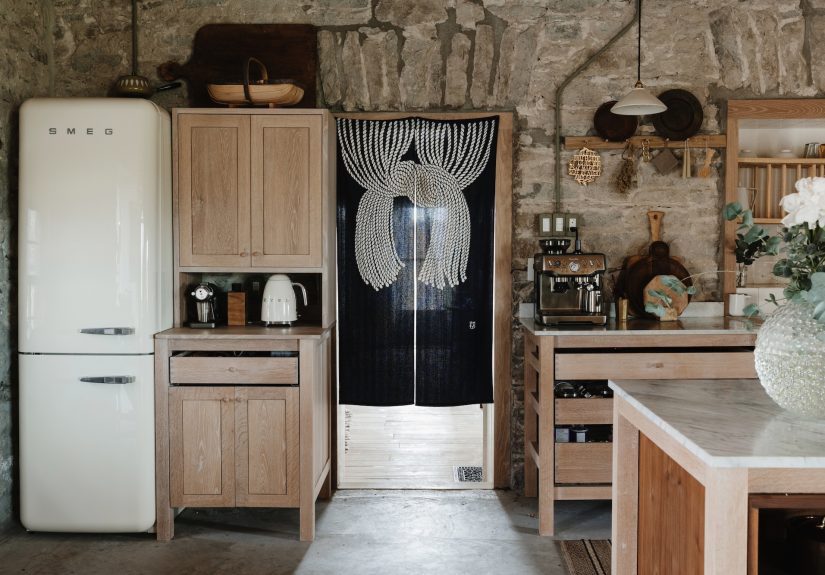
Noren are traditional Japanese fabric dividers usually hung in doorways, openings, and passageways. Classic versions often feature a split down the middle or between panels, which allows people to pass through easily while still creating a visual barrier. Historically, they were used in homes, shops, restaurants, baths, and other public-facing places. That practical origin is part of their charm: noren were never just decoration. They were useful from day one.
Traditional noren can be made from materials like hemp, linen, or cotton, and many older examples feature rich textile craftsmanship, including indigo dyeing and resist techniques. That heritage still matters, even if today’s homeowners are just trying to hide a laundry nook or create a little dignity between the sofa and the bed. A noren carries a sense of history with it. It is a divider, yes, but it also feels like a textile object with cultural weight.
That is one reason noren feel different from the average curtain panel. They are not simply “window stuff used elsewhere.” Their proportions, center slit, and placement are all designed around movement and transition. They soften thresholds. They create a pause between one zone and the next. Even in a small American apartment, that subtle transition can make a space feel more intentional and less like one giant room where everything is happening at once.
Why Noren Curtains Work So Well in Small Spaces
They divide a room without acting like a brick wall in disguise
The biggest challenge in a small home is often not size alone. It is the lack of separation. When the sleeping area bleeds into the living area, the workspace spills into the dining corner, and the front door opens directly into your real life, a home can start to feel messy even when it is technically tidy.
Noren curtains solve that problem with a gentle touch. They define zones without closing them off completely. You still get the sense of an open layout, but with better boundaries. That matters more than people think. Humans like transitions. We like a hint that one area has a different purpose from another. A noren can create that feeling without introducing visual heaviness.
They preserve light, which is basically currency in a tiny apartment
One of the smartest things about fabric dividers is that they can offer privacy without killing the room’s brightness. This is especially true when you choose lightweight or semi-sheer materials. If you have ever tried using a bulky cabinet or an oversized folding screen to divide a room, you know what happens next: the darker half of the room begins to resemble a cave with rent.
Noren curtains are better at playing nice with natural light. A soft weave can filter light rather than block it, helping the space stay airy and open. That is a major win in studios, railroad apartments, and compact bedrooms where every bit of daylight has a job to do.
They take up almost no floor space
This is where noren absolutely shine. A bookshelf divider may look stylish, but it still eats up valuable square footage. A folding screen can work, but it needs clearance and often ends up becoming one more thing to bump into. Noren hang vertically and occupy minimal physical space, which makes them ideal in tight layouts where each inch counts.
Because they are suspended, they also keep the floor visually cleaner. That makes a room feel less crowded. In small spaces, perception matters almost as much as measurement. If a room looks calmer, it usually feels calmer too.
They soften a room instead of cluttering it
Small homes can start to feel hard-edged very quickly. You have cabinets, corners, appliances, shelves, desks, storage bins, and whatever mysterious chair ends up holding your laundry. Fabric helps. It introduces texture and motion. It absorbs some of the visual severity that compact spaces often accumulate.
A noren can bring in warmth without overwhelming the room. Even a plain, neutral panel adds softness. A patterned one adds personality. The effect is practical, but it is also emotional. A room with textiles tends to feel more lived in, more comfortable, and frankly more forgiving.
Noren Curtains vs. Other Room Divider Ideas
There is no shortage of room divider ideas for small spaces: open shelving, slatted wood partitions, folding screens, glass panels, bead curtains, even rolling wardrobes if you are feeling especially ambitious. But each option comes with trade-offs.
Bookcases provide storage, but they can look bulky. Folding screens are flexible, but they often take up more room than you expect. Temporary walls create privacy, but they can make a compact home feel segmented and dim. Standard drapes are effective, but they can read a bit too formal or heavy unless styled carefully.
Noren sit in a sweet spot between all of those. They are more architectural than a random curtain panel, less massive than furniture, and less fussy than many decorative divider solutions. They have shape, purpose, and a little bit of poetry. In a world full of things trying to be multifunctional superheroes, noren are refreshingly honest: they divide, they soften, they decorate, and they do it well.
Best Places to Use Noren Curtains at Home
Between the entry and the living area
If your front door opens straight into your main room, a noren can create the feeling of a modest entry zone without construction. It adds a visual buffer and helps the room feel less exposed. Guests enter through a threshold instead of landing directly in the middle of your life, which is polite for them and excellent for your nervous system.
Between the bed and the rest of a studio apartment
This may be the most obvious use, but it is also the best. A noren can separate a sleeping zone from the living or work area without making the room feel chopped into tiny boxes. Choose a light fabric for openness or a denser weave for more privacy. Either way, you get a better sense of structure.
Over a closet, laundry nook, or storage alcove
Not every opening needs a door. In fact, many small spaces improve when doors are removed and replaced with fabric. A noren works beautifully over a closet without doors, a stacked washer-dryer niche, pantry shelving, or an awkward utility area. It keeps visual clutter under control and makes the room feel more styled than improvised.
Between kitchen and dining zones
In a tiny apartment, kitchens are often only one pivot away from the sofa. A noren can gently mark the cooking area without fully sealing it off. This works especially well in narrow layouts where a solid divider would interrupt movement and make the space feel pinched.
In a bathroom doorway or dressing area
A noren can also be useful in places where a swinging door feels excessive or awkward. If you need a softer divide for a vanity nook, dressing corner, or nearby bathroom entry, it can add privacy while keeping the overall look relaxed and unobtrusive.
How to Choose the Right Noren Curtain
Think about transparency first
Ask yourself what you need most: privacy, light filtration, or simply visual separation. A semi-sheer noren is ideal for keeping a room open and bright. A thicker cotton or linen blend gives more concealment. There is no universal right answer. The best choice depends on whether you are hiding clutter, creating a sleep zone, or just introducing a little spatial definition.
Mind the length
Traditional noren come in different drops, and that flexibility is part of their appeal. A shorter noren can frame a doorway without fully covering it, which keeps the effect airy and casual. A longer one creates more privacy and drama. For small spaces, both can work; the trick is to match the drop to the function. If the goal is zoning, longer is usually better. If the goal is softness and charm, shorter may be enough.
Let the fabric set the mood
Linen and cotton feel relaxed and breathable. Hemp-inspired weaves bring a more rustic, textural look. Gauzy materials feel light and contemporary. Indigo, charcoal, oatmeal, soft white, and muted earth tones tend to work especially well because they nod to traditional Japanese aesthetics while still blending with modern interiors.
That said, do not be afraid of pattern. One of the joys of noren is that they can carry graphic motifs, botanical designs, calligraphic forms, or playful illustrations without feeling too loud. In a neutral room, a patterned noren can act like art that also happens to be useful.
Pay attention to hardware
The wrong rod can make a beautiful noren look like it lost a fight with a discount shower aisle. A simple tension rod works for many doorways and rentals. Mounted rods offer a cleaner, more intentional look when you want the divider to feel integrated into the room. Either way, the hardware should be as discreet as possible. Let the textile do the talking.
How to Style Noren Curtains Without Making Your Home Feel Theme-y
This is important. A noren should not turn your apartment into a stage set. The goal is not to cosplay an entire culture through one doorway. The goal is to use a traditional design object thoughtfully and respectfully.
The easiest way to do that is to keep the rest of the space grounded in your real life. Pair a noren with clean-lined furniture, natural materials, warm woods, simple ceramics, woven baskets, or modern lighting. Let it be one beautiful element in a layered room rather than the start of a costume party.
You can also echo the textile elsewhere in subtle ways: a linen pillow, a woven rug, a natural wood stool, a handmade bowl. These small connections help the noren feel at home in the space. It becomes part of a considered interior rather than an isolated novelty purchase made at midnight because you were “researching solutions.”
What Noren Curtains Cannot Do
As much as I admire them, noren are not magical. They will not fully soundproof a room. They will not replace a proper door when true privacy is required. They will not solve bad storage habits, relationship problems, or the existence of a visible air fryer in a designer kitchen. We must be realistic.
What they can do is reduce visual noise, soften transitions, preserve openness, and make a small home feel more intentional. That is already a lot. Good design is often less about perfection and more about improving how a space works day to day. Noren are excellent at that kind of improvement.
Real-Life Experiences With Noren Curtains in Small Spaces
Living with noren curtains changes how a small home feels in ways that are hard to understand until you try them. On paper, they sound almost too simple. It is just fabric hanging in a doorway, right? But in real life, that fabric can change the rhythm of a room.
Imagine waking up in a studio apartment where the bed is technically in the same room as the desk, the dining table, and the television. Before adding a divider, the whole space feels like one long sentence with no punctuation. Once a noren goes up, the room suddenly has pauses. You move through it differently. The sleeping area feels more private. The work corner feels less invasive. You have not added square footage, but you have added structure, and that can feel like a luxury.
Another common experience is the way noren soften stress at the front door. In many small homes, the entry opens straight into the main room, which means shoes, bags, coats, and general life clutter greet you instantly. A noren placed just beyond the entrance creates a tiny moment of transition. You step inside, part the curtain, and the home reveals itself a beat later. It is a subtle effect, but it makes the space feel calmer and more deliberate.
People also tend to notice how useful noren are for hiding the ordinary messes of real life. Open shelving can be beautiful in theory, but not every shelf wants to be seen every hour of the day. A storage alcove, laundry nook, pantry opening, or closet without doors becomes much easier to live with when a noren is added. Suddenly the room looks styled instead of unfinished. The curtain does not erase the mess inside, of course, but it does grant it the privacy it has always deserved.
There is also a tactile pleasure to using noren that hard dividers do not offer. You pass through them. You brush the fabric aside. They move with air and light. That movement makes a home feel alive. In a small apartment, where every object is asked to work overtime, it is surprisingly nice to have one element that feels gentle rather than mechanical.
Many people find that noren also help them experiment with layout without committing to anything permanent. You can test whether a sleeping nook should feel more enclosed, whether the kitchen needs a visual break from the living area, or whether a dressing zone would make mornings easier. A noren lets you try a new arrangement with very little risk. If it works, great. If it does not, you move it. No contractor. No demolition. No weekend lost to regrettable power-tool confidence.
Over time, the best experience of all may be how natural they begin to feel. At first, a noren seems like a design choice. Then it becomes part of the daily routine. You stop noticing it as an object and start appreciating it as a function. That is usually the sign of good design: it makes life smoother without constantly demanding applause. And in a small space, that kind of quiet usefulness is worth a lot.
Conclusion
Noren curtains prove that the smartest small-space ideas are often the softest ones. They divide without crowding, conceal without suffocating, and decorate without shouting. Rooted in Japanese textile tradition and perfectly suited to modern compact living, they offer an elegant answer to one of the most common design problems: how to create privacy and purpose in a home that does not have an inch to waste.
If you want a space to feel more organized, more layered, and more livable without adding heavy furniture or permanent walls, a noren curtain is a remarkably stylish place to start. It may not give you an extra bedroom, but it will make your home feel more composed. And honestly, in a tiny apartment, that is flirting with wizardry.