Table of Contents >> Show >> Hide
- How to Choose: The 5 Questions That Save You Regret
- At-a-Glance: What Most Homeowners Prioritize
- 1) Quartz (Engineered Stone)
- 2) Granite (Natural Stone)
- 3) Marble (Natural Stone)
- 4) Quartzite (Natural Stone)
- 5) Laminate
- 6) Solid Surface (Acrylic / Polyester Blends, e.g., Corian-style)
- 7) Butcher Block (Wood)
- 8) Stainless Steel
- 9) Concrete
- 10) Porcelain Slab / Sintered Stone / “Ultracompact” Surfaces
- 11) Ceramic Tile
- 12) Recycled Glass (and Other Specialty Composites)
- Smart Strategy: Mix Materials Like a Grown-Up
- Care Tips That Prevent 80% of Countertop Heartbreak
- Wrapping It Up: Which Countertop Should You Choose?
- Real-Life Experiences: What It’s Like Living With These Countertops (Extra )
Choosing a kitchen countertop is a little like choosing a pet: it’s going to live with you for years, it will demand attention (some more than others), and if you pick the wrong one, you’ll be cleaning up messes while whispering, “I still love you, but wow, you are high-maintenance.”
The best countertop isn’t “the most expensive” or “the one your favorite home show swears by.” It’s the one that matches how you actually use your kitchenweeknight pasta tornadoes, holiday baking marathons, meal-prep Sundays, kids doing science experiments with grape juice, or a quiet kitchen that mostly hosts coffee and moral support.
How to Choose: The 5 Questions That Save You Regret
Before we talk materials, ask yourself these five questions. They’re less glamorous than a slab with dramatic veining, but they’re also cheaper than replacing a countertop you hate.
- How messy are you? (No judgment. Kitchens are chaos factories.) If you spill acidic stufflemon, vinegar, wineoften, prioritize stain/etch resistance.
- How heat-happy are you? If hot pans regularly “visit” the counter, you’ll want serious heat resistance or a strict trivet habit.
- How much maintenance will you truly do? If “reseal annually” sounds like a myth, go low-maintenance.
- Do you want a countertop that hides life… or shows it? Some surfaces patina charmingly; others look personally offended by fingerprints.
- What’s your risk tolerance for chips, scratches, and drama? Some materials can be repaired easily; others hold grudges forever.
At-a-Glance: What Most Homeowners Prioritize
In U.S. kitchens, the biggest day-to-day wins usually come from stain resistance, ease of cleaning, and durability. That’s a big reason engineered surfaces like quartz stay popular, while “gorgeous but fussy” options (looking at you, marble) tend to be love stories with very specific boundaries.
1) Quartz (Engineered Stone)
Quartz countertops are engineeredtypically crushed stone bound with resins and pigmentsso they’re designed to be consistent, non-porous, and easy to live with. Think of quartz as the friend who shows up on time, remembers your birthday, and never asks you to “just reseal it real quick.”
Pros
- Low maintenance: Non-porous surface helps resist staining and doesn’t require sealing.
- Consistent look: Predictable patterns and colors make design planning easier.
- Strong everyday durability: Handles typical kitchen abuse well, including spills and frequent cleaning.
Cons
- Heat sensitivity (relative to some stones): Prolonged direct heat can damage resinsuse trivets as a habit, not a suggestion.
- Seams may be visible: Especially with bold patterns or long runs.
- Can feel “too perfect” for purists: If you want nature’s randomness, you may prefer natural stone.
Best for
Busy kitchens, low-maintenance households, and anyone who wants “beautiful” without turning countertop care into a side hustle.
2) Granite (Natural Stone)
Granite is natural stone, so every slab is one-of-a-kind. It’s also known for strong performance against heat and scratching, but it typically needs periodic sealing because it’s porous to varying degrees.
Pros
- Heat resistant: Generally handles hot cookware better than many engineered options.
- Unique slabs: Natural variation can be a design showpiece.
- Durable surface: Typically resists scratches and everyday wear well.
Cons
- Needs sealing: Maintenance varies by stone; skipping it can invite staining.
- Can chip at edges: Especially at corners or around sinks if impacted.
- Natural variation can surprise you: The sample might not match the slab’s personality.
Best for
People who love natural stone and don’t mind light ongoing maintenanceespecially if you cook often and value heat resistance.
3) Marble (Natural Stone)
Marble is the red-carpet celebrity of countertops: stunning, iconic, and absolutely not here for your spaghetti sauce splatter. It’s prized for its classic look and cool surface (bakers love it), but it’s softer and more reactive than many other stones.
Pros
- Timeless beauty: Iconic veining and a high-end aesthetic.
- Cool to the touch: Great for pastry work and rolling dough.
- Develops patina: Some homeowners love the lived-in character over time.
Cons
- Etches easily: Acidic foods/drinks can dull the finish and leave marks.
- Scratches and stains: More prone to visible wear than harder stones or engineered surfaces.
- High maintenance mindset: You’ll need gentle cleaning and fast wipe-upsevery time.
Best for
Low-chaos kitchens, avid bakers, and homeowners who genuinely enjoy patinaor who plan to use marble in a lower-risk zone (like a baking station or a kitchen island) while choosing something tougher for perimeter counters.
4) Quartzite (Natural Stone)
Quartzite is a natural stone that can resemble marble but is generally harder. It’s often chosen by people who want dramatic movement with more durability than marblethough it still needs proper sealing and care.
Pros
- Natural “wow” factor: Beautiful veining and depth.
- Strong durability: Typically harder than marble and holds up well to wear.
- Good heat resistance: Often performs well with hot items (still: trivets are cheap insurance).
Cons
- Usually requires sealing: Like many natural stones, it’s not carefree.
- Can be pricey: Costs vary widely, especially for premium patterns.
- Confusion factor: Quartzite vs. quartz is a classic mix-upone is natural stone, the other engineered.
Best for
Homeowners who want natural stone drama with better durability than marbleand who are okay with sealing and careful cleaning.
5) Laminate
Laminate has come a long way from the “grandma’s rental kitchen” stereotype. Modern laminates can mimic stone looks, offer tons of colors, and keep budgets sane. It’s not the toughest surface on earth, but it can be a smart, stylish choiceespecially when cost matters.
Pros
- Budget-friendly: Often one of the most affordable countertop options.
- Huge style range: Many patterns, including convincing stone looks.
- Easy cleaning: Simple daily care without special products.
Cons
- Heat and cuts are the enemy: Hot pans and direct knife work can scorch or damage it.
- Moisture risk at seams: Water intrusion can cause swelling or delamination if not protected.
- Not easily repairable: Deep damage is hard to disguise perfectly.
Best for
Budget renovations, rental properties, and households that want a fresh look quicklyplus people who are willing to use cutting boards and trivets like responsible adults (most days).
6) Solid Surface (Acrylic / Polyester Blends, e.g., Corian-style)
Solid surface countertops are the smooth operators of the countertop world: seamless-looking installations, easy cleaning, and repairs that are often surprisingly doable. They don’t have the “natural stone flex,” but they’re practical and quietly impressive.
Pros
- Seam-friendly: Can be fabricated with inconspicuous seams and integrated sinks.
- Repairable: Minor scratches and damage can often be sanded/buffed out.
- Low-maintenance cleaning: Generally easy to wipe down.
Cons
- Less heat resistant: Hot pans can scorchtrivets are mandatory.
- Can scratch: Not fragile, but not bulletproof either.
- May feel less “luxury”: Some buyers prefer stone or quartz for resale appeal.
Best for
People who want a smooth, clean look, hate grout and seams, and like the idea of repairing small damage instead of living with it forever.
7) Butcher Block (Wood)
Butcher block brings warmth and texture. It also brings… the reality that wood is alive-ish, thirsty, and occasionally dramatic. If you like character and don’t mind upkeep, it’s gorgeous. If you want “set it and forget it,” wood will not respect your lifestyle.
Pros
- Warm, inviting look: Adds natural texture that pairs well with many styles.
- Repairable: Scratches and dents can often be sanded and refinished.
- Comfortable work surface: Softer feel; great for certain prep tasks.
Cons
- Maintenance required: Needs sealing/oiling to resist moisture and staining.
- Water sensitivity: Standing water can warp or damage it over time.
- Can stain and scratch: That’s either “patina” or “why is there a beetroot shadow,” depending on your mood.
Best for
Islands, baking/prep zones, and homeowners who enjoy natural materials and are willing to maintain them. It’s also a smart “mix-and-match” countertop to soften a kitchen dominated by stone.
8) Stainless Steel
Stainless steel is the pro-kitchen classic: sanitary, heat-friendly, and unfazed by a lot of mess. It also shows fingerprints like it’s auditioning to be a detective show prop. If you like an industrial look and don’t mind the “lived-in” vibe, it’s a workhorse.
Pros
- Excellent heat resistance: Hot pans are generally fine.
- Hygienic and easy to sanitize: Common in commercial kitchens for a reason.
- Water and stain resistant: Doesn’t absorb spills.
Cons
- Scratches and dings: The patina is realand arrives quickly.
- Noise factor: Can be louder with dishes and cookware.
- Smudges: If fingerprints offend you, prepare for a long battle.
Best for
Serious cooks, modern/industrial kitchens, and households that prioritize sanitation and heat performance over pristine looks.
9) Concrete
Concrete countertops can look stunningsleek, modern, artisan, custom. They can also crack (sometimes hairline), stain if not sealed properly, and require thoughtful fabrication. In other words: concrete is cool, but it’s not a casual fling.
Pros
- Custom shapes and finishes: Colors, textures, edge profileslots of design freedom.
- Modern aesthetic: Works beautifully in contemporary spaces.
- Heat tolerance: Often handles heat well (sealants varystill use trivets).
Cons
- Sealing is essential: Unsealed concrete can stain and absorb liquids.
- Cracks can happen: Hairline cracks may occur due to settling and temperature changes.
- Installation complexity: Heavy material, often requires skilled fabrication/installation.
Best for
Design-forward kitchens and homeowners who want a custom look and can commit to proper sealing and professional installation.
10) Porcelain Slab / Sintered Stone / “Ultracompact” Surfaces
This category includes large-format porcelain slabs and ultracompact/sintered surfaces designed to be extremely tough: highly resistant to heat, scratches, and stains. They’re like the superhero material… with a couple of real-world quirks (mainly cost and fabrication needs).
Pros
- Excellent heat resistance: Great for hot cookware habits.
- Scratch and stain resistance: Built for high performance.
- Modern looks: Can mimic marble, concrete, metal, and more with impressive realism.
Cons
- Fabrication demands: Requires experienced installers; edges and cutouts need careful handling.
- Cost: Often priced in the premium range.
- Chipping risk at edges: Like many hard surfaces, impacts on corners can cause chips.
Best for
High-use kitchens where heat and scratch resistance matter a lot, and homeowners who want a sleek, contemporary surface with serious performance.
11) Ceramic Tile
Tile countertops can be charming, colorful, and budget-friendly. The tile itself can be durable and heat resistant, but the real story is grout. Grout is basically a tiny, porous sponge network that loves collecting stains unless it’s sealed and cleaned regularly.
Pros
- Design flexibility: Tons of styles, colors, and patterns.
- Heat resistant: Hot pots typically aren’t a big deal for tile.
- DIY-friendly (sometimes): Can be approachable for skilled DIYers.
Cons
- Grout maintenance: Stains, discoloration, and cleaning effort are common complaints.
- Uneven surface: Can be annoying for rolling dough or writing on paper on the counter.
- Chips and cracks: Individual tiles can be damaged and may need replacement.
Best for
Vintage-inspired kitchens, artistic homeowners, and people who don’t mind grout upkeepor who choose larger tiles and darker grout to reduce the stress.
12) Recycled Glass (and Other Specialty Composites)
Recycled glass countertops can look like a confetti party trapped in a slabin a good way. They vary by brand and binder (cement or resin-based), so performance can differ. But as a sustainability-forward statement material, it can be a conversation starter that’s more interesting than “here’s my beige countertop.”
Pros
- Eco appeal: Often incorporates recycled materials.
- Unique look: Sparkle, color, and pattern options you won’t get from plain stone.
- Good stain resistance (often): Many options perform well, depending on the binder.
Cons
- Performance varies: Heat/scratch resistance depends on the product construction.
- Can chip: Glass elements and edges may be vulnerable to impacts.
- Price can be premium: Especially for high-end brands or custom colors.
Best for
Homeowners who want a distinctive, sustainability-leaning surface and are willing to select a product carefully (and install it with pros).
Smart Strategy: Mix Materials Like a Grown-Up
One of the best “cheat codes” in kitchen design is mixing countertop materials based on how each zone is used:
- Perimeter counters: Choose durability and stain resistance (quartz, granite, porcelain/sintered).
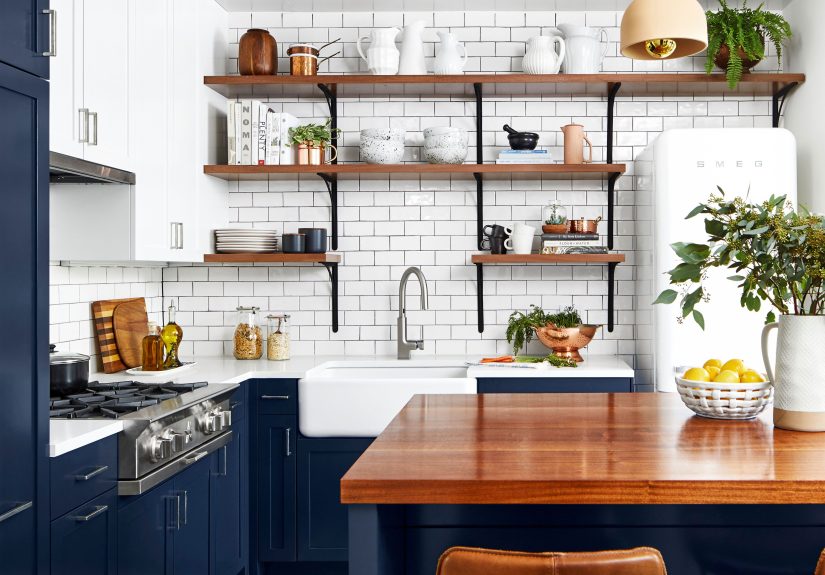
- Island: Consider warmth or drama (butcher block, quartzite, statement marble if you can handle it).
- Baking station: Marble can shine here if it’s away from the daily splash zone.
This approach can stretch your budget and your sanityput the toughest materials where life is messiest, and the prettiest materials where they’ll be admired instead of attacked by turmeric.
Care Tips That Prevent 80% of Countertop Heartbreak
- Use trivets and cutting boards like they’re part of the countertop, not optional accessories.
- Wipe spills quickly, especially acids (lemon, vinegar, wine) and oils.
- Know your cleaners: Gentle soap and water is surprisingly effective; harsh/abrasive products can dull finishes.
- Seal when needed: Many natural stones (and some concrete/tile grout) benefit from periodic sealing.
- Protect sink edges and corners: That’s where chips and water damage like to start their villain origin story.
Wrapping It Up: Which Countertop Should You Choose?
If you want low-maintenance and strong everyday performance, quartz is often the safest bet. If you want a natural one-of-a-kind look with great heat tolerance and don’t mind sealing, granite is a classic. If you want luxury and love patina (or bake a lot), marble can be worth itwith eyes wide open. If you want natural drama with more toughness than marble, quartzite is compelling. If you need value, laminate can look great and save serious money. And if you want maximum performance in heat/scratch resistance, consider porcelain slab or sintered/ultracompact surfaces.
The “best” countertop is the one that fits your habitsnot the one that looks perfect in a staged photo where nobody has ever cooked a single egg.
Real-Life Experiences: What It’s Like Living With These Countertops (Extra )
Countertops don’t fail in showrooms. They fail at 7:12 p.m. on a Tuesday when you’re hungry, tired, and holding a skillet like a medieval weapon. So let’s talk about the kind of real-world moments that don’t make it into glossy brochures.
The Quartz Household: “We Just… Wipe It.”
People who switch to quartz often report the same emotional arc: first, they baby it for a week; then they realize they’re not living with a fragile museum artifact. Coffee rings? Usually a quick wipe. Tomato sauce splatter? Not a big deal. The main “learning moment” tends to be heat. Someoneoften a well-meaning spouse or a visiting relativeputs down a hot pan directly on the surface “for just a second.” That’s when quartz owners become trivet evangelists. They start placing trivets around the kitchen the way you’d place emergency exits in a building: visible, frequent, and impossible to ignore.
The Granite Crowd: “It’s ToughBut We Seal It.”
Granite owners talk about durability like it’s a personality trait. They’ll tell you it handles hot pans and general kitchen chaos well. But many also learn that “stone” doesn’t automatically mean “stain-proof.” A forgotten olive oil drip near the stove or a spilled glass of red wine can become a cautionary taleespecially if sealing has been delayed. The good news is that once a sealing routine becomes part of annual home maintenance (right next to changing HVAC filters and pretending you’ll clean the garage), granite can be very forgiving.
The Marble Romance: “Beautiful… and Yes, That’s an Etch.”
Living with marble is often described like owning a white couch: it’s gorgeous, and it will also teach you humility. Homeowners who are happy with marble usually share one mindset: they accept that small marks happen and don’t treat each one as a crisis. They wipe quickly, use coasters, and avoid harsh cleaners. Bakers love the cool surface and don’t mind the extra care. The unhappy marble owners are the ones who expected it to behave like quartz. Marble isn’t “bad”it’s just honest about what it is.
The Butcher Block Story: “Warmth With a Side of Upkeep.”
Butcher block fans love how it softens a kitchen and makes the space feel less clinical. They also learn that wood has moods. A little water left near the sink can raise grain; a stain can appear after a bold spice adventure. The happiest owners treat maintenance like skincare: regular oiling, quick cleanup, and the occasional “refresh” sanding. The upside is emotionalwood feels friendlyand practical, because many small imperfections can be fixed rather than permanently endured.
The Porcelain/Sintered Surface Owners: “This Stuff Is a Tank.”
People who invest in ultracompact/porcelain slab surfaces often do it after being burned (sometimes literally) by more sensitive materials. Their stories tend to include placing hot pans down without panic, wiping up staining culprits without drama, and enjoying a surface that stays looking new. The tradeoff is usually upfront: cost and the importance of using skilled fabricators. These are performance-first countertopsless “cozy farmhouse,” more “modern kitchen that can survive an apocalypse.”
The big takeaway from lived experience is simple: the best countertop is the one whose “cons” you can tolerate on your worst daywhen the kitchen is messy, the dog is underfoot, and dinner is already late.