Table of Contents >> Show >> Hide
- What Is a Shower Cartridge, Anyway?
- Average Shower Cartridge Replacement Cost in 2025
- Cost Factors That Affect Shower Cartridge Replacement (2025)
- DIY vs. Hiring a Plumber: Which Saves More in 2025?
- Cost Scenarios: What You’re Likely to Pay
- Ways to Save on Shower Cartridge Replacement in 2025
- Frequently Asked Questions About Shower Cartridge Costs
- Real-World Experiences with Shower Cartridge Replacement Costs
- Conclusion: What to Expect When Replacing a Shower Cartridge in 2025
If your shower has started doing its best impression of a stubborn toddler—dripping when it should be quiet, blasting hot when you asked for warm, or randomly losing pressure—there’s a good chance the shower cartridge is to blame. The good news? Replacing a shower cartridge is usually a smaller plumbing job, not a full-blown renovation. The big question most homeowners ask first is simple: How much does shower cartridge replacement cost in 2025?
This guide breaks down 2025 shower cartridge replacement costs, including average prices, parts versus labor, factors that drive your bill up or down, DIY versus hiring a pro, and real-world examples. By the end, you’ll know what’s “normal,” what’s a red flag, and how to save money without sabotaging your shower.
What Is a Shower Cartridge, Anyway?
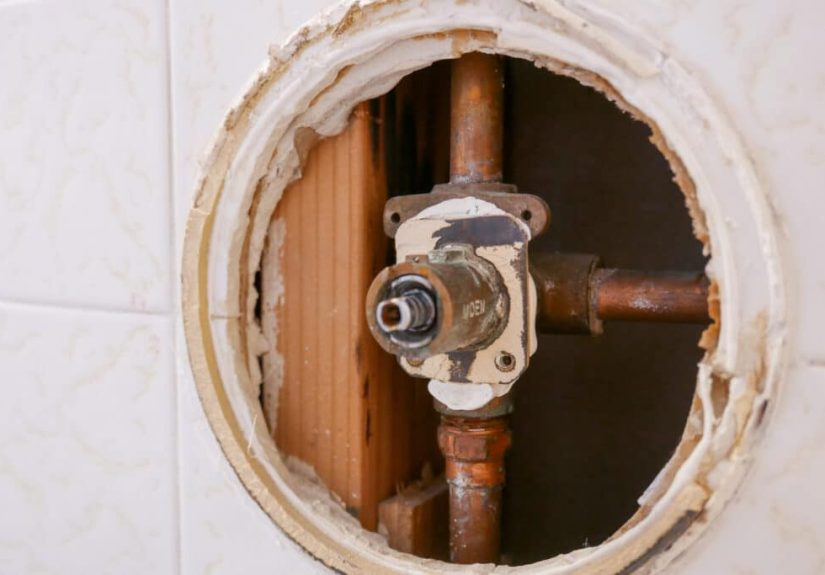
Inside your shower’s valve body lives a small but mighty component: the shower cartridge. It controls how much hot and cold water flows into the shower and helps regulate temperature and pressure. When it works, you never think about it. When it fails, it’s all you can think about.
Common signs your cartridge is on its way out include:
- A constantly dripping showerhead, even when the faucet is off
- Difficulty getting a consistent water temperature
- Sudden changes in pressure or weak flow
- A handle that’s stiff, loose, or doesn’t rotate smoothly
In many cases, you don’t need a new shower, or even a new valve body. Swapping out the cartridge can restore normal function at a fraction of the cost of a full replacement.
Average Shower Cartridge Replacement Cost in 2025
Let’s get right to the number everyone wants.
Across major U.S. cost guides in 2025, shower cartridge replacement typically costs between $100 and $350 total for parts and labor. Many homeowners see invoices in the $200–$300 range for a straightforward job with easy access.
Here’s how national averages shake out:
- Low-end: Around $100–$150 for a simple cartridge swap with a budget part and minimal labor.
- Typical range: About $150–$350 for most homeowners, depending on brand, cartridge type, and access.
- High-end: $400 or more when the cartridge is part of a premium thermostatic system, access is difficult, or wall repair is needed.
These numbers assume the valve body itself is in good shape and only the cartridge needs replacing. If the entire shower valve assembly must be replaced, your project moves into shower valve replacement territory, which often ranges from $225 to $575+, sometimes higher in complex situations.
Typical Cost Breakdown
On an average 2025 job, the bill for replacing a shower cartridge roughly breaks down like this:
- Cartridge part: Typically $10–$80, depending on brand, model, and whether it’s a standard or thermostatic cartridge.
- Labor: Usually $90–$270, depending on hourly rates and how involved the job is.
- Total: Often falls between $150 and $350 for a basic cartridge replacement.
Plumbers’ hourly rates vary widely by region, but many charge somewhere in the $85–$200 per hour range for this type of work. If your job takes one to two hours, the math adds up quickly.
Cost Factors That Affect Shower Cartridge Replacement (2025)
Why did your neighbor pay $160 while your quote came in at $420? Several variables influence shower cartridge replacement costs.
1. Cartridge Brand and Type
Not all cartridges are created equal. Common brands like Moen, Delta, and Kohler may have parts in the $20–$70 range, but specialty or thermostatic cartridges can easily run higher. Some modern valves rely on complex cartridges designed for precise temperature control and anti-scald protection, which cost more than basic single-handle units.
If your shower uses a proprietary or imported brand, your plumber may need to order parts directly from the manufacturer, adding time and cost.
2. Labor Rates in Your Area
Plumbing is heavily influenced by location. A quick cartridge swap in a smaller city where plumbers bill closer to $90 per hour will be cheaper than the same job in a major metro where $160–$200 per hour is normal.
Remember, plumbers aren’t just charging for the time they twist a wrench. Their rates also cover licensing, insurance, overhead, tools, training, and that magical ability to find your shutoff valves in under three minutes.
3. How Easy It Is to Access the Valve
If your valve is located behind an easy-to-remove trim plate with clear access, you’re in the “simple job” category. But costs climb when:
- The valve is buried deep behind tile or stone
- There’s no rear access panel from a closet or adjoining room
- Drywall or tile must be cut open and later repaired
In those cases, you’re not just paying for cartridge replacement—you’re paying for wall repair time and materials, too. That’s when costs can approach (or exceed) the $400–$600 mark.
4. Emergency or Off-Hours Service
Did your shower fail at 10 p.m. the night before your in-laws arrive? Congratulations, you’ve unlocked the “emergency plumbing” price tier. After-hours, weekend, or holiday calls often come with:
- Higher hourly rates
- Minimum service charges
- Trip fees, especially in rural areas
If the situation isn’t causing active flooding, scheduling work during normal business hours can trim your bill significantly.
5. Condition of the Existing Valve
Sometimes the cartridge isn’t the only problem. If the valve body is corroded, leaking, or incompatible with modern cartridges, your plumber may recommend a full shower valve replacement instead of just swapping the cartridge. That shifts your project into a higher cost bracket, often in the $225–$575+ range, and may involve more wall work and longer labor time.
DIY vs. Hiring a Plumber: Which Saves More in 2025?
If you’re reasonably handy, it’s tempting to search for a YouTube tutorial, buy the part, and tackle the job yourself. So, is DIY worth it?
Potential DIY Savings
If everything goes smoothly, a DIY cartridge replacement might cost you:
- $20–$80 for the cartridge
- Basic tools (many homeowners already own most of what’s needed)
- Your time and patience
Compared to a $250 professional invoice, saving $150–$200 is very possible on a straightforward job. Some manufacturers, like Moen and Delta, even offer lifetime warranties on parts for the original owner, meaning the cartridge itself may be free (you just pay shipping and handle the labor).
When It’s Better to Call a Pro
On the other hand, hiring a plumber is often the smarter move if:
- You’re not sure which cartridge model you have
- The valve is partially corroded or doesn’t shut off fully
- There’s no easily accessible shutoff, or your main shutoff is old
- You’re dealing with a thermostatic or specialty valve
- You’re uncomfortable working with copper, PEX, or threaded fittings
A botched DIY cartridge job can lead to leaks inside the wall, mold, or water damage—all far more expensive than a couple of hours of professional labor.
Cost Scenarios: What You’re Likely to Pay
Scenario 1: Simple Standard Cartridge Swap
Typical cost: $150–$250
You have a common brand, the water shuts off properly, and the plumber can access everything from the front without cutting walls. This type of job may be in and out within an hour.
Scenario 2: Branded Cartridge + Tricky Access
Typical cost: $250–$400
The cartridge is a more expensive model or requires special ordering, and the valve is slightly recessed or stuck. The plumber needs more time to pull the old cartridge, clean up mineral buildup, and carefully install the new one.
Scenario 3: Cartridge Leads to Full Valve Replacement
Typical cost: $400–$750+
The plumber discovers the valve body is damaged, outdated, or unsafe. Replacing the entire valve, patching tile or drywall, and re-trimming the shower bumps this up into “major repair” territory.
Ways to Save on Shower Cartridge Replacement in 2025
1. Check Manufacturer Warranties
Many major faucet brands offer lifetime warranties on cartridges and internal valve parts. If you’re the original owner (or sometimes even if you’re not), you might be able to get a free replacement cartridge shipped to you. You’ll still pay labor, but cutting the part cost out of the equation helps.
2. Get Multiple Quotes
Prices can vary widely between plumbers, even within the same city. Getting two or three estimates gives you a much better sense of the going rate for your area and helps you spot outliers on both the suspiciously cheap and suspiciously expensive ends.
3. Combine Jobs
If you already have a plumber coming for another project, ask what it would cost to handle your shower cartridge at the same time. You may be able to avoid a separate trip fee or minimum service charge.
4. Schedule Non-Emergency Work
Unless your shower is gushing water or unusable, try to schedule your replacement during regular business hours. Avoiding off-hours or weekend rates can easily save you 20–50% on labor costs.
5. Keep Your Water in Good Shape
Hard water and sediment are cartridge killers. Installing a whole-house filter or water softener (or at least cleaning showerheads and valves routinely) can extend cartridge life and reduce the frequency of replacements.
Frequently Asked Questions About Shower Cartridge Costs
How long does a shower cartridge last?
In normal conditions, many cartridges last 10 to 20 years. Hard water, high usage, and lack of maintenance can shorten that lifespan.
How long does replacement take?
A straightforward swap usually takes 30–90 minutes. If the cartridge is stuck, the valve is corroded, or access is difficult, it can stretch longer.
Do I always need a new cartridge if my shower drips?
Not always, but it’s a common fix. Drips can come from worn cartridges, but also from issues in the valve body, poor installation, or other failing components. That’s why many homeowners bring in a pro for an accurate diagnosis.
Is it cheaper to replace the whole valve instead of just the cartridge?
Usually, no. Replacing just the cartridge is typically the more budget-friendly option. Full valve replacement is recommended when the valve is damaged, outdated, or unsafe, or when you’re remodeling and want to upgrade to a modern system.
Real-World Experiences with Shower Cartridge Replacement Costs
Numbers on a page are helpful, but it’s often easier to understand costs when you see how they play out in real life. Here are a few common “profiles” that mirror what many homeowners encounter in 2025.
The Condo Owner with the Drippy Shower
Emma lives in a mid-size city condo. One day, her shower starts dripping steadily. She tries tightening the handle, but no luck. The building requires licensed plumbers for internal plumbing work, so DIY isn’t an option.
Emma calls three licensed plumbers. Quotes come back at $190, $230, and $295. All include a basic cartridge, labor, and trip fee. She goes with the middle quote at $230, figuring it’s a fair balance of price and professionalism.
The plumber arrives, shuts off the water, removes the trim, and pulls the old cartridge. It’s worn but not disastrous. After installing the new cartridge and reassembling everything, the drip is gone. Total time: about an hour. Emma pays $230, doesn’t need any wall repair, and is back to normal in an afternoon.
This is a textbook example of a “typical” 2025 cartridge replacement: common brand, easy access, no surprises, and a total in the mid-$200s.
The DIY Weekend Warrior
Next up is Carlos, who loves a good project and already owns a decent set of tools. His shower starts fluctuating between hot and cold, and he suspects the cartridge. After confirming the valve brand and model, he finds the correct cartridge online for about $45.
On Saturday morning, he shuts off the main water supply, removes the handle and trim, and carefully pulls the old cartridge using a cartridge puller he picked up for another $20. There’s some mineral buildup, but nothing a little vinegar and elbow grease can’t handle.
Two hours later, the new cartridge is in, the trim is reinstalled, and the shower runs perfectly. Carlos spent roughly $65 on parts and dedicated a morning to the project. If a plumber would have charged him $250, he effectively “paid himself” around $90 per hour for his time—not a bad rate if you’re confident and comfortable working with plumbing.
Of course, Carlos also understood the risk: if something had gone wrong, he would have called in a pro, likely paying more to fix both the original issue and any DIY missteps. But when done carefully, this kind of project is a realistic DIY win for handy homeowners.
The Hidden Valve Headache
Then there’s Megan, who lives in an older home where previous owners were a little too enthusiastic with tile. Her shower valve is installed behind thick tile with no rear access panel. When the shower starts dripping, she calls a plumber expecting a simple cartridge swap.
Once on site, the plumber quickly realizes there’s no way to get the old cartridge out without either:
- Cutting an access panel into the drywall from the adjacent closet, or
- Cutting into the tiled wall around the valve.
Megan opts for a drywall access panel, which is cheaper and easier to repair than tile. The plumber cuts an opening, replaces the cartridge, and then installs a small hinged access panel. The plumbing portion of the bill comes to $350, with extra time for cutting and finishing. A handyman later charges $80 to patch and paint around the opening to blend it in.
Her total cost ends up around $430—higher than the “simple” scenarios, but still significantly less than a full shower remodel. It’s a good example of how access issues and wall work can push cartridge replacement beyond the standard $150–$350 range.
Sticker Shock: When the Estimate Seems Too High
Every year, homeowners post online asking if a $700 or $1,500 quote for “shower valve work” is a rip-off. The answer depends heavily on what’s included: Is it just a cartridge swap, or does it include valve replacement, cutting and retile work, new trim, and other upgrades?
If your quote for a basic cartridge swap looks suspiciously high compared to the typical $100–$350 range, ask for a line-item breakdown:
- What does the cartridge itself cost?
- How many hours of labor are estimated?
- Is wall repair, tile work, or valve replacement included?
- Are there extra trip or emergency fees?
Reputable plumbers should be able to explain their pricing clearly. If they can’t—or won’t—that’s your cue to get a second opinion.
Conclusion: What to Expect When Replacing a Shower Cartridge in 2025
In 2025, most homeowners can expect to pay between $150 and $350 to replace a shower cartridge, with the total driven by the cartridge type, labor rates, access conditions, and whether any surprise valve or wall problems appear. For a simple swap with a common brand and no wall cutting, a bill in the mid-$200s is very typical.
If you’re handy, a DIY replacement can drop your cost to the price of the cartridge and a few tools, but you take on the risk of leaks and hidden damage. For many people, hiring a licensed plumber is worth the peace of mind—especially when plumbing is hiding behind finished walls.
Before you sign off on any work, get clear estimates, ask questions about what’s included, and check whether your faucet manufacturer will provide a warranty replacement cartridge. With a bit of homework, you can keep your shower running smoothly without letting your budget go down the drain.